Mardi Himal Trek
Trip Duration
8 Days
Location
Mardi Himal
Grading
Moderate
Best Season
Oct-Nov-Dec-Mar-Apr-May
Max Altitude
4500m
Starts from
Kathmandu
Ends at
Kathmandu

Mardi Himal Trek: Complete Guide with Cost, Itinerary & Map (2025-2026

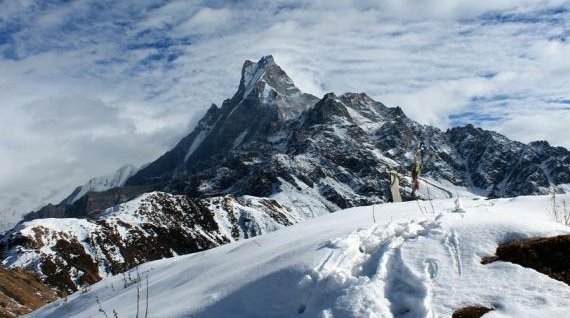
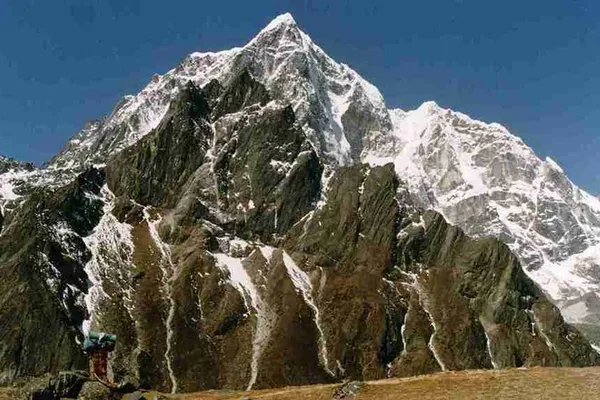
The Mardi Himal Trek has rapidly become one of Nepal's most sought-after short treks, offering spectacular Annapurna and Machhapuchhre (Fishtail) views without the crowds of traditional routes. This hidden gem in the Annapurna region delivers an authentic Himalayan experience in just 4-7 days, making it perfect for travelers with limited time but unlimited appetite for adventure.

Whether you're a first-time trekker seeking an accessible introduction to the Himalayas or an experienced hiker looking for a quick mountain fix, Mardi Himal rewards with pristine rhododendron forests, traditional Gurung villages, and a stunning alpine meadow viewpoint at 4,500 meters. The trek's relatively recent opening to tourism (2012) means trails remain uncrowded and teahouses retain their authentic charm.

This comprehensive guide covers everything you need to plan your Mardi Himal adventure—from detailed cost breakdowns and multiple itinerary options to month-by-month conditions and insider tips that competitors don't share.

Detail Information
Duration 4-7 days (3 days possible for experienced trekkers)
Maximum Altitude 4,500m (Mardi Himal Base Camp)
Difficulty Moderate (suitable for beginners with fitness)
Total Distance 40-50 km round trip
Best Season October-November, March-May
Starting Point Kande (1,770m), 1 hour from Pokhara
Permits Required ACAP + TIMS
Accommodation Teahouses throughout

How Much Does the Mardi Himal Trek Cost?

The Mardi Himal Trek cost ranges from $300-$700 per person for a complete guided package, depending on duration, group size, and comfort level. This makes it one of Nepal's most affordable Himalayan treks, delivering exceptional value for the spectacular views and experiences offered.

Here's what you can expect to pay:

Duration

Duration Budget Package Standard Package Premium Package
3 days $200-280 $300-400 $450-550
4 days $280-350 $400-500 $550-700
5 days $350-420 $480-600 $650-850
6 days $400-480 $550-680 $750-950
7 days $450-550 $620-750 $850-1,100

Mardi Himal Trek Cost Per Person by Group Size

Group size significantly impacts your Mardi Himal Trek cost per person. Larger groups share fixed costs like guide fees and transportation:

Cost Per Person by Group Size

Group Size Cost Per Person (5-Day Standard)
Solo trekker $550-650
2 persons $450-520
3-4 persons $400-480
5-8 persons $380-450
10+ persons $320-400

Complete Cost Breakdown for Independent Trekking

If you prefer arranging components separately, here's the detailed Mardi trek cost breakdown:

Fixed Costs (One-time):

  • ACAP Permit: NPR 3,000 (~$23)
  • TIMS Card: NPR 2,000 individual / NPR 1,000 group (~$8-15)
  • Transportation (Pokhara-Kande-Pokhara): $15-30
  • Total Fixed: ~$45-70

Daily Costs:

  • Guide (mandatory): $25-35/day
  • Porter (optional): $20-28/day
  • Accommodation: $5-15/night
  • Meals (3 per day): $18-30/day
  • Miscellaneous (showers, charging, WiFi): $5-10/day
  • Daily Total: $55-90/day

5-Day Independent Trek Total: $320-520


Mardi Himal Trek Cost from Pokhara vs Kathmandu

From Pokhara (Recommended): Starting from Pokhara saves both time and money. The trailhead at Kande is just 45 minutes to 1 hour by taxi or local bus.

  • Taxi to Kande: NPR 2,500-3,500 (~$19-27)
  • Local bus: NPR 150-200 (~$1.50)
  • Total package (5 days): $400-600

From Kathmandu: If starting from Kathmandu, add transportation costs:

  • Tourist bus to Pokhara: $15-25 (6-7 hours)
  • Flight to Pokhara: $100-130 (25 minutes)
  • Total additional cost: $30-260 round trip
  • Total package (5 days): $450-850

Recommendation: Fly to Pokhara if time is limited; bus if budget is the priority. Most trekkers spend 1-2 nights in Pokhara before and after the trek.

Seasonal Price Variations

Season Months Price Adjustment Notes
Peak Oct-Nov, Mar-May Standard pricing Best weather, book 2-4 weeks ahead
Shoulder Dec-Feb 10-15% lower Cold but clear, fewer crowds
Off-peak Jun-Sep 15-25% lower Monsoon—not recommended

Mardi Himal Trek Itinerary Options

We offer multiple Mardi Himal Trek itinerary options to match your fitness level, available time, and trekking experience. Choose the duration that suits you best:

3-Day Mardi Himal Trek (Experienced Trekkers Only)

The Mardi Himal Trek 3 days option is demanding and suitable only for fit trekkers comfortable with long days and rapid altitude gain.

Day 1: Pokhara → Kande → Forest Camp/High Camp

  • Drive: 1 hour to Kande (1,770m)
  • Trek: 7-8 hours to High Camp (3,580m)
  • Altitude gain: 1,810m
  • Key stops: Pitam Deurali, Forest Camp, Low Camp

Day 2: High Camp → Mardi Base Camp → High Camp

  • Trek: 6-8 hours round trip
  • Summit Mardi Base Camp (4,500m) for sunrise
  • Return to High Camp for overnight
  • Altitude gain/loss: +920m / -920m

Day 3: High Camp → Siding → Pokhara

  • Trek: 5-6 hours descent to Siding (1,700m)
  • Drive: 1.5-2 hours to Pokhara
  • Altitude loss: 1,880m

3-Day Mardi Himal Trek cost: $200-400

⚠️ Warning: This itinerary doesn't allow proper acclimatization. Risk of altitude sickness is higher. Only attempt if you have recent high-altitude experience.

4-Day Mardi Himal Trek (Standard)

The Mardi Himal Trek 4 days itinerary balances time efficiency with reasonable daily distances. Most popular among fit trekkers.

Day 1: Pokhara → Kande → Low Camp (2,970m)

  • Drive: 1 hour
  • Trek: 5-6 hours, 8 km
  • Trail: Through rhododendron forest via Pitam Deurali
  • Highlights: First mountain views, forest immersion

Day 2: Low Camp → High Camp (3,580m)

  • Trek: 4-5 hours, 4.5 km
  • Altitude gain: 610m
  • Trail: Steep sections through upper forest, treeline crossing
  • Highlights: Panoramic Annapurna views open up

Day 3: High Camp → Base Camp → Badal Danda (3,210m)

  • Trek: 8-9 hours total
  • Pre-dawn start for sunrise at Base Camp (4,500m)
  • Descent via alternative route through Badal Danda
  • Highlights: 360° Himalayan panorama, Machhapuchhre close-up

Day 4: Badal Danda → Siding → Pokhara

  • Trek: 3-4 hours to Siding
  • Drive: 2 hours to Pokhara
  • Highlights: Gurung villages, terraced farmland

4-Day Mardi Himal Trek cost: $280-500

5-Day Mardi Himal Trek (Recommended)

Our most popular Mardi Himal Trek itinerary provides ideal pacing for acclimatization and enjoyment. Suitable for beginners and experienced trekkers alike.

Day 1: Pokhara → Kande → Pitam Deurali (2,100m)

  • Drive: 1 hour to Kande
  • Trek: 3-4 hours, 5.5 km
  • Gentle introduction through mixed forest
  • Overnight: Basic teahouse with mountain views

Day 2: Pitam Deurali → Low Camp (2,970m)

  • Trek: 5-6 hours, 7 km
  • Trail enters dense rhododendron forest (spectacular in spring)
  • Altitude gain: 870m
  • Overnight: Forest Camp or Low Camp

Day 3: Low Camp → High Camp (3,580m)

  • Trek: 4-5 hours, 4.5 km
  • Cross treeline into alpine meadow
  • First dramatic views of Mardi Himal and Machhapuchhre
  • Acclimatization walk recommended in afternoon

Day 4: High Camp → Base Camp → High Camp or Badal Danda

  • Wake: 4:00 AM for sunrise trek
  • Summit: Mardi Base Camp (4,500m) by sunrise
  • Spectacular 360° panorama includes:
    • Annapurna I (8,091m)
    • Annapurna South (7,219m)
    • Hiunchuli (6,441m)
    • Machhapuchhre/Fishtail (6,993m)
    • Mardi Himal (5,587m)
  • Descent to High Camp or continue to Badal Danda

Day 5: Descent → Siding → Pokhara

  • Trek: 5-6 hours through Gurung villages
  • Drive: 2 hours to Pokhara
  • Celebration dinner in Lakeside!

5-Day Mardi Himal Trek cost: $350-600

7-Day Mardi Himal Trek Itinerary (Relaxed/Beginner-Friendly)

The Mardi Himal Trek itinerary 7 days option is perfect for first-time Himalayan trekkers, families, photographers, or anyone wanting a leisurely pace with maximum acclimatization.

Day 1: Pokhara → Kande → Australian Camp (2,060m)

  • Drive: 1 hour
  • Trek: 2-3 hours, easy gradient
  • Famous sunset viewpoint
  • Comfortable teahouses with hot showers

Day 2: Australian Camp → Forest Camp (2,500m)

  • Trek: 5-6 hours through Pothana village
  • Enter rhododendron forest zone
  • Altitude gain: 440m

Day 3: Forest Camp → Low Camp (2,970m)

  • Trek: 3-4 hours
  • Shorter day for acclimatization
  • Explore surrounding forest trails

Day 4: Low Camp → High Camp (3,580m)

  • Trek: 4-5 hours
  • Cross treeline, enter alpine zone
  • Afternoon acclimatization hike essential

Day 5: High Camp → Base Camp → High Camp

  • Trek: 5-7 hours round trip
  • Sunrise at Base Camp (4,500m)
  • Full day to enjoy summit views
  • Return to High Camp (better facilities than Badal Danda)

Day 6: High Camp → Siding (1,750m)

  • Trek: 5-6 hours descent
  • Pass through Badal Danda
  • Traditional Gurung hospitality

Day 7: Siding → Lumre → Pokhara

  • Trek: 2-3 hours to Lumre
  • Drive: 1.5 hours to Pokhara
  • Optional: Visit Tibetan refugee camp at Hyangja

7-Day Mardi Himal Trek cost: $450-750

Is Mardi Himal Trek Difficult?

The Mardi Himal Trek is rated moderate difficulty (Grade 2-3) and is suitable for beginners with reasonable fitness. You don't need previous trekking experience, but you should be comfortable walking 5-7 hours daily on mountain trails.

What Makes It Moderate (Not Easy)

  • Daily elevation gains of 600-1,000 meters on ascending days
  • Steep sections between Low Camp and High Camp
  • High altitude at Base Camp (4,500m) can cause mild symptoms
  • Long summit day (8-9 hours) requires stamina
  • Basic facilities at higher camps (no hot showers, limited electricity)

What Makes It Accessible (Not Hard)

  • Well-marked trails with no technical climbing
  • Teahouses every few hours (no camping required)
  • Flexible duration (5-7 days allows proper acclimatization)
  • Moderate maximum altitude compared to EBC (5,364m) or ABC (4,130m)
  • Short approach (reach mountains quickly from Pokhara)

Fitness Requirements

To enjoy the Mardi Himal Trek comfortably, you should be able to:

  • Walk 5-7 hours on consecutive days
  • Climb 500-1,000 meters elevation in a single day
  • Carry a small daypack (5-7 kg) while trekking
  • Handle uneven terrain including rocks and tree roots
  • Sleep in basic accommodation at altitude

Recommended Preparation (3-4 Weeks Before)

Cardiovascular training:

  • Walk/jog 45-60 minutes, 4-5 times weekly
  • Include hills or stairs in your routine
  • Build to 2-3 hour weekend hikes if possible

Strength training:

  • Squats and lunges for leg strength
  • Step-ups for climbing power
  • Core exercises for stability on uneven terrain

Altitude preparation:

  • No specific training possible at sea level
  • Hydration habits (3-4 liters daily)
  • Understanding symptoms of altitude sickness

Age and Health Guidelines

Category Recommendation
Minimum age 10 years (with parent, 7-day itinerary)
Maximum age No limit for healthy individuals
60+ years Medical clearance recommended
Heart/lung conditions Consult doctor before booking
Pregnant women Not recommended above 3,000m

Mardi Himal Trek Map and Route Overview

Understanding the Mardi Himal Trek map helps visualize your journey through diverse landscapes from subtropical forest to alpine meadow.

Route Overview

The trek follows a relatively straightforward out-and-back route with an optional alternative descent:

Ascent Route (Most Common):

Kande (1,770m) → Pitam Deurali (2,100m) → Forest Camp (2,500m)
→ Low Camp (2,970m) → High Camp (3,580m) → Base Camp (4,500m)

Descent Options:

  1. Same route return — Retrace steps (familiar, faster)
  2. Badal Danda alternative — Different scenery, visits Gurung villages

Elevation Profile

Location Altitude From Previous Cumulative
Kande (start) 1,770m - -
Pitam Deurali 2,100m +330m +330m
Forest Camp 2,500m +400m +730m
Low Camp 2,970m +470m +1,200m
High Camp 3,580m +610m +1,810m
Base Camp 4,500m +920m +2,730m

Trail Terrain by Section

Kande to Forest Camp (Subtropical/Temperate Forest):

  • Well-maintained stone steps and dirt paths
  • Dense rhododendron forest (blooms March-April)
  • Occasional steep sections with tree root obstacles
  • Shaded throughout—cooler even in peak season

Forest Camp to High Camp (Upper Forest/Treeline):

  • Trail becomes steeper and narrower
  • Transition from forest to scrubland
  • Rocky sections require careful footing
  • Exposed to wind above treeline

High Camp to Base Camp (Alpine/Rocky):

  • Steep, rocky terrain
  • No shade—sun protection essential
  • Snow possible October-March
  • Trail markers less visible—stick with guide

Key Landmarks and Distances

Section Distance Time Terrain
Kande → Pitam Deurali 5.5 km 3-4 hrs Forest, moderate
Pitam Deurali → Low Camp 7 km 5-6 hrs Forest, steep sections
Low Camp → High Camp 4.5 km 4-5 hrs Rocky, very steep
High Camp → Base Camp 3 km 2-3 hrs Alpine, rocky
Total (one way) ~20 km 14-18 hrs -

Best Time for Mardi Himal Trek: Month-by-Month Guide

Choosing the right season dramatically impacts your Mardi Himal experience. Here's the most comprehensive month-by-month breakdown you'll find:

Peak Season: October-November

October:

  • Weather: Clear skies, minimal rain, 10-20°C days
  • Visibility: Excellent—best mountain views of the year
  • Crowds: Moderate (increasing toward Dashain/Tihar festivals)
  • Trail conditions: Dry, well-maintained
  • Rating: ⭐⭐⭐⭐⭐ (Best month)

November:

  • Weather: Crisp, clear, cooling temperatures
  • Visibility: Excellent
  • Crowds: Moderate-high (post-festival surge)
  • Trail conditions: Dry, possible frost at High Camp
  • Special: Fresh snow on peaks enhances photography
  • Rating: ⭐⭐⭐⭐⭐

Spring Season: March-May

March:

  • Weather: Warming, occasional afternoon clouds
  • Visibility: Good-excellent (clearer early month)
  • Crowds: Low-moderate
  • Special: Rhododendron blooms begin—spectacular red/pink forests
  • Trail conditions: Dry, some dusty sections
  • Rating: ⭐⭐⭐⭐⭐

April:

  • Weather: Warm days (15-25°C), cool nights
  • Visibility: Good (haze possible late month)
  • Crowds: Moderate
  • Special: Peak rhododendron season—forest trails ablaze with color
  • Trail conditions: Excellent
  • Rating: ⭐⭐⭐⭐⭐

May:

  • Weather: Hot at lower elevations, pre-monsoon clouds build
  • Visibility: Fair-good (morning clarity best)
  • Crowds: Decreasing
  • Trail conditions: Good but warming
  • Rating: ⭐⭐⭐⭐

Shoulder Season: December-February

December:

  • Weather: Cold but clear, 5-15°C days, below freezing at High Camp
  • Visibility: Excellent (clearest skies of year)
  • Crowds: Low
  • Trail conditions: Dry, possible ice/snow above 3,500m
  • Rating: ⭐⭐⭐⭐

January:

  • Weather: Coldest month, -5 to -15°C at High Camp
  • Visibility: Excellent when clear, occasional snowfall
  • Crowds: Very low
  • Trail conditions: Snow likely above Low Camp
  • Special: Dramatic snow-covered landscapes
  • Rating: ⭐⭐⭐ (cold but stunning)

February:

  • Weather: Cold but warming, snow still possible
  • Visibility: Excellent
  • Crowds: Low
  • Trail conditions: Variable—check recent reports
  • Rating: ⭐⭐⭐⭐

Monsoon Season: June-September (Not Recommended)

June-August:

  • Weather: Heavy rain, leeches, landslide risk
  • Visibility: Poor—mountains obscured 80% of time
  • Crowds: Very few
  • Trail conditions: Muddy, slippery, potentially dangerous
  • Rating: ⭐ (avoid)

September:

  • Weather: Monsoon ending, still unpredictable
  • Visibility: Improving late month
  • Crowds: Low
  • Trail conditions: Wet but improving
  • Rating: ⭐⭐ (late September only)

What's Included in Our Mardi Himal Trek Package

Our comprehensive packages are designed to provide hassle-free trekking with transparent pricing. Here's exactly what you get:

Standard Package Inclusions

Transportation:

  • Airport/hotel pickup and drop-off in Pokhara
  • Private vehicle Pokhara-Kande-Pokhara
  • All ground transfers as per itinerary

Permits:

  • ACAP (Annapurna Conservation Area Permit)
  • TIMS Card (Trekkers' Information Management System)
  • All permit processing handled by us

Trekking Staff:

  • Experienced English-speaking guide (1 guide per 1-4 trekkers)
  • Porter service (1 porter per 2 trekkers, 15kg allowance each)
  • Staff meals, accommodation, and insurance included

Accommodation:

  • Best available teahouse lodges throughout trek
  • Twin-sharing basis (single supplement available)
  • 1 night hotel in Pokhara (pre/post trek if needed)

Meals:

  • All meals during trek (breakfast, lunch, dinner)
  • Tea/coffee with meals
  • Safe drinking water provisions

Safety & Support:

  • Comprehensive first aid kit
  • Oximeter for altitude monitoring
  • Emergency communication equipment
  • 24/7 Pokhara office support

What's NOT Included

  • International flights and Nepal visa
  • Travel insurance (mandatory—must cover helicopter evacuation)
  • Meals in Pokhara (except where specified)
  • Hot showers at teahouses ($2-4 each)
  • Device charging ($2-3 each)
  • WiFi ($2-4 per day)
  • Alcoholic beverages and personal snacks
  • Tips for guide and porter
  • Personal trekking gear
  • Emergency helicopter evacuation (covered by insurance)
Staff Suggested Tip (per trekker)
Guide $15-25 for trek
Porter $10-15 for trek

Accommodation and Food on Mardi Himal Trek

Understanding what to expect at each stop helps you pack appropriately and set realistic expectations.

Teahouse Facilities by Location

Location tea houses room rate Hot shower Wifi Shower
Pitapm deurali 5-6 $5-8 Yes Yes Yes
Forest Camp 6-8 $5-10 Limited Limited Yes
Low Camp 4-5 $6-12 Limited Limited Yes
High Camp 3-4 $10-18 Yes Limited Limited
Badal Danda 3-4 $6-10 Yes Limited Yes

What Teahouses Provide

Rooms:

  • Basic twin beds with mattresses
  • Blankets provided (sleeping bag still recommended)
  • Wooden walls (sound travels)
  • Shared bathrooms on each floor

Common Areas:

  • Dining room with wood stove (gathering point evenings)
  • Menu posted on wall
  • Basic seating

Bathrooms:

  • Squat toilets most common
  • Western toilets at lower elevations
  • No hot water for washing (except paid bucket showers)

Food Options and Prices

Teahouse menus are surprisingly varied. Expect to pay more as altitude increases:

Breakfast ($4-8):

  • Tibetan bread with honey/jam
  • Porridge with fruit
  • Eggs (fried, scrambled, omelette)
  • Pancakes
  • Toast with peanut butter

Lunch/Dinner ($6-12):

  • Dal bhat (unlimited refills)—best value and most nutritious
  • Fried rice/noodles with vegetables
  • Momos (dumplings)
  • Pasta dishes
  • Soup varieties
  • Pizza at lower elevations

Beverages ($1-4):

  • Black tea/milk tea
  • Instant coffee
  • Hot lemon/honey
  • Soft drinks
  • Bottled water (bring purification instead)

Pro Tips:

  • Order dal bhat—it's freshest and provides sustained energy
  • Same dishes cost more at higher camps (porters carry supplies)
  • Avoid meat above Forest Camp (refrigeration issues)
  • Bring favorite snacks from Pokhara

Solo Trekker Guide: Mardi Himal Trek Alone

Solo trekking on Mardi Himal is increasingly popular, though regulations and practicalities require consideration.

Current Regulations (2025)

Since April 2023, guides are mandatory for all foreign trekkers in Nepal's national parks and conservation areas, including the Annapurna region. This means:

  • You cannot legally trek Mardi Himal without a licensed guide
  • Solo travelers must hire an individual guide or join a group
  • Fines apply for trekking without proper permits and guide

Itinerary


Day 1 Drive to Pokhara 200km 6/7 hours

We will wake up early in the morning and catch a bus to Pokhara which is about 6 to 7 hours driving. We will drive through one of the most popular highways in Nepal. We will pass different villages and rivers to reach Pokhara. We will also drive through one of the popular river of Nepal called Trishuli river where you can people are enjoying white water rafting as well. Once we reached Pokhara we will check into our hotel in Pokhara and explore lakeside for a while and stay overnight in our hotel in Pokhara.

Day 2 Drive to Kande and trek to Pitam Deurali (2125m)

Have early morning breakfast and continue driving journey to Kande. Around half an hour drive will take us to the Kande by following the several scenic surrounding. As you reach the Kande, we will begin the trek to Pitam Deurali, which is situated at the elevation of the 2125 meters. As you start to trek through the beautiful forest and reach to Forest Camp at the elevation of 1810m. Continue trek steep trail until you reach to Dhampus and continue easy walk up to Pothana. Have dinner and stay in a teahouse lodge for the first night.

Day 3 Pitan Deurali to Low Camp (3,150m)- 5 hours trekking.

Have early morning breakfast and continue trek ahead to Low Camp, which is situated at the elevation of the 3150meters. As you continue to trek through following the beautiful forest. Ascend the vegetation by following the rhododendron, moss, lichen forest. As you reach Low Camp and can enjoy the magnificent views of Mount Machhapuchhre and other stunning peaks. Have dinner and stay overnight at Low Camp.

Day 4 Low Camp to High Camp (3,700m)- 4 hours trekking.

Have early morning breakfast and continue trek towards High Camp through following Low Camp with the stunning views of the Annapurna South and Hiunchuli. As we continue to trek on the further trail, we will trek along the Mardi Himal ridge mainly on the grass with some isolated rhododendron bushes along the way and explore the colorful Danphe pheasant and further trek take us to the lodge at High Camp. As you reach to the High Camp, you can enjoy the superb view from the lodge; Mt. Annapurna South, Hiunchuli, and Machhapuchhre (Fishtail). Have dinner and stay overnight at High Camp.

Day 5 Excursion to Mardi Himal Base Camp (4,500m)- back to Low Camp.

Have an early morning breakfast and continue trek for an impressive sunrise view of the mountains. Continue trek through the ridge towards Mardi Himal Base Camp. You can witness grass fields, dzokpo (yak/ cow crossbreds) grazing, and Danphe pheasant, sheep, and goats. Continue trek around three hours and reach Base Camp at the elevation of 4500m. Enjoy the great view of the Mt. Annapurna Sanctuary, south face of Annapurna, Sanctuary peak as well as Hiunchuli and Machhapuchhre (Fishtail). Have dinner and stay overnight at Low Camp again.

Day 6 Low Camp. to Siding village (1,750m) -6 hours walking, Drive to Pokhara

Have morning breakfast and continue trek ahead to Siding Village, which is situated at the elevation of 1750 meters. We will continue to trek through the down to Siding village, traditional Nepalese village. Have a wonderful cultural experience finding out more about village life reaching upto siding village we will take a private jeep to Pokhara.
Overnight in Hotel in Pokhara

Day 7 Pokhara to Kathmandu by drive 7 hours drive

After having breakfast in Pokhara we will take a bus to Kathmandu. Reaching up to Kathmandu we will transfer your hotel in Kathmandu.
In the evening dinner and share the trekking experience with Himalayan Hero Team

Day 8 Final departure

After having morning breakfast in the hotel, according to your scheduled flight, you will be transferred before 3 hours of your flight at the airport. We will wish you for your safe flight and hope that we will meet very soon in this wonderful country Nepal.

Inclusion

  • Airport Pickup and Drop by Private Car ( Himalayan Hero Team will welcome you in the Airport as per your arriving flight time )
  • 2 Night Hotel in Pokhara on BB Plan.
  • Meals on full board (Breakfast, lunch, and dinner)
  • Best available accommodations during the trek in Tea house
  • An experienced Government license holder guide.
  • Food, drinks, accommodation, insurance, salary, equipment, transportation, and local tax for Guides and porters.
  • All necessary paperwork and conservation entry permits (ACAP fees).
  • Himalayan Hero Cap
  • Duffle Bag if you hire Potter
  • First AID KITS
  • TIMS (Trekkers' Information Management System).
  • All government taxes and our service charges.
  • Farewell Dinner before departure.

Exclusion

  • International flight tickets
  • Nepal entry visa fees
  • Tips, drinks, and personal expenses
  • Potter
  • Personal trekking Equipment.
  • Travel insurance

FAQs about travel in himalayanhero.com

What makes the Mardi Himal trek difficulty for beginners manageable compared to other Annapurna Region treks?

The beginner-friendly Mardi Himal trek features gradual elevation gains, shorter daily distances (4-6 hours), and excellent teahouse accommodation Nepal at every stop. Unlike more challenging routes, this moderate difficulty Annapurna trek allows proper acclimatization with its well-planned acclimatization schedule Mardi Himal, making the 4500m altitude trek achievable for those with basic fitness levels.

How much does Mardi Himal trek cost, including permits and accommodation?

The total Mardi Himal trek cost and booking ranges from $600-1,000 for the complete 8-day package. The Mardi Himal trek permit cost includes the Annapurna Conservation Area Permit (NPR 3,000) and TIMS card (NPR 2,000). Budget travelers can manage with $600-750, while mid-range packages with porter service run $750-1,000. The Pokhara to Mardi Himal distance being relatively short helps keep transportation costs low.

When is the best time to trek Mardi Himal Nepal for rhododendron blooms?

The spring Mardi Himal trek season (March-May) is ideal for witnessing the spectacular rhododendron forest in full bloom. This best time to trek Mardi Himal Nepal offers warming temperatures and forests exploding with red, pink, and white flowers. The autumn Mardi Himal trek (September-November) provides clearer mountain views but misses the blooms. Avoid the monsoon season Mardi Himal (June-August) due to rain and leeches.

Can I experience authentic village culture on this off-the-beaten-path trek?

Absolutely! This off-the-beaten-path trek offers exceptional cultural experiences through Gurung village homestay options in Lwang and Siding. The Magar culture trek elements include traditional dances, local Nepali cuisine, and legendary Nepali hospitality. Many trekkers find the Nepali tea house trek experience, with evening gatherings around wood stoves and shared meals, as memorable as the mountain views.

What's included in the Mardi Himal trek itinerary 8 days from Pokhara?

The Pokhara to Mardi Himal itinerary includes: Day 1 travel to Pokhara, Days 2-5 trekking through forests to High Camp Mardi Himal, Day 6 reaching Mardi Himal Base Camp trek at 4,500m, Day 7 descending via cultural villages, and Day 8 returning to Kathmandu. The route covers Forest Camp Mardi Himal, offers stunning Machhapuchhre views, and includes all teahouse trek accommodations.

Do I need a guide for Mardi Himal, and what about the new regulations?

While the guide requirement Nepal regulation was introduced in March 2023, enforcement on the Mardi Himal route isn't strict yet. However, hiring a licensed guide ($25-30/day) is highly recommended for safety, navigation, and cultural insights. Guides can arrange your Annapurna Conservation Area Permit and handle any issues with authorities, making your beginner-friendly Mardi Himal trek worry-free.

What wildlife sightings are possible during the trek?

The diverse ecosystems support remarkable wildlife sightings throughout the trek. In the rhododendron forest zone, watch for red pandas, langur monkeys, and over 100 bird species including Nepal's national bird, the colorful danphe. Above treeline near High Camp Mardi Himal, early morning trekkers often spot Himalayan tahr on cliff faces. Snow leopard tracks have been documented near the Mardi Himal base camp altitude of 4,500m.

How does the Mardi Himal packing list differ for spring versus autumn seasons?

Your Mardi Himal packing list varies by season. For spring Mardi Himal trek: lighter sleeping bag (-5°C), rain gear for pre-monsoon showers, and sun protection for longer days. During autumn Mardi Himal trek: warmer sleeping bag (-10°C), extra thermal layers, and gloves for cold mornings at High Camp Mardi Himal. Both seasons require good hiking boots, water purification, and layers for the 4500m altitude trek.

What are the accommodation options beyond basic teahouses?

While teahouse accommodation Nepal is standard, options vary by elevation. Lower villages offer private rooms with attached bathrooms and hot showers. Forest Camp Mardi Himal provides cozy dormitories with thick blankets. For cultural immersion, Gurung village homestay experiences in Lwang include home-cooked local Nepali cuisine and family interactions. This Nepali tea house trek combines comfort with authentic mountain hospitality throughout the journey.

Is the Mardi Himal Base Camp altitude of 4,500m safe for beginners?

Yes, the Mardi Himal base camp altitude is achievable for beginners thanks to the trek's excellent acclimatization schedule Mardi Himal. The gradual ascent over 4 days helps your body adjust to the 4500m altitude trek. Most people experience mild symptoms above 3,500m, but the moderate difficulty Annapurna trek design minimizes risks. The beginner-friendly Mardi Himal trek includes multiple exit points if altitude becomes problematic.

USD 590.00 per person

Secure Your Booking with Just 10% Down!