Think you're too old for Everest Base Camp? Think again. Every trekking season, we see people in their 50s, 60s, and even 70s making it to base camp, often with less trouble than twenty-somethings who rush up the mountain without respecting the altitude. The truth is, your age isn't the deciding factor here. What really matters is your cardiovascular fitness, how well you acclimatize, and whether you're willing to listen to your body and go at your own pace.
In this blog Everest Base Camp trek for people over 50, we'll walk you through what actually happens to your body at high altitude after 50, the training you'll need to prepare yourself, and the small but important itinerary tweaks that can make all the difference between struggling through the trek and actually enjoying your journey to 5,364 m.
Is there an age limit for the Everest Base Camp trek
There is no official age limit for the Everest Base Camp trek. Trekkers in their 50s, 60s, and even 70s complete this route every year, many with fewer problems than younger hikers who underestimate the altitude. The real determining factors are cardiovascular fitness, proper acclimatization, and a pace that matches your body's needs rather than someone else's schedule. Success depends on realistic preparation and listening to your body throughout the journey.
The trek itself is a long walk, not a technical climb requiring ropes or crampons. You will walk 5 to 6 hours daily Everest Base Camp altitude where oxygen levels drop to roughly half of what you breathe at sea level. An extended itinerary with extra acclimatization days, combined with patience to go slow when needed, makes the Everest Base Camp trek achievable for people over 50.
Why is Everest Base Camp achievable for trekkers over 50
Everest Base Camp is achievable for trekkers over 50 because the trek requires endurance and mental resilience rather than technical climbing skills or extreme physical strength. The route follows well-maintained trails with no ropes, ice axes, or mountaineering experience needed: just steady walking at your own pace over 12 to 16 days. With proper acclimatization days built into the itinerary, extended rest stops at Namche Bazaar (3,440m) and Dingboche (4,410m), and experienced guides monitoring your health daily, older trekkers can adapt to the altitude safely and reach base camp at 5,364m.
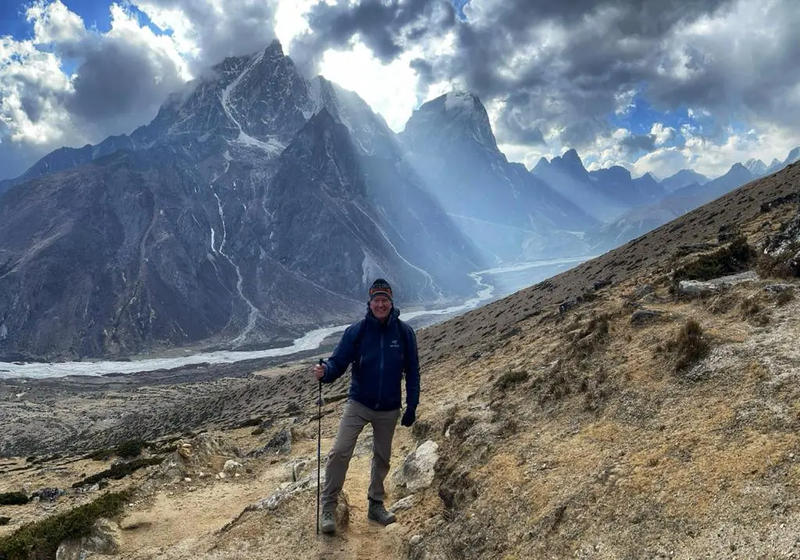
Success depends more on preparation, pacing, and listening to your body than on age itself. Many trekkers over 50 actually perform better than younger hikers because they follow their guide's advice, take acclimatization seriously, and don't rush the ascent. Operators running senior-focused departures report completion rates comparable to, and sometimes higher than, those of younger groups. The key is choosing a slower itinerary (15 to 18 days instead of the standard 12), training consistently for 4 to 6 months beforehand, and respecting the altitude from day one.
Physiological changes after 50 at high altitude
Your body handles oxygen differently after 50. Lung capacity typically decreases with age, and your cardiovascular system may take longer to adjust to thinner air. This adjustment process is called acclimatization: the gradual adaptation your body makes as oxygen becomes scarcer at higher elevations.
These changes are real, but they're not deal-breakers. The solution is time. Slower daily ascents and additional rest days give your body the space it needs to adapt properly.
Success rates for senior trekkers on EBC
Operators running senior-focused itineraries often report completion rates comparable to younger groups. In some cases, the rates are actually higher because older trekkers tend to follow pacing advice more carefully and listen to their guides.
Experience counts for a lot at altitude. Trekkers who've spent decades handling challenges in other areas of life often bring a mental steadiness that serves them well when the trail gets tough.
Benefits of trekking to Everest Base Camp after 50
- Life experience: Patience and mental resilience often come more naturally to older trekkers
- Flexible schedules: Retirees or semi-retired travelers can choose longer itineraries without work constraints
- Deeper appreciation: More time to absorb the culture, scenery, and pace of Sherpa village life
How difficult is the EBC trek for people above 50
The Everest Base Camp trek is rated moderate to strenuous, with difficulty coming from walking at high altitude for 12 to 16 days rather than technical climbing. The main challenges are reduced oxygen levels above 4,000m, daily walking durations of 4 to 7 hours, and cumulative fatigue that builds over the itinerary. The trek requires no ropes or mountaineering skills, just steady endurance and proper acclimatization.
You'll follow well-maintained trails through Sherpa villages, cross suspension bridges, and climb stone staircases on rocky terrain. The route includes steep sections, particularly between Namche Bazaar and Tengboche, but nothing requiring technical ability. Altitude, cold temperatures, and joint strain from descents affect all trekkers regardless of age, making pacing and preparation more important than your birth year.
Health risks for senior trekkers on Everest Base Camp
The health risks at Everest Base Camp aren't fundamentally different for older trekkers; they're just worth taking more seriously. Altitude sickness doesn't discriminate by age, but recovery from symptoms can take longer after 50. Cardiovascular strain from reduced oxygen, cold exposure at high elevations, and cumulative joint stress from daily descents are the main concerns you'll face on the trail.
Understanding these risks isn't about discouragement. It's about preparation. With proper acclimatization, daily health monitoring by your guide, and the willingness to adjust your pace or descend when needed, these challenges become manageable rather than prohibitive. Most senior trekkers who prepare properly and listen to their bodies complete the trek without serious issues.
Altitude sickness and acute mountain sickness
Acute Mountain Sickness (AMS) is the body's reaction to reduced oxygen at high elevation. Symptoms include headache, nausea, fatigue, and dizziness. AMS can affect anyone regardless of age or fitness level, though recovery from symptoms may take longer for older trekkers.
Recognizing early warning signs matters. Our guide on Everest Base Camp trek safety covers symptoms and prevention in detail. Guides carry pulse oximeters to check oxygen saturation daily, and the standard response to worsening symptoms is immediate descent.
Cardiovascular and blood pressure concerns
Altitude naturally increases heart rate and blood pressure. For trekkers with pre-existing heart conditions or hypertension, a conversation with a doctor before booking is essential.
That conversation can help clarify what to watch for on the trail and whether any medication adjustments make sense before departure.
Cold exposure and joint strain
Temperatures above 4,000m drop significantly, especially at night. Proper layering and quality gear make a real difference in both comfort and safety.
Joint issues, particularly knees and hips, are common concerns for older trekkers. Trekking poles reduce knee strain substantially on descents, and many experienced hikers consider them essential rather than optional.
Fitness requirements and training for over 50 trekkers
Preparation is the single biggest predictor of success for trekkers over 50. Your body needs time to build the cardiovascular endurance and leg strength the trail demands, ideally 4 to 6 months of consistent training before departure. A structured Everest Base Camp training plan should include regular aerobic exercise, strength work targeting quads and core, and practice hikes with a loaded pack to simulate trail conditions. The more prepared you are physically, the more you'll actually enjoy the trek rather than just survive it.
1. Build cardiovascular endurance
Regular aerobic activities form the foundation. Walking, cycling, or swimming three to four times per week for 45 to 60 minutes builds the stamina for daily trekking. Consistency matters more than intensity. Your body adapts better to steady, repeated effort than sporadic intense sessions.
2. Add strength and balance work
Focus on leg strength (quads, calves, glutes) and core stability. Balance exercises reduce fall risk on uneven terrain, which becomes more important with age, especially when navigating rocky trails and suspension bridges in the Khumbu.
3. Practice hiking with a loaded pack
Train with a daypack weighing 5 to 8kg, similar to what you'll carry on the trek. Gradually increase distance and elevation on practice hikes to simulate trail conditions. Your shoulders, back, and legs need time to adapt to carrying weight for hours at a time.
4. Train with trekking poles
Get comfortable using poles before departure. They're particularly valuable on downhill sections, where knee strain is highest, and proper technique takes practice to feel natural on the trail.
5. Prioritize recovery and joint care
Allow rest days between training sessions. Low-impact cardio options like swimming or elliptical work well for building fitness while protecting joints. Overtraining before departure increases injury risk rather than improving your readiness.
Best time of year for seniors to trek to Everest Base Camp
The best time to do Everest Base Camp is during spring (March to May) and autumn (September to November) when weather conditions are most stable, and trail conditions are safest. These seasons offer clear skies, moderate temperatures, and predictable weather patterns that reduce risks associated with cold exposure and slippery trails, factors that matter more for older trekkers who need consistent conditions for safe daily walking.
Spring brings warmer temperatures ranging from 10 to 15°C at lower elevations, blooming rhododendrons along the trail, and generally stable weather, though afternoon clouds can occasionally obscure mountain views. Autumn offers the clearest visibility of Everest and surrounding peaks, dry trails that reduce fall risk, and comfortable daytime temperatures, though mornings and evenings grow colder as November approaches, particularly above 4,000m.
Senior-friendly Everest Base Camp itinerary and acclimatization
A senior-friendly Everest Base Camp itinerary should span 15 to 18 days instead of the standard 12 to 14 days, with multiple acclimatization rest days built into the schedule at key elevations. Extended itineraries allow your body to adjust gradually to reduced oxygen levels, significantly reducing altitude sickness risk and giving you time to recover from daily walking before ascending higher. Standard itineraries often move too quickly for proper acclimatization after 50, when your cardiovascular system needs more time to adapt to thinner air.
The most important acclimatization stops are Namche Bazaar at 3,440m and Dingboche at 4,410m, where you should spend at least two nights at each location. Following the principle of "climb high, sleep low" means taking day hikes to higher elevations during rest days, then returning to sleep at a lower altitude. This approach helps your body produce more red blood cells to carry oxygen. For detailed strategies on adapting to altitude safely, read our guide on how to acclimatize for Everest Base Camp trek. On a senior-paced itinerary, daily walking typically ranges from 4 to 6 hours with elevation gains of 300 to 500m, allowing better recovery and reducing cumulative fatigue that affects everyone at altitude.
How to prevent altitude sickness after 50
To prevent altitude sickness after 50, ascend gradually with extra acclimatization days, stay hydrated with 3 to 4 liters of water daily, and listen to your body's warning signs from the first day on the trail. Older trekkers should follow a slower itinerary that allows their cardiovascular system adequate time to adjust to reduced oxygen levels, as recovery from altitude sickness symptoms takes longer after 50. Your guide will monitor your oxygen saturation daily using a pulse oximeter, providing objective data on how well you're acclimatizing at each elevation.
Recognize early symptoms like headache, dizziness, nausea, or unusual fatigue, and communicate them to your guide immediately. Descending even 300 to 500m is the most effective treatment for worsening altitude sickness. Walk at a sustainable pace rather than pushing ahead of your group, avoid alcohol and sleeping pills that suppress breathing, and consider discussing preventive medication like Diamox with your doctor before departure. Most importantly, never ignore symptoms or continue ascending if you're feeling unwell, as altitude sickness can escalate quickly above 4,000m regardless of your fitness level.
What is the helicopter return option for older trekkers?
The helicopter return option allows trekkers over 50 to fly back from Gorakshep (5,164m) or Lukla (2,860m) to Kathmandu after reaching Everest Base Camp, eliminating 3 to 4 days of downhill walking that strains knees and joints. This isn't just an emergency evacuation. Many senior trekkers book the helicopter return as part of their original itinerary to reduce cumulative physical stress while still completing the full trek to base camp at 5,364m. If you want to experience Everest's majesty without the physical demands of trekking, consider the Everest mountain flight, which offers breathtaking aerial views of the Himalayas in just one hour.
The 15 to 20 minute helicopter flight offers stunning aerial views of the Khumbu Valley, Everest, Lhotse, and Ama Dablam that you can't experience from the trail. The cost typically ranges from $500 to $700 USD per person, depending on group size and departure point, and most operators can arrange this addition when you book your trek or even during the journey if you decide the descent feels too demanding. For a premium experience that includes a helicopter return, consider the Everest Base Camp Luxury Trek.
What permits, guides, and insurance do older trekkers need
Older trekkers need two permits for Everest Base Camp: the Sagarmatha National Park Entry Permit ($22 USD) and the Khumbu Pasang Lhamu Rural Municipality Fee ($15 USD), both arranged by your trekking operator before departure. Hiring an experienced guide is strongly recommended for trekkers over 50 because they monitor your health daily with pulse oximeters, adjust pacing to your acclimatization needs, and provide immediate assistance if altitude sickness symptoms appear. For complete cost planning beyond permits, the EBC trek cost guide covers guided packages, gear, insurance, and tipping.
Travel insurance with high-altitude coverage up to 6,000m and emergency helicopter evacuation is essential for all trekkers over 50, as standard policies often exclude trekking above 4,000m. Evacuation costs without insurance can reach $3,000 to $8,000 or more, and medical facilities above Namche Bazaar are extremely limited. Read your policy carefully to confirm altitude limits and evacuation coverage before departure. This isn't optional protection, it's a safety requirement for responsible trekking at high elevation. For comprehensive guidance on selecting the right coverage, see our detailed guide on Travel Insurance for Trekking in Nepal.
Tips for a successful Everest Base Camp trek over 50
Success on the Everest Base Camp trek after 50 comes down to preparation, pacing, and listening to your body throughout the journey. The following practical tips address the specific considerations that matter most for older trekkers, from medical clearance before departure to gear choices that protect your joints on the trail. These aren't just suggestions; they're the strategies that experienced senior trekkers consistently identify as making the difference between struggling through the trek and genuinely enjoying the experience at high altitude.
Get a pre-trek medical checkup
Visit your doctor for a full physical and altitude fitness assessment. Discuss any medications and get clearance specifically for high-altitude trekking.
Choose a private or slow-paced departure
Private departures or senior-specific group departures offer flexible pacing without pressure to keep up with faster groups. Check out our adventure packages options designed around realistic pacing.
Pack for cold and joint support
Bring layered clothing, quality trekking boots, and knee braces if needed. Hand warmers, thermal base layers, and a good sleeping bag liner make cold nights significantly more comfortable. For a complete gear checklist, see our Everest Base Camp Packing List.
Walk slow from day one
Set a sustainable pace from the first day. Communicate with your guide about how you feel. They're there to adjust the pace to your needs.
Conclusion: Your age isn't the obstacle, your preparation is
The Everest Base Camp trek after 50 isn't about proving you're still young. It's about showing up prepared, respecting the altitude, and giving your body the time it needs to adapt. Every season, trekkers in their 50s, 60s, and 70s stand at base camp because they trained consistently, chose realistic itineraries, and listened to their guides instead of their egos. The trail rewards preparation over age, patience over speed. If you're ready to train properly, choose an extended itinerary, and trek at your own sustainable pace, this journey is absolutely within your reach. When you're ready to take the next step, partnering with the best company for Everest Base Camp trek company ensures you'll have experienced guides, proper acclimatization schedules, and the support you need to reach 5,364m safely and confidently.
Frequently asked questions about Everest Base Camp for people over 50
Can a 70-year-old trek to Everest Base Camp?
Yes. Trekkers in their 70s have completed the Everest Base Camp trek with proper fitness preparation, medical clearance, and an extended itinerary that allows extra acclimatization time. Age alone is not a barrier. For those who prefer a shorter commitment, the 7-day Everest View Trek offers Everest panoramas and Sherpa culture at lower elevations.
What are the biggest health risks at Everest Base Camp for seniors?
The main risks include altitude sickness, cardiovascular strain from exertion at high elevation, and cold-related issues. All of these can be managed with proper preparation, pacing, and daily health monitoring by experienced guides.
Is travel insurance with helicopter evacuation required for seniors?
Travel insurance with high-altitude coverage and emergency helicopter evacuation is essential for all EBC trekkers. Evacuation without insurance can cost $3,000 to $8,000 or more.
Can I trek to Everest Base Camp solo if I am over 50?
While solo trekking is technically possible, hiring an experienced guide is strongly recommended for trekkers over 50. Guides provide safety support, pacing guidance, and immediate assistance with any health concerns on the trail.