Have you been confused between Tserko Ri and Kyanjin Ri while planning your Langtang trek? Many trekkers face the same question because both viewpoints offer unreal Himalayan views, but the experience feels totally different. When comparing Tserko Ri vs. Kyanjin Ri, the real choice depends on your fitness, time, altitude tolerance, and the kind of adventure you actually want from the trek.
In this blog, we’ll compare tserko ri vs kyanjin ri honestly and simply so you can decide which viewpoint suits you best. From difficulty level and altitude to mountain views, hiking time, and overall trekking experience, this guide covers everything a trekker should know before choosing between these two famous Langtang Valley side hikes.
Introduction to the Tserko Ri vs Kyanjin Ri Debate
The debate around Tserko Ri vs Kyanjin Ri is common among trekkers doing the Langtang Valley Trek because both viewpoints offer incredible Himalayan scenery but completely different hiking experiences. Kyanjin Ri is shorter, easier, and perfect for acclimatization, while Tserko Ri is higher, longer, and more demanding at nearly 5,000 meters. Both side hikes begin from Kyanjin Gompa and are considered the main highlights of the Langtang trekking route due to their panoramic mountain views and unforgettable sunrise landscapes.
Trekkers who prefer a less tiring hike with quick rewards usually choose Kyanjin Ri, especially beginners or people with limited trekking days in their itinerary. On the other hand, experienced hikers often go for Tserko Ri because the trail feels more adventurous and remote. The route gives wider glacier views and a stronger high-altitude trekking experience. No matter which viewpoint you choose, proper permits, acclimatization, weather preparation, and a good trekking guide can make the Langtang trail much safer and more enjoyable overall.
Overview of the Langtang Valley Trek
The Langtang Valley Trek is one of Nepal’s most scenic short Himalayan treks, located inside Langtang National Park north of Kathmandu near the Tibetan border. The trail passes through forests, rivers, yak pastures, and traditional Tamang villages before reaching Kyanjin Gompa at around 3,870 meters. Many trekkers compare tserko ri vs kyanjin ri during this trek because both are the most famous Langtang trekking viewpoints and offer very different mountain experiences within the same itinerary.
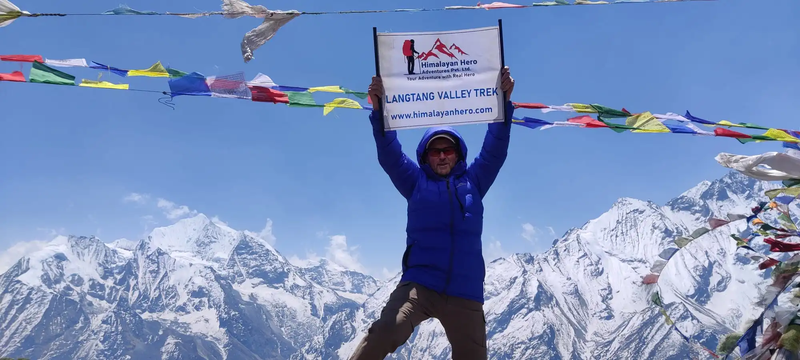
The trek usually takes 7 to 10 days depending on route, acclimatization days, and side hikes included in the itinerary. It is considered a moderate Himalayan trek suitable for beginners with decent fitness. Along the route, trekkers need the Langtang National Park Permit and TIMS card before entering the region. Spring and autumn are the best seasons because the weather stays clearer and mountain visibility becomes much better. The combination of glacier landscapes, local culture, and accessible trekking trails makes Langtang one of Nepal’s most rewarding trekking destinations.
Where Are Tserko Ri and Kyanjin Ri Located?
Tserko Ri and Kyanjin Ri are located above Kyanjin Gompa inside Langtang National Park and are the two most popular side hikes during the Langtang Valley Trek. Kyanjin Ri lies closer to the village and can be reached within a few hours, while Tserko Ri sits farther northeast at a higher altitude near 5,000 meters. When comparing tserko ri vs kyanjin ri, the main difference in location is how far and how high trekkers must climb from the main trekking trail.
Kyanjin Ri is around 2–3 kilometers from Kyanjin Gompa depending on the route taken, whereas Tserko Ri requires a longer hike of nearly 5–6 kilometers one way. Both trails are non-technical and accessible without climbing gear, but the terrain becomes steeper and rockier as altitude increases. Most trekkers start early in the morning because weather conditions can change quickly in the Himalayas. Hiring a local guide is helpful, especially during winter or low-visibility conditions, since snow and fog can sometimes make the higher trekking routes difficult to follow.
Why These Viewpoints Are Popular Among Trekkers
These viewpoints are popular among trekkers because they offer some of the best Himalayan sunrise views and panoramic mountain scenery in the Langtang region. Both hikes provide unforgettable landscapes of Langtang Lirung, glaciers, icefalls, and surrounding snow-covered peaks. During the comparison of tserko ri vs kyanjin ri, many trekkers say the viewpoints feel rewarding because they add adventure and altitude experience beyond the main Langtang Valley trail without requiring technical mountaineering skills.
Another reason these Langtang side hikes attract trekkers is because they work perfectly for acclimatization before heading to higher altitude areas. Kyanjin Ri is ideal for a shorter morning or sunset hike, while Tserko Ri suits trekkers wanting a full-day Himalayan panorama trek. Photographers also love these viewpoints because changing mountain light during sunrise creates dramatic glacier and valley scenery. In clear weather, the visibility stretches across multiple Himalayan ranges, making both viewpoints some of the most photogenic spots in the Langtang trekking region.
Tserko Ri Overview
Tserko Ri is one of the highest and most rewarding viewpoints in the Langtang Valley Trek, reaching an altitude of around 4,984 meters above sea level. The hike starts from Kyanjin Gompa and is famous for its dramatic Langtang mountain views, glacier landscapes, and peaceful high-altitude trails. While comparing tserko ri vs kyanjin ri, many trekkers consider Tserko Ri more adventurous because the route feels longer, quieter, and physically more demanding than other Langtang side hikes.
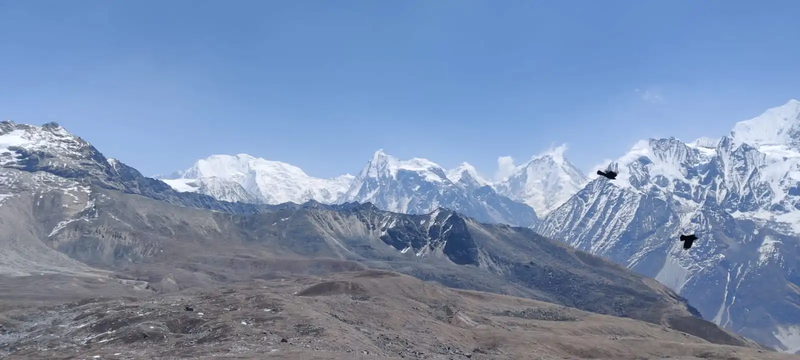
The trail gradually climbs through yak pastures, rocky ridges, and open alpine terrain before reaching the summit viewpoint. Unlike crowded trekking routes in Nepal, Tserko Ri still feels raw and less commercialized, which many trekkers really enjoy. The hike is usually done as a day trip during acclimatization in Langtang Valley and does not require technical climbing experience. However, weather changes quickly at this altitude, so carrying warm layers, water, snacks, and trekking poles becomes very important for safety and comfort during the climb.
How Difficult Is the Tserko Ri Climb?
The Tserko Ri climb is considered moderately difficult to challenging because of its steep ascent, long hiking hours, and high altitude near 5,000 meters. Most trekkers comparing tserko ri vs kyanjin ri find Tserko Ri more physically demanding due to thinner air and greater elevation gain from Kyanjin Gompa. The trail itself is not technical, but the continuous uphill climb can feel exhausting, especially for trekkers who are not fully acclimatized during the Langtang Valley Trek.
The round-trip hike usually takes around 6 to 8 hours depending on pace, weather, and fitness level. Trekkers gain more than 1,000 meters in elevation during the climb, so proper acclimatization is very important before attempting the summit. People with good cardio fitness and previous trekking experience generally handle the route better. Starting early in the morning helps avoid strong afternoon winds and changing weather conditions. Carrying enough water, snacks, sunscreen, and layered clothing can make the Tserko Ri hike difficulty feel much more manageable on the trail.
What Views Can You Expect from Tserko Ri?
Tserko Ri offers some of the best panoramic Langtang mountain views in the entire Langtang region, especially during sunrise on clear days. From the summit, trekkers can see massive Himalayan peaks like Langtang Lirung, Dorje Lakpa, Yala Peak, and several surrounding glaciers covered in snow. When discussing tserko ri vs kyanjin ri, many trekkers choose Tserko Ri specifically because the viewpoint feels wider, higher, and more dramatic compared to lower viewpoints around Kyanjin Valley.
The sunrise experience from Tserko Ri is one of the biggest highlights of the hike. Early morning sunlight slowly hits the snow-covered mountains and creates golden colors across the glaciers and rocky ridges. During autumn and spring, visibility is usually excellent, allowing trekkers to enjoy uninterrupted Himalayan scenery for hours. Photographers especially love the viewpoint because the high elevation provides open landscapes in every direction. The peaceful environment and untouched mountain terrain make the entire hike feel incredibly rewarding after the long uphill climb.
Best Time to Hike Tserko Ri
The best time to hike Tserko Ri is during spring (March to May) and autumn (September to November) because the weather stays more stable and mountain visibility becomes much clearer. During these seasons, trekkers comparing tserko ri vs kyanjin ri often choose Tserko Ri for its famous sunrise views and crisp Himalayan landscapes. The trail conditions also remain safer with less snow, fewer landslides, and better overall trekking accessibility throughout the Langtang Valley route.
Spring brings blooming rhododendron forests and slightly warmer temperatures, while autumn offers dry weather and excellent visibility after the monsoon season ends. Winter hikes are possible, but heavy snow and freezing temperatures can make the trail difficult above Kyanjin Gompa. Monsoon season is less recommended because clouds, rain, and slippery paths reduce visibility and increase trekking risks. If you’re planning the trip, this guide on the best time for the Langtang Valley Trek can help you understand seasons more clearly.
Regardless of the season, mornings usually give the clearest views of the Langtang mountains, so most trekkers start the Tserko Ri sunrise hike before dawn to avoid afternoon weather changes.
Kyanjin Ri Overview
Kyanjin Ri is one of the most popular and accessible viewpoints in the Langtang Valley Trek, located just above Kyanjin Gompa at an altitude of around 4,773 meters. The hike is known for its shorter duration, stunning mountain panorama, and beginner-friendly trail compared to higher viewpoints in the region. During the debate of tserko ri vs kyanjin ri, many trekkers prefer Kyanjin Ri because it offers incredible Himalayan scenery without requiring a very long or exhausting trekking day.
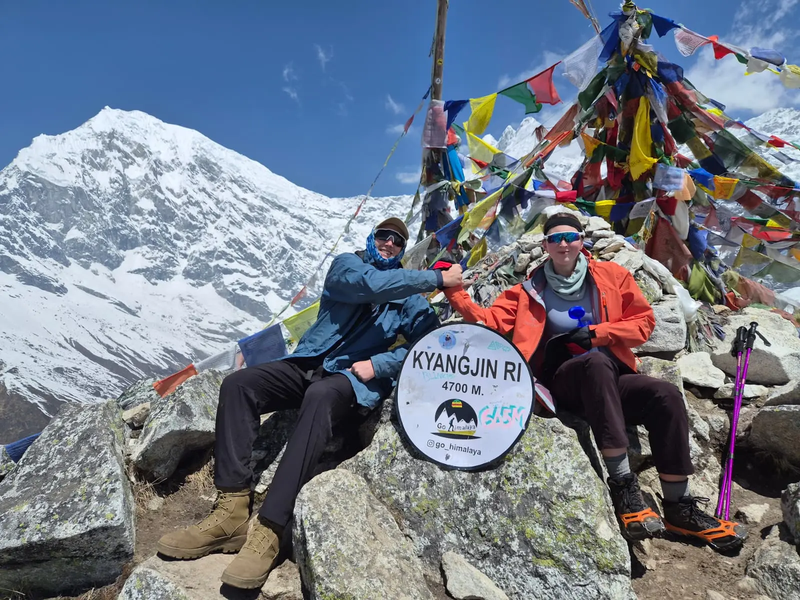
The trail climbs directly above the village through rocky ridges and open alpine terrain with clear views almost the entire way. Most trekkers complete the Kyanjin Ri hike during acclimatization days while staying in Kyanjin Gompa. Even though the route is shorter, the high altitude can still feel challenging for some people, especially near the upper viewpoint. Carrying warm clothes, enough water, and trekking poles helps make the climb safer and more comfortable, particularly during colder mornings or windy weather conditions.
Why Is Kyanjin Ri Considered the Easier Viewpoint?
Kyanjin Ri is considered the easier viewpoint because the hike is shorter, lower in altitude, and less physically demanding than Tserko Ri. Most trekkers comparing tserko ri vs kyanjin ri find Kyanjin Ri more manageable, especially beginners or those with limited trekking experience in Nepal. The climb starts directly from Kyanjin Gompa and usually takes only a few hours round trip, making it one of the best easy hikes in Langtang for acclimatization and mountain photography.
The viewpoint reaches around 4,773 meters, which is lower than the Tserko Ri altitude of nearly 5,000 meters. Because of this, trekkers often experience less fatigue and lower risk of altitude sickness during the hike. The trail is steep in some sections but remains straightforward without technical climbing or dangerous terrain. Many trekkers choose Kyanjin Ri when they have limited time in their itinerary or want a shorter acclimatization hike before continuing higher-altitude trekking adventures elsewhere in Nepal.
What Makes the Kyanjin Ri View So Special?
The Kyanjin Ri viewpoint is special because it offers close-up panoramic views of the Langtang Valley, surrounding glaciers, and snow-covered Himalayan peaks within a relatively short hike. Trekkers comparing tserko ri vs kyanjin ri often say Kyanjin Ri feels more visually dramatic because the mountains appear very close from the ridge above Kyanjin Gompa. The combination of valley scenery, glacier views, and peaceful mountain atmosphere makes this one of the most rewarding viewpoints in Langtang.
From the top, trekkers can see Langtang Lirung, icefalls, glacial rivers, and traditional stone-roof villages spread across the valley below. Sunrise and sunset are especially beautiful because golden light slowly touches the peaks and creates stunning colors across the landscape. Many photographers prefer visiting during early morning or late afternoon for softer lighting and clearer visibility. Even during a short Langtang acclimatization hike, the scenery from Kyanjin Ri feels surprisingly massive and unforgettable for most trekkers visiting the region.
Kyanjin Ri Lower Peak vs Upper Peak
Kyanjin Ri has two main viewpoints known as the lower peak and upper peak, both offering different trekking experiences and mountain perspectives. The lower viewpoint is easier and quicker to reach, while the upper peak requires additional climbing at higher altitude. During the comparison of tserko ri vs kyanjin ri, many trekkers stop at the lower Kyanjin Ri viewpoint if they want a shorter acclimatization hike with excellent Langtang mountain views and less physical strain.
The lower viewpoint sits around 4,300–4,500 meters depending on the route, while the upper Kyanjin Ri peak reaches nearly 4,773 meters above sea level. Trekkers with good energy and weather conditions usually continue to the upper section because the panorama becomes much wider and more rewarding. However, the final climb feels steeper and windier due to altitude exposure. If you are short on time or still adjusting to high altitude, the lower viewpoint still provides incredible Himalayan scenery without needing the full upper summit climb.
Tserko Ri vs Kyanjin Ri: Key Differences Explained
The main difference in tserko ri vs kyanjin ri comes down to altitude, difficulty, hiking experience, and the type of mountain scenery trekkers want during the Langtang Valley Trek. Both viewpoints begin from Kyanjin Gompa, but they offer completely different challenges and rewards. Kyanjin Ri is shorter and beginner-friendly, while Tserko Ri feels more demanding and adventurous because of its higher altitude and longer trekking route through alpine terrain.
Trekkers often compare these Langtang trekking viewpoints based on fitness level, available trekking days, and acclimatization needs. Some people prefer the easier trail and quick panoramic rewards of Kyanjin Ri, while others want the raw, high-altitude trekking Nepal experience offered by Tserko Ri. Weather, energy level, and photography goals also influence the decision. Understanding the differences between these two hikes helps trekkers choose the best viewpoint in Langtang according to their comfort, experience, and trekking expectations.
Altitude and Difficulty Comparison
Tserko Ri is higher and more physically demanding than Kyanjin Ri because it reaches nearly 4,984 meters, while Kyanjin Ri stands at around 4,773 meters above sea level. In the comparison of tserko ri vs kyanjin ri, trekkers usually feel the real difference during the final uphill section where thinner air makes every step heavier and breathing more difficult. Tserko Ri also takes more stamina because the trail is longer and keeps climbing continuously without many flat rest sections.
The Tserko Ri hike usually takes around 6–8 hours round trip, while Kyanjin Ri is shorter at about 3–5 hours depending on pace and acclimatization. Kyanjin Ri is more suitable for beginners with decent fitness, while Tserko Ri fits trekkers who are already comfortable with long high-altitude hiking days. Both are non-technical, but altitude fatigue above 4,500 meters is very real, so slow walking, hydration, and proper layering are important. If you want a deeper breakdown of trek difficulty and preparation, you can check this guide on the Langtang Valley Trek difficulty here: Langtang Valley Trek Difficulty Guide 2026.
Which Viewpoint Offers Better Mountain Views?
Tserko Ri offers wider panoramic Himalayan views, while Kyanjin Ri provides closer glacier and valley scenery above Kyanjin Gompa. During the debate of tserko ri vs kyanjin ri, photographers and trekkers often choose based on the kind of mountain landscape they personally enjoy more. Tserko Ri feels bigger and more open because of its higher altitude, whereas Kyanjin Ri creates a more dramatic close-up perspective of glaciers, rocky ridges, and the Langtang Valley below.
Tserko Ri is especially famous for sunrise hikes because the first sunlight spreads beautifully across Langtang Lirung, Dorje Lakpa, and surrounding snowy peaks. Kyanjin Ri, on the other hand, is popular for both sunrise and sunset photography due to its easier accessibility and shorter hiking time. Many trekkers say Kyanjin Ri gives quicker scenic rewards with less physical effort, while Tserko Ri feels more rewarding after the longer climb. Both viewpoints are among the best spots for Himalayan panorama trekking and mountain photography in Nepal.
Trail Experience and Crowd Levels
The trail experience between Tserko Ri and Kyanjin Ri feels very different in terms of route conditions, steepness, and overall trekking atmosphere. In the comparison of tserko ri vs kyanjin ri, Kyanjin Ri usually feels busier because most trekkers staying in Kyanjin Gompa attempt the hike during acclimatization days. The route is shorter and easier to access, making it more popular among beginner trekkers and groups exploring the Langtang Valley trail.
Tserko Ri generally feels quieter and more remote because fewer trekkers attempt the longer high-altitude route. The trail becomes steeper and more rugged as elevation increases, especially near the upper ridges where loose rocks and thin air slow down walking pace. During peak trekking seasons like spring and autumn, Kyanjin Ri may see heavier trekker traffic during sunrise hours. However, both hikes remain far less crowded compared to famous trekking regions like Everest or Annapurna, which many trekkers actually prefer for a peaceful mountain experience.
Safety and Altitude Sickness Risks
Both Tserko Ri and Kyanjin Ri involve high-altitude trekking risks, but Tserko Ri carries a slightly higher chance of altitude sickness because of its greater elevation and longer hiking duration. During the discussion of tserko ri vs kyanjin ri, beginner trekkers are usually advised to choose Kyanjin Ri first since it is lower and easier for acclimatization. Above 4,500 meters, symptoms like headache, dizziness, nausea, and shortness of breath can appear if trekkers ascend too quickly without enough rest.
Proper acclimatization is extremely important before attempting either viewpoint during the Langtang Valley Trek. Spending at least one night in Kyanjin Gompa, drinking enough water, walking slowly, and avoiding alcohol can help reduce AMS risks. Trekkers should also check weather conditions before starting because snow, fog, and strong winds can make high-altitude trails more difficult. Kyanjin Ri is generally considered the safer option for beginners, while Tserko Ri is better suited for trekkers with stronger fitness and previous high-altitude trekking experience in Nepal.
What Type of Trekker Should Choose Tserko Ri?
Tserko Ri is best suited for trekkers who enjoy challenging mountain hikes, longer trekking days, and high-altitude adventure during the Langtang Valley Trek. When comparing tserko ri vs kyanjin ri, Tserko Ri is usually chosen by people looking for a more physically rewarding Himalayan trekking experience above 4,900 meters. The route demands better stamina and mental endurance because the climb becomes steep, exposed, and tiring as altitude increases near the summit ridge.
Trekkers who already have experience with high-altitude trekking in Nepal often enjoy the quieter trails and wider panoramic mountain scenery offered by Tserko Ri. The hike also suits photographers and adventure seekers who want dramatic sunrise views over Langtang Lirung, glaciers, and snow-covered peaks. Since the route takes around 6–8 hours round trip, trekkers should feel comfortable walking for long periods on rocky alpine terrain. Proper acclimatization, layered clothing, hydration, and a slow trekking pace are really important for completing the hike safely.
Best for Adventure Seekers and Experienced Hikers
Tserko Ri is best for adventure seekers and experienced hikers because the climb offers a more demanding and remote high-altitude trekking experience in the Langtang region. In the discussion of Tserko Ri vs. Kyanjin Ri, experienced trekkers often prefer Tserko Ri for its longer hiking hours, steeper ascent, and rewarding Himalayan panorama from nearly 5,000 meters. The trail feels less crowded and more adventurous compared to shorter acclimatization hikes around Kyanjin Gompa.
The route involves a significant elevation gain in a single day, which can feel exhausting for people not used to trekking at altitude. Strong cardio fitness, previous trekking experience, and proper acclimatization help a lot during the climb. Many trekkers start before sunrise to avoid afternoon wind and changing weather conditions on exposed ridges. Even though no technical climbing skills are required, the long hiking day and thinner air make Tserko Ri more suitable for trekkers who enjoy physically challenging mountain trails in Nepal.
Who Should Avoid Tserko Ri?
Beginners with limited acclimatization or trekkers short on time should avoid Tserko Ri because the hike can feel very demanding at high altitude. During the comparison of Tserko Ri vs. Kyanjin Ri, Kyanjin Ri is usually considered the safer and easier option for less experienced trekkers. Since Tserko Ri reaches almost 5,000 meters, people who are not properly acclimatized may struggle with altitude sickness symptoms such as headaches, dizziness, or unusual fatigue during the climb.
Trekkers with tight itineraries may also find the hike difficult because it requires a full day of walking and enough recovery time afterward. Weather conditions can change quickly in the Langtang Valley, especially during winter and late afternoons, making the route more tiring and risky. If someone is new to high-altitude trekking Nepal or unsure about their fitness level, choosing Kyanjin Ri first is usually a smarter decision. A shorter acclimatization hike can still provide amazing mountain views without pushing the body too hard.
Who Should Climb Kyanjin Ri Instead?
Kyanjin Ri is the better choice for trekkers who want a shorter, easier, and more beginner-friendly Himalayan hiking experience during the Langtang Valley Trek. In the comparison of tserko ri vs kyanjin ri, many first-time trekkers prefer Kyanjin Ri because the route is less physically demanding and easier to complete within a half day. The hike still reaches a high altitude above 4,700 meters, but the shorter trekking duration makes it more manageable for people still adjusting to mountain conditions.
Trekkers with limited time in their itinerary also choose Kyanjin Ri because it fits easily into a standard Langtang trekking schedule without needing a full extra day. The trail begins directly from Kyanjin Gompa and provides quick access to panoramic Himalayan scenery, glaciers, and valley views. Even though the hike is easier than Tserko Ri, proper acclimatization, hydration, and slow pacing are still important because altitude sickness can affect anyone above 4,500 meters in the Langtang region.
Perfect for Beginners and Short Treks
Kyanjin Ri is perfect for beginners and short treks because the route offers a rewarding mountain experience without requiring extreme physical endurance. During the debate of tserko ri vs kyanjin ri, beginner trekkers often choose Kyanjin Ri since the hike is shorter, safer, and easier to complete while acclimatizing in the Langtang Valley. The trail is steep in some areas, but overall it remains one of the most accessible high-altitude hikes in Nepal for first-time Himalayan trekkers.
Most trekkers complete the round-trip hike within 3–5 hours depending on fitness level and weather conditions. This makes it ideal for travelers who want impressive mountain views without spending an entire day climbing at altitude. The route is commonly used as a Langtang acclimatization hike before attempting more demanding trails or returning back toward lower villages. Carrying warm layers, drinking enough water, and walking slowly can help beginners enjoy the trek more comfortably while reducing altitude-related fatigue on the climb.
Why Kyanjin Ri Is Ideal for Photography Lovers
Kyanjin Ri is ideal for photography lovers because the viewpoint offers dramatic glacier, valley, and Himalayan mountain compositions within a relatively short hiking distance. In the comparison of tserko ri vs kyanjin ri, photographers often prefer Kyanjin Ri for its easier access during sunrise and sunset when lighting conditions become most beautiful. The viewpoint sits directly above Kyanjin Gompa, giving clear views of snowy peaks, glacial rivers, yak pastures, and the wide Langtang Valley below.
The shorter hiking time allows trekkers to reach the viewpoint early in the morning or late in the afternoon without dealing with an exhausting full-day climb. During golden hour, sunlight reflects beautifully across Langtang Lirung and nearby glaciers, creating stunning landscape photography opportunities. Spring and autumn usually provide the clearest visibility and best weather for photography in the Langtang region. Even beginner photographers can capture impressive Himalayan panorama shots from Kyanjin Ri because the scenery changes beautifully from almost every section of the trail.
Yes, you can climb both Tserko Ri and Kyanjin Ri during the Langtang Valley Trek if you have enough time, good fitness, and proper acclimatization. In the comparison of tserko ri vs kyanjin ri, many trekkers actually choose to do both hikes because they offer completely different perspectives of the Langtang region. Both viewpoints start from Kyanjin Gompa, so it becomes easy to plan them within a single itinerary.
Doing both hikes gives a complete high-altitude trekking experience, starting with the easier Kyanjin Ri and later attempting the more challenging Tserko Ri. However, proper rest, hydration, and slow pacing are very important because both hikes go above 4,500 meters. Trekkers should also consider weather conditions and energy levels before attempting both viewpoints to avoid fatigue or altitude sickness during the trek.
Suggested Itinerary for Doing Both Hikes
A good acclimatization strategy is to first spend at least one night in Kyanjin Gompa before attempting any viewpoint hike. Most trekkers start with Kyanjin Ri on the first day because it is shorter and helps the body adjust to altitude gradually. After a rest day or light activity around the village, Tserko Ri can be attempted for a more challenging full-day hike. This approach works well for balancing energy and reducing altitude-related risks.
Recommended rest days are very important in the Langtang Valley Trek because both viewpoints require walking above 4,500 meters. Trekkers should avoid rushing both hikes on the same day or without proper recovery time. Energy management tips include walking slowly, drinking plenty of water, eating light but nutritious meals, and avoiding alcohol during the trek. Carrying warm layers, snacks, and trekking poles also helps maintain stamina during long uphill sections on both trails.
Which One Should You Do First?
Kyanjin Ri should be done first because it helps the body adjust to altitude gradually before attempting the more difficult Tserko Ri climb. In the tserko ri vs kyanjin ri comparison, this order is widely recommended by guides since Kyanjin Ri is shorter, easier, and less tiring on the first acclimatization day. Starting with a lighter hike allows trekkers to understand how their body responds above 4,000 meters in the Langtang region.
After completing Kyanjin Ri and resting properly, Tserko Ri becomes safer and more manageable for most trekkers. Recovery considerations are important because high-altitude fatigue can build up quickly if both hikes are done without enough rest. Spending an extra night in Kyanjin Gompa helps improve oxygen adjustment and reduces AMS risk. This simple order, Kyanjin Ri first, then Tserko Ri, gives the best balance of safety, enjoyment, and mountain experience during the trek.
Best Season for Tserko Ri and Kyanjin Ri
The best season for tserko ri vs kyanjin ri hikes is spring and autumn because these seasons offer stable weather, clear Himalayan views, and safer trekking conditions in the Langtang Valley. Both viewpoints depend heavily on visibility, so choosing the right season makes a big difference in your experience. During peak trekking months, the trails around Kyanjin Gompa are also more accessible and enjoyable for acclimatization hikes.
Seasonal changes in Langtang weather can strongly affect trail safety, mountain views, and trekking comfort. Spring brings colorful landscapes and rhododendron forests, while autumn offers the clearest skies and best photography conditions. Winter and monsoon seasons are less ideal due to snow, rain, and unpredictable trail conditions. Understanding Nepal trekking seasons helps trekkers choose the safest and most rewarding time for both Kyanjin Ri and Tserko Ri hikes.
Spring Trekking Conditions
Spring is one of the best times for Langtang trekking because the weather stays stable and visibility improves after winter ends. During this season, trekkers can enjoy blooming rhododendron forests along the lower trails before reaching higher viewpoints. In the tserko ri vs. Kyanjin Ri comparison, Spring is especially popular because both hikes offer clear Himalayan views without extreme cold or heavy snowfall blocking the routes.
Temperatures are moderate during the day, making long hikes more comfortable compared to winter conditions. Mountain visibility is generally good, especially in the mornings when skies are clear. However, afternoons can bring occasional clouds, so early starts are recommended for both viewpoints. Spring is also less crowded than autumn in some parts of the Langtang Valley, giving trekkers a more peaceful experience while enjoying the natural beauty and alpine scenery along the trekking route.
Autumn Mountain Views and Clear Skies
Autumn is considered the peak trekking season in Nepal and is often the best time for tserko ri vs kyanjin ri hikes because of crystal-clear skies and excellent mountain visibility. After the monsoon season, dust and humidity reduce, creating perfect conditions for photography and panoramic Himalayan views. Trails around Kyanjin Gompa become busy but highly rewarding during this time.
The weather is stable, dry, and ideal for long trekking days with minimal risk of rain or landslides. This season is especially loved by photographers because sunrise and sunset light create sharp contrasts on snow-covered peaks like Langtang Lirung and surrounding glaciers. Since visibility is at its best, both Kyanjin Ri and Tserko Ri offer unforgettable panoramic views. Autumn is also the safest season for high-altitude trekking in Nepal due to predictable weather conditions and well-maintained trails.
Winter and Monsoon Challenges
Winter and monsoon seasons bring more challenges for trekking to Tserko Ri and Kyanjin Ri due to harsh weather conditions and reduced visibility. During winter, heavy snowfall can block higher trails, especially near Tserko Ri, making the hike more difficult and sometimes risky. In the tserko ri vs kyanjin ri comparison, Kyanjin Ri is slightly more manageable in winter, but both hikes require extra caution, warm gear, and proper preparation.
Monsoon season brings heavy rainfall, slippery trails, and higher chances of landslides in the lower sections of the Langtang Valley Trek. Cloud cover also blocks mountain views, reducing the overall trekking experience. River crossings and muddy paths can make travel slower and less safe. Because of these risks, most trekkers avoid visiting during monsoon months. If trekking in these seasons, hiring an experienced guide and checking Langtang weather updates becomes very important for safety and navigation.
Essential Tips Before Climbing Either Viewpoint
Before attempting tserko ri vs kyanjin ri, proper preparation is very important because both hikes go above 4,500 meters in the Langtang Valley Trek. Even though Kyanjin Ri is easier and Tserko Ri is more challenging, both require basic fitness, good acclimatization, and smart packing. These viewpoints are not technical climbs, but the altitude, weather changes, and long uphill sections can feel tough if you are not ready.
Trekkers usually stay in Kyanjin Gompa before attempting either hike, which helps the body adjust to thinner air. Planning your gear, energy, and timing can make a big difference in how enjoyable the hike feels. Simple habits like starting early, eating light meals, and staying hydrated improve performance a lot during high-altitude trekking in Nepal.
What to Pack for High-Altitude Day Hikes?
Packing correctly is very important for both Kyanjin Ri and Tserko Ri because weather can change quickly at high altitudes. When comparing tserko ri vs kyanjin ri, both hikes need almost the same essentials, even though Tserko Ri feels colder and longer near the summit. Trekking poles are very helpful because they reduce pressure on knees during steep uphill climbs and also make downhill walking much safer on rocky sections.
Warm layers are necessary because temperatures can drop suddenly, especially early in the morning or at windy ridges. A windproof jacket, gloves, thermal base layers, and a warm hat are must-have items for comfort and safety. Carrying enough water and light snacks like energy bars or dry fruits helps maintain energy during long climbs above Kyanjin Gompa. Sunscreen, sunglasses, and a small first aid kit are also important for protection from strong UV rays and minor fatigue during the trek. If you want a full checklist, you can also refer to this detailed Langtang Valley Trek packing list.
How to Prepare Physically for the Climb
Physical preparation plays a big role in enjoying both viewpoints, especially when deciding between tserko ri vs kyanjin ri. Trekkers who do regular cardio training like walking, running, or cycling find the uphill sections much easier. Since both hikes involve continuous ascent above 4,000 meters, building stamina before the trek helps reduce fatigue and breathing difficulty during the climb.
Acclimatization is equally important, so spending at least one night in Kyanjin Gompa before attempting either hike is strongly recommended. Walking slowly and keeping a steady pace is one of the best tips for high-altitude trekking in Nepal because rushing increases the risk of altitude sickness. Frequent short breaks help the body adjust better to oxygen levels. Avoiding alcohol, staying hydrated, and listening to your body are simple but effective ways to complete both Kyanjin Ri and Tserko Ri safely and comfortably.
Tserko Ri vs Kyanjin Ri Final Verdict
When it comes to tserko ri vs kyanjin ri, the final choice really depends on what kind of trekking experience you want in the Langtang Valley. Both viewpoints are amazing, but they serve different types of trekkers. Tserko Ri is more challenging, higher, and rewarding for those who want a full Himalayan adventure, while Kyanjin Ri is shorter, easier, and perfect for a relaxed acclimatization hike with great views.
If you are still confused between tserko ri vs kyanjin ri, this quick comparison table makes the differences much easier to understand. Both viewpoints are beautiful in their own way, but the right choice depends on your fitness, trekking experience, available time, and comfort with altitude. Kyanjin Ri is usually better for beginners and shorter hikes, while Tserko Ri suits trekkers looking for a bigger physical challenge and wider Himalayan panoramas.
Choose Tserko Ri If…
Choose Tserko Ri if you want the biggest challenge and a wider Himalayan panorama during your Langtang Valley trek. It is ideal for trekkers who enjoy long hiking days, steep climbs, and reaching nearly 5,000 meters for a dramatic sunrise view. In the tserko ri vs kyanjin ri comparison, Tserko Ri clearly suits experienced hikers who are comfortable with high-altitude trekking and physically demanding trails.
This option is also best if you have enough time in your itinerary and proper acclimatization days in Kyanjin Gompa. The hike feels more adventurous and less crowded, giving a raw Himalayan experience with glaciers, ridges, and open mountain landscapes. If your goal is adventure, endurance, and maximum altitude reward, Tserko Ri is the better fit for you.
Choose Kyanjin Ri If…
Choose Kyanjin Ri if you prefer a shorter, easier, and more relaxed viewpoint hike during your Langtang trekking journey. It is perfect for beginners or trekkers who want beautiful mountain scenery without a full-day high-altitude climb. In the tserko ri vs kyanjin ri comparison, Kyanjin Ri is the more accessible option and fits well into a standard acclimatization plan.
This hike is ideal if you are short on time or still adjusting to altitude in the Langtang Valley. The trail is manageable, and you still get stunning views of glaciers, valleys, and surrounding peaks without pushing your limits too much. If your priority is comfort, safety, and a rewarding but less exhausting experience, Kyanjin Ri is the smarter and more enjoyable choice for most trekkers.
Best Choice for Most Langtang Trekkers
For most trekkers, the best approach is actually doing both if time and fitness allow, starting with Kyanjin Ri and then attempting Tserko Ri later. In the tserko ri vs kyanjin ri decision, this combination gives a good balance of acclimatization, safety, and adventure in the Langtang Valley Trek. You get an easier warm-up hike first, and then a more challenging summit experience with wider Himalayan views.
However, if you have to choose only one, Kyanjin Ri is usually the safer and more practical option for most travelers. It gives strong mountain views with less physical strain, especially for beginners or people still adjusting to altitude. Tserko Ri fits better for trekkers who are confident with long high-altitude hiking days and want a tougher climb. In the end, it really depends on your fitness, time, and how you want your trekking experience to feel. You can check more general trekking information on https://himalayanhero.com/
FAQs on Tserko Ri vs Kyanjin Ri
1. Which is harder, Tserko Ri or Kyanjin Ri?
Tserko Ri is harder than Kyanjin Ri because it is higher in altitude at nearly 4,984 meters and takes longer to climb. The trail is steeper and more tiring, especially in the final section. Kyanjin Ri is easier and shorter, making it more suitable for beginners or trekkers who want a less demanding acclimatization hike during the Langtang Valley Trek.
2. How long does it take to climb Tserko Ri?
Tserko Ri usually takes around 6 to 8 hours round trip depending on your pace, weather, and fitness level. The hike starts early from Kyanjin Gompa and involves continuous uphill walking. Compared to Kyanjin Ri, it is a full-day trekking experience and requires good stamina and proper acclimatization before attempting the climb.
3. Is Kyanjin Ri worth it for beginners?
Yes, Kyanjin Ri is very worth it for beginners because it offers stunning Himalayan views without being too exhausting. The hike is shorter, safer, and perfect for adjusting to high altitude. Many trekkers use it as an acclimatization hike before going higher in the Langtang Valley Trek.
4. Can I do both Tserko Ri and Kyanjin Ri in one trip?
Yes, you can do both if you have enough time and good fitness. Most trekkers first climb Kyanjin Ri, rest, and then attempt Tserko Ri later. This helps the body adjust better to altitude and reduces fatigue during the trek. Proper rest and hydration are very important.
5. Which viewpoint has better mountain views?
Tserko Ri offers wider panoramic views of the Langtang range, including Langtang Lirung and surrounding peaks. Kyanjin Ri provides closer views of glaciers and the valley. In tserko ri vs kyanjin ri, Tserko Ri feels more expansive, while Kyanjin Ri feels more detailed and closer to the landscape.
6. Do I need a guide for Tserko Ri or Kyanjin Ri?
A guide is not strictly required, but it is highly recommended, especially for Tserko Ri. The higher altitude, changing weather, and long trail can be challenging. A guide also helps with pacing, safety, and navigation during early morning or snowy conditions.
7. What is the best time for these hikes?
The best time for both hikes is spring (March–May) and autumn (September–November). These seasons offer clear skies, stable weather, and the best mountain visibility. Winter can be snowy and cold, while monsoon season brings rain and poor visibility.
8. Is altitude sickness a risk on these hikes?
Yes, altitude sickness can be a risk because both viewpoints go above 4,500 meters. Symptoms like headache, dizziness, or fatigue may occur if you ascend too quickly. Proper acclimatization, slow walking, hydration, and rest in Kyanjin Gompa help reduce the risk significantly.