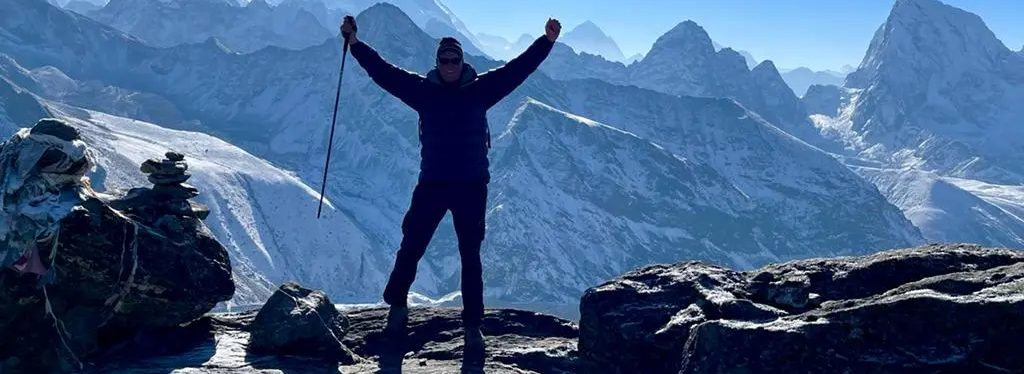
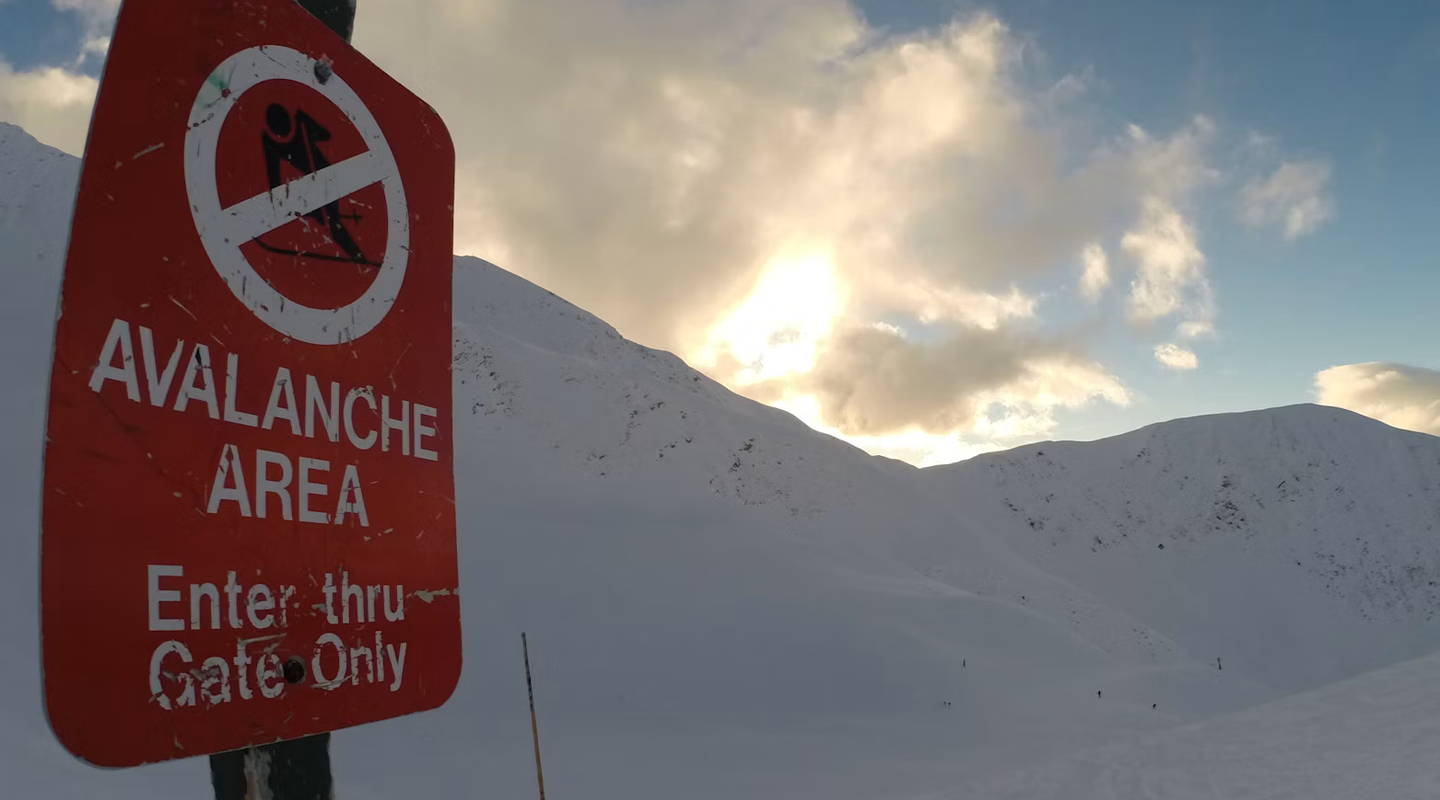
Think your trekking adventures have to end at 50? Think again. What if I told you that nearly 27% of trekkers exploring the Himalayas are between 46 and 60 years old and that number's growing every year? Nepal isn't just for twenty-somethings with something to prove; it's becoming a destination where experience, patience, and preparation matter more than your birth certificate.
In this blog about Nepal trekking for people above 50, we'll walk you through everything you need to know to make your Himalayan dream a reality. We're talking route selection that matches your fitness level, how to actually prepare your body (not just your gear), what altitude does to you, and how to handle it, plus all those practical details that separate an unforgettable journey from a regrettable one. Whether you're eyeing your first trek or your tenth, this guide's got you covered.
Is Nepal trekking suitable for people above 50
Yes, Nepal trekking is absolutely suitable for people above 50 with proper preparation and route selection. Around 27% of foreign trekkers in Nepal fall within the 46–60 age range, with growing numbers over 60 completing popular routes each year. The key factors for success are physical preparation, choosing the right itinerary with gradual altitude gain, and pacing yourself throughout the trek rather than your age.
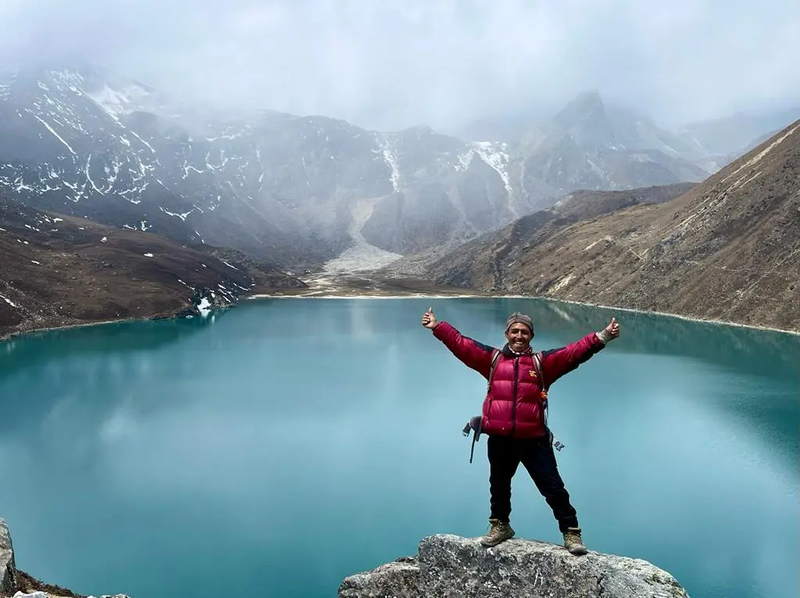
Nepal's well-developed teahouse system makes trekking accessible for older travelers. Most popular routes have comfortable lodges every few hours offering beds, meals, and rest stops, so you only carry a light daypack while porters handle heavier gear. Itineraries can include extra acclimatization days, and experienced guides trained in altitude awareness provide professional support. A fit, well-prepared 60-year-old often completes treks more comfortably than an unprepared younger trekker.
Why are more travelers over 50 choosing the Himalayas?
More travelers over 50 are choosing the Himalayas because they finally have the time and resources for extended treks without work constraints. Retirement or flexible schedules allow the two to three weeks needed for popular routes like the Everest Base Camp or Annapurna Circuit. This age group also values meaningful travel experiences over rushed itineraries, making Nepal's cultural immersion and stunning mountain scenery particularly appealing for their travel goals.
Today's 50- and 60-year-olds are generally more active than previous generations, often arriving in Nepal with decades of hiking or outdoor sports experience. They prioritize depth over speed, wanting to experience Sherpa culture, spend time at viewpoints, and connect with local communities rather than racing through checkpoints. Nepal's trekking culture rewards exactly this patient, mindful approach with richer experiences and better acclimatization.
What to expect on a Nepal trek after 50
On a Nepal trek after 50, expect to walk 4–6 hours daily with regular breaks, starting around 7:00 or 8:00 AM after breakfast and arriving at your next teahouse lodge by early afternoon. This schedule leaves plenty of time for rest, acclimatization, and exploring local villages before dinner. The terrain includes stone steps, suspension bridges, gradual ascents, and occasional steep sections on well-marked mountain trails, though these are natural paths rather than paved walkways.
The rhythm of teahouse trekking creates a surprisingly social experience. Evenings are spent in communal dining rooms sharing stories with other trekkers over dal bhat, momos, and hot tea. Accommodation is basic but comfortable with twin beds, blankets, and shared or attached bathrooms depending on the route. The pace allows older trekkers to enjoy the journey, connect with fellow travelers, and properly acclimatize to altitude while experiencing authentic mountain hospitality.
Best Nepal treks for trekkers over 50
The best Nepal treks for trekkers over 50 include Ghorepani Poon Hill, Everest View Trek, Annapurna Base Camp, Langtang Valley, and Everest Base Camp, ranging from easy 4-day routes to challenging 14-day high-altitude itineraries. Your ideal trek depends on your fitness level, previous trekking experience, altitude tolerance, and how much time you have available for proper acclimatization.
Choosing the right route from Nepal's best trekking places in Nepal is one of the most important decisions you'll make. Routes like Poon Hill stay below 3,500m with gentle terrain, while Everest Base Camp reaches 5,364m and demands serious preparation. Here's how popular options compare based on difficulty, duration, maximum altitude, and what type of trekker they suit best:
Easy treks for first-time and gentle-paced hikers
The Ghorepani Poon Hill Trek is the best easy trek for older first-timers in Nepal. This 4–5 day route reaches a maximum altitude of 3,210m and delivers spectacular sunrise views over Annapurna and Dhaulagiri without serious high-altitude challenges. The trail follows well-maintained paths through rhododendron forests and traditional Gurung villages, with comfortable teahouse lodges every few hours for rest and meals.
The Everest View Trek offers a gentle introduction to the Khumbu region with views of Everest itself while staying below 4,000m. This 7–9 day itinerary includes the famous Namche Bazaar and Tengboche Monastery, giving you authentic Sherpa culture and mountain scenery without extreme altitude. It's perfect for trekkers over 50 who want the Everest experience with manageable elevation gain and a comfortable pace throughout the journey.
Moderate treks with built-in acclimatization days
The Annapurna Base Camp Trek is a moderate 10–12 day route that reaches 4,130m with natural acclimatization built into the itinerary. The trail gradually gains altitude through terraced farmland, bamboo forests, and alpine meadows, allowing your body to adjust comfortably. Most itineraries include rest days at Chhomrong or Deurali, giving older trekkers time to recover and enjoy the stunning mountain amphitheater at base camp.
Langtang Valley is an excellent moderate trek that's less crowded than Annapurna or Everest routes. This 7–10 day journey reaches a manageable 3,870m and passes through culturally rich Tamang villages with traditional stone houses and Buddhist monasteries. The valley offers close-up mountain views, fewer trekkers on the trail, and a gentler pace that suits older hikers looking for authentic cultural immersion alongside natural beauty.
Classic high-altitude treks for experienced hikers
Everest Base Camp is achievable for fit trekkers over 50 with proper preparation and prior high-altitude experience. This classic 12–14 day route reaches 5,364m and demands genuine cardiovascular fitness, mental resilience, and careful acclimatization. The itinerary includes multiple rest days at Namche Bazaar and Dingboche to help your body adjust to the thinning air before pushing to base camp.
Success on this trek requires a strong Everest Base Camp training plan starting 3–6 months before departure. You'll need experience with multi-day hiking at altitude, the ability to walk 5–7 hours daily on steep terrain, and confidence managing altitude symptoms. Many trekkers over 50 complete this route successfully each year by choosing longer itineraries with extra acclimatization days, hiring experienced guides, and maintaining a slow, steady pace throughout the journey.
Best time of year to trek in Nepal for older travelers
Spring trekking conditions
Spring (March to May) offers warming temperatures and blooming rhododendrons, making it an excellent time for trekkers over 50 in Nepal. The weather is generally stable with clear mornings perfect for mountain views, though afternoon clouds can roll in at higher altitudes. Temperatures range from comfortable at lower elevations to cool but manageable above 3,500m, and the colorful rhododendron forests are particularly spectacular on Annapurna region trails.
Trail crowds are moderate during spring, giving you a good balance between social interaction at teahouses and peaceful hiking. The season is ideal for older trekkers who prefer milder temperatures and don't mind occasional afternoon cloud cover. Permits are readily available, teahouses are fully operational, and guides are experienced from the busy autumn season, making logistics smooth and straightforward for your Nepal trekking adventure.
Autumn trekking conditions
Autumn (September to November) is Nepal's premier trekking season with the clearest mountain views and most stable weather conditions. After the monsoon clears, you'll experience crisp air, brilliant blue skies, and exceptional visibility of the Himalayan peaks. Daytime temperatures are comfortable for hiking, though mornings and evenings get cold at altitude, especially above 4,000m where you'll need warm layers for teahouse evenings.
The tradeoff for perfect weather is higher trail traffic and busier teahouses, particularly on popular routes like Everest Base Camp and Annapurna Circuit. Booking accommodations and flights in advance is essential during peak autumn months. For older trekkers, the reliable weather and excellent trail conditions outweigh the crowds, and the social atmosphere at lodges creates memorable evenings sharing stories with fellow adventurers from around the world.
Winter and monsoon tradeoffs
Winter trekking (December to February) is possible at lower altitudes but brings cold temperatures and snow above 3,500m that can make trails challenging. Routes like Ghorepani Poon Hill and lower Langtang remain accessible with proper cold-weather gear, while high passes and base camps become difficult or dangerous. Teahouses stay open on popular trails, but some higher-altitude lodges close for the season, limiting your itinerary options.
Monsoon season (June to August) brings heavy rain, leeches on lower trails, and serious landslide risks that make trekking generally not recommended for older travelers. Trails become slippery and dangerous, mountain views disappear behind clouds, and the humidity makes hiking uncomfortable. If you must trek during monsoon, consider rain-shadow areas like Upper Mustang or Dolpo, though these require special permits and are more remote with limited emergency support options.
Health, fitness, and altitude considerations above 50
Your health and fitness directly impact your trekking experience in Nepal, especially when you're over 50. Understanding what your body needs from cardiovascular endurance to altitude acclimatization helps you prepare properly and trek safely. This section covers the fitness baseline you'll need, how altitude affects older trekkers, and why a pre-trip medical check matters more than you might think.
Fitness level needed for senior trekkers
The baseline fitness requirement for Nepal trekking over 50 is the ability to walk uphill for 4–6 hours on consecutive days with a light daypack. If you can comfortably hike 10–15 kilometers on hilly terrain without excessive fatigue, you're likely ready for moderate treks like Annapurna Base Camp or Langtang Valley. Your cardiovascular endurance matters more than raw strength, as trekking demands sustained aerobic effort rather than explosive power.
Start training 3–6 months before your trek with regular hiking, walking, cycling, or swimming to build your aerobic base. Practice on stairs, hills, or inclined treadmills to simulate uphill climbing, and gradually increase duration and elevation gain. If you can complete a 3-hour hike with 500m elevation gain while maintaining conversation, you have sufficient fitness for most Nepal treks. Remember that proper pacing and acclimatization often matter more than peak fitness for older trekkers.
Altitude sickness risk and prevention
Acute Mountain Sickness (AMS) can affect anyone regardless of age or fitness level when trekking above 2,500m in Nepal. Interestingly, age itself isn't a risk factor for altitude sickness some research suggests older trekkers may actually acclimatize better because they're more willing to pace themselves and listen to their bodies. Common mild symptoms include headache, fatigue, mild nausea, and difficulty sleeping, while serious warning signs include severe headache, confusion, and breathlessness at rest.
Prevention focuses on gradual ascent, proper hydration (3–4 liters daily), and adequate rest days built into your itinerary. The golden rule is "climb high, sleep low" and never ascend more than 500m per day above 3,000m. Diamox (acetazolamide) is a preventive medication worth discussing with your doctor before departure, especially for treks reaching above 4,000m. If symptoms develop, communicate immediately with your guide descending even 300–500m often brings rapid relief, and following proper acclimatization protocols prevents minor issues from becoming serious emergencies.
Medical clearance and pre-trip health check
A pre-trip medical consultation is strongly recommended for trekkers over 50, especially those with heart conditions, respiratory issues, high blood pressure, or joint problems. Your doctor can assess whether high-altitude trekking is safe for your specific health situation and may recommend cardiac stress tests or lung function tests before departure. Travel health clinics specializing in altitude medicine can provide specific advice on medication adjustments, altitude risks, and emergency protocols tailored to your medical history.
Inform your trekking guide about any medical conditions, medications, or physical limitations before starting your trek so they can adjust pacing and monitor symptoms appropriately. Bring comprehensive travel insurance that covers high-altitude trekking and helicopter evacuation without age exclusions, as standard policies often cap coverage at 4,000m or exclude seniors. Carry all prescription medications with extra supply, along with documentation from your doctor, and consider altitude sickness medication like Diamox if your doctor recommends it for your itinerary and health profile.
How to prepare physically and mentally for Nepal trekking above 50
To prepare physically and mentally for Nepal trekking above 50, you'll need to build cardiovascular endurance, leg strength, and mental resilience through a structured 3–6 month training plan before departure. Your body needs the stamina to walk 4–6 hours daily on steep terrain at altitude, while your mind needs patience to maintain a slow, steady pace and realistic expectations about daily progress. This preparation period allows you to test gear on practice hikes, strengthen joints and muscles gradually, and develop the confidence that separates comfortable trekking from constant struggle on the trail.
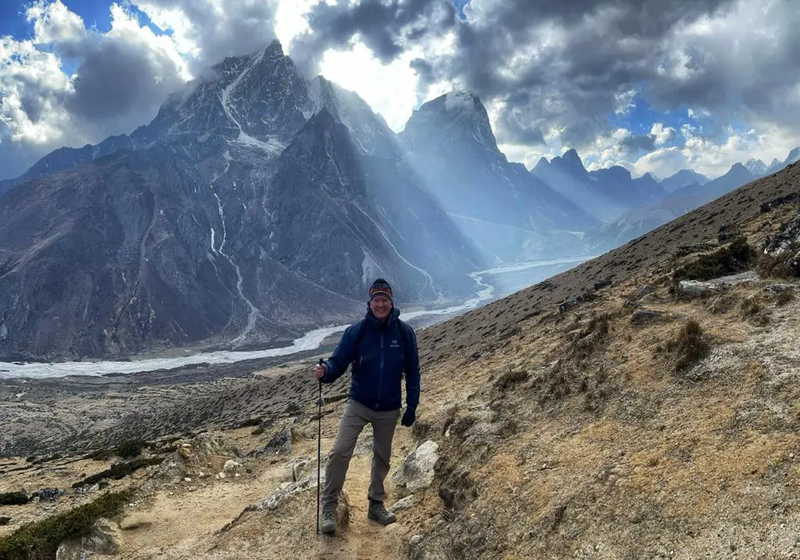
Mental preparation matters as much as physical fitness for older trekkers in the Himalayas. Training yourself to walk at a conversational pace, accept rest days without guilt, and listen to your body's warning signs builds the psychological foundation for safe acclimatization and enjoyable trekking. Practice hiking with a loaded daypack on hills, gradually increasing duration and elevation gain, while developing the patient mindset that allows you to appreciate the journey rather than racing to checkpoints like younger trekkers often do.
1. Build cardiovascular endurance
Start training 3–6 months before your trek. Walking, swimming, and cycling all build the aerobic base you'll need. Aim for 30–60 minutes of sustained cardio activity 4–5 times per week.
2. Strengthen legs, knees, and core
Squats, lunges, and step exercises build leg strength for uphill climbs. Knee stability matters equally for descents this is where many trekkers struggle.
3. Practice loaded hiking on hills
The best preparation is hiking with a weighted daypack on hilly terrain. Start with 5–7 kg and gradually increase.
4. Train mental resilience and pacing
Mental preparation matters as much as physical. Practice patience with a slow, steady pace during training hikes.
What essential gear do older trekkers need for Nepal
Older trekkers need broken-in hiking boots with ankle support, moisture-wicking base layers, insulating mid-layers, waterproof outer shells, quality trekking poles, and a comfortable daypack for Nepal treks. The right gear prioritizes joint protection, temperature regulation, and comfort over weight savings, as your knees, back, and body need reliable support on steep Himalayan trails with daily elevation changes of 500–1,000 meters.
Trekking poles are essential rather than optional for trekkers over 50, reducing knee strain by up to 25% on descents and improving balance on uneven stone steps and suspension bridges. Pack all prescription medications with extra supply, a basic first aid kit with blister care, altitude medication if prescribed by your doctor, water purification tablets, and a headlamp for early morning starts. Proper layering matters more than expensive geartemperatures can swing from 20°C in sunny valleys to -10°C at high-altitude teahouses within the same day.
Footwear and layered clothing
Broken-in hiking boots with ankle support are essential. Bring moisture-wicking base layers, warm insulating mid-layers, and a waterproof outer shell.
Trekking poles and knee support
Trekking poles reduce knee strain on descents and improve balance on uneven terrain. For older trekkers, they're essential rather than optional.
Personal medication and health kit
Pack all prescription medications with extra supply, basic first aid, blister care, altitude medication if prescribed, and water purification tablets.
Pace, itinerary, and acclimatization tips for trekkers over 50
Getting your pacing and itinerary right makes the difference between a memorable trek and a miserable one, especially for older trekkers. The secret isn't pushing harder, it's planning smarter with longer itineraries, built-in rest days, and a pace that lets your body adjust to altitude naturally. Here's how to structure your trek for comfort, safety, and actually enjoying the journey instead of just surviving it.
1. Choose longer itineraries with extra rest days
A 16-day Everest Base Camp itinerary with additional acclimatization stops is more comfortable than a rushed 12-day version. The extra cost is minimal compared to the benefit.
2. Walk slow and hydrate often
Walking at a pace where you can hold a conversation is the single best altitude strategy. Drink 3–4 liters of water daily.
3. Eat carbohydrate-rich meals at altitude
Your body needs fuel at altitude, even when appetite decreases. Dal bhat (lentils and rice) is ideal trekking food.
4. Listen to early warning signs
Communicate any symptoms to your guide immediately. Descending is always an option; following proven safety practices can prevent minor issues from becoming serious.
Accommodation, food, and comfort on the trail
Teahouses are mountain lodges offering basic but comfortable accommodation. Rooms typically include twin beds with mattresses and blankets. Shared bathrooms are standard, though some lodges on popular routes offer attached facilities.
Food is hearty and reliable dal bhat, momos, soups, and egg dishes form the core menu. Prices increase with altitude.
Guides, porters, and safety support for senior trekkers
A licensed guide brings route expertise, altitude sickness recognition, and emergency protocols. A porter carries your main luggage, allowing you to walk with a light daypack only.
- Guide benefits: Route knowledge, altitude monitoring, emergency coordination
- Porter advantages: You carry only 3–5 kg instead of 10–15 kg
- Emergency support: Satellite communication, helicopter evacuation coordination if needed
Cost of a senior-friendly Nepal trek
A standard guided trek with a guide, porter, accommodation, meals, permits, and internal transport typically ranges from $1,400 to $2,500 for popular routes. For the most popular high-altitude option, see the full Everest Base Camp trek cost breakdown.
- Basic inclusions: Guide, porter, accommodation, meals, permits, internal transport
- Optional upgrades: Private rooms, better lodges, domestic flights
- Price factors: Trek region, season, group size, customization level
Customized itineraries with extra rest days cost more upfront but deliver better value through improved comfort, safer acclimatization, and a more enjoyable trekking experience overall.
Planning your Nepal adventure with confidence after 50
Age is not a barrier to Nepal trekking when preparation and support are in place. The key factors are choosing an appropriate route, preparing physically, working with an experienced operator, and pacing yourself on the trail.
The Himalayas reward patience. Older trekkers often have better experiences than younger ones precisely because they're willing to take their time and listen to their bodies.
Explore our fully inclusive packages Himalayan Hero specializes in customized treks with flexible pacing and professional support for travelers of all ages.
Frequently asked questions about Nepal trekking above 50
Is there an upper age limit for trekking in Nepal?
Nepal has no official upper age limit. Travelers in their 60s, 70s, and even 80s complete treks successfully each year with proper preparation and pacing.
What travel insurance do trekkers over 50 need for Nepal?
Senior trekkers benefit from comprehensive travel insurance covering high-altitude trekking, helicopter evacuation, and without age exclusions. Many standard policies exclude altitude above 4,000m or have age caps.
Can someone with hypertension or arthritis trek in Nepal?
Many trekkers with managed hypertension or mild arthritis complete Nepal treks successfully. Medical clearance from your doctor is essential, and informing your guide of any conditions before departure helps with planning.
Is a private trek better than a group trek for older travelers?
Private treks allow fully customized pacing and extra rest days. Group treks offer social camaraderie and lower costs. Both work well depending on your preference.
Are helicopter tours or mountain flights alternatives to trekking?
Yes. Scenic mountain flights from Kathmandu and helicopter tours to Everest Base Camp provide Himalayan views without trekking excellent options for those with mobility limitations or limited time.