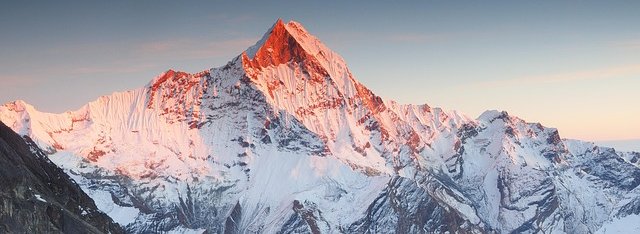
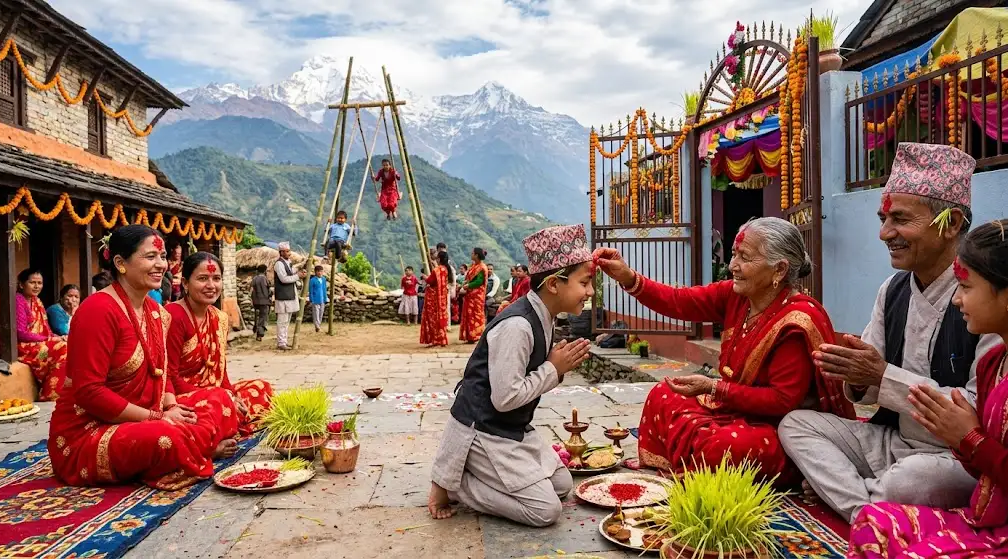
The Annapurna Base Camp trek is one of the most rewarding trekking experiences in the world — and one of the most accessible serious Himalayan routes available in Nepal. In just 12 days, you travel from Kathmandu through terraced farmland, Gurung villages, dense rhododendron forest, and a dramatic mountain gorge before arriving at the Annapurna Sanctuary — a 360-degree amphitheatre of some of the highest peaks on Earth.
This guide covers the complete day-by-day ABC trek itinerary, including daily distances, walking times, elevation data, and everything you need to plan your 2026 trek with full confidence.
- Total duration: 12 days (Kathmandu arrival to departure)
- Active trekking days: 8 days on trail
- ABC altitude: 4,130m (13,550 ft) above sea level
- Total trekking distance: approximately 80–90 km round trip
- Difficulty: Moderate — no technical climbing required
Whether this is your first Himalayan trek or your fourth, the ABC trek route delivers an experience that consistently exceeds expectations. If you are ready to plan the details, our [Annapurna Base Camp Trek package] covers permits, departures, and full inclusions.
How Many Days Does the ABC Trek Take?
One of the most common questions before booking is simple: how many days for the ABC trek?
Our standard itinerary runs 12 days total — including one arrival day in Kathmandu, one drive day to Pokhara, eight active trekking days, one drive back to Kathmandu, and one final rest and departure day. The 8 days of actual trekking cover approximately 80–90 km round trip at a well-paced schedule designed to allow proper acclimatisation.
How does this compare to other itinerary lengths?
The 7-day trekking option is possible — it removes the Ghandruk cultural stage and rushes the lower valley. It works for experienced trekkers with tight schedules but is not recommended for first-timers who need the gradual acclimatisation that Ghandruk and Chhomrong provide.
The 10-day trekking option adds one or two rest days — at Chhomrong or Deurali — and suits trekkers who want a slower, more relaxed pace with extra buffer for weather.
Our 12-day total package is the sweet spot. It includes proper daily elevation gains, the full cultural experience at Ghandruk and Chhomrong, the Jhinu Danda hot springs reward on the descent, and a practical buffer day at the end.
- 7-day trekking option: Faster pace, less cultural immersion, not ideal for beginners
- 10-day trekking option: Additional rest days, slower and more relaxed
- 12-day total (our standard): Optimal pacing, full route, proper acclimatisation
- How long does the ABC trek take in walking hours: approximately 44–46 hours total
Annapurna Base Camp Trek Route Overview
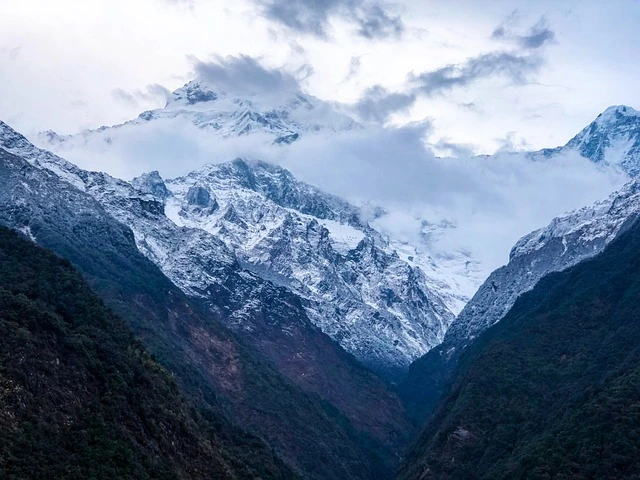
The ABC trek route follows the Modi Khola river valley northward from Nayapul, rising steadily through subtropical forest, terraced farmland, Gurung and Tamang villages, and an increasingly dramatic gorge before opening into the Annapurna Sanctuary at 4,130m.
It is an out-and-back route with a descent variation — the return journey uses Jhinu Danda rather than retracing through Ghandruk, adding variety and the famous natural hot springs reward at the end.
Key villages along the ABC trekking route:
- Nayapul (1,070m) — ABC trek starting point, reached by road from Pokhara
- Ghandruk (1,990m) — largest Gurung village on the route, cultural centrepiece
- Chhomrong (2,210m) — last major village before the Annapurna Sanctuary corridor
- Bamboo (2,350m) — forest teahouse zone, gateway to the upper gorge
- Deurali (3,140m) — first full view of the Annapurna massif opens here
- MBC — Machhapuchhre Base Camp (3,700m) — sacred Fishtail peak directly above
- ABC — Annapurna Base Camp (4,130m) — the destination, the full 360-degree sanctuary
Day-by-Day ABC Trek Itinerary
Day 1: Arrival in Kathmandu (1,360m)
Your Annapurna Base Camp adventure begins the moment you land in Kathmandu — Nepal's capital at 1,360m above sea level. Day 1 is a preparation and orientation day. Use the time to meet your guide, complete permit paperwork, exchange currency, do a final gear check, and rest after your international flight.
- Altitude: 1,360m
- Activity: Arrival, pre-trek briefing, gear check, permit arrangement
- Permits handled by your agency: ACAP permit and TIMS card
- Overnight: Hotel in Kathmandu
Day 2: Drive Kathmandu to Pokhara (910m) — 6 Hours
An early morning departure by tourist bus or private vehicle takes you from Kathmandu to Pokhara — Nepal's lakeside trekking hub and the gateway to all Annapurna region routes. The Prithvi Highway follows the Trishuli River through Nepal's middle hills for approximately 200 km.
- Travel time: 6 hours by bus, 4 hours by private vehicle
- Altitude: 910m
- Activity: Travel day — afternoon free to rest or explore Lakeside Pokhara
- Overnight: Hotel in Pokhara
Day 3: Pokhara to Ghandruk (1,990m) — 5 Hours Walking
The ABC trek officially begins. After an early morning drive from Pokhara to Nayapul (approximately 1–1.5 hours), you start walking. The trail rises through terraced rice fields and subtropical forest into Ghandruk — one of the largest and most architecturally significant Gurung villages in the Annapurna region and one of the finest viewpoints for Annapurna South and Hiunchuli.
- ABC trek starting point: Nayapul (1,070m) — road head, reached by vehicle from Pokhara
- Destination: Ghandruk (1,990m)
- Walking time: 5 hours
- Elevation gain: approximately 920m from Nayapul
- Nayapul to ABC distance (full one-way route): approximately 44–48 km
- Ghandruk to ABC distance (remaining from here): approximately 32 km
- Overnight: Teahouse in Ghandruk
Day 4: Ghandruk to Chhomrong (2,210m) — 5 Hours Walking
The trail descends from Ghandruk before climbing to Chhomrong — the last major Gurung village before the Annapurna Sanctuary and the point where the route narrows into its upper section. Chhomrong offers panoramic views of Annapurna South and Hiunchuli from its stone-paved terraces.
- Start: Ghandruk (1,990m)
- Destination: Chhomrong (2,210m)
- Walking time: 5 hours
- Terrain: Descent to Kimrong Khola, steady climb to Chhomrong
- Trail highlights: Traditional stone-paved paths, wide mountain views, Gurung village culture
- Overnight: Teahouse in Chhomrong
Day 5: Chhomrong to Bamboo (2,350m) — 5 Hours Walking
Leaving Chhomrong on a steep stone staircase descent, the trail crosses the Chhomrong Khola and enters the bamboo and rhododendron forest zone. This is the transition point from agricultural village land into the wilder, more forested interior of the Annapurna Sanctuary approach. The trail narrows and the atmosphere becomes noticeably more remote from this point onward.
- Start: Chhomrong (2,210m)
- Destination: Bamboo (2,350m)
- Walking time: 5 hours
- Terrain: Steep descent, river crossing, bamboo and rhododendron forest path
- Trail highlights: Chhomrong Khola gorge, forest transition, increased remoteness
- Note: Trekking poles strongly recommended for the Chhomrong staircase descent
- Overnight: Teahouse at Bamboo
Day 6: Bamboo to Deurali (3,140m) — 5 Hours Walking
This is the day the Annapurna Sanctuary reveals itself for the first time. The trail climbs through dense bamboo and rhododendron forest, passing Doban and Himalaya before the gorge opens at Deurali. Here, the high peaks of the Annapurna massif — Annapurna III, Gangapurna, and Annapurna South — come into full, dramatic view for the first time.
- Start: Bamboo (2,350m)
- Destination: Deurali (3,140m)
- Walking time: 5 hours
- Elevation gain: approximately 790m
- Deurali to ABC distance: approximately 8 km
- Trail highlights: First full Himalayan views, dramatic gorge opening, waterfall sections
- Acclimatisation note: Significant altitude gain today — pace slowly and drink 3–4 litres of water
- Overnight: Teahouse at Deurali

Day 7: Deurali to Annapurna Base Camp via MBC (4,130m) — 5 Hours Walking
The centrepiece of the entire trek. The trail climbs from Deurali through Machhapuchhre Base Camp (MBC) at 3,700m — where the sacred Fishtail peak rises directly above you — before the final ascent to Annapurna Base Camp at 4,130m.
Arriving at ABC is extraordinary. The Annapurna Sanctuary is a natural glacial amphitheatre enclosed by Annapurna I (8,091m), Annapurna South, Machapuchare, Gangapurna, and Hiunchuli. The mountain walls surround you in a complete 360-degree panorama. On a clear day the effect is unlike anything else in Himalayan trekking.
- Start: Deurali (3,140m)
- Waypoint: Machhapuchhre Base Camp — MBC (3,700m)
- Destination: Annapurna Base Camp (4,130m)
- Walking time: 5 hours
- MBC to ABC distance: approximately 4–5 km (1–1.5 hours from MBC)
- ABC altitude: 4,130m above sea level
- ABC height in feet: 13,550 ft
- ABC elevation gain from Deurali: approximately 990m
- Trail highlights: Full Annapurna Sanctuary panorama — Annapurna I, Machhapuchhre, Gangapurna
- Overnight: Teahouse at ABC — stay for the sunrise the following morning
Day 8: ABC to Bamboo (2,335m) — 6 Hours Walking
After watching sunrise over the Annapurna massif — one of the finest morning moments available anywhere in Nepal — the descent begins. The trail retraces through MBC, Deurali, and the full Annapurna gorge all the way back down to Bamboo. This is the longest and most physically demanding descent day of the route.
- Start: Annapurna Base Camp (4,130m)
- Destination: Bamboo (2,335m)
- Walking time: 6 hours
- Elevation loss: approximately 1,795m
- Note: Pace the descent — cumulative knee load on this day is significant, poles essential
- Overnight: Teahouse at Bamboo
Day 9: Bamboo to Jhinu Danda Hot Springs (1,780m) — 4–5 Hours Walking
The most rewarding rest stop of the entire route. The trail descends from Bamboo through Sinuwa and forest sections before dropping to Jhinu Danda on the Modi Khola riverbank. The natural hot water springs here — open air, on the edge of the river — are one of the most celebrated features of the ABC route and the perfect reward after a week on the trail.
- Start: Bamboo (2,350m)
- Destination: Jhinu Danda (1,780m)
- Walking time: 4–5 hours
- Trail highlights: Jhinu Danda natural thermal hot springs on the Modi Khola riverbank
- Jhinu Danda to ABC distance (total return): approximately 30 km
- Overnight: Teahouse at Jhinu Danda
Day 10: Jhinu Danda to Nayapul, Drive to Pokhara — 7 Hours Walking
The final trekking day covers the longest trail distance of the descent — following the Modi Khola valley through villages and farmland to Nayapul, the official end of the ABC trek route. From Nayapul, a vehicle transfers you back to Pokhara.
- Start: Jhinu Danda (1,780m)
- End: Nayapul (1,070m), then drive to Pokhara
- Walking time: approximately 7 hours
- Drive: Nayapul to Pokhara, approximately 1.5–2 hours
- Trail highlights: Lower Modi Khola valley — final mountain views before the road
- Overnight: Hotel in Pokhara
Day 11: Drive Pokhara to Kathmandu — 6 Hours
The return overland journey from Pokhara to Kathmandu. Six hours by bus along the Prithvi Highway, or 25 minutes by domestic flight. Most trekkers use this day to reflect, rest, and arrive in Kathmandu ready for their final day.
- Travel time: 6 hours by bus, 25 minutes by flight
- Overnight: Hotel in Kathmandu
Day 12: Rest Day in Kathmandu — Departure Buffer
The final day of the itinerary is a practical buffer — built in to absorb any delays, rescheduled activities, or extra recovery time needed after 8 days of trekking. Use it for souvenir shopping in Thamel, a cultural visit to Boudhanath or Pashupatinath, or rest before your international departure.
- Altitude: 1,360m
- Activity: Free day — city exploration, rest, departure preparation
- Most international flights depart Kathmandu in the evening
ABC Trek Distance Breakdown by Segment
| Segment |
Distance |
Walking Time |
| Nayapul to Ghandruk |
~12 km |
5 hours |
| Ghandruk to Chhomrong |
~8 km |
5 hours |
| Chhomrong to Bamboo |
~7 km |
5 hours |
| Bamboo to Deurali |
~9 km |
5 hours |
| Deurali to MBC |
~4 km |
1.5 hours |
| MBC to ABC |
~4–5 km |
1.5 hours |
| ABC to Bamboo (descent) |
~17 km |
6 hours |
| Bamboo to Jhinu Danda |
~8 km |
4–5 hours |
| Jhinu Danda to Nayapul |
~10 km |
7 hours |
- Nayapul to ABC one-way: approximately 44–48 km
- ABC total distance round trip: approximately 80–90 km
- Deurali to ABC distance: approximately 8 km (5 hours)
- MBC to ABC distance: approximately 4–5 km (1–1.5 hours)
- Ghandruk to ABC distance: approximately 32 km (multi-day)
- Jhinu Danda to ABC distance: approximately 30 km (multi-day)
ABC Trek Altitude and Elevation Guide
Understanding the ABC altitude profile before you trek is one of the most valuable things you can do for your preparation.
Annapurna Base Camp sits at 4,130m (13,550 ft) above sea level — significantly lower than Everest Base Camp (5,364m), which is the primary reason the ABC trek's altitude sickness risk is more manageable for first-time high-altitude trekkers. The maximum single-day elevation gain on the entire route is on Day 7 — Deurali to ABC, at approximately 990m. Every other ascent day stays within the recommended 300–600m range.
- ABC altitude: 4,130m above sea level
- ABC height in meters: 4,130m
- ABC height in feet: 13,550 ft
- Highest elevation gain day: Day 7 (Deurali to ABC) — approximately 990m
- Total altitude gained from Nayapul to ABC: approximately 3,060m
Acclimatisation tips specific to the ABC route:
- Do not skip Chhomrong — it is a critical intermediate altitude stop before the upper gorge
- Day 6 (Bamboo to Deurali) is the most significant altitude jump after Day 7 — pace it carefully
- Drink 3–4 litres of water per day above 2,500m
- Never push through worsening headache or nausea — rest or descend
- Inform your guide immediately if symptoms appear — early action prevents serious illness
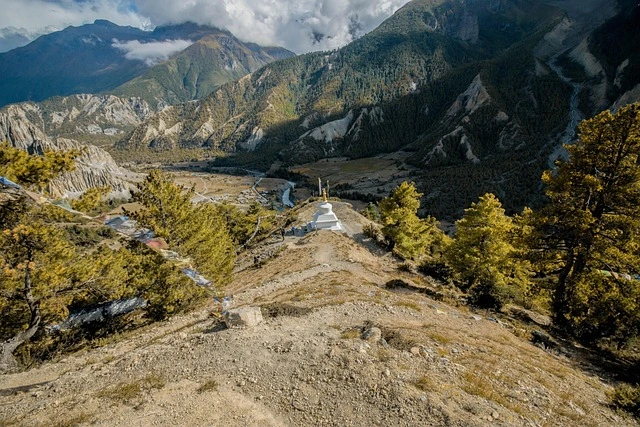
Short vs Standard ABC Itinerary: Which Is Right for You?
5–7 day trekking option: Compresses the route by removing Ghandruk and entering via a more direct path. Suitable for experienced trekkers with solid high-altitude history and a tight schedule. Not recommended for beginners — the Ghandruk and Chhomrong stages are not just cultural additions, they are important lower-altitude acclimatisation steps.
10–12 day total itinerary (our standard): Includes the full route — Ghandruk cultural immersion, correct acclimatisation pacing, Jhinu Danda hot springs on the descent, and a buffer day at the end. This is the format that consistently produces the strongest completion rates and the most satisfying overall experience.
Who benefits from the standard 12-day format:
- First-time high-altitude trekkers who need the gradual ascent
- Trekkers who want the full cultural experience of the Gurung villages
- Anyone who values the hot springs reward and unhurried descent
- Groups with varying fitness levels — the pacing accommodates everyone
Why Book a Guided ABC Trek?
Independent trekking is legally permitted on the Annapurna Base Camp route. But choosing a [guided ABC trek] delivers measurable advantages that experienced trekkers understand and first-timers often underestimate until they are above 3,000m.
A licensed guide recognises the symptoms of altitude sickness before they become dangerous. They know which teahouses are well-maintained, which trail variations save time in poor weather, and how to manage logistics when Pokhara weather delays a return flight. They speak the local language, understand the culture, and carry emergency protocols and first aid supplies that independent trekkers rarely have.
Our guides are government-licensed, wilderness first aid certified, and have completed the ABC route dozens of times each season. They do not just lead you to the summit — they read your health, manage your pace, and make the decisions that keep the trek safe when conditions change.
- Safety: Altitude sickness assessment, medical kit, oxygen supplement protocol
- Logistics: Pre-booked teahouses in peak season, weather monitoring, itinerary flexibility
- Cultural value: Local language, village context, meaningful interaction with teahouse communities
- Emergency response: Satellite communication, helicopter evacuation coordination capacity
If you are ready to take the next step, explore our [book ABC trek in Nepal] page for departure dates, inclusions, and group options for 2026.
Conclusion: The Annapurna Base Camp Trek Is Waiting
The Annapurna Base Camp trek itinerary outlined in this guide — 12 days in total with 8 days on the trail, including complete distance and altitude details — gives you everything you need to plan with confidence. The daily walking distances are well-balanced, the altitude gain is gradual, and the final reward at 4,130 meters is nothing short of unforgettable.
Whether this is your first Himalayan adventure or you’re returning to explore a new route in Nepal, the ABC trek offers a rare combination of accessibility, scenery, and authentic mountain culture that few treks in the world can match.
The Annapurna Sanctuary is waiting. The trails are ready.
If you're ready to take the next step, explore our Annapurna Base Camp Trek package to see detailed pricing, inclusions, and available departure dates — and start planning your journey today.