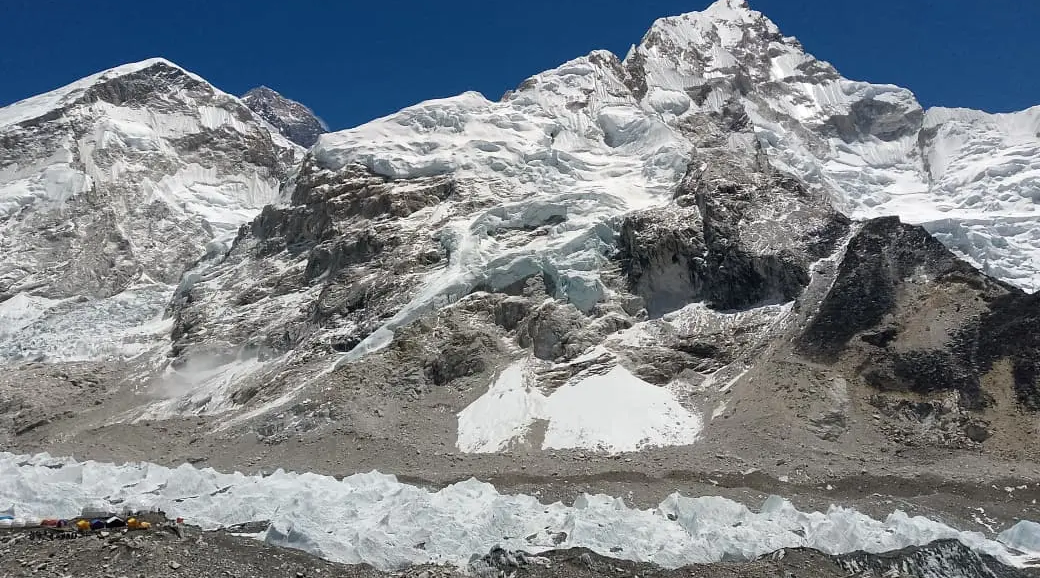
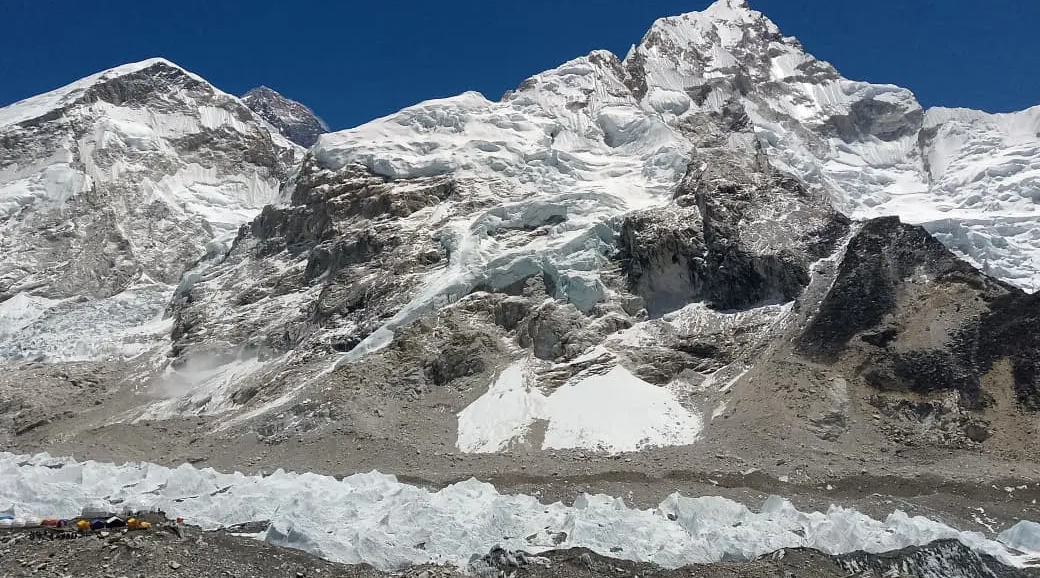
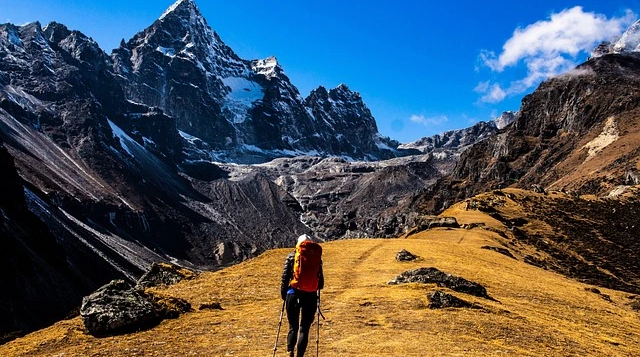
The Manaslu Circuit Trek is what the Annapurna Circuit felt like twenty years ago: remote villages, quiet trails, and mountain views without the crowds. It's one of the few remaining treks in Nepal where you can walk for hours without passing another group.
This guide covers twelve compelling reasons why choose Manaslu Circuit Trek, from the 5,160-meter Larkya La crossing to the Tibetan Buddhist monasteries that line the upper valley, everything experienced trekkers cite when ranking it among Nepal's best circuits.
What Makes the Manaslu Circuit Trek a Must-Do Nepal Trek
The Manaslu Circuit Trek is a full loop around Mount Manaslu, the world's eighth-highest peak at 8,163 meters, culminating in a crossing of the 5,160-meter Larkya La Pass. It delivers breathtaking mountain views, deep Tibetan Buddhist culture, and diverse landscapes ranging from subtropical jungle to high-altitude glaciers, all with far fewer trekkers than Everest or Annapurna.
The Manaslu Circuit Trek typically takes 14 to 18 days and passes through the Manaslu Conservation Area, a protected region that limits visitor numbers through a restricted area permit system. The result is villages and valleys that feel largely unchanged by mass tourism.
- Route type: Full circuit around Mount Manaslu, starting and ending with road transport from Kathmandu
- Key distinction: Restricted area status preserves traditional culture and limits crowds
- Duration: 14 to 18 days depending on itinerary and extensions
Fewer Crowds Than Everest and Annapurna Trails
You've probably seen photographs of long queues on the Everest summit ridge or busy teahouses on the Annapurna Circuit. The Manaslu region offers a striking contrast. The mandatory Manaslu Circuit Trek permit naturally caps the number of trekkers entering each day, creating a sense of solitude that's increasingly difficult to find elsewhere in Nepal.
On the trail, you might walk for hours without passing another group. Teahouses feel more personal because lodge owners have time to chat, and you won't find yourself competing for beds during peak season. The rhythm of the trek becomes meditative rather than rushed, allowing you to absorb the landscape and culture at a natural pace.
World-Class Views of Mount Manaslu and Surrounding Peaks
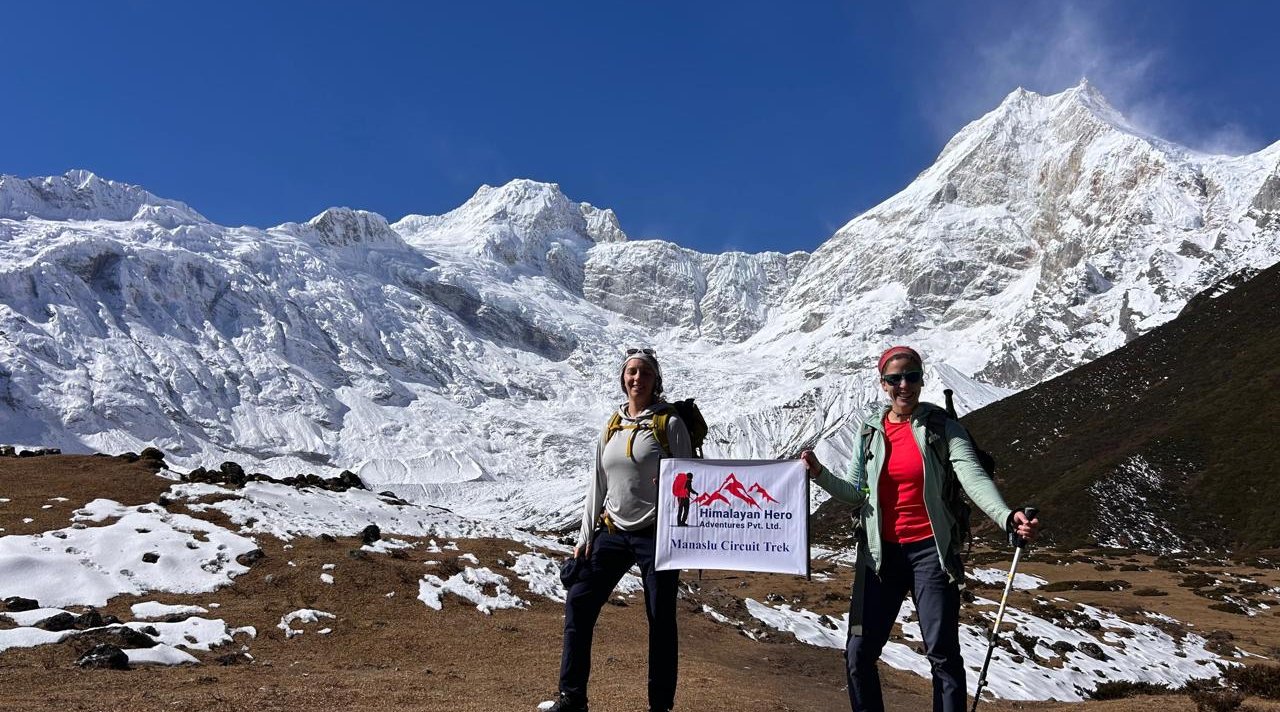
The mountain scenery on the Manaslu Circuit Trek rivals anything in the Himalaya, yet it remains far less photographed than Everest or Annapurna. The views evolve dramatically as you gain elevation. What makes this trek visually distinctive is the constant proximity to 8,000-meter peaks. You're not just glimpsing them from a distance but walking beneath their towering faces for days at a time.
You'll witness a progression from distant snow-capped horizons in the lower valleys to intimate, towering faces of ice and rock as you approach Larkya La. Each day brings a different perspective, with the landscape shifting from forested ridges to barren glacial terrain, all framed by some of the world's highest peaks.
Mount Manaslu Summit Panoramas
From the village of Samagaun and the approach to Larkya La, you're rewarded with close-up views of Manaslu's summit and surrounding glaciers. The mountain dominates the skyline in a way that feels almost overwhelming. Few treks put you face-to-face with an 8,000-metre peak for multiple consecutive days.
Annapurna II and Cheo Himal Vistas
After crossing the pass, the landscape shifts entirely. The descent into Bhimthang reveals unexpected views of the Annapurna range, particularly Annapurna II and Cheo Himal. Many trekkers don't anticipate this visual bonus.
Birendra Lake Mountain Reflections
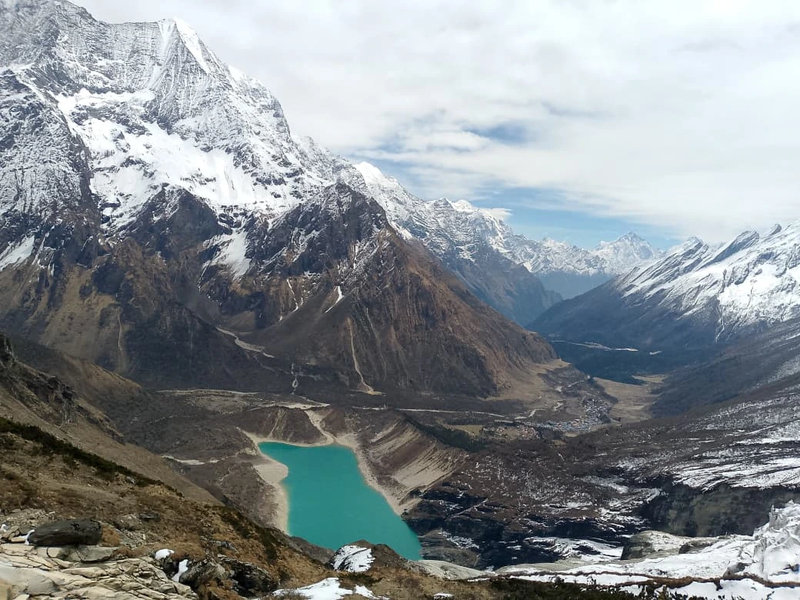
A popular acclimatization day hike from Samagaun leads to Birendra Lake, a glacial tarn known for its mirror-like reflections of Manaslu. On a clear morning, the lake offers some of the most photogenic moments of the entire trek.
Immersive Tibetan Buddhist Culture and Ancient Monasteries
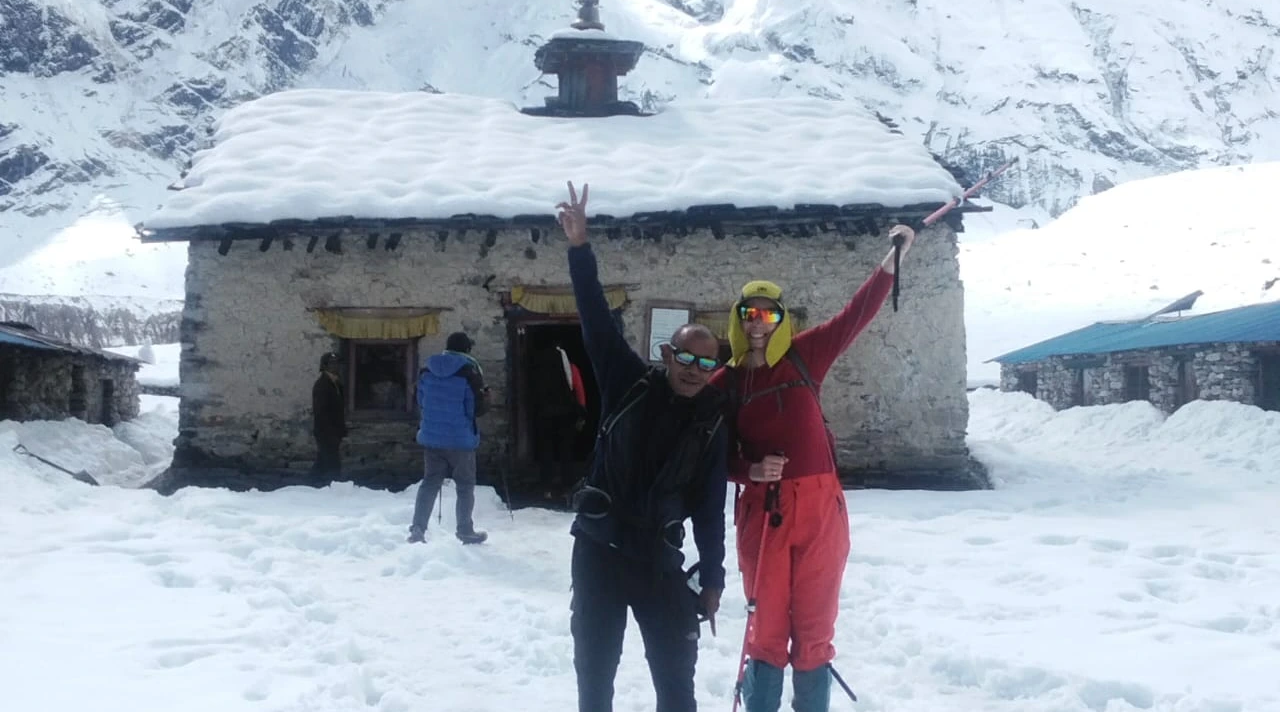
The upper Manaslu region is ethnically and culturally Tibetan, with active monasteries, prayer wheels, and stone chortens creating rich cultural highlights of the Manaslu Circuit Trek along the trail. This isn't a museum experience. Monks go about daily rituals, and villagers maintain traditions that have persisted for centuries.
You'll hear the low hum of prayer wheels turning and smell juniper incense burning at village entrances. The cultural immersion deepens with each day as you move higher into valleys where Tibetan Buddhism shapes every aspect of daily life.
Pungyen Gompa Above Samagaun
Often visited during an acclimatization day, Pungyen Gompa sits on a hilltop above Samagaun with sweeping views of the valley and Manaslu itself. The monastery is small but atmospheric, and the hike up provides excellent altitude preparation.
Nubri Valley Monastery Trail
As you ascend toward Samagaun, the trail winds through the Nubri Valley, passing a string of Buddhist sites. Prayer flags flutter across suspension bridges, and mani walls, which are long stone structures carved with mantras, appear at village entrances.
Serang Gompa Overnight Experience
For deeper cultural immersion, some itineraries include an overnight stay at Serang Gompa. Sleeping in a monastery offers a rare glimpse into monastic life and a level of quiet that teahouses can't replicate.
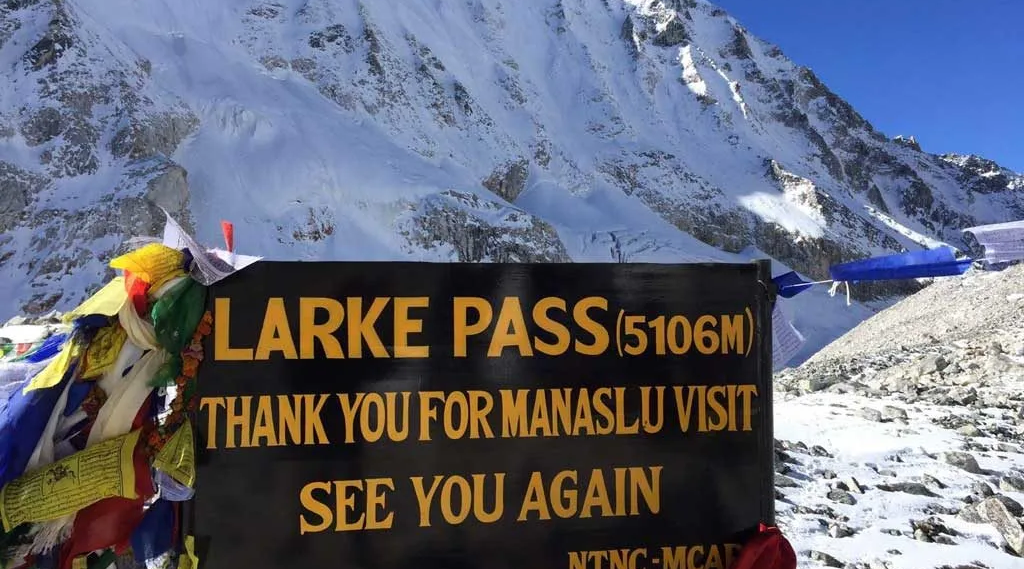
The Thrilling Larkya La Pass at 5160 Metres
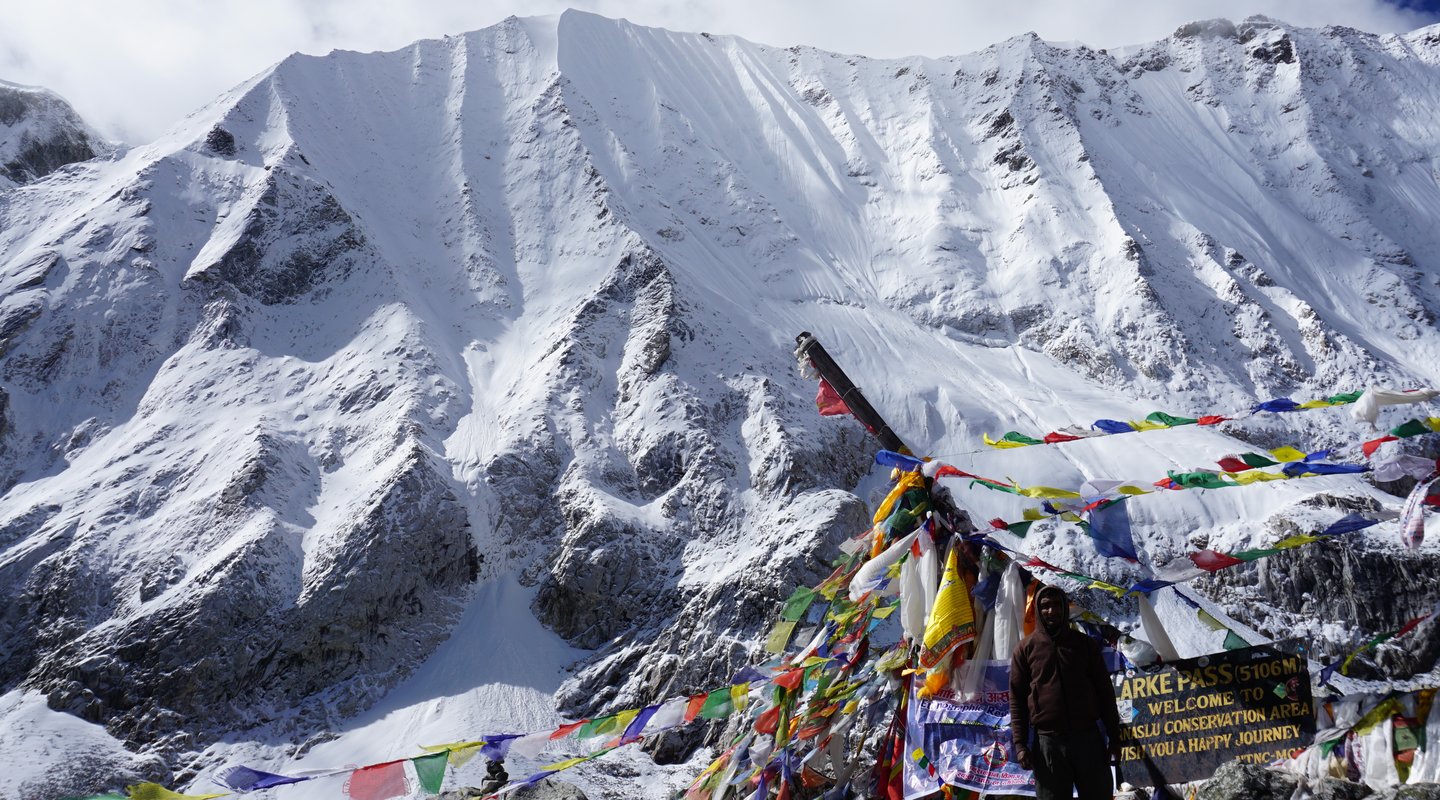
The crossing of Larkya La is the physical and emotional centerpiece of the trek. "La" means "pass" in Tibetan and Nepali, and this one sits at 5,160 meters, high enough to demand respect and proper prevention of altitude sickness but non-technical enough for fit trekkers without mountaineering experience.
Expect an early morning start, often around 3 to 4 AM, to reach the summit before afternoon clouds roll in. The prayer flag-adorned pass offers panoramic views in every direction, and the descent into Bhimthang takes you through a dramatically different landscape than the one you left behind.
- Elevation: 5,160 metres (16,929 feet)
- Trek duration: Full-day crossing, typically 8 to 10 hours
- Terrain: Non-technical but physically demanding
Diverse Landscapes: From Subtropical Forest to Alpine Glacier
One of the Manaslu Circuit Trek's most underrated qualities is its ecological diversity. Unlike treks that remain in a single environment, this route takes you through multiple climate zones as you gain and lose elevation.
You'll experience a complete cross-section of Himalayan ecosystems, from humid river valleys where the air is thick with moisture to windswept high-altitude terrain where only the hardiest vegetation survives. This ecological progression happens gradually over days, allowing your body to adapt while your surroundings transform completely.
Lower Valley Jungle and River Gorges
The first days follow the Budhi Gandaki River through a lush gorge, with cascading waterfalls, thrilling suspension bridges, and subtropical vegetation. The air is warm and humid, and the trail feels more like a jungle expedition than a high-altitude trek.
Rhododendron Forests and High Meadows
At mid-elevations, the landscape transitions to rhododendron forests that bloom spectacularly in spring, typically March through May. Above the treeline, expansive alpine meadows open up, offering long views and a sense of space.
Glacial Moraines and High Passes
Near Dharamsala and the pass itself, the terrain becomes stark and dramatic. Rocky moraines, patches of snow, and the kind of high-altitude landscape that defines Himalayan trekking characterize this final stretch.
Pristine Wildlife Habitat and Natural Beauty
The Manaslu Conservation Area Project protects the region's ecosystems, and the relatively low foot traffic means wildlife is less disturbed than on busier trails. While sightings are never guaranteed, the conditions here are favorable for spotting Himalayan tahr, blue sheep, musk deer, and various bird species.
No Lukla Flight Risk With Road Access
Unlike Everest treks that depend on the notoriously weather-sensitive Lukla flight, the Manaslu Circuit Trek is accessed entirely by road from Kathmandu. The drive to the trailhead at Soti Khola or Machha Khola takes a full day, but it's reliable.
You won't find yourself stranded waiting for fog to clear or rebooking flights at the last minute. For trekkers with fixed schedules, this predictability is a significant advantage.
Authentic Gurung and Tibetan Village Life
The cultural experience on the Manaslu Circuit Trek is layered. Lower villages are predominantly Gurung, while upper villages are ethnically Tibetan. Each community has distinct architecture, customs, and traditions.
As you ascend through the valley, you'll notice the gradual shift in building styles, from the slate-roofed Gurung houses to the flat-roofed Tibetan structures designed for high-altitude living. The transition isn't abrupt. It unfolds naturally over days of walking, allowing you to appreciate the cultural nuances that define each settlement.
Samagaun Highland Village
Samagaun is the largest settlement in upper Manaslu, with traditional stone houses, yak herds, and a timeless atmosphere. It's the main acclimatization stop and a window into highland life.
Samdo Trading Settlement Near Tibet
Located near the Tibetan border, Samdo has a long history as a trading post. The village retains a frontier character, and you can sometimes see yak caravans passing through. Stone houses cluster together against the wind, and the settlement feels more remote and rugged than the villages lower in the valley.
Lower Valley Gurung Communities
Villages like Jagat and Deng in the lower valley showcase Gurung culture, with distinctive architecture and warm hospitality.
Philim Village Cultural Gateway
Philim marks the cultural transition point where Gurung and Tibetan influences begin to blend. The village features traditional stone houses, terraced fields, and a welcoming community that has maintained its customs despite the gradual increase in trekkers passing through.
Excellent Value for a Comprehensive Himalayan Trek
Despite the permit costs, the Manaslu Circuit Trek offers strong overall value. Teahouse prices are generally lower than in the Everest region, and the Manaslu Circuit Trek Cost & Itinerary is competitive for what you receive: a full circuit trek with a high pass, deep cultural immersion, and world-class mountain views.
Achievable Challenge With Comfortable Teahouse Lodging
The Manaslu Circuit Trek is rated moderate to difficult, with long hiking days and significant altitude gain. However, it's a non-technical trek, meaning no ropes, crampons, or climbing experience are required. Fit trekkers with proper preparation can complete it successfully.
Teahouses along the route are basic but comfortable, offering twin-bed rooms, communal dining areas, and hearty meals. Hot showers and device charging are available at most stops for a small fee.
Restricted Area Status Protects the Trail Experience
The permit requirements, while adding cost and mandating a registered guide, ultimately benefit trekkers. The system limits over-commercialization, ensures professional support, and helps maintain the trail's traditional character.
- Permit requirement: Restricted Area Permit (RAP) is mandatory
- Guide requirement: A licensed guide is legally required for all trekkers
- Preservation effect: Limits crowds and protects cultural heritage
Easy Extensions to Tsum Valley and Manaslu Base Camp
For trekkers with additional time, the Manaslu region offers excellent add-on options that deepen the experience without requiring a complete change of logistics or permits. These extensions use the same restricted area permit system and teahouse infrastructure, making them straightforward to incorporate into your itinerary.
These extensions integrate seamlessly with the main circuit, allowing you to explore hidden valleys and sacred sites that most trekkers miss while maintaining the same teahouse-style approach and cultural immersion that defines the main route.
Tsum Valley Cultural Addition
The Tsum Valley is a hidden Buddhist sanctuary that adds significant cultural depth and several extra days to your itinerary. It's one of Nepal's most spiritually significant valleys. The Tsum Valley Trek (11 Days) itinerary provides the ideal timeframe to explore this sacred region thoroughly.
Manaslu Base Camp Day Hike
From Samagaun, a day hike to Manaslu Base Camp provides excellent acclimatization and even closer views of the mountain. The trail follows glacial moraines and offers an intimate perspective of Manaslu's north face that you won't get from the main circuit route. It's a challenging but rewarding side trip that helps your body adjust to altitude while delivering some of the trek's most dramatic scenery.
How the Manaslu Circuit Trek Difficulty Compares to Other Nepal Treks
Understanding where the Manaslu Circuit Trek sits in Nepal's trekking hierarchy helps you set realistic expectations and choose the right trek for your fitness level and experience. The comparison below breaks down the key factors that define difficulty across Nepal's most popular high-altitude routes.
While maximum elevation is important, it's not the only measure of difficulty. Trail conditions, daily elevation gain, remoteness, and the availability of emergency services all contribute to the overall challenge of a trek.
Begin Your Manaslu Circuit Trek With Expert Local Support
Choosing a reputable local operator is essential for this restricted-area trek. Professional guiding enhances safety, handles the complex permit process, and provides cultural interpretation that transforms the experience.
- Permit handling: Experienced operators navigate RAP, MCAP, and ACAP requirements
- Safety protocols: Licensed guides are trained in high-altitude management and emergency response
- Local expertise: Guides from the region provide cultural context and teahouse relationships
Explore our Manaslu Circuit Trek package for a fully supported journey through Nepal's most authentic high-altitude circuit.
FAQs About Trekking Manaslu Nepal
Is a guide required for the Manaslu Circuit Trek?
Yes, a licensed guide is legally mandatory for all trekkers in the Manaslu restricted area. Solo trekking is not permitted, and this requirement is strictly enforced at checkpoints along the route.
What permits do I need for the Manaslu Circuit Trek?
You need three permits: a Restricted Area Permit (RAP), a Manaslu Conservation Area Permit (MCAP), and an Annapurna Conservation Area Permit (ACAP) for the final section of the trek near Dharapani.
When is the best season to trek the Manaslu Circuit Trek?
The best seasons are pre-monsoon, from March to May, and post-monsoon, from September to November, when weather is most stable and mountain views are clearest. Spring offers rhododendron blooms, while autumn offers the driest conditions.
How does the Manaslu Circuit Trek compare to the Annapurna Circuit trek?
The Manaslu Circuit Trek is less crowded, more culturally preserved, and offers a similar level of challenge. However, unlike the Annapurna Circuit, it requires a restricted area permit and a mandatory guide.
What fitness level is required for the Manaslu Circuit Trek?
The trek demands good cardiovascular fitness to handle 6- to 8-hour hiking days at altitude. Prior trekking experience at moderate elevations is highly recommended, though not strictly required.