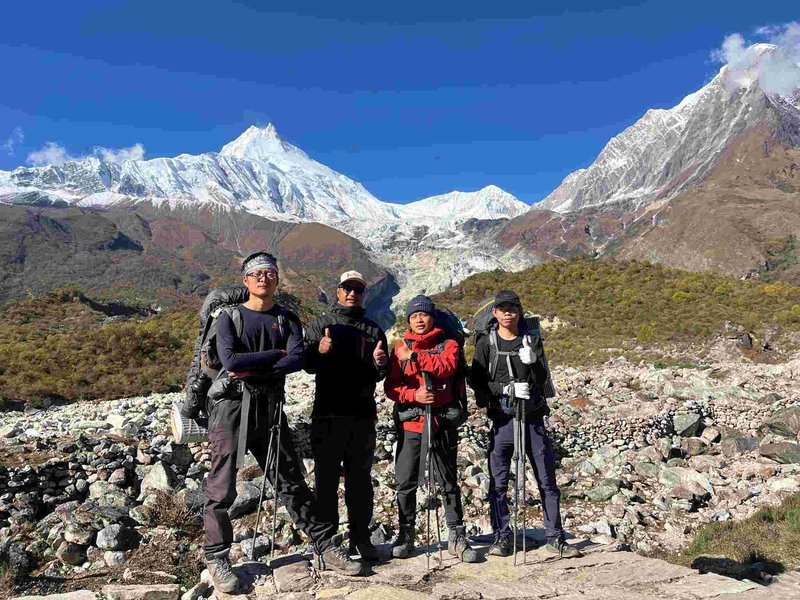
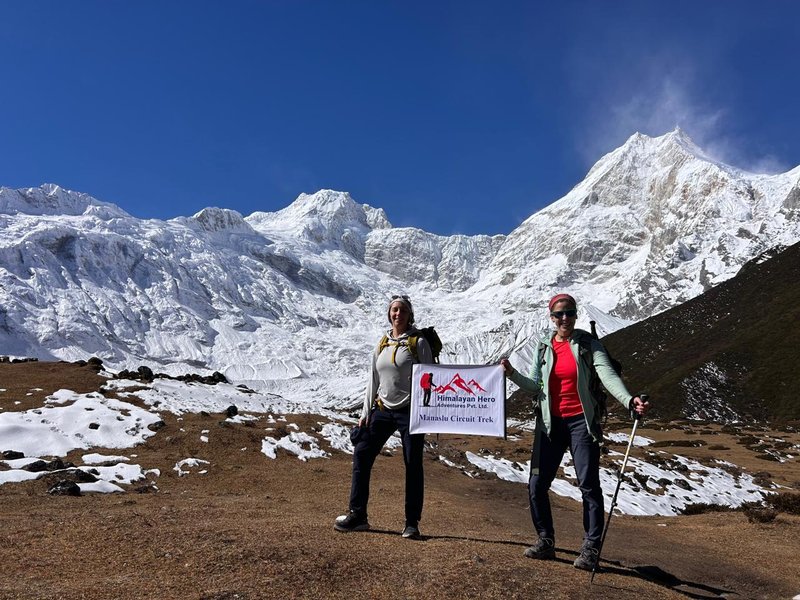
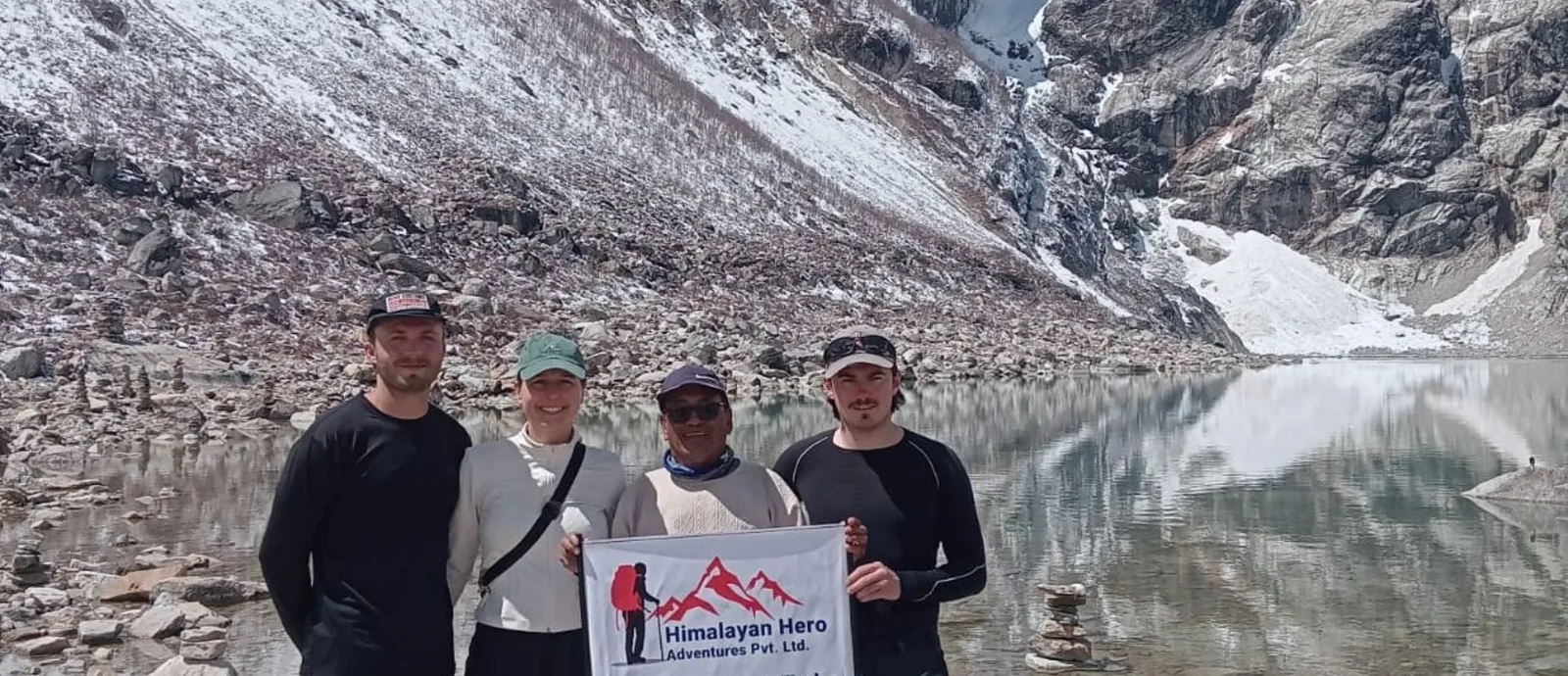
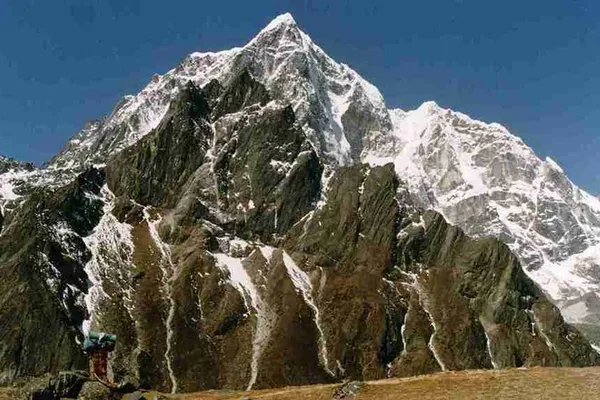
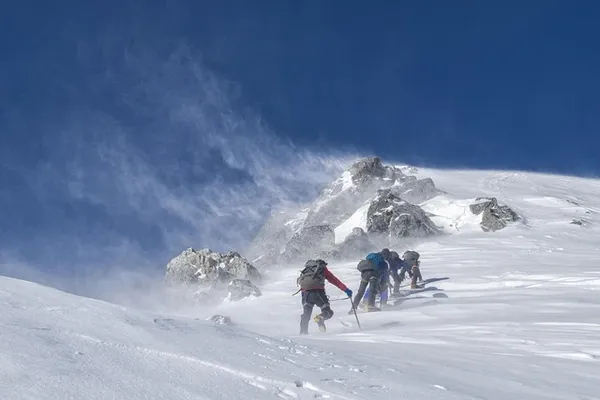
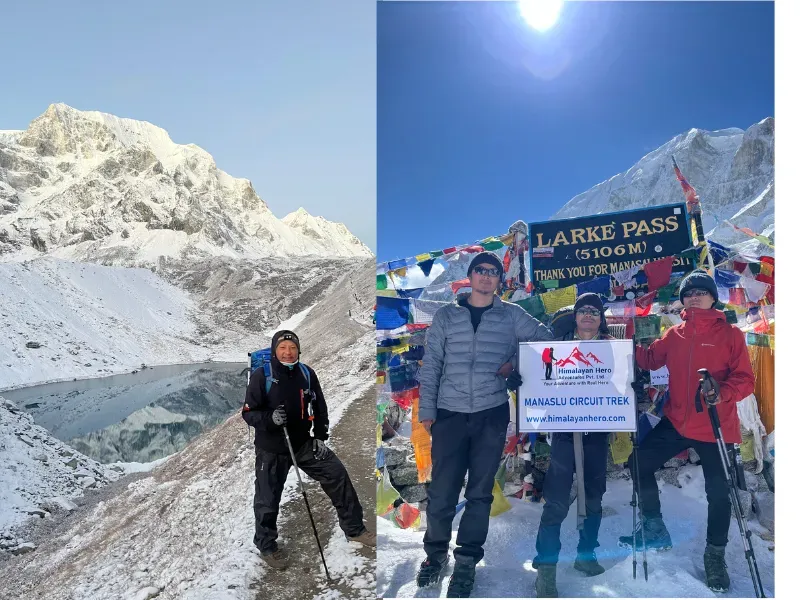
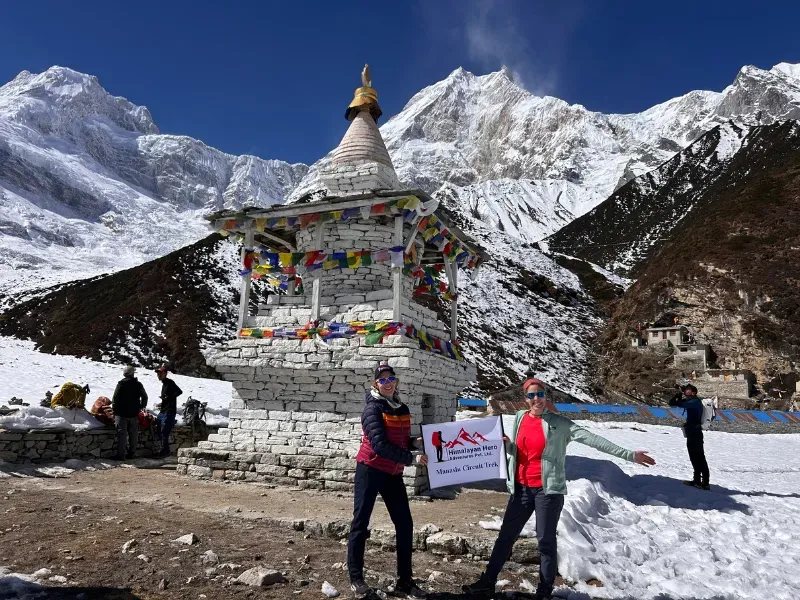
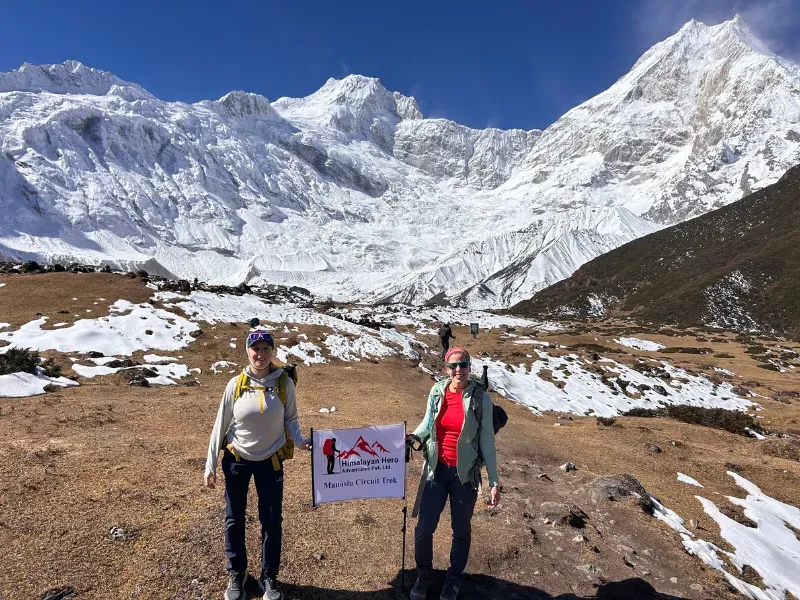
Group of trekkers celebrating at Larkya La Pass on the Manaslu Circuit Trek with colorful prayer flags and snow-covered Himalayan peaks in the background.
Trip Duration
14 Days
Location
Manaslu Region ( Manaslu Circuit )
Grading
Moderate
Best Season
Oct-Nov-Dec-Mar-Apr-May
Max Altitude
5106m
Starts from
Kathmandu
Ends at
Kathmandu

Manaslu Circuit Trek 2026 | Best Season, Cost & Itinerary

What if your next Himalayan adventure took you beyond the crowded trails? The Manaslu Circuit Trek offers peaceful mountain villages, beautiful river valleys, and stunning views that feel untouched. If you want a quieter trek with rich local culture and amazing scenery, this journey is a great choice. Discover why more travelers are choosing the Manaslu Circuit Trek for an unforgettable adventure in Nepal.

The route circles the world's eighth-highest mountain and passes through forests, traditional villages, and the famous Larkya La Pass at 5,106 meters. Along the way, you'll stay in local tea houses, visit ancient Buddhist monasteries, and enjoy views of Cheo Himal and Annapurna II. With fewer crowds, this trek offers a peaceful and authentic Himalayan experience.


Manaslu Circuit Trek at a Glance

Feature Details
Trek Duration 14 Days
Total Trekking Distance Approximately 177 km (110 miles), depending on the exact route and side trips
Average Walking Hours Around 5 to 8 hours per day
Maximum Altitude Larkya La Pass, 5,106 m
Difficulty Moderate to Challenging
Best Months March to May and September to November
Accommodation Tea Houses
Permits Manaslu Restricted Area Permit (RAP), Manaslu Conservation Area Permit (MCAP), and Annapurna Conservation Area Permit (ACAP)
Starting Point Machha Khola
Ending Point Dharapani
Larkya La Pass 5,106 m
Group/Private Options Small Group and Private Trek Options Available
Approximate Cost Varies by group size, itinerary, permits, guide, accommodation, and included services
Guide Required Yes, a licensed guide is required under Nepal Government regulations

Why Is the Manaslu Circuit Trek Worth Doing?

Manaslu Circuit Trek Worth Doing because it offers a quieter Himalayan experience, spectacular mountain views, rich Gurung and Tibetan culture, and the rewarding challenge of crossing the 5,106 m Larkya La Pass. Unlike some of Nepal's busier trekking routes, Manaslu combines remote landscapes with a genuine sense of adventure, making the journey feel less like a crowded trail and more like an expedition through the Himalayas.

Fewer Crowds

The Manaslu Circuit sees fewer trekkers than the Everest Base Camp and Annapurna Circuit routes. The restricted-area regulations also help limit visitor numbers, so the trail generally retains a peaceful and remote atmosphere.

You will still encounter other trekkers, especially during spring and autumn, but the experience is usually less crowded. For anyone who enjoys quiet trails, small mountain villages, and long stretches surrounded by nature, this is a major advantage.

Larkya La Pass

Larkya La Pass, at 5,106 m, is the highest point of the trek and one of its biggest achievements. The crossing requires an early start, careful pacing, and preparation for high-altitude conditions.

The climb can be demanding, but standing at the top with snow-covered peaks, glaciers, and rugged valleys spread around you makes the effort worthwhile. It is the kind of trekking day you are likely to remember long after returning home.

Local Culture

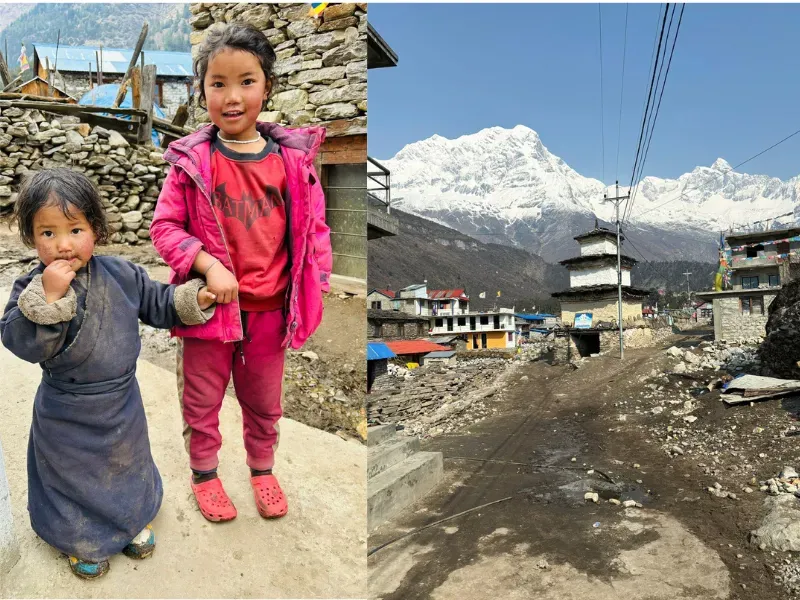
The Manaslu Circuit also offers a fascinating look at Himalayan culture. The trail passes through Gurung villages in the lower sections and communities with strong Tibetan Buddhist influences at higher elevations.

Along the way, you can see monasteries, prayer wheels, mani walls, chortens, prayer flags, and traditional stone houses. Villages such as Samagaon and Samdo provide particularly memorable cultural experiences.

Manaslu Views

Mount Manaslu rises to 8,163 m and dominates much of the scenery along the upper sections of the route. As you gain altitude, the mountain views become larger, sharper, and more dramatic.

The landscapes around Lho, Samagaon, and the surrounding high valleys feature towering snow-covered peaks, glaciers, rocky ridges, and deep Himalayan valleys. The changing perspectives of Manaslu are a major highlight of the circuit.

Remote Landscapes

The scenery changes constantly as the trail climbs from the lower foothills toward the high Himalayas. You begin among green forests, terraced fields, waterfalls, and rushing rivers before entering a much more rugged alpine environment. Higher sections bring sparse vegetation, rocky slopes, glaciers, snow, and enormous mountain walls. That gradual transformation gives the Manaslu Circuit its adventurous character.

So, if you want a trek that combines high-altitude challenge, mountain scenery, cultural encounters, and a quieter trail experience, the Manaslu Circuit Trek is well worth doing.

Manaslu Circuit Trek – Itinerary Outline

Day Route Altitude Distance & Time
Day 1 Drive from Kathmandu to Machha Khola 870 m (2,854 ft) 160 km, 7–8 hrs drive
Day 2 Trek from Machha Khola to Jagat 1,340 m (4,396 ft) 22 km, 5–6 hrs trek
Day 3 Trek from Jagat to Deng 1,860 m (6,102 ft) 20 km, 6–7 hrs trek
Day 4 Trek from Deng to Namrung 2,630 m (8,629 ft) 19 km, 6–7 hrs trek
Day 5 Trek from Namrung to Shyala 3,500 m (11,483 ft) 16 km, 5–6 hrs trek
Day 6 Trek from Shyala to Samagaun (via Pungyen Monastery) 3,530 m (11,581 ft) 10 km, 4–5 hrs trek
Day 7 Acclimatization at Samagaun (Manaslu Base Camp / Birendra Lake) 3,530 m (11,581 ft) 8–16 km, 2–7 hrs hike
Day 8 Trek from Samagaun to Samdo 3,875 m (12,713 ft) 8 km, 3–4 hrs trek
Day 9 Trek from Samdo to Dharmasala 4,450 m (14,600 ft) 11 km, 4–5 hrs trek
Day 10 Trek from Dharmasala to Bhimthang via Larkya La Pass Larkya La Pass: 5,106 m (16,752 ft)Bhimthang: 3,590 m (11,778 ft) 24 km, 8–10 hrs trek
Day 11 Trek from Bhimthang to Tilije 2,300 m (7,546 ft) 19 km, 5–6 hrs trek
Day 12 Trek to Dharapani & Drive to Besisahar Dharapani: 1,860 m (6,102 ft)Besisahar: 760 m (2,493 ft) 8 km trek + 43 km drive, 6–8 hrs
Day 13 Drive from Besisahar to Kathmandu 1,400 m (4,593 ft) 175 km, 6–7 hrs drive
Day 14 Final Departure 1,400 m (4,593 ft) Airport transfer (30–45 mins)

Not sure which itinerary is right for you? Compare the different route options in our guide to the short vs long Manaslu Circuit Trek.


Manaslu Circuit Trek Altitude and Acclimatization

Altitude is one of the most important things to understand before starting the Manaslu Circuit Trek. The route begins in the lower hills and gradually climbs into the high Himalayas, eventually reaching 5,106 m at Larkya La Pass. That steady rise gives your body time to adjust, but you still need to take acclimatization seriously.

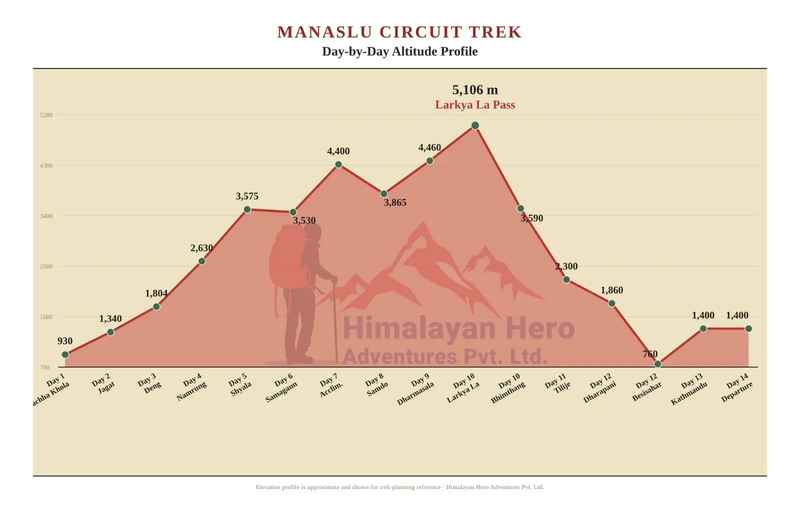
Altitude Profile of Manaslu Circuit Trek


Manaslu Circuit Trek Elevation Profile

The Manaslu Circuit Trek starts at around 900 m in Machha Khola and gradually climbs through mountain settlements such as Jagat, Deng, Namrung, Lho, Samagaun, Samdo, and Dharamsala. The route reaches its highest point at Larkya La Pass before descending toward Bhimtang and Dharapani.

A typical elevation progression is Machha Khola at around 900 m, Jagat at 1,340 m, Deng at 1,860 m, Namrung at 2,630 m, Lho at 3,180 m, Samagaun at 3,530 m, Samdo at 3,875 m, Dharamsala at 4,460 m, Larkya La Pass at 5,106 m, Bhimtang at 3,590 m, and Dharapani at 1,860 m. Elevations can vary slightly depending on the exact route and overnight location.

Highest Point: Larkya La Pass

Larkya La Pass is the highest point of the Manaslu Circuit Trek at 5,106 m and is usually the toughest day of the journey. Most trekkers start early, as the combination of thin air, cold temperatures, possible snow, and long walking hours makes the crossing physically demanding.

The effort is rewarded with spectacular views of snow-covered peaks, glaciers, frozen slopes, and Himalayan valleys. Take your time and maintain a slow, steady pace rather than rushing toward the pass.

Acclimatization Day at Samagaun

Samagaun sits at approximately 3,530 m and provides an important acclimatization stop before the trail climbs toward Samdo, Dharamsala, and Larkya La Pass. The extra day allows your body to adjust to the increasing elevation.

You can rest in the village or take a short hike to nearby viewpoints and return to Samagaun to sleep. Keep the activity comfortable rather than turning your acclimatization day into another demanding trekking day.

How to Prevent Altitude Sickness

There is no guaranteed way to prevent altitude sickness, but gradual ascent, proper hydration, regular meals, enough sleep, and a comfortable walking pace can reduce the risk. Avoid excessive alcohol at higher elevations and follow your guide's advice throughout the trek.

Common symptoms include headache, dizziness, nausea, tiredness, and difficulty sleeping. If you notice unusual symptoms, tell your guide immediately instead of trying to push through them.

What Happens If You Get Altitude Sickness?

If altitude sickness symptoms appear, stop gaining altitude and inform your guide immediately. Mild symptoms may improve with rest and acclimatization, but you should not continue climbing if your condition gets worse.

Severe headache, confusion, difficulty walking, extreme weakness, breathlessness while resting, persistent vomiting, or unusual drowsiness require urgent attention and descent to a lower elevation. Do not try to push through serious symptoms just to reach Larkya La Pass. Your health comes first.For more expert tips, read our complete guide on how to prevent altitude sickness on the Manaslu Circuit Trek.

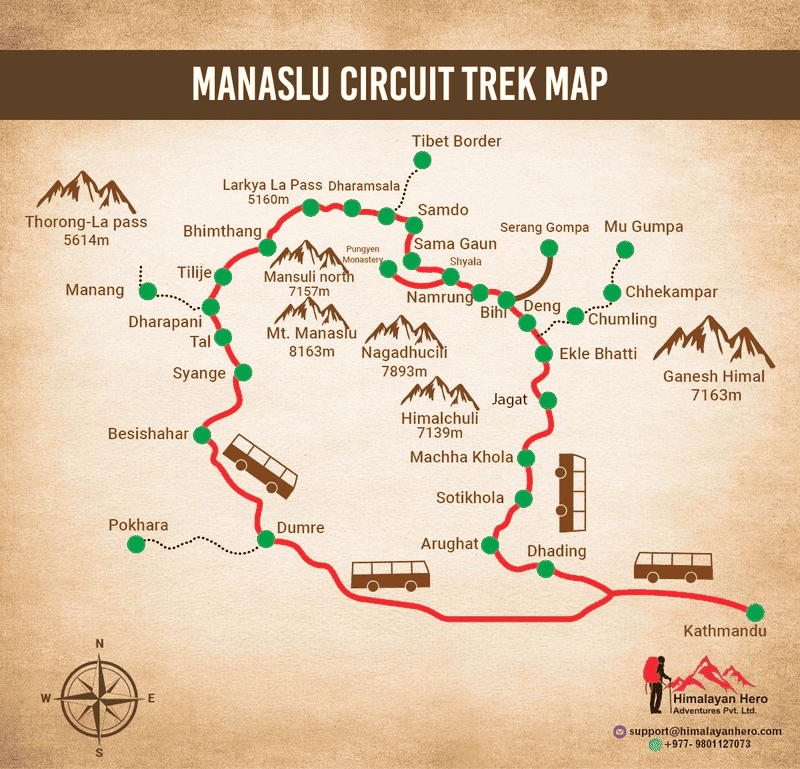
Manaslu Circuit Trek Map, Route & Elevation


manaslu-circuit-trek-map


The map above shows the complete Manaslu Circuit Trek route through one of Nepal's most beautiful and restricted trekking areas. Looking at the route before your trip helps you understand the daily walking distances, important villages, permit checkpoints, and acclimatization stops. The trek usually starts at Machha Khola, reached by a 7 to 8-hour drive from Kathmandu, and follows the Budhi Gandaki River through Jagat, Deng, Namrung, Lho, and Sama Gaun.

As the trail climbs higher, the landscape changes from green hills and forests to rugged alpine terrain. Sama Gaun provides an important acclimatization stop before the route continues toward Samdo and Dharamsala. The highest point is Larkya La Pass at 5,106 meters, after which the trail descends through Bhimthang to Dharapani, where the trek ends before you continue toward Kathmandu or Pokhara.

Key elevation markers on the Manaslu Circuit Trek elevation profile:

Checkpoint Elevation
Sotikhola (Start) 700m
Jagat 1,340m
Sama Gaun 3,530m
Samdo 3,875m
Larkya La Pass (Highest Point) 5,106
Bhimthang 3,590m
Dharapani (End) 1,860m

Manaslu Circuit Trek Cost (Updated 2026 Guide)


The Manaslu Circuit Trek cost depends on the itinerary, services included, and trekking season. At Himalayan Hero, we offer a complete 14-day Manaslu Circuit Trek package price for USD 950 per person for our standard itinerary.Cost of the Manaslu Circuit trek is designed to give trekkers a safe, well-organized experience in the restricted Manaslu region without hidden charges.

Manaslu Circuit Trek Cost

Expense Cost (USD) Notes
Restricted Area Permit $100 (peak) / $75 (off-peak) Per 7 days
MCAP + ACAP $60 Combined
Licensed Guide $25-35/day Mandatory
Porter $20-25/day Optional
Teahouse $5-15/night None
Meals (3/day) $15-35/day Varies by altitude
Extras $5-10/day Shower, WiFi, charging
Transport $50-$100 Local, $400-$500 Private Round trip
TOTAL $950- $1800 14 days

Is There a Budget Option for the Manaslu Circuit Trek?


Yes, there are budget-friendly options for the Manaslu Circuit Trek. You can lower the total cost by joining a group, sharing a porter with another trekker, or choosing a shorter itinerary. These options help make the trek more affordable without missing the main highlights of the route.

Keep in mind that some costs cannot be reduced. The Nepal government requires all trekkers to have a licensed guide and the necessary permits, including the Restricted Area Permit (RAP), Manaslu Conservation Area Permit (MCAP), and Annapurna Conservation Area Permit (ACAP). These required fees are a fixed part of the Manaslu Circuit Trek cost. For detailed pricing, see our complete guide to the Manaslu Circuit Trek cost and itinerary.
Check the full breakdown of the Manaslu cost and itinerary.

Best Time for the Manaslu Circuit Trek

Choosing the best time for the Manaslu Circuit Trek is important because it affects the weather, trail conditions, tea house availability, and the safe crossing of Larkya La Pass. Spring and autumn are the two best seasons, with clear skies, comfortable temperatures, and excellent mountain views.

For most travelers planning the Manaslu Circuit Trek in 2026, autumn is the most popular season. The trails are dry, the weather is stable, and the mountain scenery is at its best. Spring is also a great time to trek, with blooming rhododendron forests and pleasant walking conditions.

Autumn Season (September–November): Peak Season

The autumn season remains the top Manaslu Circuit trek season for good reason:

  • Stable weather conditions post-monsoon
  • Crystal-clear views of Cheo Himal and Annapurna II
  • All tea houses fully operational along the Budhi Gandaki corridor
  • Hot showers available in most places
  • Larkya La Pass conditions are at their optimal

October is widely regarded as the single best month — skies are sharp, temperatures are manageable, and the trail is buzzing with fellow trekkers, keeping the route well-supported.

Spring Season (March–May): Second-Best Window

Spring is the second-strongest Manaslu Circuit trek season, and for trekkers researching the Manaslu Circuit Trek 2026, it offers a compelling alternative to the autumn crowds:

  • Warming weather conditions throughout the day
  • Rhododendrons in full bloom along the Budhi Gandaki River
  • Less crowded tea houses compared to autumn
  • Drinking water sources flowing well after winter thaw
  • Good connection options with the Annapurna Circuit Trek

A common question in manaslu trek latest search data is specifically about Manaslu Circuit trek in May. May is viable but requires careful planning — by mid-May, pre-monsoon humidity builds and occasional afternoon storms arrive. Early May remains solid, with Larkya La Pass still crossable and rhododendrons lingering at higher elevations. Trekkers targeting May should aim to complete the pass crossing before the 15th for the best conditions.

Winter (December–February): Not Recommended

The Manaslu circuit latest reports from winter expeditions consistently flag the same challenges:

  • Extreme weather conditions at the highest point
  • Many tea houses closed along the upper route
  • No hot showers available
  • Larkya La Pass frequently blocked by heavy snowfall
  • Higher emergency evacuation risks due to limited helicopter access windows

Monsoon Season (June–August): Avoid

The monsoon is the one Manaslu Circuit trek season that experienced guides universally advise against:

  • Poor weather conditions persist throughout
  • Rocky trails become treacherous from constant rainfall
  • Leeches in terraced field areas below 2,500m
  • Budhi Gandaki River flooding risks on valley-floor sections
  • Severely limited emergency evacuation options

How Difficult Is the Manaslu Circuit Trek?

The Manaslu Circuit Trek is moderately to highly challenging because of its long walking days, changing terrain, high altitude, and 5,106 m Larkya La Pass. You do not need technical climbing experience, but good fitness and proper preparation are important.

Manaslu Circuit Trek Difficulty Level

The trek becomes more demanding as you gain altitude. Lower sections are generally easier, while the trail around Samdo, Dharamsala, and Larkya La Pass requires more effort.

You should be comfortable with:

  • Walking for several hours each day
  • Climbing and descending steep trails
  • Walking on rocky and uneven paths
  • Crossing suspension bridges
  • Trekking at elevations above 3,000 m
  • Handling changing mountain weather

The remote nature of the route also means you need to be prepared for basic tea house facilities and fewer services in the higher sections.

Daily Walking Hours

Most trekking days involve around 5 to 8 hours of walking. Some days are shorter, while the Larkya La Pass crossing can take considerably longer depending on weather, trail conditions, and your pace.

A typical day may include:

  • Morning breakfast at the tea house
  • Several hours of walking with breaks
  • Lunch at a village or tea house
  • Afternoon trekking toward the overnight stop
  • Rest and dinner after reaching the lodge

You do not need to walk quickly. A steady pace is usually much more comfortable at higher elevations.

Steep Climbs and Descents

The trail is not flat. You will encounter gradual climbs, steep sections, stone steps, rocky paths, and long descents. Some sections can feel particularly tiring after several days of trekking.

Trekking poles can be useful for:

  • Supporting your knees during descents
  • Maintaining balance on uneven ground
  • Reducing pressure during steep climbs
  • Providing extra stability on slippery trails

Good hiking boots with reliable grip are equally important.

Larkya La Pass Difficulty

Larkya La Pass is the toughest section of the Manaslu Circuit Trek. At 5,106 m, the thin air makes the climb much harder than a similar ascent at lower elevation.

The pass day can involve:

  • An early morning start
  • Several hours of uphill walking
  • Cold and windy conditions
  • Snow or icy sections depending on the season
  • A long descent toward Bhimtang

The trick is simple: slow down. There is no prize for reaching the pass first. Proper acclimatization and a consistent pace make a huge difference.

Can Beginners Do the Manaslu Circuit Trek?

Yes, beginners can do the Manaslu Circuit Trek if they are reasonably fit and properly prepared. You do not need previous high-altitude trekking experience, but this should not be treated as a casual walking holiday.

Beginners should focus on building endurance before the trip and choose an itinerary that allows enough time for acclimatization. Trekking with a licensed guide is also required for the Manaslu restricted area.

Fitness Training for Manaslu

You do not need to train like a professional athlete. What matters most is building stamina, leg strength, and the ability to walk for several hours without completely running out of energy.

Try including these activities before your trek:

  • Long-distance walking and hiking
  • Stair climbing
  • Squats and lunges
  • Step-up exercises
  • Cycling or jogging
  • Core-strengthening exercises
  • Weekend hikes with a loaded daypack

    Still wondering, is the Manaslu Circuit Trek right for my fitness level? With regular walking practice, basic fitness, and enough time to acclimatize, many trekkers successfully complete this adventure. Proper preparation and a steady pace can make the journey both safe and rewarding.

What Permits Are Required for the Manaslu Circuit Trek?


The Manaslu Circuit Trek is a restricted trekking route, so all trekkers must have the required permits before starting the journey. Knowing the latest permit rules for 2026 helps you plan your trip smoothly and follow Nepal government regulations.

To complete the trek, you will need a Restricted Area Permit (RAP), a Manaslu Conservation Area Permit (MCAP), and an Annapurna Conservation Area Permit (ACAP). You must also trek with a licensed guide, as independent trekking is not allowed in the Manaslu region.

Required Trekking Permits: Essential trekking permits include:

  • Restricted Area Permit (RAP)
  • Annapurna Conservation Area Permit
  • Manaslu Conservation Area Permit
  • Chumnbri Rural Municipality Permit
  • Total cost: $130-160 (Varies by season)
  • Valid for specific trekking route sections

Guide Requirements: The Manaslu Circuit trek without a guide is prohibited:

  • Registered guide mandatory
  • Supports local cultural experiences
  • Ensures emergency evacuation capability
  • Helps navigate rocky trails safely
  • Manages tea house bookings

Permit Checkpoints:

  • Jagat: Verify all trekking permits
  • Namrung: entering a higher trekking route
  • Before Larkya La Pass crossing
  • Connection to Annapurna Circuit Trek
  • Keep documents waterproof

Why Restrictions Exist:

  • Preserve Tibetan culture's authenticity
  • Limit impact on terraced fields
  • Control tea houses development
  • Maintain emergency evacuation infrastructure
  • Protect the Budhi Gandaki River ecosystem


    Understand Manaslu circuit trek permi

Where Do You Stay on the Manaslu Circuit Trek?

Tea houses are the main accommodation option on the Manaslu Circuit Trek. They provide simple rooms, beds, blankets, and basic facilities. Most rooms are twin-sharing, while single rooms may be available depending on the lodge and availability. Your guide can arrange accommodation along the route, including calling ahead during busy periods. To learn more about accommodation, meals, and facilities along the trail, see our complete guide to Manaslu Circuit Trek tea houses.

Accommodation Details
Tea Houses Main accommodation along the Manaslu Circuit
Rooms Usually twin-sharing with basic beds and blankets
Bathrooms Mostly shared, with attached bathrooms available at some lower-elevation lodges
Higher Altitudes Facilities become more basic as you climb
Hot Showers Available at some tea houses, but less common and more expensive at higher elevations
Wi-Fi Available at many tea houses, although connections can be unreliable in remote areas
Charging Available at many lodges, sometimes for an additional fee
Phone Service Available in some areas, with coverage becoming less reliable at higher elevations
Sleeping Bag Recommended for cold nights, especially at higher elevations

What Food Is Available on the Manaslu Circuit Trek?

Food on the Manaslu Circuit Trek is generally simple, filling, and designed to provide enough energy for long walking days. Tea houses serve traditional Nepali dishes alongside familiar trekking meals, although choices become more limited at higher elevations.

Meals on Manaslu Circuit Trek

Meal Type Food Options
Breakfast Bread, Pancakes, Porridge, Eggs, Tea / Coffee
Lunch Curry items, Chapati, Spaghetti, Daal Bhaat (rice & lentils), Noodles, Mo:Mo (dumplings), Soup
Snacks Biscuits, Dry fruits, Nuts, Tea / Coffee
Dinner Daal Bhaat (rice & lentils), Chapati, Dumplings, Curry items

Trek Extensions After the Manaslu Circuit Trek

If you have extra time, you can explore more of the Manaslu region with another trekking adventure. These treks offer beautiful mountain views, traditional villages, and unique cultural experiences while allowing you to discover a different side of the Himalayas

Short Manaslu Circuit Trek – 10 Days

If you have limited time, the Short Manaslu Circuit Trek is a great alternative. It follows the main highlights of the Manaslu Circuit Trek in a shorter itinerary, making it ideal for trekkers who want an unforgettable Himalayan experience within 10 days.

Manaslu Tsum Valley Trek

The Manaslu Tsum Valley Trek combines the classic Manaslu Circuit with the hidden Tsum Valley. This longer journey lets you experience remote Tibetan villages, ancient Buddhist monasteries, and spectacular mountain scenery in one unforgettable adventure.

Tsum Valley Trek

The Tsum Valley Trek is perfect for travelers who want to focus on culture and peaceful mountain landscapes. The trail passes through traditional villages, sacred monasteries, and the beautiful Tsum Valley, offering a quieter trekking experience with rich Tibetan heritage.

What to Pack for Manaslu Circuit Trek

A complete Manaslu Circuit Trek packing list helps you prepare for changing weather, high altitude, and long days on the trail. Packing the right clothing, trekking gear, and personal essentials will keep you comfortable and make your journey safer. Choosing lightweight, high-quality equipment also makes hiking easier throughout the trek.

manaslu-circuit-trek-hiker


Clothing Layers

Base Layers:

  • 2 thermal tops (merino wool or synthetic)
  • 2 thermal bottoms
  • 3-4 moisture-wicking t-shirts
  • 3-4 pairs of hiking underwear

Insulation Layers:

  • Fleece jacket (200-300 weight)
  • Down jacket (essential above 4,000m)
  • Softshell jacket for wind protection
  • Insulated pants for summit day

Outer Layers:

  • Waterproof jacket (Gore-Tex or similar)
  • Waterproof pants
  • Trekking pants (2 pairs)
  • Shorts for lower elevations

Footwear and Accessories

Feet:

  • Hiking boots (broken in!)
  • Camp shoes (Crocs or sandals)
  • Trekking socks (5-6 pairs)
  • Liner socks for blister prevention
  • Gaiters for snow sections

Head and Hands:

  • Sun hat with neck protection
  • Warm beanie (fleece-lined)
  • Buff or neck gaiter (2)
  • Sunglasses (UV protection essential)
  • Lightweight gloves
  • Insulated mittens for summit

Technical Gear

Essential Equipment:

  • Sleeping bag (-15°C rated minimum)
  • Trekking poles (invaluable for descents)
  • Headlamp with extra batteries
  • Water bottles or hydration system (3L capacity)
  • Water purification tablets/filter
  • Daypack (25-35L)
  • Duffle bag for porters

Personal Care and Medications

Health Essentials:

  • Sunscreen (SPF 50+)
  • Lip balm with SPF
  • Personal medications
  • Altitude sickness pills (Diamox)
  • Basic first aid kit
  • Toilet paper and a trowel
  • Wet wipes and sanitizer
  • Feminine hygiene products

Electronics and Documents

Don't Forget:

  • Camera with extra batteries
  • Power bank (solar optional)
  • Universal adapter
  • Passport and permits copies
  • Travel insurance documents
  • Emergency contact information
  • Cash in small denominations


Tips for a Successful Manaslu Circuit Trek


Tea-house vs tent camping:
Stick to tea-houses. They offer meals, warm beds, and a cultural experience that makes trekking easier and more immersive. Tents are unnecessary unless you’re off-season or doing a remote route.

Altitude acclimatization at Samagaun:
Take a rest day here. It helps your body adjust to the elevation before crossing Larkya La Pass. Consider a short hike to Birendra Lake or Pungyen Monastery.

Gurung and Tibetan villages, plus wildlife:
The trail passes through authentic Gurung and Tibetan communities like Lho and Samdo. Keep an eye out for blue sheep and Himalayan marmots, especially at higher altitudes.

Packing list essentials for Manaslu Circuit trek:
Bring layered clothing, a sleeping bag (rated to -10°C), hiking boots, headlamp, water bottle, sunscreen, microspikes, and a small first aid kit. Keep your daypack light.

Hydration and food: Drink plenty of water (3–4 liters daily). Dal Bhat is the most filling and reliable meal, but you’ll also find pancakes, pasta, and tea at most teahouses.

Fitness preparation:
Train with cardio and light strength workouts before the trek. Aim to walk several miles a week with a loaded backpack to build endurance.

Permits and guides:
The Manaslu region is restricted, and a licensed guide is mandatory. They assist with permits, safety, and navigating unfamiliar terrain.

Money and charging:
Bring enough cash in Nepali rupees. ATMs are only available in Kathmandu. Charging devices can cost 200–500 NPR at higher elevations.

Insurance coverage:
Make sure your travel insurance includes high-altitude trekking and emergency helicopter evacuation up to 6,000 meters.

Best seasons: Trek in spring (March–May) or autumn (September–November) for clear skies and optimal conditions. Avoid the monsoon and mid-winter months for safety and comfort.


Why Choose the Manaslu Circuit Trek Instead of Everest Base Camp?

If you are deciding between the Manaslu Circuit Trek and the Everest Base Camp Trek, Manaslu is a great choice for travelers who want a quieter and more authentic Himalayan adventure. The trail has fewer trekkers, allowing you to enjoy peaceful walks, beautiful mountain scenery, and traditional villages without the busy crowds found on the Everest route.

Manaslu Circuit Trek vs Everest Base Camp Trek (Pros & Cons)

Comparison Factor Everest Base Camp Trek Manaslu Circuit Trek
Popularity One of the world’s most famous treks Less known and far less crowded
Crowd Level Very crowded during peak seasons Quiet and peaceful
Scenery Views of Mt. Everest, Ama Dablam, Khumbu Icefall Diverse landscapes, valleys, glaciers, Larkya La Pass
Cultural Experience Sherpa culture and monasteries Gurung, Tamang & Tibetan cultural immersion
Trek Duration 12–14 days 14–18+ days
Difficulty Level Moderate (suitable for fit beginners) Moderately difficult to challenging
Highest Point Kala Patthar (5,545 m) Larkya La Pass (5,106 m)
Guide Requirement Guide optional Licensed guide mandatory
Permits Standard permits (Sagarmatha NP, TIMS) Special restricted-area permits required
Best For First-time Himalayan trekkers Experienced trekkers seeking solitude

If you prefer quiet trails, authentic Tibetan culture, and a remote Himalayan adventure, the Manaslu Circuit Trek is an excellent choice. If your dream is to stand beneath the world's highest mountain, explore our Everest Base Camp Trek package and compare both experiences before deciding.


Why Book the Manaslu Circuit Trek With Himalayan Hero?

Choosing the right trekking company is just as important as choosing the right trail. At Himalayan Hero, we provide a safe, well-organized, and authentic Manaslu Circuit Trek with experienced local guides, transparent pricing, and personalized service. From your arrival in Nepal until the end of your trek, our team is ready to support you every step of the way.

manaslu-circuit-trek-himalayan-hero-adventures.jpg


Why Trek With Himalayan Hero?

  • Government-registered trekking company in Nepal
  • 15+ years of trekking and mountaineering experience
  • Licensed and experienced local trekking guides
  • 99% trip success rate on Himalayan adventures
  • Local experts with extensive knowledge of the Manaslu region
  • No hidden costs with clear and transparent pricing
  • 24/7 emergency support throughout your trek
  • Flexible departure dates for solo travelers, couples, and groups
  • Custom itineraries to match your schedule and fitness level
  • Excellent reviews from trekkers around the world

If you would like to learn more about our team and what makes us different, read our guide on choosing the best Manaslu Circuit Trek company

Book your Manaslu Circuit Trek with Himalayan Hero and enjoy a safe, memorable, and authentic Himalayan adventure.


Is the Manaslu Circuit Trek Right for You?

The Manaslu Circuit Trek is a great choice for many types of travelers. Whether you are looking for your first Himalayan adventure or a remote trekking experience, this trail offers beautiful scenery, local culture, and an unforgettable journey. Good fitness, proper preparation, and a positive attitude are the keys to enjoying the trek.

Who Is This Trek Best For?

  • First-time trekkers: Suitable for beginners with good fitness who are ready for a multi-day high-altitude trek.
  • Experienced trekkers: Perfect for hikers looking for a quieter and more challenging alternative to Everest and Annapurna.
  • Couples: A great adventure for couples who enjoy nature, mountain views, and cultural experiences.
  • Solo travelers: Ideal for solo trekkers, as a licensed guide is required, making the journey both safe and enjoyable.
  • Families: Best for families with older children who have trekking experience and good physical fitness.
  • Senior trekkers: The Manaslu Circuit Trek can be a great choice for active travelers over 50 who have good fitness and prepare well for high-altitude trekking. With proper acclimatization, a comfortable walking pace, and guidance from experienced local guides, many senior trekkers successfully complete the route. Learn more in our guide to the Manaslu Circuit Trek for seniors over 50.
  • Photographers: Excellent for capturing snow-covered peaks, suspension bridges, traditional villages, monasteries, and wildlife.
  • Adventure seekers: A perfect choice for travelers who enjoy remote trails, high mountain passes, and authentic Himalayan experiences.

Who Should Avoid or Postpone the Manaslu Circuit Trek?


The Manaslu Circuit Trek reaches an altitude of 5,167 meters (16,952 feet) and involves long days of walking on rugged mountain trails. While many healthy travelers successfully complete the trek, it may not be suitable for everyone. If you have any medical concerns, consult your doctor before planning your trip.

This trek may not be suitable for:

  • People with uncontrolled high blood pressure or serious heart conditions
  • Travelers with severe asthma or chronic lung disease that is not well managed
  • Anyone recovering from recent surgery or a major injury
  • People with severe knee, hip, ankle, or back problems that limit long-distance walking
  • Pregnant travelers, especially during the later stages of pregnancy
  • Anyone advised by a healthcare professional to avoid high-altitude travel

If you have a stable medical condition and receive medical clearance, you may still be able to complete the trek with proper preparation, gradual acclimatization, experienced guides, and comprehensive travel insurance. If you are unsure whether the Manaslu Circuit Trek is right for you, contact our team before booking. We can help you choose the safest itinerary based on your fitness, trekking experience, and health.If this is your first Himalayan adventure, our complete beginner's guide to the Manaslu Circuit Trek explains everything you need to know before your trip


Private, Group & Customized Manaslu Circuit Trek Options

Yes, you can book the Manaslu Circuit Trek as a group, private, or fully customized trip. Whether you are traveling solo, with a partner, as a family, or with friends, Himalayan Hero offers flexible itineraries, fixed departures, and private guided treks to suit your travel dates, fitness level, and trekking goals.

Want to Join a Group Trek?

If you would like to join a group, simply visit our Fixed Departures page and select the departure date that best fits your schedule. Our small group departures are limited to a maximum of six trekkers, allowing for a more personalized experience, better guide support, and greater flexibility throughout the trek.

Joining a group is a great option for travelers who enjoy meeting like-minded trekkers while sharing the adventure of the Manaslu Circuit Trek.

Looking for a Private or Customized Trek?

If you prefer a private trekking experience or would like to customize the itinerary with more or fewer trekking days, contact us on WhatsApp at +977 9801127073. Our local trekking experts will create a personalized Manaslu Circuit Trek itinerary based on your travel dates, available time, fitness level, interests, and budget.

We can customize your trek by:

  • Adjusting the itinerary length to fit your schedule
  • Adding the Tsum Valley Trek or other optional side trips
  • Including additional acclimatization days for a more comfortable ascent
  • Arranging private departures for solo travelers, couples, families, and groups
  • Organizing all required permits, transportation, accommodation, and licensed local guides
  • Planning your trek around your preferred travel dates and pace

From your first inquiry to the completion of your trek, our Nepal-based team provides expert planning, local knowledge, and dedicated support to ensure a safe, well-organized, and memorable Manaslu Circuit Trek experience.


Conclusion

The Manaslu Circuit Trek is one of Nepal's most rewarding trekking adventures, offering peaceful trails, stunning mountain views, rich Tibetan culture, and the unforgettable challenge of crossing Larkya La Pass. With fewer crowds than Everest and Annapurna, it is an excellent choice for travelers who want a more authentic Himalayan experience.

Whether you are planning your first high-altitude trek or looking for your next mountain adventure, the Manaslu Circuit Trek has something for everyone. With the right preparation, experienced local guides, and proper permits, you can enjoy a safe and memorable journey. If you're ready to explore the beauty of the Manaslu region, contactHimalayan Hero to start planning your trek today.


Author: Arohi Bhandari (Content writer) and Teams

Itinerary


Day 01 Drive from Kathmandu to Machhakhola (859 m / 2,818 ft)

📍 Distance: Approx. 160 km / 99 miles
🕒 Driving Time: 8 to 9 Hours
⛰️ Highest Altitude: 859 m / 2,818 ft
🛏️ Overnight Altitude: 859 m / 2,818 ft
🚐 Transportation: Local Bus

Your Manaslu Circuit Trek begins with an early morning drive from Kathmandu. The road follows the Prithvi Highway beside the Trishuli River, passing busy towns, green hills, and terraced farms. Along the way, you will see local markets, roadside tea shops, and villages where people carry on with their daily lives.

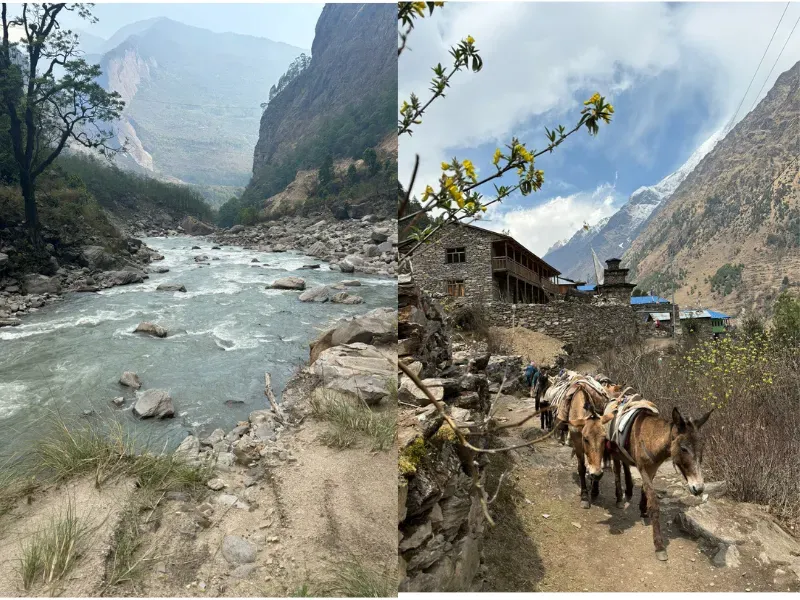
After Benighat, the route leaves the highway and follows the Budhi Gandaki River toward Arughat and Soti Khola. The road becomes rougher, and the drive slows down, giving you more time to enjoy the changing landscape. Waterfalls flow down the hillsides, suspension bridges cross the river, and small villages appear along the valley.

Most people living in this area belong to the Gurung community. Their stone houses, terraced fields, and farming lifestyle reflect the traditions of the region. As you continue north, traffic becomes lighter, the villages become smaller, and the mountains begin to feel closer. This drive is a gradual introduction to the remote Manaslu region before the trekking starts.

By late afternoon, you arrive at Machhakhola, a small riverside village that marks the starting point of the trek. After checking into your teahouse, you can relax, enjoy your first dinner in the mountains, and prepare your backpack for tomorrow's walk.

📋 Today's Journey

Route: Kathmandu → Benighat → Muglin → Arughat → Soti Khola → Machhakhola

Lunch Stop: Along the Prithvi Highway

Villages and Towns We Pass: Benighat, Muglin, Arughat, Soti Khola

Major Attractions: Trishuli River, Budhi Gandaki River, terraced farmland, waterfalls, suspension bridges, and traditional mountain villages

Local Culture: Traditional Gurung villages with stone houses, farming terraces, and local mountain traditions

Road Condition: Paved highway until Benighat, followed by a rough mountain road to Machhakhola

Weather and Travel Tips: Temperatures are usually warm at this altitude. Keep drinking water with you, wear comfortable clothes for the long drive, and expect a bumpy road after leaving the highway.

🍽️ Meals Included: Lunch & Dinner

🛏️ Accommodation: Family-run Traditional Teahouse

Day 02 Trek from Machhakhola to Jagat (1,410 m / 4,626 ft)

📍 Distance: Approx. 22 km / 13.7 miles
🕒 Walking Time: 6 to 7 Hours
⛰️ Highest Altitude: 1,410 m / 4,626 ft
🛏️ Overnight Altitude: 1,410 m / 4,626 ft

After breakfast, your first day on the trail begins by following the Budhi Gandaki River. The path goes up and down through small forests, rocky sections, and riverside trails. You will cross several suspension bridges and pass local people carrying supplies between villages. The sound of the river stays with you for most of the day.

The trail leads through Khorlabesi, where traditional stone houses sit beside the river. A little farther ahead, you reach Tatopani, a village known for its natural hot springs. Many trekkers stop here for a short break before continuing toward Dovan. The walk remains enjoyable with waterfalls, small streams, and green hills surrounding the valley.

Lunch is served at Dovan, a quiet riverside settlement. After lunch, the trail crosses a cantilever bridge before gradually climbing toward Jagat. As you get closer, the path becomes stone paved, and the village feels more organized than the settlements below. Jagat is the official entrance to the restricted Manaslu region, where your trekking permits are checked before you continue farther into the valley.After checking into your teahouse, you can enjoy a warm meal and relax while listening to the Budhi Gandaki River flowing nearby.

📋 Today's Journey

Route: Machhakhola → Khorlabesi → Tatopani → Dovan → Jagat

Lunch Stop: Dovan (1,070 m)

Villages We Pass: Khorlabesi, Tatopani

Major Attractions: Budhi Gandaki River, cantilever bridge, waterfalls, natural hot springs, stone-paved village of Jagat

Local Culture: Traditional Gurung villages with farming terraces and local mountain lifestyle

Trail Condition: Riverside paths, stone staircases, suspension bridges, and gradual uphill sections

Weather and Travel Tips: Carry enough drinking water and walk at a comfortable pace. The afternoon section includes a longer climb before reaching Jagat.

🍽️ Meals Included: Breakfast, Lunch & Dinner

🛏️ Accommodation: Family-run Traditional Teahouse

Day 03 Trek from Jagat to Deng (1,860 m / 6,102 ft)

📍 Distance: Approx. 20 km / 12.4 miles
🕒 Walking Time: 6 to 7 Hours
⛰️ Highest Altitude: 1,860 m / 6,102 ft
🛏️ Overnight Altitude: 1,860 m / 6,102 ft

Leaving Jagat, the trail climbs gradually before descending toward the river again. The landscape begins to change as you enter narrower valleys with higher cliffs and thicker forests. The walk includes several suspension bridges and short uphill climbs throughout the day.

You pass the large village of Philim, one of the biggest Gurung settlements in the region. The village has stone houses, cultivated fields, schools, and monasteries that reflect daily life in the mountains. Beyond Philim, the trail becomes quieter as it passes bamboo forests and small streams flowing into the Budhi Gandaki River.

Lunch is served at Chisopani, where you can rest before continuing through forest trails and crossing another suspension bridge. As the day continues, you may notice Tibetan Buddhist influences becoming more visible through prayer flags, mani walls, and small chortens beside the trail.

By late afternoon, you arrive at Deng, a peaceful village surrounded by forests and mountains. The evening is a good time to rest and prepare for the higher elevations ahead.

📋 Today's Journey

Route: Jagat → Salleri → Sirdibas → Philim → Chisopani → Deng

Lunch Stop: Chisopani (2,215 m)

Villages We Pass: Salleri, Sirdibas, Philim

Major Attractions: Budhi Gandaki Gorge, suspension bridges, bamboo forests, cultivated terraces

Local Culture: Gurung villages with the first signs of Tibetan Buddhist traditions

Trail Condition: Forest trails, stone paths, suspension bridges, and steady climbs

Weather and Travel Tips: The trail becomes slightly cooler as you gain elevation. Trekking poles can help on rocky sections and descents.

🍽️ Meals Included: Breakfast, Lunch & Dinner

🛏️ Accommodation: Family-run Traditional Teahouse

Day 04 Trek from Deng to Namrung (2,630 m / 8,629 ft)

📍 Distance: Approx. 19 km / 11.8 miles
🕒 Walking Time: 6 to 7 Hours
⛰️ Highest Altitude: 2,630 m / 8,629 ft
🛏️ Overnight Altitude: 2,630 m / 8,629 ft

The trail continues through forests and follows the Budhi Gandaki River before climbing higher into the mountains. The villages become smaller, and Tibetan Buddhist culture becomes part of everyday life. Prayer flags, mani walls, and stone chortens are seen more often as you move farther north.

You pass Rana, Bihi, and Ghap, where traditional stone houses stand among fields of buckwheat and barley. Lunch is served in Ghap before continuing through pine and rhododendron forests. Several suspension bridges connect both sides of the valley, making the walk varied throughout the day.

This area is also known for its wildlife. If conditions are right, you may see Blue Sheep (Bharal) on the rocky slopes or Langur monkeys moving through the trees.By afternoon, you arrive at Namrung, a beautiful mountain village with clear views of the surrounding Himalayan peaks.

📋 Today's Journey

Route: Deng → Rana → Bihi → Ghap → Namrung

Lunch Stop: Ghap (2,160 m)

Villages We Pass: Rana, Bihi, Ghap

Major Attractions: Budhi Gandaki River, suspension bridges, buckwheat fields, forests, mountain views

Local Culture: Tibetan Buddhist villages with monasteries, mani walls, and prayer flags

Trail Condition: Forest paths, river crossings, suspension bridges, and steady uphill walking

Weather and Travel Tips: The air becomes cooler as you gain altitude. Walk slowly, stay hydrated, and dress in layers.

🍽️ Meals Included: Breakfast, Lunch & Dinner

🛏️ Accommodation: Family-run Traditional Teahous

Day 05 Trek from Namrung to Shyala (3,530 m / 11,581 ft)

📍 Distance: Approx. 14 km / 8.7 miles
🕒 Walking Time: 5 to 6 Hours
⛰️ Highest Altitude: 3,530 m / 11,581 ft
🛏️ Overnight Altitude: 3,530 m / 11,581 ft

After breakfast, you leave Namrung and continue along a well-marked mountain trail. The walk starts with a gradual climb through forests before reaching the villages of Lihi and Sho. Stone houses, prayer wheels, and fields of barley and potatoes show how people have lived in these high mountains for generations.

As you gain elevation, the trees begin to thin out and the mountains become much more visible. The trail offers clear views of Mount Manaslu (8,163 m), Himal Chuli, and Naike Peak. Every turn brings a different view, making today's walk one of the most enjoyable on the trek.

You stop for lunch at Lho Village, where you can also visit the famous Ribung Monastery if time allows. It is an active monastery where local monks continue their daily prayers, and it gives you a better understanding of the culture of the upper Manaslu region.

After lunch, the trail climbs gently across open ground before reaching Shyala. Surrounded by high mountains, this peaceful village is one of the best places on the trek to enjoy the natural setting. After arriving at your teahouse, you can relax and prepare for the shorter walk to Samagaun tomorrow.

📋 Today's Journey


Route:
Namrung → Lihi → Sho → Lho → Shyala

Lunch Stop:
Lho (3,180 m)

Villages We Pass: Lihi, Sho, Lho

Major Attractions: Mount Manaslu, Himal Chuli, Naike Peak, Ribung Monastery, yak grazing fields

Local Culture: Traditional Tibetan Buddhist villages with monasteries, prayer wheels, mani walls, and stone houses

Trail Condition: Forest trails, gradual uphill paths, open alpine meadows, and well-maintained walking trails

Weather and Travel Tips: Temperatures become cooler above 3,000 meters. Walk slowly, drink plenty of water, and wear warm layers during the afternoon and evening.

🍽️ Meals Included: Breakfast, Lunch & Dinner

🛏️ Accommodation: Family-run Traditional Teahouse

Day 06 Trek from Shyala to Samagaun (3,530 m / 11,581 ft)

📍 Distance: Approx. 8 km / 5 miles
🕒 Walking Time: 4 to 5 Hours
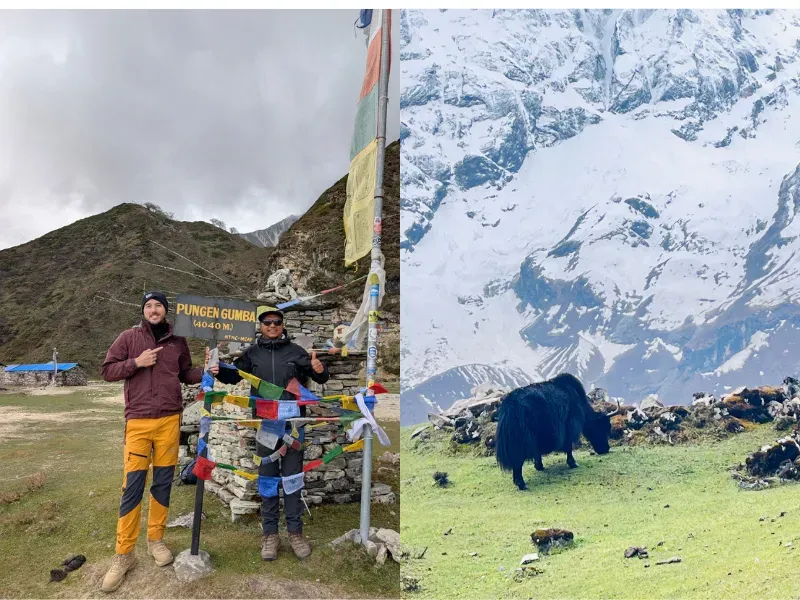
⛰️ Highest Altitude: Pungen Gumba 4040 M
🛏️ Overnight Altitude: 3,530 m / 11,581 ft

Today's walk is shorter, giving your body more time to adjust to the higher altitude. Leaving Shyala, the trail crosses wide alpine meadows where yaks and horses graze during the warmer months. The path is mostly gentle, allowing you to enjoy the mountain surroundings without rushing.

If the weather is clear, you can take a short side trip to Punggen Monastery. The monastery sits below Mount Manaslu and offers a close view of the glacier and surrounding peaks. Many trekkers spend some time here before returning to the main trail.

By early afternoon, you reach Samagaun, one of the largest villages on the Manaslu Circuit. The village has been home to Tibetan Buddhist families for centuries. Narrow stone paths, traditional houses, prayer wheels, and mani walls reflect the lifestyle of the local community. You can also visit the village's 450-year-old monastery, which remains an important religious center.The rest of the afternoon is free to explore the village, enjoy a warm drink, or rest before tomorrow's acclimatization hike.

📋 Today's Journey

Route: Shyala → Punggen Monastery (Optional) → Samagaun

Lunch Stop: Samagaun or Packed Lunch (if visiting Punggen Monastery)

Villages We Pass: No major villages

Major Attractions: Mount Manaslu, Punggen Monastery, yak pastures, alpine meadows, 450-year-old monastery

Local Culture: Traditional Tibetan Buddhist settlement with monasteries, prayer flags, mani walls, and local mountain traditions

Trail Condition:
Gentle alpine trails, open meadows, and easy walking with gradual elevation gain

Weather and Travel Tips: The thinner air may make walking feel slower. Keep a steady pace, stay hydrated, and avoid unnecessary physical effort.

🍽️ Meals Included: Breakfast, Lunch & Dinner

🛏️ Accommodation: Family-run Traditional Teahouse

Day 07 Acclimatization Day at Samagaun (3,530 m / 11,581 ft)

📍 Distance: Optional Hike
🕒 Walking Time: 2 to 7 Hours
⛰️ Highest Altitude: Approx. 4,800 m / 15,748 ft
🛏️ Overnight Altitude: 3,530 m / 11,581 ft

Today is an important day for acclimatization. Instead of continuing to a higher village, you stay in Samagaun to help your body adjust to the altitude. Although it is called a rest day, a short hike is recommended because gentle activity supports better acclimatization.

After breakfast, you can hike toBirendra Lake, a glacial lake located below the Manaslu Glacier. If you are feeling strong and the weather is good, you may continue to Manaslu Base Camp. The climb is longer and steeper, but it offers a closer look at the glacier and the surrounding mountains.

After spending some time at your chosen destination, you return to Samagaun along the same trail. The afternoon is free to rest, wash clothes, explore the village, or enjoy a quiet evening before heading toward higher elevations tomorrow.

📋 Today's Journey

Route: Samagaun → Birendra Lake or Manaslu Base Camp → Samagaun

Lunch Stop: Samagaun or Packed Lunch

Villages We Pass: No villages

Major Attractions: Manaslu Base Camp, Birendra Lake, Manaslu Glacier, yak grazing areas

Local Culture: Spend another day experiencing daily life in one of the oldest Tibetan Buddhist villages on the Manaslu Circuit.

Trail Condition: Rocky mountain trails with steady uphill sections during the optional hike

Weather and Travel Tips: Acclimatization is important before crossing Larke Pass. Drink plenty of water, eat well, and avoid climbing too quickly.

🍽️ Meals Included: Breakfast, Lunch & Dinner

🛏️ Accommodation: Family-run Traditional Teahouse

Day 08 Trek from Samagaun to Samdo (3,875 m / 12,713 ft)

📍 Distance: Approx. 8 km / 5 miles
🕒 Walking Time: 3 to 4 Hours
⛰️ Highest Altitude: 3,875 m / 12,713 ft
🛏️ Overnight Altitude: 3,875 m / 12,713 ft

After breakfast, you leave Samagaun and continue toward the last permanent village before Larke Pass. The trail follows the Budhi Gandaki River through a wide valley with a gentle climb, making today's walk shorter and easier than previous days. Since you are now at a higher elevation, walking slowly helps your body adjust to the thinner air.

The landscape changes as trees become fewer and open grazing fields replace the forests. Yaks can often be seen feeding in the pastures, while snow-covered peaks surround the valley. Along the way, you will enjoy clear views of Birendra Glacier, Samdo Peak, and the mountain route that leads toward the Nepal-Tibet border.

By lunchtime, you arrive in Samdo, a traditional Tibetan village where many families have lived for generations. The village has long been connected to the historic trade route between Nepal and Tibet. After checking into your teahouse, you can take a short walk around the village or simply relax and enjoy the mountain views before tomorrow's climb to Dharamsala.

📋 Today's Journey

Route: Samagaun → Samdo

Lunch Stop: Samdo

Villages We Pass: No major villages

Major Attractions: Budhi Gandaki Valley, Birendra Glacier, Samdo Peak, yak grazing fields, Nepal-Tibet trade route

Local Culture: Traditional Tibetan Buddhist village with stone houses, monasteries, prayer flags, and a long history of cross-border trade

Trail Condition: Wide valley trail with gradual uphill sections, rocky paths, and alpine meadows

Weather and Travel Tips: The temperature is cooler at this altitude, especially in the evening. Walk slowly, drink plenty of water, and avoid overexertion.

🍽️ Meals Included: Breakfast, Lunch & Dinner

🛏️ Accommodation: Family-run Traditional Teahouse

Day 09 Trek from Samdo to Dharamsala (4,460 m / 14,632 ft)

📍 Distance: Approx. 7 km / 4.3 miles
🕒 Walking Time: 4 to 5 Hours
⛰️ Highest Altitude: 4,460 m / 14,632 ft
🛏️ Overnight Altitude: 4,460 m / 14,632 ft

Today is a short walk, but the higher altitude makes every step feel more demanding. Leaving Samdo, the trail crosses open alpine land before crossing a wooden bridge over a glacial stream. The path then climbs steadily toward Dharamsala, also known as Larke Phedi, the final overnight stop before crossing Larke Pass.

As you gain altitude, the valley becomes more open and the vegetation becomes sparse. On clear days, the north face of Mount Manaslu dominates the skyline, while surrounding peaks and glaciers create an impressive mountain landscape.

You reach Dharamsala around lunchtime, giving you enough time to rest before tomorrow's early start. The lodges here are simple but comfortable enough for a night's stay. Most trekkers spend the afternoon organizing their equipment, filling water bottles, and preparing warm clothing for the pass crossing.Going to bed early is important because tomorrow begins before sunrise.

📋 Today's Journey

Route: Samdo → Dharamsala (Larke Phedi)

Lunch Stop: Dharamsala

Villages We Pass: No villages

Major Attractions: North face of Mount Manaslu, glacial streams, alpine valley, Larke Phedi

Local Culture: Seasonal mountain lodges serving trekkers crossing Larke Pass

Trail Condition: Gradual uphill trail across rocky alpine terrain with exposed sections

Weather and Travel Tips: Weather can change quickly above 4,000 meters. Keep warm clothing, gloves, and a headlamp ready for tomorrow's early morning departure.

🍽️ Meals Included: Breakfast, Lunch & Dinner

🛏️ Accommodation: Basic Mountain Lodge

Day 10 Trek from Dharamsala to Bhimthang via Larke Pass (5,106 m / 16,752 ft)

📍 Distance: Approx. 24 km / 15 miles
🕒 Walking Time: 8 to 10 Hours
⛰️ Highest Altitude: 5,106 m / 16,752 ft
🛏️ Overnight Altitude: 3,720 m / 12,205 ft

Today is the highest and longest day of the Manaslu Circuit Trek. You leave Dharamsala early in the morning, often before sunrise, using a headlamp during the first part of the climb. The trail rises gradually before becoming steeper as you approach Larke Pass. Walking at a slow and steady pace helps conserve energy at this altitude.

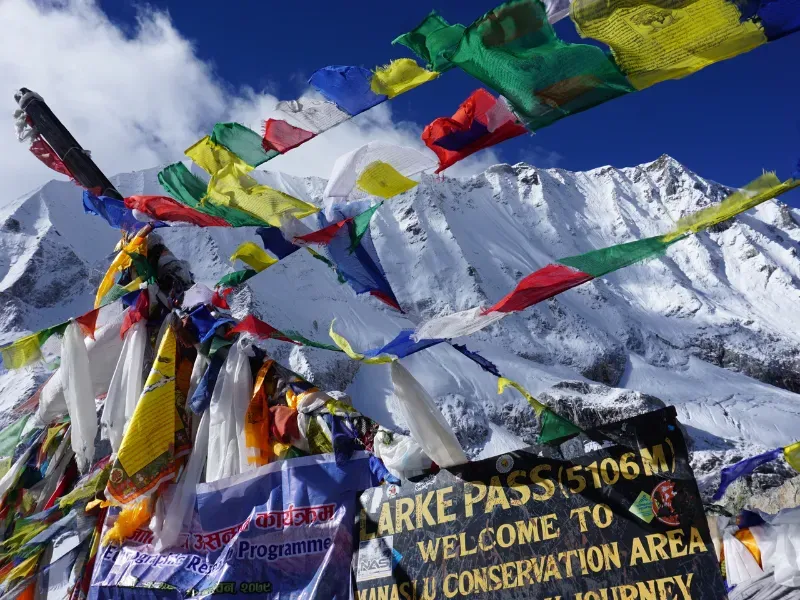
After several hours of climbing, you reach Larke Pass (5,106 m), the highest point of the trek. Prayer flags mark the pass, and many trekkers stop for a short rest before beginning the descent. On a clear day, you can see Himlung Himal, Cheo Himal, Annapurna II, Larke Glacier, Ponkar Lake, and several other snow-covered peaks.

The descent is long and follows rocky trails before reaching grassy meadows lower in the valley. As you lose elevation, breathing becomes easier and the landscape gradually changes. By late afternoon, you arrive at Bhimthang, where a warm meal and a comfortable bed are waiting after one of the most rewarding days of the trek.

📋 Today's Journey

Route: Dharamsala → Larke Pass → Bhimthang

Lunch Stop: Bhimthang Phedi (3,950 m)

Villages We Pass: No permanent villages

Major Attractions: Larke Pass (5,106 m), Larke Glacier, Ponkar Lake, Himlung Himal, Cheo Himal, Annapurna II

Local Culture: Historic mountain route connecting the Manaslu and Annapurna regions

Trail Condition: Steep climb to the pass followed by a long rocky descent into alpine meadows

Weather and Travel Tips: Start early, carry warm clothing, gloves, sunglasses, and enough water. Snow and strong winds are common near the pass, and weather conditions can change rapidly.

🍽️ Meals Included: Breakfast, Lunch & Dinner

🛏️ Accommodation: Traditional Teahouse

Day 11 Trek from Bhimthang to Tilije (2,300 m / 7,546 ft)

📍 Distance: Approx. 20 km / 12.4 miles
🕒 Walking Time: 6 to 7 Hours
⛰️ Starting Altitude: 3,720 m / 12,205 ft
🛏️ Overnight Altitude: 2,300 m / 7,546 ft

After yesterday's long climb over Larke Pass, today's walk is much more relaxed. You leave Bhimthang and begin a steady descent through open grasslands before entering forests of pine, fir, and rhododendron. As you lose altitude, the air becomes warmer and breathing feels easier.

The trail follows the Dudh Khola River, crossing several wooden and suspension bridges. Along the way, there are still good views of Larke Peak and the northern side of Mount Manaslu before the mountains slowly disappear behind the forests. The sound of flowing water and birds replaces the strong mountain winds from the higher valley.

Lunch is served at Gho, a small village surrounded by farmland. After lunch, the trail continues through cultivated fields and small settlements before reaching Tilije, a traditional Gurung village. Stone houses, narrow paths, and friendly local people give the village a welcoming atmosphere.

After checking into your teahouse, you can relax and enjoy a comfortable evening after returning to a lower altitude.

📋 Today's Journey

Route: Bhimthang → Surti Khola → Gho → Tilije

Lunch Stop: Gho (2,515 m)

Villages We Pass: Surti Khola, Gho

Major Attractions: Dudh Khola River, Larke Peak, pine and rhododendron forests, suspension bridges, mountain streams

Local Culture: Traditional Gurung villages where farming and livestock are part of daily life

Trail Condition: Mostly downhill forest trails with river crossings, wooden bridges, and stone paths

Weather and Travel Tips: The temperature becomes warmer as you descend. Trekking poles are helpful for the long downhill sections.

🍽️ Meals Included: Breakfast, Lunch & Dinner

🛏️ Accommodation: Family-run Traditional Teahouse

Day 12 Trek from Tilije to Dharapani and Drive to Besisahar

📍 Distance: Approx. 8 km Trek + 45 km Drive
🕒 Duration: 3 Hours Trek + 4 Hours Drive
⛰️ Highest Altitude: 2,300 m / 7,546 ft
🛏️ Overnight Altitude: 760 m / 2,493 ft (Besisahar)
🚙 Transportation: Shared Jeep

Today is your final morning on the trail. After breakfast, you leave Tilije and follow an easy path through forests and farmland. The trail passes traditional villages before reaching Tal, a beautiful village built beside the Marsyangdi River. From here, you continue toward Dharapani, where the Manaslu Circuit joins the famous Annapurna Circuit Trek.

Lunch is served in Dharapani before boarding a shared jeep for the drive to Besisahar. The road follows the Marsyangdi River, passing waterfalls, terraced hills, and small roadside settlements. Along the way, you pass the well-known Octopus Waterfall, one of the popular photo stops in the area.

By late afternoon, you arrive in Besisahar. After many nights in mountain villages, staying in a comfortable lodge with modern facilities feels like a nice way to end the trekking section of your adventure.

📋 Today's Journey

Route: Tilije → Tal → Dharapani → Besisahar

Lunch Stop: Dharapani (1,860 m)

Villages We Pass: Tal, Jagat

Major Attractions: Marsyangdi River, Octopus Waterfall, Annapurna Circuit junction, traditional villages

Local Culture: Experience the mixed cultures of the Marsyangdi Valley, where Gurung, Tibetan, and other local communities live together.

Trail Condition: Easy walking trail followed by a rough mountain road during the jeep drive

Weather and Travel Tips: The lower elevation brings warmer temperatures. Keep your camera ready for the drive, as there are many waterfalls and river views along the route.

🍽️ Meals Included: Breakfast, Lunch & Dinner

🛏️ Accommodation: Hotel or Lodge in Besisahar

Day 13 Drive to Kathmandu (1,400 m)

📍 Distance: Approx. 175 km / 109 miles
🕒 Driving Time: 6 to 7 Hours
⛰️ Overnight Altitude: 1,400 m / 4,593 ft
🚐 Transportation: Tourist Bus or Private Vehicle

After breakfast, you begin the drive back to Kathmandu. The road follows the Marsyangdi River before joining the Prithvi Highway near Dumre. As the journey continues, the Trishuli River stays beside the road for much of the drive. Along the way, you pass highway towns, local markets, green hills, and terraced farmland.The drive offers time to reflect on the past two weeks. From quiet mountain villages and high passes to rivers, forests, and monasteries, the Manaslu Circuit has taken you through many different landscapes and cultures.

As Kathmandu comes into view, the busy streets and city life feel very different from the peaceful trails you have just completed.After arriving at your hotel, the rest of the day is free. You may choose to relax, visit nearby cafés, or explore Thamel for some last-minute shopping.

📋 Today's Journey

Route: Besisahar → Dumre → Muglin → Benighat → Kathmandu

Lunch Stop: Benighat

Villages and Towns We Pass: Dumre, Muglin, Benighat and other highway towns

Major Attractions: Marsyangdi River, Trishuli River, terraced hills, roadside villages, Prithvi Highway

Local Culture: Observe everyday life along Nepal's main highway before returning to the capital city.

Road Condition: Paved highway with winding mountain roads

Weather and Travel Tips: Traffic can be busy near Kathmandu, so travel times may vary depending on road conditions.

🍽️ Meals Included: Breakfast, Lunch &Dinner

🛏️ Accommodation: Hotel not included

Day 14 Final Departure

📍 Distance: Approx. 7 km / 4.3 miles
🕒 Driving Time: About 30 Minutes
🚐 Transportation: Private Airport Transfer

Today marks the end of your Manaslu Circuit Trek. Depending on your flight schedule, you will have breakfast at the hotel before meeting our representative for your transfer to Tribhuvan International Airport.The drive to the airport usually takes around 30 minutes, depending on traffic. We recommend arriving at least three hours before your international flight. Before leaving the hotel, please make sure you have your passport, travel documents, and personal belongings.

We hope your time in Nepal has been enjoyable and that the experiences, people, and places you discovered along the Manaslu Circuit stay with you long after your journey ends. We look forward to welcoming you back for another trekking adventure in the Himalayas.

📋 Today's Journey

Airport Transfer: Hotel → Tribhuvan International Airport

Major Attractions: Comfortable transfer to the airport

Fixed Departures

Inclusion

Transportation

  • Airport pickup and drop-off in Kathmandu by private vehicle.
  • Private transfers between your hotel and the bus station in Kathmandu.
  • Public bus transportation from Kathmandu to Machhakhola.
  • Shared jeep transportation from Dharapani to Besisahar.
  • Public bus transportation from Besisahar to Kathmandu.

Accommodation

  • 12 nights of clean and comfortable tea house accommodation during the trek.

Meals

  • Full-board meals during the trek, including breakfast, lunch, and dinner.
  • Farewell dinner in Kathmandu before departure.
  • Seasonal fruit served as dessert during the trek (complimentary from Himalayan Hero).

Guide and Trekking Staff

  • Experienced, government-licensed English-speaking trekking guide.
  • Guide and porter expenses, including meals, accommodation, salary, transportation, insurance, equipment, and local taxes.

Permits and Fees

  • All required trekking permits and restricted area permits.
  • Special permit processing and paperwork.
  • Government taxes and official service charges.

Safety and Trek Support

  • Group first aid kit carried by the guide.
  • Sleeping bag provided on request (subject to availability).
  • Manaslu and Tsum Valley trekking map.

Complimentary Services from Himalayan Hero

  • Himalayan Hero trekking cap.
  • Duffle bag for porter use during the trek.
  • Trek achievement certificate.
  • Sleeping Bag if required
  • Water Purification Tablets
  • Farewell dinner before departure.

Important Note: Porter service for carrying your personal luggage is available as an optional add-on and is not included in the standard package. Transportation is based on the itinerary and may use public buses or shared jeeps where specified.

Exclusion


Travel Documents and Insurance

  • Nepal entry visa fees.
  • Personal travel and emergency rescue insurance.

Accommodation

  • Hotel accommodation in Kathmandu before or after the trek unless specifically included in your itinerary.

Personal Trekking Equipment

  • Personal trekking clothing and equipment.
  • Equipment rental, if required.

Optional Services

  • Porter service for carrying personal luggage (USD 210 per porter for the 13-day trek, subject to change).

Personal Expenses

  • Alcoholic beverages, bottled water, soft drinks, tea, coffee, and snacks outside the included meals.
  • Hot showers, Wi-Fi, device charging, and laundry services at tea houses.
  • Souvenirs and other personal purchases.

Tips

  • Tips for your trekking guide, porter, and other support staff. Tipping is appreciated but optional.

Additional Costs

  • Expenses resulting from itinerary changes due to weather, road conditions, flight delays, natural events, illness, or personal reasons.
  • Any services not specifically listed under What's Included.

Important Note: We recommend purchasing comprehensive travel insurance that covers high-altitude trekking, emergency medical treatment, and helicopter evacuation, as these costs are not included in the package.

FAQs about travel in himalayanhero.com

What is the Manaslu Circuit Trek?

The Manaslu Circuit Trek is one of Nepal's most scenic and less-crowded trekking routes, circling Mount Manaslu (8,163 m), the world's eighth-highest mountain. The trail passes through traditional mountain villages, Buddhist monasteries, forests, and the spectacular Larkya La Pass (5,106 m). Compared with the Everest Base Camp and Annapurna Circuit, the Manaslu Circuit offers a more remote and authentic Himalayan experience while remaining accessible to well-prepared trekkers.

How difficult is the Manaslu Circuit Trek?

The Manaslu Circuit Trek is rated as moderately difficult to challenging. Most trekking days involve 6–8 hours of walking on steep, rocky trails, with the highest point at Larkya La Pass (5,106 m). No technical climbing skills are required, but good physical fitness and proper acclimatization are essential. If you regularly hike or train before your trip, the trek is achievable for most healthy adults.

How many days does the Manaslu Circuit Trek take?

The standard Manaslu Circuit Trek takes 14 days, including acclimatization. Shorter itineraries of 12 days are possible, while 15–16 day itineraries offer a more relaxed pace. If you plan to visit the Tsum Valley, allow 18–20 days for the complete adventure.

When is the best time to trek the Manaslu Circuit?

The best seasons are March to May and September to November. Spring offers blooming rhododendron forests and mild temperatures, while autumn provides stable weather, crystal-clear mountain views, and ideal trekking conditions. October and early November are widely regarded as the best months for the Manaslu Circuit Trek.

Can I do the Manaslu Circuit Trek without a guide?

No. The Manaslu region is a restricted trekking area, and independent trekking is not permitted. You must trek with a licensed guide, and your permits must be arranged through a registered trekking agency in Nepal. This regulation helps ensure visitor safety and supports responsible tourism in the region.

What permits are required for the Manaslu Circuit Trek?

You need three permits for the Manaslu Circuit Trek: Manaslu Restricted Area Permit (RAP) Manaslu Conservation Area Permit (MCAP) Annapurna Conservation Area Permit (ACAP) If your itinerary includes Tsum Valley, an additional permit is required. When you book with us, we arrange all permits before your trek begins.

How much does the Manaslu Circuit Trek cost?

A guided Manaslu Circuit Trek typically costs USD 1,000–2,000, depending on the itinerary, group size, accommodation, transportation, and included services. Most packages include permits, a licensed guide, accommodation, ground transportation, and meals during the trek. Contact us for the latest pricing and customized itineraries.

Is the Manaslu Circuit Trek harder than Everest Base Camp?

Both treks are challenging, but many trekkers find the Manaslu Circuit slightly more demanding due to its longer walking days, more remote location, and the crossing of Larkya La Pass at 5,106 meters. However, it is also much quieter, making it an excellent choice for trekkers seeking a more peaceful Himalayan experience.

Can beginners do the Manaslu Circuit Trek?

Yes, beginners with good fitness and determination can complete the Manaslu Circuit Trek. The key is choosing a well-paced itinerary with proper acclimatization and trekking with experienced guides. Regular cardio training, hiking, and strength exercises before your trip will significantly improve your experience.

What should I pack for the Manaslu Circuit Trek?

Essential gear includes waterproof trekking boots, layered clothing, a down jacket, warm sleeping bag, trekking poles, gloves, sunglasses, sunscreen, a headlamp, and a 35–45L daypack if you have a porter. High-quality gear helps keep you comfortable in changing mountain weather.

Can I rent trekking gear in Kathmandu?

Yes. Kathmandu has many reputable outdoor shops where you can rent sleeping bags, down jackets, trekking poles, backpacks, and other essential equipment. Renting gear is a practical option for trekkers who do not want to purchase expensive equipment for a single trip.

Why choose our Manaslu Circuit Trek?

Our Manaslu Circuit Trek is led by experienced, government-licensed guides who know the region intimately. We arrange all required permits, comfortable tea house accommodation, reliable transportation, and 24/7 local support. With small group sizes, flexible departures, and a strong focus on safety and personalized service, we make your journey through the Manaslu region smooth, memorable, and rewarding from arrival to departure.

Are there any hidden costs on the Manaslu Circuit Trek?

Most trekking packages cover the main expenses, but you should budget extra for drinks, snacks, hot showers, Wi-Fi, charging electronic devices, personal trekking gear, travel insurance, tips for guides and porters, and any emergency expenses not covered by your insurance.

How much spending money should I bring on the Manaslu Circuit Trek?

Most trekkers carry USD 150–300 (or the equivalent in Nepali Rupees) for personal expenses during the trek. This usually covers beverages, snacks, internet, battery charging, laundry, souvenirs, and tips. Since there are no ATMs along the trail, it's important to bring enough cash before starting the trek.

What kind of accommodation is available on the Manaslu Circuit Trek?

Accommodation is mainly in traditional tea houses that offer simple but comfortable rooms. Most tea houses provide twin-sharing rooms with shared bathrooms, while some lower-elevation villages offer attached bathrooms and improved facilities. Accommodation becomes more basic at higher elevations.

Manaslu Circuit Trek vs Annapurna Circuit: Which is better?

Both treks offer incredible Himalayan scenery, but they provide different experiences. The Manaslu Circuit Trek is quieter, more remote, and offers a stronger sense of wilderness and cultural authenticity. The Annapurna Circuit has better infrastructure, more accommodation options, and easier accessibility. If you prefer fewer crowds and a more adventurous journey, the Manaslu Circuit Trek is an excellent choice.

Manaslu Circuit Trek vs Everest Base Camp: Which should I choose?

Choose the Manaslu Circuit Trek if you want a remote trail, diverse landscapes, and fewer trekkers. Choose Everest Base Camp if reaching the foot of the world's highest mountain is your dream. Both treks are rewarding, but the Manaslu Circuit provides a more peaceful and less commercial trekking experience.

What are the latest Manaslu Circuit Trek trail updates?

Road conditions, trekking routes, permit regulations, and weather can change each season. Before your departure, check with your trekking operator for the latest trail updates, transportation information, and permit requirements to ensure a smooth trekking experience.

Is travel insurance required for the Manaslu Circuit Trek?

Travel insurance is not mandatory but is strongly recommended. Your policy should cover high-altitude trekking above 5,000 meters, emergency helicopter evacuation, medical treatment, trip cancellation, and personal belongings.

Is the Manaslu Circuit Trek safe?

Yes. The Manaslu Circuit Trek is considered safe when completed with a licensed guide and proper acclimatization. Following your guide's advice, staying hydrated, and ascending gradually significantly reduce the risk of altitude-related illness and other trekking hazards.

Is there mobile network and Wi-Fi on the Manaslu Circuit Trek?

Mobile network coverage is available in many villages but becomes limited at higher elevations. Wi-Fi is offered at some tea houses for an additional fee, although connection speeds may be slow and unreliable in remote areas.

Are there ATMs on the Manaslu Circuit Trek?

No. There are no reliable ATMs along most of the Manaslu Circuit Trek. Withdraw enough Nepali Rupees in Kathmandu before starting the trek, as tea houses and local shops generally accept cash only.

Where does the Manaslu Circuit Trek start and end?

The Manaslu Circuit Trek usually starts at Machha Khola after a scenic drive from Kathmandu. Most itineraries finish at Dharapani, where trekkers drive back to Kathmandu or continue to the Annapurna region.

What food is available during the Manaslu Circuit Trek?

Tea houses serve a variety of freshly prepared meals, including Dal Bhat, noodles, fried rice, soups, pasta, potatoes, pancakes, eggs, and Tibetan bread. Vegetarian meals are widely available and are often recommended at higher altitudes.

Can I book a private Manaslu Circuit Trek?

Yes. Private Manaslu Circuit Trek packages are available and offer greater flexibility in itinerary, departure dates, and trekking pace. Private treks are ideal for couples, families, friends, and small groups looking for a personalized Himalayan experience.

Can I do the Manaslu Circuit Trek solo?

No. Solo trekking is not permitted on the Manaslu Circuit Trek because it passes through a restricted area of Nepal. To obtain the required Manaslu Restricted Area Permit (RAP), you must book through a government-registered trekking agency and trek with a licensed guide. Nepal's regulations also require at least two trekkers on the permit, although many agencies can match solo travelers with another trekker to meet this requirement. If you're traveling alone, you can still enjoy the Manaslu Circuit Trek by joining a group departure or booking a private trek with a licensed guide.

12-day Manaslu Circuit Trek itinerary and map?

A 12-day itinerary is possible but aggressive, eliminating acclimatization days. It follows: Kathmandu-Soti Khola-Machha Khola-Jagat-Deng-Namrung-Samagaon-Samdo-Dharamsala-Bimthang-Tilije-Dharapani-Kathmandu. This compressed schedule increases altitude sickness risk and limits flexibility for weather delays. We recommend the 14-day itinerary for safety and enjoyment. Maps are available through trekking agencies or downloadable from the Nepal Tourism Board.

Can we end our trek in Pokhara?

Yes, you can end your Manaslu Circuit Trek in Pokhara instead of returning to Kathmandu. After reaching Dharapani or Besisahar, you can continue your journey by road toward Pokhara, enjoying a scenic drive through the Marsyangdi River valley and beautiful hillside landscapes.

Can we customize the Manaslu Circuit Trek?

Yes, the Manaslu Circuit Trek can be fully customized based on your preferences, schedule, and fitness level. For a personalized itinerary, private trips, or special requests, you can contact us directly on WhatsApp at +9779801127073 and talk with our trekking expert.

Customer Reviews


L

Liam McCorkindale

"Had an amazing Manaslu trek with Dhiraj and Bim. Both looked after me exceptionally well always making sure I was alright and going out of there way to make sure I had the best accommodation at every stop. Can't recommend highly enough!"

May 30, 2026

P

Paul - France

"Manaslu circuit with Brabeen We had a really great time with Brabeen along the trek! He’s an experienced guide who knows all the good places :) The Manaslu circuit is a varied trek with all kind of scenic landscapes. ( be prepared it’s pretty tough)"

April 14, 2026

C

Charlotte - Germany

"Great experience, loved it! The Manaslu circuit was a great experience with our guide Brabeen. He took so good care of us and was also really kind and funny. Would definately recommend to go with him. The trek was tough but we (3) and Brabeen were a team the whole way."

April 14, 2026

USD 950.00 per person

Secure Your Booking with Just 10% Down!