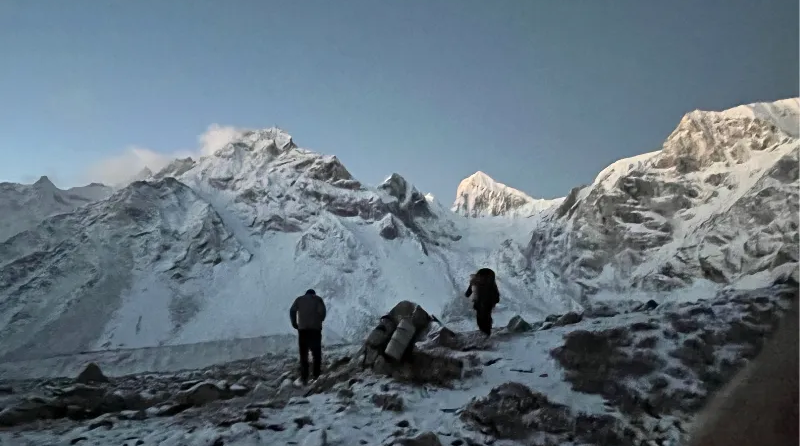
What if your idea of a great Himalayan trek isn’t walking behind a line of twenty other trekkers?That was the thought that came to mind when I first heard about the Kori Trek. Nepal has no shortage of famous trekking routes, and honestly, there’s nothing wrong with choosing a well-known trail. But sometimes you want something a little different. You want a trail where the mountains feel close, the villages still feel genuinely local, and the day doesn’t revolve around rushing from one viewpoint to another.
The Kori Trek offers exactly that kind of experience. The route passes through Sikles, Hugu Goth, Kapuche Lake, Kori Danda, and Tasa, with plenty of changing scenery along the way. You get forests, traditional Gurung settlements, alpine landscapes, a glacial lake, and wide Himalayan views without needing to commit to one of Nepal’s longest high-altitude expeditions.If you’re planning this trek, you’re probably wondering about the route, duration, difficulty, best season, accommodation, food, packing list, and how Kori compares with popular options such as Poon Hill and Mardi Himal. So, let’s walk through it.
How Long Does the Kori Trek Take?
The Kori Trek usually takes around 6 to 8 days, depending on your pace, itinerary, transportation, weather, and whether you include extra time around Kapuche Lake. A comfortable itinerary generally follows the route from Pokhara to Sikles, then toward Hugu Goth and Kapuche Lake before climbing toward Kori Danda and descending through Tasa to Sikles and Pokhara.
A typical 8-day itinerary could look like this:
| Day |
Route |
Main Highlight |
| Day 1 |
Pokhara → Sikles |
Scenic drive and Gurung village |
| Day 2 |
Sikles → Hugu Goth |
Forest trails and mountain scenery |
| Day 3 |
Hugu Goth → Kapuche Lake |
Kapuche Lake and alpine surroundings |
| Day 4 |
Kapuche Lake → Hugu Goth |
Return through the mountain landscape |
| Day 5 |
Hugu Goth → Kori Danda |
Climb toward the main viewpoint |
| Day 6 |
Kori Danda → Tasa |
Himalayan views and descent |
| Day 7 |
Tasa → Sikles |
Rural trails and village life |
| Day 8 |
Sikles → Pokhara |
Return to Pokhara |
This is a planning example rather than a fixed rule. Weather, trail conditions, accommodation availability, transport schedules, and your walking speed can all change the timing. If you like taking photographs or simply stopping every five minutes because another mountain has appeared in front of you, adding some flexibility is a very good idea.
What Is the Kori Trek Actually Like?
The Kori Trek is a relatively quiet trekking route in the Annapurna region of Nepal, known for its combination of traditional villages, forest trails, alpine terrain, and panoramic mountain scenery. The journey begins around Sikles and gradually moves into higher landscapes before reaching Kori Danda, one of the major highlights of the trek.
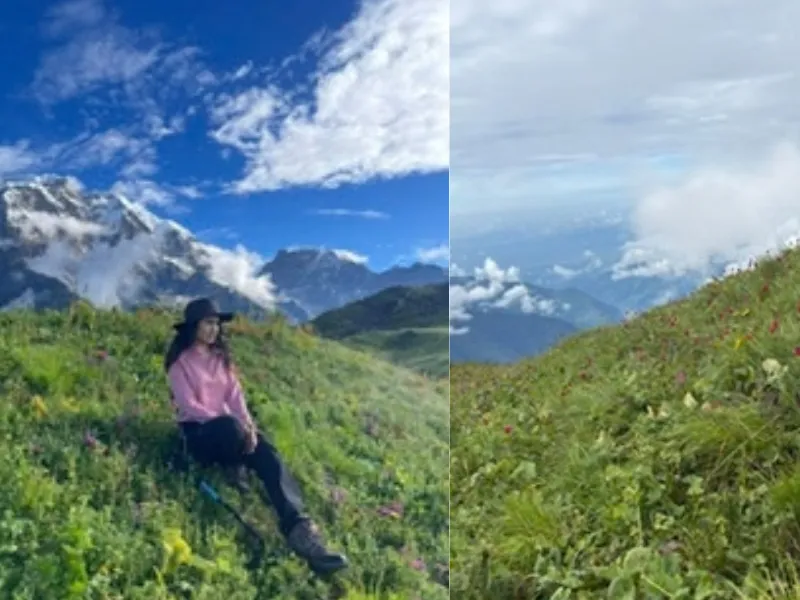
What I particularly like about this route is the change in atmosphere as you gain altitude. You start around a living mountain community rather than immediately jumping into a wilderness setting. Then the houses become fewer, the forests become thicker, and eventually the landscape opens into broad Himalayan terrain. It feels like the trail is slowly peeling away layers of everyday life.
Why Start the Kori Trek From Pokhara?
Pokhara is the natural starting point for the Kori Trek because Sikles is reached by road from the city. That makes the beginning of the journey fairly straightforward, especially compared with treks that require a flight or a long multi-day road journey before the walking even begins.
The drive toward Sikles is part of the experience itself. You move away from the busy lakeside atmosphere and into smaller settlements, winding roads, hillsides, and rural landscapes. Once you arrive in Sikles, the feeling changes completely. The village becomes your introduction to the culture and environment of the trek.
What Makes Sikles Worth Visiting?
Sikles is more than a place to sleep before the trail starts. It is a traditional Gurung settlement with stone-built houses, narrow paths, local homes, and a strong mountain-community atmosphere. Spending some time here gives you a chance to slow down before the walking gets more demanding.
I’d actually recommend not treating Sikles like a quick checkpoint. Wander around. Look at the architecture. Have a cup of tea. Watch the village wake up or settle down in the evening. These little moments often become the memories you remember longer than a particular photograph.
What Is the Trail From Sikles to Hugu Goth Like?
The walk from Sikles to Hugu Goth gradually moves away from the village environment and deeper into the natural landscape. Forested sections dominate much of the route, while the changing elevation gives you increasingly different views of the surrounding mountains.
This is one of those days when your legs may complain before your brain does. The trail isn’t simply a flat stroll, but the scenery keeps giving you reasons to continue. The sound of the forest, occasional mountain views, and quiet trail create a very different atmosphere from Nepal’s busier trekking routes.
Why Is Kapuche Lake One of the Highlights of the Kori Trek?
Kapuche Lake is one of the signature attractions of the Kori Trek, sitting at roughly 2,400 meters and surrounded by dramatic mountain terrain. Its location makes the lake especially interesting because it feels unexpectedly alpine compared with the lower villages you passed earlier in the journey.
The walk from Hugu Goth to Kapuche Lake can be one of the most memorable parts of the itinerary. When the landscape opens up around the lake, there’s a natural temptation to stop, stare, and forget that you’re supposed to be walking somewhere. Give yourself time here. A rushed photograph and a rushed trek rarely make a good combination.
Do You Return to Hugu Goth After Kapuche Lake?
Yes. A common itinerary returns from Kapuche Lake to Hugu Goth before continuing toward Kori Danda. This creates a useful rhythm in the trek, allowing you to experience Kapuche Lake without forcing the entire itinerary into an unnecessarily long walking day.
The return journey also gives you a chance to see familiar scenery from a different direction. Mountain trails have a funny habit of doing that. A section that looked ordinary while climbing can suddenly look completely different when you’re heading back down.
How Do You Reach Kori Danda From Hugu Goth?
The journey from Hugu Goth to Kori Danda brings one of the major climbs of the trek. As you gain elevation, the surroundings become more open and alpine, with fewer signs of permanent settlement and a stronger sense of being in the high mountains.
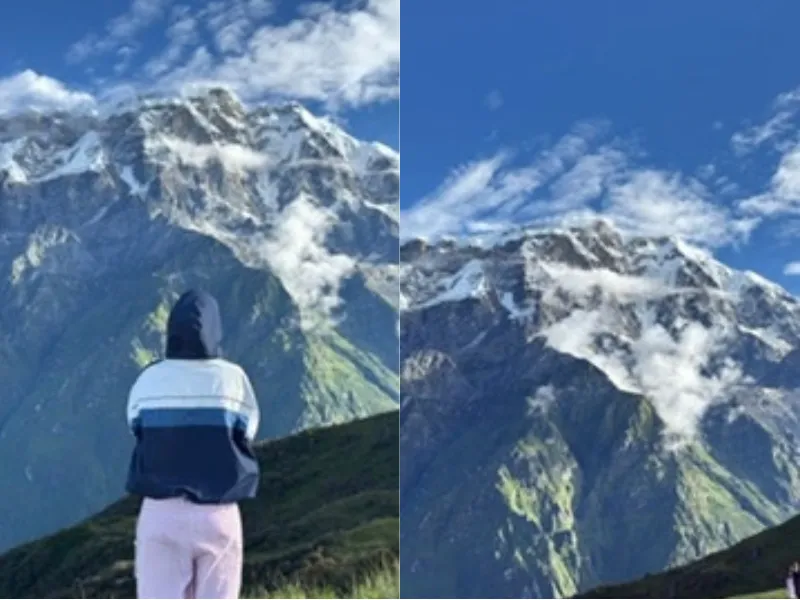
Kori Danda sits at roughly 3,800 meters, so this section deserves respect. It’s not the place to race your trekking partner because they looked suspiciously energetic that morning. Take your time, drink water, watch how your body feels, and allow yourself to adjust to the increasing altitude.
What Can You Expect at Kori Danda?
Kori Danda is one of the main high points and viewpoint areas of the trek, offering expansive Himalayan scenery. The sense of space is a big part of the attraction. After walking through forests and villages, arriving in an open mountain environment can feel like someone suddenly pulled the curtains away.
The experience is especially rewarding around sunrise and sunset when the changing light touches the surrounding peaks and ridges. Weather, of course, gets the final vote. Some mornings may deliver a crystal-clear mountain panorama, while others may offer clouds and a much moodier landscape.
What Happens After Kori Danda?
After spending time around Kori Danda, the route continues toward Tasa. This section gradually takes you away from the high point and begins the descent through changing terrain.
Descending can feel deceptively easy because there’s no uphill battle. Then your knees have a private meeting about it. Trekking poles can be useful here, particularly if the trail is wet or uneven. The changing scenery also makes this part enjoyable because you begin moving back toward greener and more settled surroundings.
How Do You Return From Tasa to Pokhara?
From Tasa, the route continues toward Sikles, where you reconnect with the road network for the journey back to Pokhara. The final section feels noticeably different from the higher portions of the trek because you’re gradually returning to villages and more familiar infrastructure.
Reaching Pokhara can bring mixed feelings. Your body may be ready for a shower, proper bed, and a meal that doesn’t come from a trekking kitchen, while another part of you is still mentally somewhere above the clouds.
Is the Kori Trek Difficult?
The Kori Trek is generally considered a moderate trek, but its difficulty depends heavily on your fitness, previous trekking experience, walking pace, weather, and altitude. The elevation gain toward Kori Danda is the biggest factor to consider, particularly for trekkers who are not accustomed to Himalayan terrain.
You don’t necessarily need to be an elite athlete. What matters more is being prepared for consecutive days of walking, uphill sections, uneven trails, and changing weather. A few weeks of regular walking, stair climbing, hiking, or cardiovascular exercise before the trip can make a noticeable difference.
Kori Trek vs Poon Hill: How Are They Different?
Poon Hill and Kori offer different trekking experiences. Poon Hill is more established and popular, with easier access and a famous sunrise viewpoint at around 3,210 meters. Kori, by comparison, offers a quieter route with a combination of Kapuche Lake, Gurung villages, forest landscapes, and Kori Danda.
If you’re comparing the two, think about what you actually want from the trip. Poon Hill can suit someone looking for a classic short Annapurna experience, while Kori may appeal to someone who wants a less conventional route and more time away from heavily traveled trekking corridors.
Kori Trek vs Mardi Himal: Which Experience Is Different?
The Mardi Himal Trek reaches higher elevations, with the upper route climbing toward approximately 4,500 meters, depending on the itinerary and stopping point. Kori Danda is lower at roughly 3,800 meters, but Kori has its own appeal through Kapuche Lake, village culture, and a quieter trail atmosphere.
Mardi Himal is more established and has become a popular choice for trekkers seeking dramatic high-altitude viewpoints. Kori offers a different rhythm, with the route feeling more exploratory and less focused on one famous mountain viewpoint.
| Feature |
Kori Trek |
Poon Hill Trek |
Mardi Himal Trek |
| Approx. high point |
Kori Danda, ~3,800 m |
Poon Hill, ~3,210 m |
Upper Mardi area, ~4,500 m |
| Main attractions |
Kapuche Lake, Kori Danda, Gurung villages |
Sunrise views, villages, Annapurna scenery |
Mardi Himal views, alpine terrain |
| Trail atmosphere |
Quieter |
More established and busy |
Popular |
| Typical duration |
6–8 days |
Around 4–6 days |
Around 5–7 days |
| Cultural experience |
Strong Gurung village experience |
Strong village experience |
Village and mountain experience |
| Lake experience |
Kapuche Lake |
Not a central feature |
Not a central feature |
The right choice depends on your preferred route, available time, desired elevation, and the kind of trekking environment you enjoy. There isn’t a single trek that fits everybody, and that’s probably a good thing.
When Is the Best Time for the Kori Trek?
The best seasons for the Kori Trek are generally spring and autumn, when conditions are typically more favorable for trekking and mountain views. Spring usually brings pleasant temperatures and blooming vegetation, while autumn often offers clearer mountain visibility after the monsoon period.
Winter can bring colder conditions and snow at higher elevations, while the monsoon season can mean rain, slippery trails, clouds, and reduced mountain visibility. That doesn’t automatically make those seasons impossible, but they require more careful planning and realistic expectations.
Where Do You Stay During the Kori Trek?
Accommodation on the Kori Trek is generally basic, particularly as you move farther from larger settlements. Depending on the section of the route and current availability, you may stay in local lodges, teahouses, or simple community-run accommodation.
This is not a luxury-hotel trek, and honestly, that’s part of its character. Expect simple rooms, basic bedding, shared facilities in some places, and fewer amenities than you might find in more commercial trekking areas. Bring a warm sleeping bag if recommended for the season, and don’t expect your phone charger to become your best friend every night.
What Kind of Food Can You Get?
Food along the route is generally simple trekking fare, with dishes such as dal bhat, noodles, rice, soup, eggs, potatoes, tea, and other locally available meals. Dal bhat remains a classic trekking option because it’s filling and familiar.
Food choices become more limited at higher and more remote sections of the trail. I usually think of this as part of the experience rather than a problem. After several hours of walking, even an uncomplicated plate of dal bhat can taste like five-star cuisine.
What Should You Pack for the Kori Trek?
Packing for Kori means preparing for changing temperatures, uneven trails, altitude, and potentially unpredictable mountain weather. Avoid carrying your entire bedroom on your back. A sensible, layered packing strategy works much better.
- Good trekking shoes with reliable grip
- Warm layers and a waterproof outer layer
- Trekking trousers and comfortable base layers
- Warm hat, gloves, and sun protection
- Sunglasses and sunscreen
- Reusable water bottle or hydration system
- Water purification tablets or a suitable filter
- Basic first-aid and personal medication
- Headlamp with spare batteries
- Trekking poles
- Sleeping bag appropriate for the season
- Power bank
- Snacks such as nuts, chocolate, or energy bars
- Backpack or duffel suitable for your trekking setup
- Personal toiletries and quick-drying towel
The most important thing is to pack for the conditions you may actually encounter, not the conditions you hope to encounter. Mountains have their own personality, and they don’t always read your itinerary.
Is the Kori Trek Suitable for First-Time Trekkers?
Yes, the Kori Trek can be suitable for beginners who have reasonable fitness and prepare properly, although first-time trekkers should take the altitude and multi-day walking seriously. The route includes uphill sections and reaches around 3,800 meters, so basic preparation is important.
If this is your first Himalayan trek, consider training beforehand with regular walks and some uphill or stair sessions. More importantly, don’t treat slow walking as failure. In the mountains, steady often beats fast. Listen to your guide, pay attention to how you feel, and give your body enough time to adjust.
Is the Kori Trek Right for You?
If you’re looking for a trek with traditional villages, quieter trails, Kapuche Lake, forest scenery, and Himalayan views, Kori is worth considering. It sits in an interesting middle ground: more adventurous than a very short viewpoint trek, but considerably less demanding than many long high-altitude expeditions.
It may not be the ideal choice if you want polished infrastructure, lots of nightlife, luxury accommodation, or a trail packed with services. But if your idea of a good trip involves walking through a forest in the morning, reaching a mountain viewpoint later, eating a simple hot meal, and looking at an enormous sky before bed, then the Kori experience may be exactly what you’re after.
Ready to Explore the Annapurna Region?
Planning an Annapurna trek is about more than choosing a trail and packing your backpack. Route planning, transportation, accommodation, permits, guides, weather, and altitude all come into the picture. Having a local trekking team can make those details much easier to manage while you concentrate on the mountains, villages, and experience along the way.
Himalayan Hero Adventures offers trekking experiences across the Annapurna region, helping travelers plan their journey around their interests, schedule, and trekking experience. If the mountains are calling, get in touch with the team and start planning your Annapurna adventure.
Final Thoughts on the Kori Trek
The Kori Trek is the kind of journey that rewards people who don’t need every trail to come with a giant sign saying “YOU HAVE ARRIVED.” From Sikles and its Gurung heritage to the forests around Hugu Goth, the quiet beauty of Kapuche Lake, and the open mountain landscape around Kori Danda, the route keeps changing without feeling rushed.
For me, that is the real charm of Kori. It combines culture, walking, wilderness, and Himalayan scenery into one manageable adventure. If you’re planning a trip to Nepal and want something beyond the usual trekking checklist, put Kori on your research list, prepare properly, leave some room for weather surprises, and let the mountains set the pace for a few days.
Frequently Asked Questions About Kori Trek
How many days is the Kori Trek?
The Kori Trek generally takes 6 to 8 days, depending on the itinerary, walking pace, transportation, weather, and whether you include additional time around Kapuche Lake.
How high is Kori Danda?
Kori Danda is approximately 3,800 meters above sea level. Because of the elevation, trekkers should take acclimatization, hydration, pacing, and altitude symptoms seriously.
How high is Kapuche Lake?
Kapuche Lake sits at approximately 2,400 meters and is one of the major natural attractions along the Kori Trek route.
Is Kori Trek difficult for beginners?
It can be manageable for reasonably fit beginners, but it should not be treated as an effortless hike. The multi-day walking, uphill sections, and altitude toward Kori Danda require preparation.
What is the best season for Kori Trek?
Spring and autumn are generally preferred because of more favorable trekking conditions and better opportunities for mountain views. Weather conditions can still change quickly in the Himalayas.
Is Kori Trek less crowded than Poon Hill?
Kori is generally associated with a quieter trekking experience than more established routes such as Poon Hill. Crowd levels can vary by season and current trail popularity.
Can you see mountains during the Kori Trek?
Yes. The trek provides opportunities for Himalayan views, particularly around higher sections such as Kori Danda. Visibility depends strongly on weather and season.
Can Kori Trek and Kapuche Lake be included in one itinerary?
Yes. Kapuche Lake is commonly incorporated into Kori Trek itineraries, with trekkers traveling from Sikles toward Hugu Goth, visiting Kapuche Lake, returning toward Hugu Goth, and then continuing toward Kori Danda.