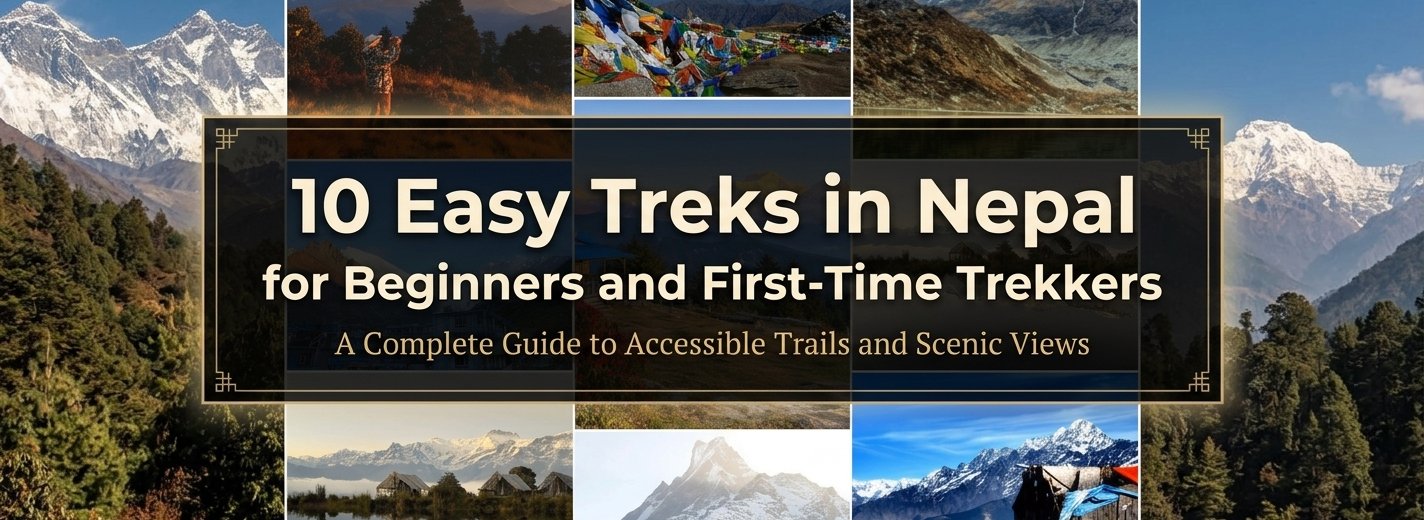
Trekking in Nepal does not always require weeks of walking, challenging mountain passes, or previous high-altitude experience. The country offers a variety of beginner-friendly trekking routes, from short countryside walks and traditional mountain villages to scenic Himalayan trails with breathtaking mountain views. Whether you are planning your first trekking adventure or simply looking for a less demanding route, there are plenty of options to explore.
In this blog, we cover 10 easy treks in Nepal for beginners and first-time trekkers, highlighting their duration, difficulty level, highest altitude, and major attractions. From the peaceful trails around Pokhara to the beautiful landscapes of the Annapurna and Langtang regions, this guide will help you compare different routes and choose a trek that suits your fitness level, available time, and travel preferences.
What Makes a Trek Easy in Nepal?
An easy trek in Nepal is generally a route that involves manageable walking distances, gradual elevation changes, accessible trails, and comfortable accommodation options. However, the difficulty of a trek depends on more than just its duration. Factors such as altitude, daily walking hours, trail conditions, and individual fitness levels all influence how challenging the journey can be. Understanding these factors can help beginners choose a trekking route that matches their physical abilities and experience.
Daily Walking Hours and Distance
Daily walking hours and distance are important factors when choosing a beginner-friendly trek. Routes that require around 3–5 hours of walking per day are generally more manageable for first-time trekkers than those involving long walking days. Shorter distances also allow more time to rest, enjoy mountain views, explore local villages, and experience the surrounding landscapes without feeling rushed.
Maximum Elevation and Altitude Gain
Altitude plays a significant role in determining trekking difficulty in Nepal. Lower-altitude routes generally involve fewer altitude-related challenges, while treks above 3,000 metres require greater attention to acclimatization. Beginners should consider both the highest elevation of a route and how quickly they gain altitude. Even physically fit trekkers can experience altitude sickness when ascending too quickly.
Trail Conditions and Steep Ascents
Trail conditions can make a considerable difference to the overall trekking experience. Some routes feature gentle paths through forests, villages, and farmland, while others involve steep stone staircases, rocky sections, and continuous uphill climbs. Beginners may find well-maintained trails with gradual ascents more comfortable, particularly if they have limited experience walking on uneven terrain.
Availability of Teahouses and Accommodation
Access to accommodation makes a trek more convenient, especially for first-time visitors. Popular trekking regions such as Annapurna, Everest, and Langtang have established teahouses and mountain lodges where trekkers can find basic rooms and meals. Routes with regular accommodation options also make it easier to plan daily walking distances and rest stops.
Accessibility and Transportation
The distance between a trekking starting point and major cities can influence the overall difficulty and convenience of a trip. Routes accessible from Pokhara or Kathmandu often require less complicated transportation arrangements. Treks involving long road journeys, remote trailheads, or domestic flights may require additional planning, time, and expenses.
Overall Physical Fitness Requirements
Even easy treks require a reasonable level of physical fitness. Walking uphill, climbing stairs, and spending several hours on uneven trails can be physically demanding for people who are not accustomed to regular exercise. Beginners should prepare by walking regularly, practising uphill hikes, and building their endurance before departure. Choosing a route that matches your fitness level can make the experience more enjoyable and comfortable.
10 Easy Treks in Nepal for Beginners and First-Time Trekkers
Nepal offers a wide range of trekking experiences, from short village walks to longer Himalayan adventures. While some routes require considerable physical preparation and high-altitude experience, others are relatively accessible to beginners and first-time trekkers. Here are 10 trekking routes to consider, each offering a different combination of mountain scenery, local culture, and natural landscapes.
1. Australian Camp
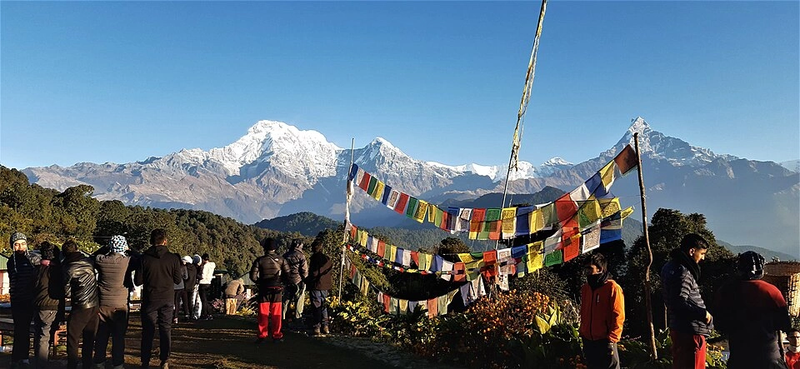
The Australian Camp is one of the easiest ways to experience the beauty of the Annapurna region without committing to a long Himalayan journey. Located near Pokhara, this short trek takes you through traditional villages, forest trails, and scenic viewpoints overlooking the surrounding mountains.
Australian Camp offers impressive views of Annapurna South, Machhapuchhre (Fishtail), and other peaks in the Annapurna range. The trail also passes through Dhampus, a traditional Gurung village known for its local culture and mountain scenery. With relatively short walking days, accessible trails, and lower elevations, this route is an excellent introduction to trekking in Nepal for beginners.
- Duration: 1–3 days
- Highest point: Approximately 2,060 m
- Difficulty: Easy
- Starting point: Kande or Phedi, near Pokhara
2. Ghandruk Village Trek
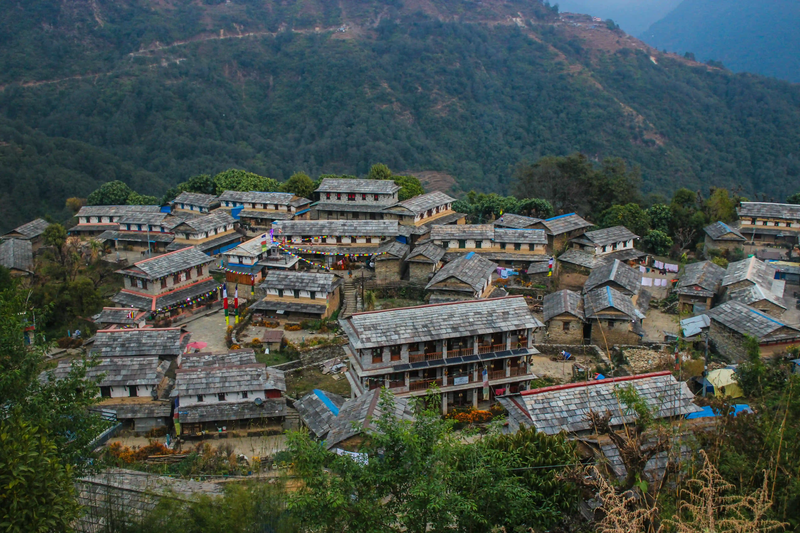
The Ghandruk Village Trek is a popular short trekking option in the Annapurna region, particularly for travellers interested in mountain scenery and traditional Himalayan culture. The route takes you through terraced hillsides, stone-paved paths, and traditional Gurung settlements before reaching Ghandruk, one of the region's well-known mountain villages.
From Ghandruk, trekkers can enjoy beautiful views of Annapurna South, Hiunchuli, and Machhapuchhre. The village is also known for its traditional stone houses, local museums, and welcoming teahouses. Its relatively short itineraries make it suitable for beginners who want to experience Himalayan village life without undertaking a lengthy trek.
- Duration: 2–4 days
- Highest point: Approximately 2,000–2,100 m
- Difficulty: Easy to moderate
- Starting point: Nayapul or a road-accessible trailhead
3. Ghorepani Poon Hill Trek
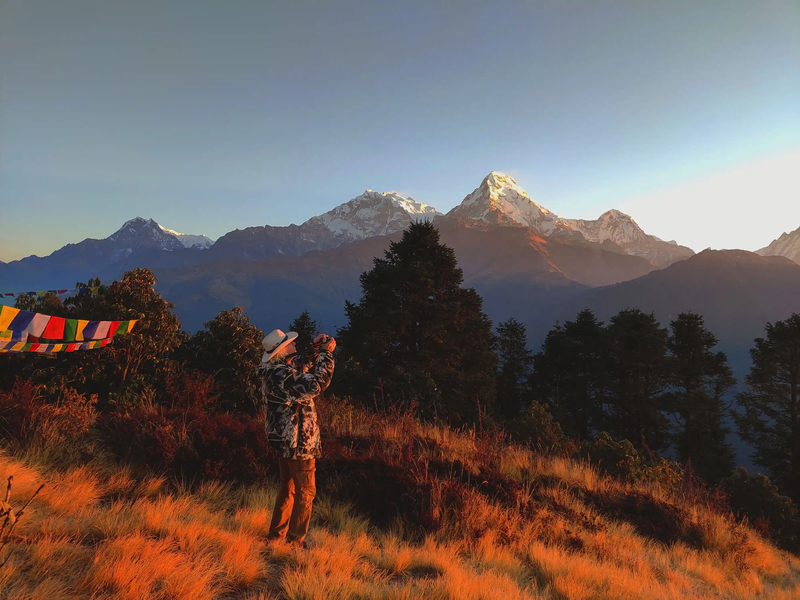
The Ghorepani Poon Hill Trek is one of Nepal's most popular short trekking routes and an excellent introduction to the Annapurna region. Known for its spectacular sunrise views, the trek takes you through rhododendron forests, traditional villages, and well-established mountain trails.
The highlight is Poon Hill at 3,210 metres, where trekkers can witness the sunrise illuminating the Annapurna and Dhaulagiri mountain ranges. Along the route, villages such as Ghorepani and Ghandruk offer opportunities to experience local culture and enjoy comfortable teahouse accommodation.
Although the trek is relatively short, sections of steep stone staircases, particularly around Ulleri, require reasonable physical preparation. Beginners who are comfortable with several hours of walking each day can consider this route.
- Duration: 4–5 days
- Highest point: Poon Hill, 3,210 m
- Difficulty: Easy to moderate
- Starting point: Near Pokhara
4. Mohare Danda Trek
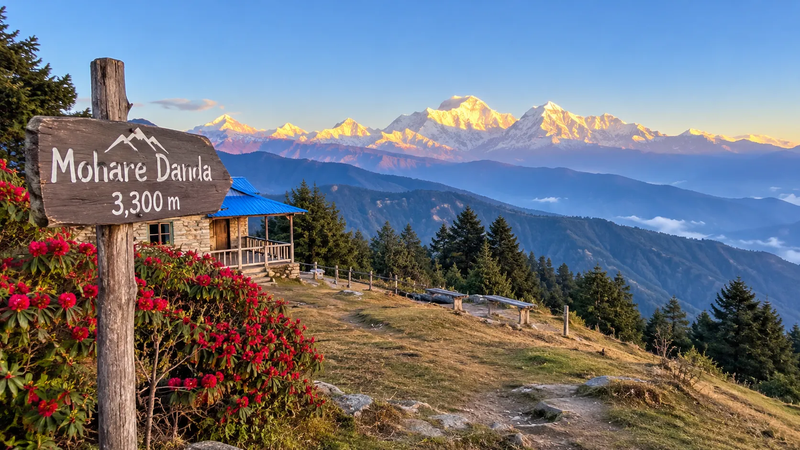
The Mohare Danda Trek is a quieter alternative to the popular Poon Hill route, offering panoramic Himalayan views and opportunities to experience community-based tourism. Located in the Annapurna region, this trek takes you through forest trails, traditional settlements, and peaceful mountain landscapes.
Mohare Danda, situated at approximately 3,300 metres, is the main highlight of the journey. From the viewpoint, trekkers can enjoy impressive views of the Annapurna and Dhaulagiri ranges, particularly during sunrise. The route also features community lodges and homestays that allow visitors to experience local hospitality.
Although the trail involves uphill sections and moderate altitude gain, its manageable itinerary makes it worth considering for beginners with reasonable fitness.
- Duration: 4–6 days
- Highest point: Approximately 3,300 m
- Difficulty: Easy to moderate
- Starting point: Near Pokhara
5. Krapu Danda Trek
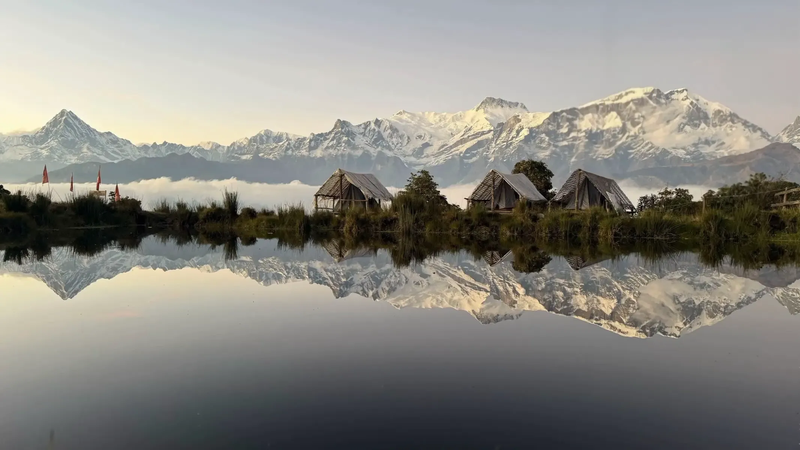
The Krapu Danda Trek is a short and scenic trekking route in the Annapurna region, northeast of Pokhara. Located above Tangting village, this ridge offers beautiful Himalayan views and an opportunity to experience traditional Gurung culture. It is a quieter alternative to some of the more frequently visited trekking destinations around Pokhara.
The trail climbs through forests and traditional grazing areas before reaching Krapu Danda. From the ridge, trekkers can enjoy panoramic views of the Annapurna range, Dhaulagiri, Lamjung Himal, and Manaslu on clear days. The nearby Gurung village of Tangting also offers opportunities to experience local hospitality and traditional village life.
With its short duration, mountain scenery, and cultural attractions, Krapu Danda is an appealing option for beginners looking for a less-commercialised trekking experience near Pokhara.
- Duration: Approximately 2 days
- Highest point: Approximately 3,090 m
- Difficulty: Easy to moderate
- Starting point: Tangting village, via Pokhara
6. Helambu Trek
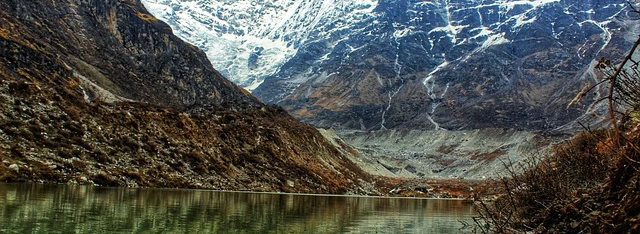
The Helambu Trek is a culturally rewarding trekking experience in the Sindhupalchok region, northeast of Kathmandu. Known for its traditional Hyolmo communities, Buddhist monasteries, and peaceful mountain settlements, the route offers a combination of cultural exploration and Himalayan scenery.
The trail passes through forests, terraced hillsides, and traditional villages where trekkers can experience local hospitality and Buddhist traditions. Depending on the itinerary, the journey may include settlements such as Tarkeghyang and Sermathang, along with scenic viewpoints and monasteries.
Although Helambu is relatively accessible from Kathmandu, its longer walking days and higher elevations make it more suitable for beginners with reasonable physical fitness rather than complete newcomers to hiking.
- Duration: 5–7 days
- Highest point: Varies by itinerary, generally around 3,600 m
- Difficulty: Moderate
- Starting point: Sundarijal or Melamchi area
7. Tamang Heritage Trail
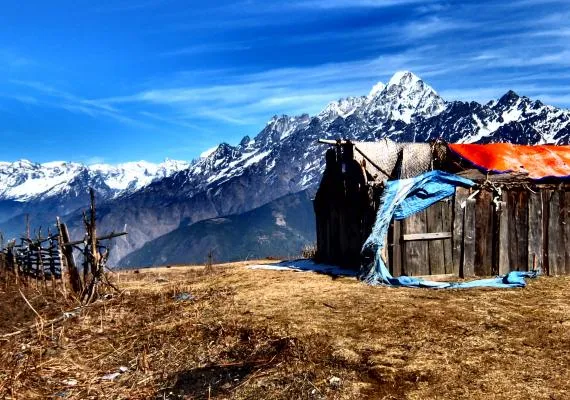
The Tamang Heritage Trail is a culturally rich trekking route in the Langtang region, offering an opportunity to explore traditional Tamang villages and Himalayan landscapes. Located near the Tibetan border, the route is known for its cultural heritage, Buddhist traditions, and mountain communities.
The trek usually begins in Syabrubesi and passes through settlements such as Gatlang, Tatopani, and Thuman. Along the way, trekkers can experience traditional village life, visit local monasteries, and enjoy the natural hot springs at Tatopani. The surrounding landscapes also provide views of the Langtang Himalayas.
Although the trail is relatively manageable for trekkers with basic experience, some sections involve steep climbs and altitude gain. Road access and trail conditions should also be checked before departure.
- Duration: 5–7 days
- Highest point: Approximately 3,165 m
- Difficulty: Easy to moderate
- Starting point: Syabrubesi
8. Langtang Valley Trek
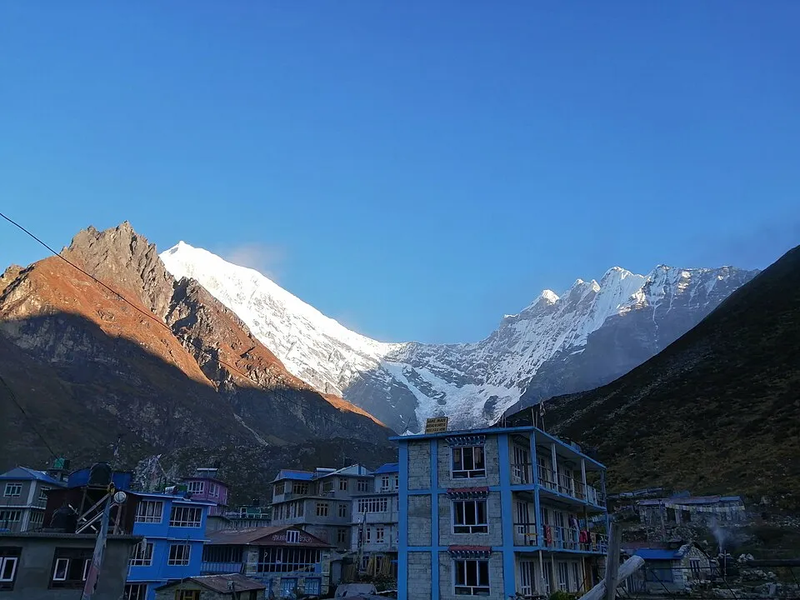
The Langtang Valley Trek is one of the most rewarding trekking experiences in Nepal, offering beautiful mountain landscapes, traditional Tamang settlements, and alpine scenery. Located north of Kathmandu, the route provides an opportunity to explore the Langtang region without requiring a domestic flight.
The journey begins in Syabrubesi and gradually follows the Langtang River through forests, traditional villages, and open mountain landscapes before reaching Kyanjin Gompa. Impressive Himalayan peaks, glaciers, and yak pastures surround this beautiful settlement.
Trekkers with additional time and suitable acclimatization can explore viewpoints such as Kyanjin Ri and Tserko Ri for more extensive mountain panoramas. Although the standard Langtang Valley route is considered moderate rather than easy, physically prepared beginners can consider it as a longer Himalayan adventure.
- Duration: 7–10 days
- Highest point: Kyanjin Ri or Tserko Ri, depending on the chosen viewpoint
- Difficulty: Moderate
- Starting point: Syabrubesi
9. Pikey Peak Trek
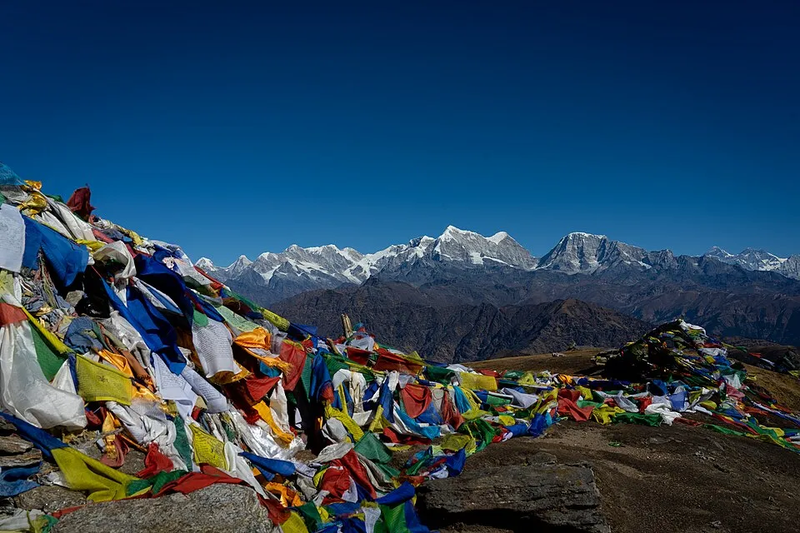
The Pikey Peak Trek is a relatively less crowded trekking route in the lower Everest region, known for its panoramic Himalayan views and traditional Sherpa culture. The trek offers an alternative way to explore the Everest region without following the busy trails leading towards Everest Base Camp.
The main highlight is Pikey Peak, which stands at approximately 4,065 metres. From the summit, trekkers can enjoy panoramic views of several Himalayan ranges, including Mount Everest on clear days. The route also passes through traditional Sherpa settlements, Buddhist monasteries, and peaceful forest trails.
Although the trek is shorter than several popular Himalayan journeys, its altitude and uphill sections require reasonable physical preparation. It is better suited to fit beginners who are comfortable with longer walking days and gradual altitude gain.
- Duration: 5–7 days
- Highest point: Approximately 4,065 m
- Difficulty: Moderate
- Starting point: Dhap or Phaplu
10. Mardi Himal Trek
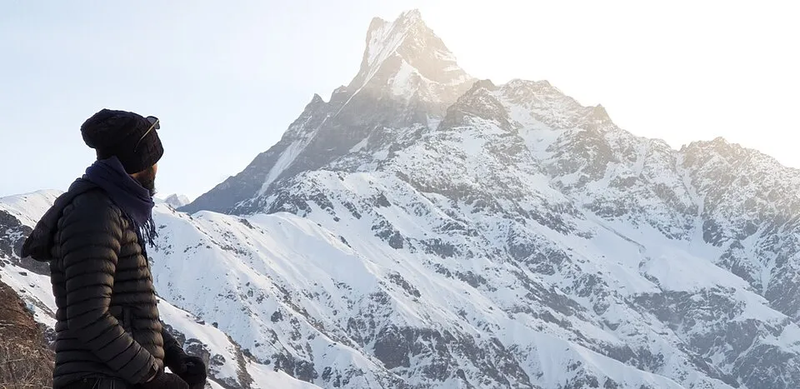
The Mardi Himal Trek is a scenic trekking route in the Annapurna region, offering close-up views of Machhapuchhre, Annapurna South, and the surrounding Himalayan peaks. Although relatively short compared with other major trekking routes in Nepal, it provides a rewarding mountain experience through forest trails, narrow ridges, and high-altitude viewpoints.
The journey typically begins near Pokhara and passes through forested sections, traditional settlements, and mountain lodges before reaching High Camp. Trekkers with suitable weather conditions and sufficient physical preparation can continue towards Mardi Himal Viewpoint for impressive views of the surrounding mountains.
Despite its short duration, the trek involves steep ascents, exposed ridge sections, and significant altitude gain. Therefore, Mardi Himal is not an easy trek in the strict sense. It is a better option for physically prepared beginners who are comfortable with challenging uphill walks and understand the importance of acclimatization.
- Duration: 4–6 days
- Highest point: Approximately 4,200–4,500 m, depending on the viewpoint and itinerary
- Difficulty: Moderate to challenging
Starting point: Kande or another accessible trailhead near Pokhara
Quick Comparison of the 10 Easy Treks in Nepal
Choosing the right trek depends on your available time, physical fitness, and preferred trekking experience. The table below compares 10 trekking routes in Nepal based on their duration, highest point, and difficulty level, helping beginners identify an option that best suits their needs.
*The approximately 4,984 m figure for Langtang Valley refers to Tserko Ri, an optional viewpoint, rather than a standard overnight stop. All elevations and durations are approximate and may vary depending on the chosen itinerary.
How to Choose the Right Trek in Nepal as a Beginner
Choosing the right beginner-friendly trek in Nepal depends on your physical fitness, available time, comfort with altitude, and the type of experience you want. Some routes are short and relatively easy, while others involve longer walking days and higher elevations. Consider the following factors before selecting a trek.
Choose a Trek Based on Your Fitness Level
Your current fitness level is one of the most important factors when choosing a trek. If you are new to trekking, start with shorter, lower-altitude routes such as Australian Camp, Dhampus, or Balthali. If you regularly walk or exercise, you may feel comfortable with routes like Ghorepani Poon Hill and Mohare Danda. Physically prepared beginners can also consider longer and higher routes, such as Langtang Valley or Pikey Peak, provided they allow enough time for acclimatization.
Consider the Duration of Your Trek
The time you have available can help narrow down your options. Nepal offers beginner-friendly routes ranging from short two-day walks to week-long Himalayan adventures.
- Mountain panoramas: Ghorepani Poon Hill, Pikey Peak, and Mardi Himal.
- Culture and traditional villages: Ghandruk, Krapu Danda, and Tamang Heritage Trail.
- Forests and natural landscapes: Australian Camp and Dhampus, Mohare Danda, and Helambu.
- Quieter trekking experiences: Mohare Danda and Krapu Danda.
These durations are approximate and may vary depending on your itinerary, walking pace, and starting point. Remember to include extra days for travel and rest when planning your trip.
Decide What Kind of Scenery You Want
Every trekking region in Nepal offers a different experience. Some routes are known for their mountain panoramas, while others focus on traditional villages, forests, and quieter trails. Choosing the scenery and experience you enjoy most can make your first trekking adventure more rewarding.
- Mountain panoramas: Ghorepani Poon Hill, Pikey Peak, and Mardi Himal.
- Culture and traditional villages: Ghandruk, Sikles, and Tamang Heritage Trail.
- Forests and natural landscapes: Panchase and Chisapani–Nagarkot.
- Quieter trekking experiences: Royal Trek and Mohare Danda.
A quick tip: Don't choose a trek based only on its views or popularity. Consider the daily walking hours, elevation gain, and difficulty level to make sure the route matches your fitness and experience.
Best Time to Go Trekking in Nepal for Beginners
The best time for beginners to go trekking in Nepal is generally during spring (March to May) and autumn (September to November). These seasons usually offer more favourable weather, comfortable daytime temperatures, and better mountain views. However, conditions can vary depending on the trekking region and altitude.
Spring Season (March to May)
Spring is one of the best seasons for beginner-friendly trekking in Nepal. The weather gradually becomes warmer, and rhododendron forests bloom across the Himalayan foothills, adding colour to the trails. Lower-altitude routes usually have pleasant daytime temperatures, while the Annapurna region offers beautiful mountain scenery. Popular options during this season include Ghorepani Poon Hill, Ghandruk, and Mardi Himal.
Autumn Season (September to November)
Autumn is another excellent season for first-time trekkers. After the monsoon rains, the skies generally become clearer, offering impressive views of the Himalayan mountains. Daytime temperatures are usually comfortable for walking, especially at lower elevations. However, autumn is also Nepal's busiest trekking season, so popular routes such as Ghorepani Poon Hill and the Everest region can have more crowded trails and teahouses.
Can Beginners Trek in Winter or Monsoon?
Beginners can trek in Nepal during winter or monsoon, but both seasons require more careful planning. Winter brings colder temperatures, possible snowfall, and difficult conditions on higher-altitude trails. During the monsoon, frequent rainfall can make paths muddy and slippery, increase leech activity, and reduce mountain visibility.
Lower-altitude routes may still be suitable during these seasons, depending on local weather and trail conditions. If you are planning your first trek, choose a route with flexible travel arrangements and check the latest weather forecast before setting out.
For a more detailed month-by-month breakdown of trekking seasons and weather conditions, you can also read our guide on Best Time to Trek in Nepal.
Essential Tips for First-Time Trekkers in Nepal
A little preparation can make your first trekking experience in Nepal safer and more enjoyable. Before setting off, focus on physical fitness, suitable equipment, altitude awareness, accommodation, and any permits or guide requirements for your chosen route.
Prepare Your Body Before Trekking
You do not need to be an athlete to complete an easy trek in Nepal, but building basic fitness beforehand can make walking more comfortable. Start walking regularly several weeks before your trip and gradually increase your distance. Practise walking uphill and downhill to prepare your legs for uneven trails and steep sections. You can also improve your cardiovascular endurance through activities such as cycling, jogging, or swimming. Remember to break in your trekking shoes before the journey to avoid blisters and discomfort.
Pack the Right Trekking Gear
Packing suitable gear helps you stay comfortable in changing mountain weather. Even on shorter routes, temperatures can drop quickly at higher elevations, so carry clothing that you can wear in layers.
Essential items include:
- Comfortable, well-fitted trekking boots or shoes.
- Moisture-wicking base layers and warm clothing.
- A waterproof jacket and rain protection.
- A suitable backpack and reusable water bottle.
- Sunscreen, sunglasses, and a sun hat.
- Personal medication and a basic first-aid kit.
- Trekking poles for additional support on steep or uneven trails.
Avoid carrying unnecessary items, especially if you are trekking for several days. Pack according to the season, route, and expected temperatures.
Understand Altitude Sickness
Altitude sickness can affect anyone, regardless of age or fitness level, when ascending to higher elevations too quickly. Common symptoms include headaches, nausea, dizziness, tiredness, and loss of appetite. These symptoms can begin above approximately 2,500 metres, although individual responses vary.
To reduce the risk, ascend gradually, allow time for acclimatization on higher-altitude routes, and avoid pushing yourself when you feel unwell. Never ignore worsening symptoms. If you suspect altitude sickness, stop ascending, descend when necessary, and seek medical assistance. Severe symptoms, such as difficulty breathing at rest, confusion, or problems walking straight, require urgent medical attention.
Hire a Licensed Trekking Guide When Required
A trekking guide can help first-time trekkers with navigation, local information, accommodation arrangements, and communication along the trail. A knowledgeable local guide can also explain the culture and traditions of mountain communities and help you respond to unexpected situations.
Nepal's guide and permit requirements vary by route. The Nepal Tourism Board lists several trekking routes, including Everest View, Helambu, Langtang, Tamang Heritage, Ghorepani Poon Hill–ABC, and Mardi Himal, under its revised TIMS provisions requiring a licensed guide and an agency-issued TIMS card. Requirements may differ for shorter local walks and other routes, so check the latest official rules for your specific itinerary before travelling.
Choose Suitable Accommodation
Most popular trekking routes in Nepal offer teahouses, mountain lodges, or homestays where trekkers can rest overnight. Teahouses generally provide basic rooms, shared dining areas, and meals such as dal bhat, noodles, soup, and rice dishes. Facilities vary by location, with more basic rooms, shared toilets, and limited hot water becoming common in remote or higher-altitude areas.
Homestays offer an opportunity to experience local hospitality and learn more about village life. Carry enough Nepalese cash because card payments and ATMs may not be available along the trail. It is also a good idea to confirm accommodation availability during busy trekking seasons.
Final Thoughts
Trekking in Nepal is not limited to experienced hikers or seasoned mountaineers. With plenty of short, scenic, and relatively easy routes, beginners can enjoy the beauty of the Himalayas at their own pace. From the peaceful villages of Ghandruk and Sikles to the mountain panoramas of Ghorepani Poon Hill and the forests around Panchase, there is a trek for different fitness levels, interests, and travel schedules. Before choosing a route, consider your physical fitness, available time, and comfort with higher altitudes.
If you are planning your first Himalayan adventure, Himalayan Hero can help you explore suitable trekking routes and plan your journey. Take a look at the available trekking packages, compare itineraries, and choose an experience that matches your interests and schedule. With the right preparation and a suitable route, your first trek in Nepal can be a memorable introduction to the Himalayas.
Frequently Asked Questions About Easy Treks in Nepal
What is the easiest trek in Nepal for beginners?
Australian Camp and Dhampus are among the easiest treks in Nepal for beginners. Both offer short itineraries, relatively low altitudes, and accessible trails near Pokhara.
Which trek in Nepal is best for first-time trekkers?
Ghorepani Poon Hill is an excellent choice for first-time trekkers who want Himalayan mountain views, established teahouses, and a manageable multi-day itinerary.
Can beginners trek in Nepal without previous experience?
Yes, beginners can complete several trekking routes in Nepal without previous experience. Choose a route that matches your fitness level, prepare physically, and understand the trail and altitude conditions before starting.
How many days are enough for a beginner trek in Nepal?
Most beginner-friendly treks take around 2 to 7 days. Short routes such as Australian Camp and Dhampus can be completed in 1–3 days, while longer options like Langtang Valley require around 7–10 days.
How fit do you need to be for trekking in Nepal?
You should be comfortable walking for several hours on uneven and uphill trails. Regular walking, stair climbing, and cardiovascular exercise can help build the endurance needed for trekking.
Is trekking in Nepal safe for beginners?
Yes, many trekking routes in Nepal are suitable for beginners. However, you should consider altitude, weather, trail conditions, and your physical fitness. Choose an appropriate route and follow local safety advice.
Do beginners need a guide for trekking in Nepal?
Guide requirements depend on the trekking route and current regulations. Some routes require a licensed guide, while a knowledgeable guide can also provide navigation, safety support, and local cultural insights.
What is the cheapest easy trek in Nepal?
Australian Camp and Dhampus are among the more affordable trekking options because they can be completed in a few days and are close to Pokhara. Your total cost will depend on transportation, accommodation, meals, guide services, and permits.