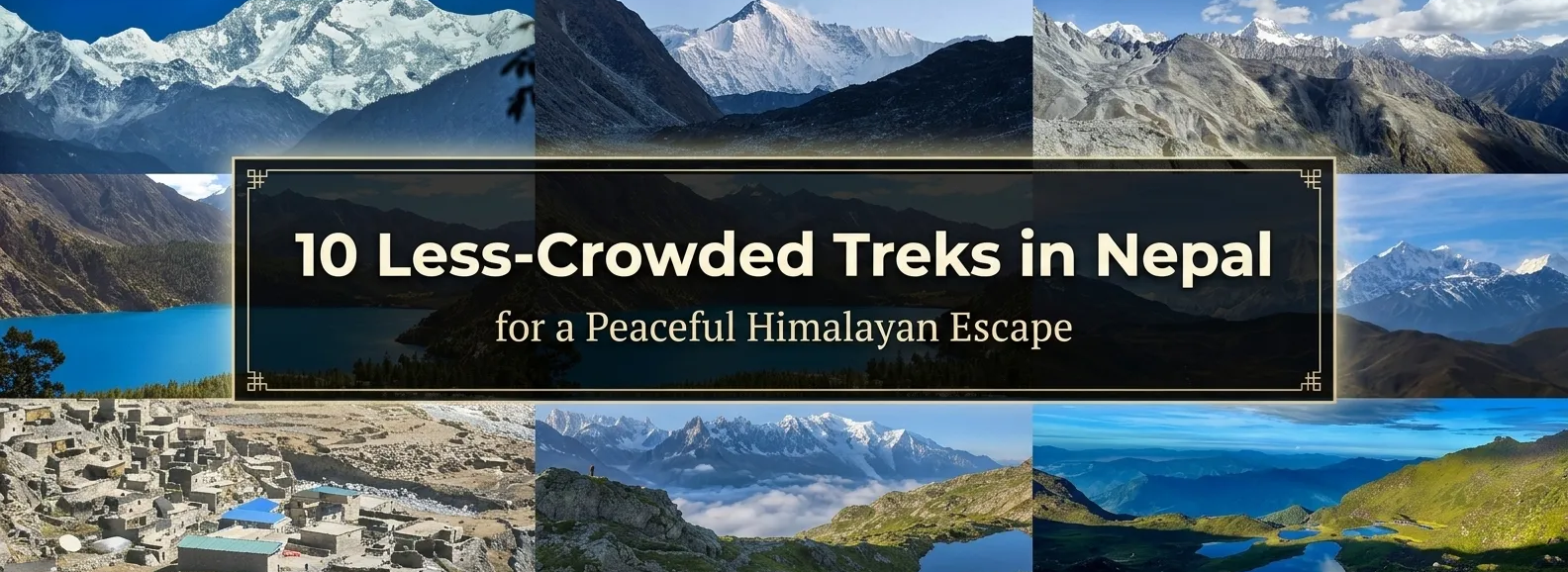
Nepal is famous for iconic trekking destinations such as Everest Base Camp, Annapurna Base Camp, and the Annapurna Circuit. However, beyond these popular trails lies another side of the Himalayas, where remote villages, untouched landscapes, and quieter mountain paths offer a different trekking experience. For those seeking an escape from busy trails, Nepal has several alternative routes that combine spectacular mountain scenery, traditional Himalayan culture, and peaceful natural surroundings.
In this blog, we explore 10 less-crowded treks in Nepal, from the remote valleys of Dolpo to the breathtaking landscapes of Kanchenjunga and Makalu. Discover their major attractions, trekking durations, difficulty levels, and best seasons to visit. Whether you are an experienced trekker looking for a remote Himalayan adventure or someone seeking a quieter alternative to popular routes, these trails offer plenty of opportunities to explore Nepal beyond its busiest trekking destinations.
Why Choose Less-Crowded Treks in Nepal?
Choosing less-crowded treks in Nepal allows travellers to experience the Himalayas beyond the busy trekking routes. With fewer trekkers along the way, these trails offer a more peaceful environment, allowing visitors to enjoy mountain scenery, explore remote villages, and experience traditional Himalayan lifestyles at a slower pace. Trekkers also have more opportunities to interact with local communities, learn about their cultures, and discover landscapes that receive relatively fewer visitors.
Another advantage of quieter trekking routes is the opportunity to enjoy nature, photography, and wildlife observation without the constant activity found on popular trails. However, remote destinations can also present challenges, including limited accommodation, fewer transportation options, basic facilities, and less-developed trekking infrastructure. Therefore, proper preparation and logistical planning are important before choosing a less-crowded trekking destination in Nepal.
10 Best Less-Crowded Treks in Nepal
Beyond Nepal's popular trekking destinations, several remote trails offer equally impressive Himalayan scenery, cultural experiences, and opportunities to explore quieter mountain regions. These routes take trekkers through traditional settlements, high mountain passes, glacial lakes, and landscapes that remain less visited than the country's major trekking corridors. Here are 10 less-crowded treks in Nepal worth considering for a peaceful Himalayan adventure.
1. Manaslu Circuit Trek
The Manaslu Circuit Trek is a rewarding journey through the remote landscapes of the Manaslu region in northern Gorkha. Circling Mount Manaslu (8,163 m), the world's eighth-highest mountain, the trail passes through traditional mountain villages, lush forests, deep river valleys, and dramatic Himalayan scenery. Trekkers can experience the region's rich Tibetan-influenced culture, visit ancient monasteries, and explore traditional settlements such as Samagaun and Samdo. Those with extra time can also extend their journey into Tsum Valley, a culturally rich area known for its Buddhist monasteries, traditional villages, and peaceful surroundings.
One of the major highlights of the trek is crossing Larkya La Pass (5,106 m), which offers spectacular views of surrounding Himalayan peaks and glacial landscapes. Compared with the Everest Base Camp and Annapurna Circuit routes, Manaslu generally receives fewer trekkers, although it can become busy during peak seasons. The trek usually takes around 14–18 days, depending on the itinerary and acclimatization days, and is considered challenging due to its high altitude and long walking days. Spring and autumn are generally the best seasons. Trekkers must obtain the required permits and follow current restricted-area regulations, including the registered-guide requirement.
2. Kanchenjunga Trek
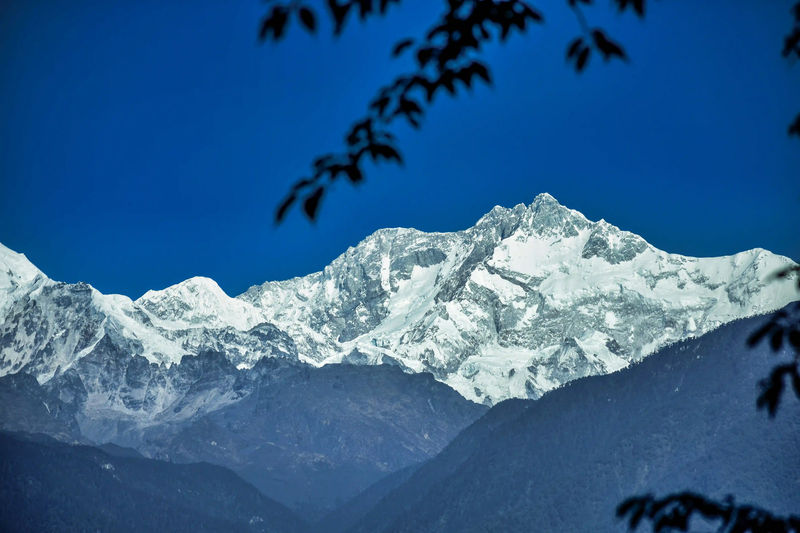
The Kanchenjunga Trek is one of Nepal's most remote and rewarding trekking adventures, located in the eastern Himalayas near the border with India and Tibet. The journey offers spectacular views of Mount Kanchenjunga (8,586 m), the world's third-highest mountain, along with surrounding peaks, glaciers, and remote mountain valleys. Trekkers can explore both the northern and southern base camp areas, experiencing different landscapes and traditional settlements along the way.
The route passes through remote Limbu and Tibetan-influenced communities, where traditional lifestyles and mountain culture remain an important part of everyday life. Compared with Everest and Annapurna, the region receives fewer trekkers because of its remote location, longer itinerary, and demanding terrain. The trek generally takes around 18–24 days and is considered challenging to strenuous. Spring (March to May) and autumn (September to November) are the most suitable seasons for this adventure.
3. Makalu Base Camp Trek
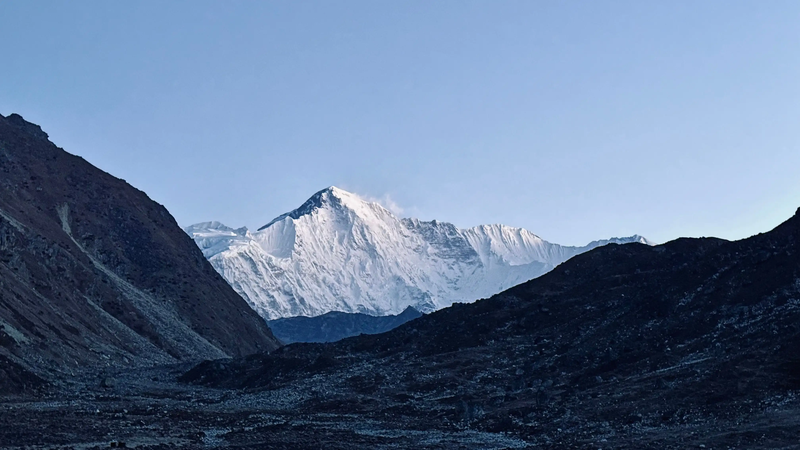
The Makalu Base Camp Trek takes visitors into the remote wilderness of eastern Nepal, offering an opportunity to explore the natural beauty of Makalu Barun National Park. The route leads through dense forests, deep river valleys, alpine landscapes, and traditional mountain settlements before reaching the base camp of Mount Makalu (8,485 m). Trekkers can enjoy impressive views of Makalu and neighbouring Himalayan peaks while exploring the relatively isolated Barun Valley.
One of the main attractions of this trek is its changing landscape, which ranges from subtropical forests to high-altitude glacial terrain. Its remote location, limited infrastructure, and challenging walking conditions mean it generally attracts fewer visitors than established trekking routes. The trek usually takes around 18–22 days and is considered challenging. Spring and autumn offer the most favourable conditions, with generally clearer mountain views and suitable trekking weather.
4. Upper Dolpo Trek
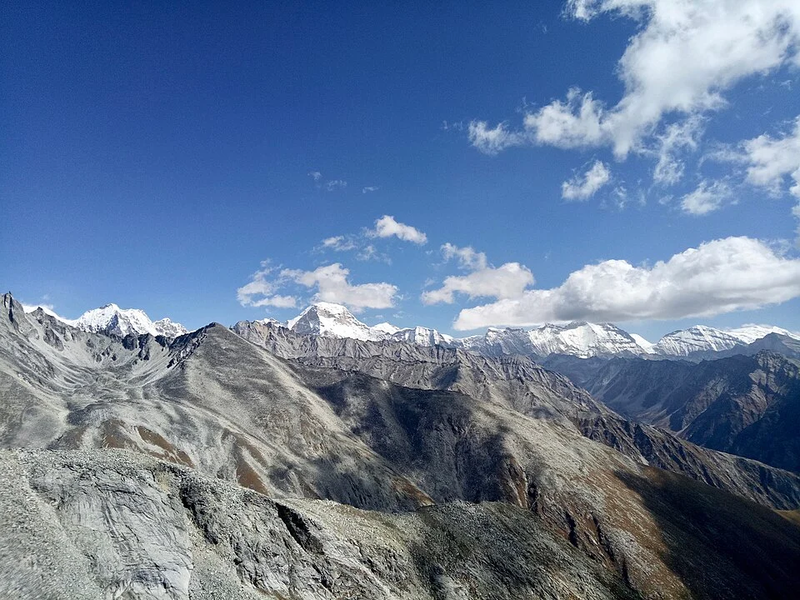
The Upper Dolpo Trek is an extraordinary journey into one of Nepal's most isolated Himalayan regions in the northwestern part of the country. Known for its dramatic landscapes, ancient monasteries, and Tibetan-influenced culture, the region offers a trekking experience far removed from Nepal's busy mountain trails. One of its major attractions is Shey Phoksundo Lake, famous for its striking blue water and surrounding mountain scenery. Trekkers can also visit Shey Gompa and explore traditional settlements that preserve centuries-old cultural practices.
The journey involves crossing high mountain passes, walking through remote valleys, and spending several days in areas with limited facilities. Unlike popular teahouse routes, Upper Dolpo often requires camping arrangements and careful logistical planning. The trek generally takes around 24–30 days and is considered strenuous. Late spring, summer, and early autumn are suitable depending on the chosen route and weather conditions. Trekkers must also obtain the required restricted-area permits and arrange the journey according to current regulations.
5. Lower Dolpo Trek
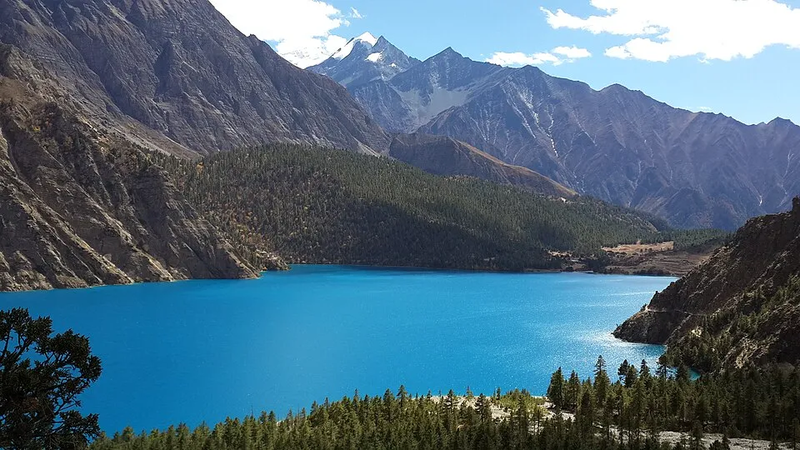
The Lower Dolpo Trek offers another opportunity to explore the remote landscapes and traditional culture of western Nepal. Located in the Dolpo region, the trail passes through isolated villages, mountain valleys, forests, and high-altitude landscapes. One of its major highlights is Shey Phoksundo Lake, where turquoise water and surrounding cliffs create an impressive natural setting. Along the way, trekkers can experience traditional Dolpo culture, visit Buddhist monasteries, and observe the lifestyles of communities living in remote Himalayan settlements.
Compared with more established trekking destinations, Lower Dolpo has fewer visitors and limited accommodation facilities, making proper preparation important. The trek generally takes around 15–20 days, depending on the itinerary, and is considered challenging because of its remote terrain and high mountain passes. Spring and autumn are generally favourable seasons for trekking, although conditions vary across the region. Depending on the chosen route, trekkers may need restricted-area permits and camping arrangements.
6. Dhaulagiri Circuit Trek
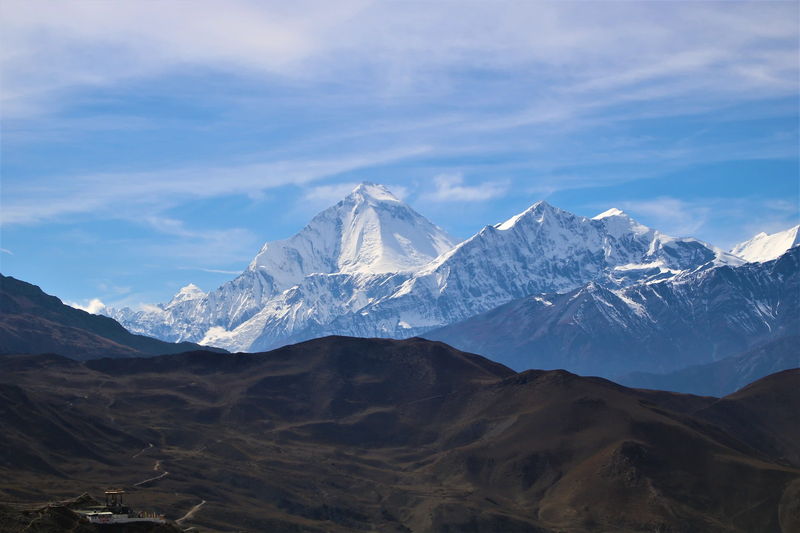
The Dhaulagiri Circuit Trek is one of the most demanding trekking adventures in Nepal, taking visitors through the remote landscapes surrounding Mount Dhaulagiri (8,167 m). The route offers spectacular mountain views, glacial valleys, and challenging high-altitude crossings. Some of its major highlights include Italian Base Camp, Glacier Camp, French Pass, and Dhampus Pass. Trekkers also get the opportunity to explore the impressive Hidden Valley, surrounded by dramatic Himalayan peaks.
Unlike popular teahouse trekking routes, much of the Dhaulagiri Circuit requires camping and organised logistical support. The high altitude, glacier crossings, and demanding terrain make it more suitable for experienced trekkers with good physical preparation. The trek generally takes around 16–20 days and is considered very challenging. Spring and autumn are the preferred seasons because of their generally favourable weather conditions and mountain visibility.
7. Nar Phu Valley Trek
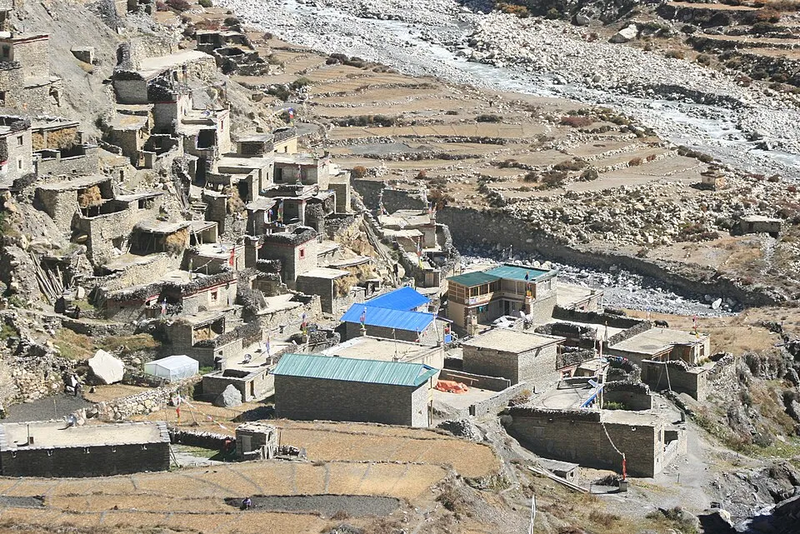
The Nar Phu Valley Trek takes trekkers into two remote Himalayan settlements, Nar and Phu, in the Manang district of north-central Nepal. Located away from the busier Annapurna trekking corridors, these valleys offer a combination of traditional Tibetan-influenced culture, ancient monasteries, and impressive mountain scenery. The village of Phu is particularly known for its traditional stone houses and remote setting, while Nar offers beautiful views of the surrounding Himalayan landscape.
One of the major highlights of this trek is crossing Kang La Pass, which provides panoramic views of the Annapurna range. The route generally takes around 9–12 days, depending on the starting point and itinerary, and is considered challenging because of its altitude and steep sections. Spring and autumn are the best seasons for most trekkers. Since Nar Phu is a restricted area, visitors must obtain the appropriate permits and follow current guide and trekking regulations.
8. Ruby Valley Trek
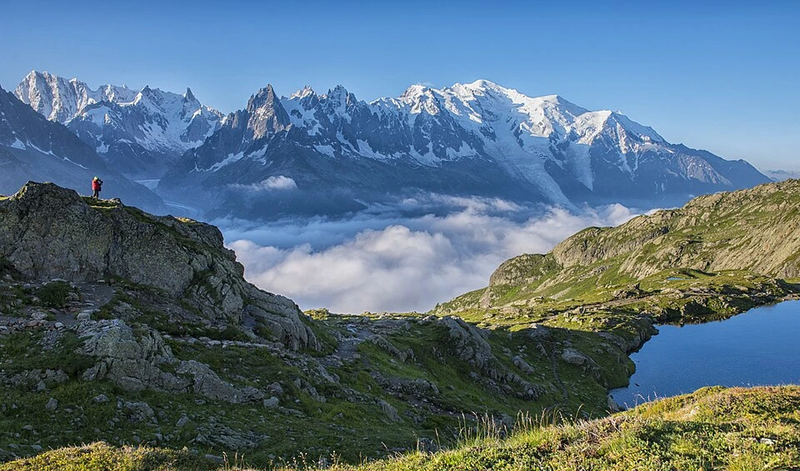
The Ruby Valley Trek is a relatively quiet trekking route located between the Langtang and Manaslu regions in north-central Nepal. It offers a combination of mountain scenery, traditional villages, terraced farmland, and cultural experiences. The route provides impressive views of the Ganesh Himal range while passing through settlements inhabited mainly by Tamang and Gurung communities. Trekkers can experience local hospitality, traditional architecture, and rural lifestyles that are closely connected to the surrounding Himalayan environment.
Unlike some of Nepal's high-altitude trekking routes, Ruby Valley offers a comparatively accessible experience with opportunities to explore local culture and natural landscapes. The trek generally takes around 6–10 days, depending on the itinerary, and is considered moderate. Spring and autumn are the preferred seasons for comfortable trekking conditions and clearer mountain views. It is a suitable option for travellers looking for a shorter Himalayan adventure away from heavily visited trekking trails.
9. Panch Pokhari Trek
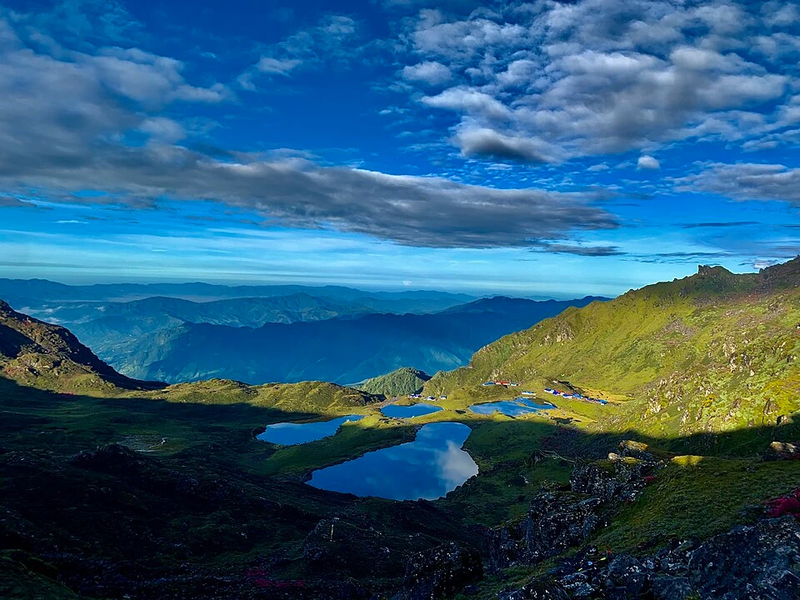
The Panch Pokhari Trek is a scenic trekking route in the Sindhupalchok district of central Nepal, known for its five sacred alpine lakes situated at approximately 4,100 metres. The lakes hold religious significance for both Hindu and Buddhist communities, attracting pilgrims during particular festivals and religious occasions. Surrounded by mountain landscapes, forests, and open alpine terrain, Panch Pokhari offers a peaceful setting for trekkers interested in combining natural beauty with cultural experiences.
The journey takes visitors through traditional settlements, forest trails, and gradually changing landscapes before reaching the sacred lakes. Compared with major trekking destinations such as Everest and Annapurna, the route generally receives fewer international trekkers. It usually takes around 5–8 days, depending on the starting point and itinerary, and ranges from moderate to challenging because of the altitude and steep sections. Spring and autumn are generally the best seasons to explore this destination.
10. Rolwaling Valley Trek
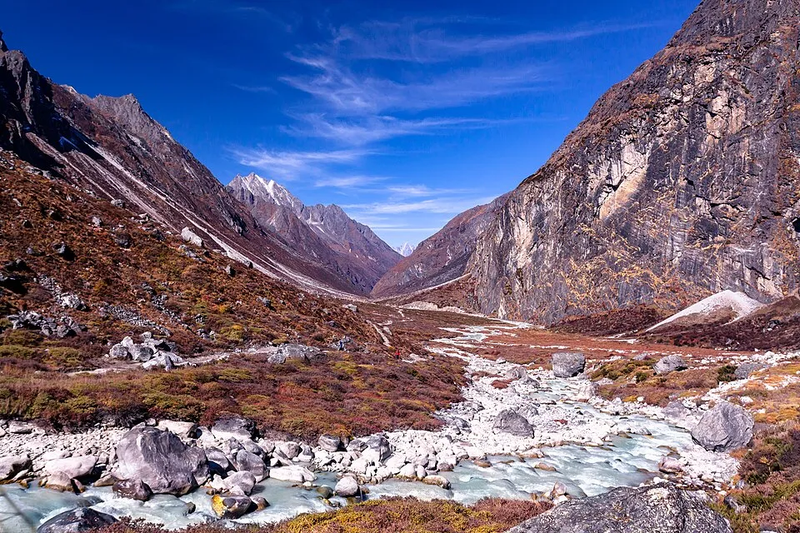
The Rolwaling Valley Trek is a remote Himalayan adventure in the Dolakha district of eastern-central Nepal, offering impressive mountain scenery and opportunities to explore traditional Sherpa settlements. Located beneath the Gaurishankar range, the valley is known for its dramatic landscapes, glacial rivers, and relatively isolated trekking trails. One of its major attractions is Tsho Rolpa, a large glacial lake situated at approximately 4,580 metres, surrounded by rugged mountain terrain.
Along the route, trekkers can explore traditional villages, enjoy views of snow-covered peaks, and experience the quieter side of Himalayan life. Its remote location and comparatively limited trekking infrastructure make Rolwaling less visited than many established routes in Nepal. The trek generally takes around 10–14 days, depending on the itinerary, and is considered challenging because of its altitude and terrain. Spring and autumn are the most suitable seasons for this journey.
Note: All trekking durations are approximate and may vary according to the starting point, route selection, acclimatization schedule, and side trips. Permit requirements and guide regulations should be checked before departure.
How to Choose the Right Less-Crowded Trek in Nepal
Choosing the right less-crowded trek in Nepal depends on your trekking experience, physical fitness, available time, and the type of Himalayan experience you want. Some routes offer relatively accessible walking trails and cultural experiences, while others involve high mountain passes, remote camping arrangements, and demanding terrain. Before selecting a destination, consider the difficulty, duration, altitude, and facilities available along the route to ensure the trek matches your expectations and preparation.
Based on Trekking Experience
Your trekking experience is an important factor when choosing a remote trekking destination. Beginners can consider routes such as Ruby Valley and Panch Pokhari, provided they choose suitable itineraries and prepare for the altitude and walking conditions. These destinations offer opportunities to explore Himalayan landscapes and traditional villages without requiring the same level of technical experience as more demanding routes.
Trekkers with some previous hiking experience may prefer Tsum Valley and Nar Phu Valley, where longer walking days, altitude gain, and remote terrain require better physical preparation. For experienced trekkers, destinations such as Kanchenjunga, Makalu Base Camp, Upper Dolpo, and Dhaulagiri Circuit offer more demanding adventures involving high mountain passes, longer itineraries, and limited facilities. Proper acclimatization and logistical planning are particularly important for these routes.
Based on Trek Duration
The time available for your trekking holiday can help narrow down the most suitable destination. Shorter routes such as Ruby Valley and Panch Pokhari generally take around 5–10 days, making them suitable for travellers with limited time. These treks offer opportunities to experience mountain scenery, local culture, and quieter trails without committing to a lengthy expedition.
For a medium-duration adventure, Nar Phu Valley, Tsum Valley, and Rolwaling Valley offer itineraries that generally range from 9–18 days, depending on the starting point and side trips. Trekkers with more time can consider longer journeys such as Kanchenjunga, Makalu Base Camp, Upper Dolpo, and Dhaulagiri Circuit, which may require approximately 16–30 days. These longer routes provide opportunities to explore remote Himalayan regions at a more gradual pace.
Based on Cultural and Natural Experiences
Every trekking destination in Nepal offers a different combination of natural scenery and cultural experiences. If you are interested in traditional Himalayan lifestyles, Tibetan-influenced communities, and ancient Buddhist monasteries, destinations such as Upper Dolpo, Lower Dolpo, Tsum Valley, and Nar Phu Valley are worth considering. These regions provide opportunities to explore remote settlements, traditional architecture, religious landmarks, and local customs.
For trekkers more interested in mountain scenery and natural landscapes, Kanchenjunga, Makalu Base Camp, and Dhaulagiri Circuit offer impressive views of high Himalayan peaks, glaciers, and alpine valleys. Similarly, Panch Pokhari and Rolwaling Valley are known for their beautiful glacial and alpine lakes, while Makalu Barun National Park offers opportunities to experience diverse mountain ecosystems and biodiversity. Consider the type of experience you value most before choosing a route, as each destination offers something different beyond simply avoiding trekking crowds.
Best Time for Less-Crowded Trekking in Nepal
The best time for less-crowded trekking in Nepal is generally spring and autumn, when weather is more favourable, and mountain views are often clearer. However, the ideal season can vary depending on the trekking region, altitude, and trail conditions. Winter and monsoon treks are also possible on selected routes, but they require additional preparation and careful planning.
Spring Season (March to May)
Spring is one of the best seasons for trekking in Nepal, with mild temperatures, blooming vegetation, and colourful rhododendron forests along many mountain trails. Weather conditions are generally favourable, although occasional rain and cloud cover can affect visibility. During suitable weather, trekkers can enjoy clear views of snow-covered peaks, green valleys, and alpine landscapes.
Spring is also a popular trekking season, particularly on well-known routes. However, remote destinations such as Kanchenjunga, Makalu, and Dolpo may still offer a quieter experience compared to busier trekking regions. This season is especially suitable for trekkers who want to enjoy both mountain scenery and Nepal's natural vegetation.
Autumn Season (September to November)
Autumn is another excellent season for trekking in Nepal. After the monsoon, the skies generally become clearer, the air is fresher, and mountain views are often at their best. Daytime temperatures are usually comfortable for walking, although mornings and nights can become cold at higher elevations.
Trekking activity increases during autumn as travellers take advantage of the stable weather and clear mountain scenery. Popular trails can become busy, but less-visited routes still provide opportunities to explore remote villages and quieter Himalayan landscapes. October is generally considered one of the most favourable months for many high-altitude treks.
Winter and Monsoon Trekking
Winter and monsoon are less popular trekking seasons in Nepal, but some routes remain accessible with suitable preparation. During winter, snowfall, freezing temperatures, and icy trails can make high-altitude passes difficult or unsafe to cross. Treks involving remote mountain passes, such as the Dhaulagiri Circuit and parts of the Kanchenjunga region, may require route adjustments or become inaccessible.
The monsoon season, from June to August, brings heavy rainfall, slippery trails, landslides, and leeches in many parts of Nepal. However, Upper Dolpo lies in a rain-shadow region, making it a possible option during the summer months, depending on the specific route and weather conditions. Before starting any trek outside the main seasons, check local weather forecasts, trail conditions, and permit requirements.
For a more detailed month-by-month breakdown of trekking seasons and weather conditions, you can also read our guide on Best Time to Trek in Nepal.
What to Know Before Planning a Remote Trek in Nepal
Remote trekking in Nepal requires more preparation than travelling along popular routes with established teahouses and transportation services. Before choosing a less-visited destination, trekkers should understand the permit requirements, accommodation options, available facilities, and physical challenges. Proper planning helps make the journey safer and more comfortable, especially in regions where access to supplies and emergency services may be limited.
Permits and Trekking Regulations
Trekking permits depend on the region and route you plan to visit. Some destinations require national park or conservation area entry permits, while restricted regions such as Upper Dolpo, Lower Dolpo, Nar Phu Valley, and Tsum Valley require additional restricted-area permits. These permits may have specific conditions regarding trekking duration, group arrangements, and authorised guides.
Certain restricted areas require trekkers to travel with a registered guide through a government-registered trekking agency. Checkpoint registration may also be required along the route. Since permit fees and regulations can change, check the latest requirements with the relevant authorities or a registered trekking agency before departure.
Accommodation and Food Availability
Accommodation varies considerably across remote trekking destinations. Some routes have basic teahouses and local lodges, while others, particularly parts of Upper Dolpo and the Dhaulagiri Circuit, require camping arrangements. Facilities may be simple, with limited access to hot showers, electricity, and comfortable sleeping spaces.
Food choices can also be limited in smaller settlements, where supplies depend on transportation and seasonal availability. Common meals may include dal bhat, noodles, rice, potatoes, and locally prepared dishes. Trekkers should carry essential snacks, water purification supplies, and any personal food or dietary items they may need. For camping-based routes, accommodation, meals, cooking equipment, and supplies should be arranged in advance.
Guides, Transportation, and Logistics
Reaching remote trekking destinations often involves long road journeys, domestic flights, or a combination of both. Some trailheads are accessible only through rough mountain roads, while others may require additional walking due to limited transportation. Weather conditions can also affect flight schedules and road access, so it is important to allow some flexibility in your itinerary.
An experienced trekking guide can help with navigation, local communication, accommodation arrangements, and unexpected trail conditions. Depending on the route, you may also need porters, camping equipment, and additional supplies. Since mobile network coverage and internet access can be unreliable in remote valleys, plan communication arrangements and understand the available emergency support before starting the trek.
Altitude and Physical Preparation
Many less-crowded treks in Nepal reach high elevations and involve long walking days, steep ascents, and challenging mountain passes. Proper acclimatization is essential when gaining altitude. Follow a gradual ascent, include rest or acclimatization days where needed, and avoid ascending further when experiencing symptoms of altitude sickness.
Physical preparation should begin several weeks or months before departure, depending on the difficulty of the trek. Regular hiking, walking, stair climbing, and cardiovascular exercise can help build endurance. Trekkers should also learn to recognise symptoms such as headaches, nausea, dizziness, unusual tiredness, and loss of appetite. Severe symptoms require immediate descent and medical attention. Before departure, understand the emergency evacuation options available along your route and consider suitable travel insurance that covers high-altitude trekking and helicopter evacuation.
Less-Crowded Treks vs Popular Treks in Nepal
Nepal offers a variety of trekking experiences, from popular routes such as Everest Base Camp, Annapurna Base Camp, and the Annapurna Circuit to quieter destinations like Kanchenjunga, Upper Dolpo, and Makalu Base Camp. Less-crowded treks provide peaceful trails, remote mountain landscapes, and opportunities to experience traditional village life with fewer visitors. However, these routes often have limited accommodation, fewer food options, and less-developed infrastructure, making transportation and logistical planning more challenging.
In comparison, popular trekking routes have better-established facilities, including teahouses, restaurants, shops, and transportation services. Accommodation and meals are generally easier to arrange, and trekkers can enjoy cultural experiences while meeting travellers from around the world. However, trails and villages can become busy during peak seasons, reducing the sense of solitude.
Both types of treks require physical preparation and proper acclimatization, especially at high altitudes. However, remote routes may demand greater endurance, additional equipment, camping arrangements, and experienced guides. The best choice depends on your trekking experience, available time, comfort preferences, and whether you prefer established facilities or a quieter Himalayan adventure.
Final Thoughts on Exploring Less-Crowded Treks in Nepal
Nepal offers much more than its famous trekking destinations. From the remote valleys of Dolpo to the spectacular landscapes of Kanchenjunga and Makalu, less-crowded trails provide unique opportunities to experience Himalayan scenery, traditional cultures, and peaceful mountain environments. Each route has its own attractions, challenges, and level of remoteness, making it important to choose a destination that matches your interests and abilities.
Before deciding, consider your trekking experience, available time, budget, physical fitness, and preferred trekking environment. Whether you are looking for a short cultural journey or a challenging expedition through remote mountain regions, Nepal has a variety of quieter trails to explore. With local knowledge and experience in organising Himalayan adventures, Himalayan Hero can help you understand route options, permits, accommodation, and logistics when planning your trek.
Frequently Asked Questions About Less-Crowded Treks in Nepal
What are the least crowded trekking routes in Nepal?
Some of the least-crowded trekking routes in Nepal include the Kanchenjunga Circuit, Makalu Base Camp, Upper Dolpo, and Dhaulagiri Circuit. These remote destinations receive fewer visitors than popular routes due to their longer itineraries, challenging terrain, and limited infrastructure.
Which trek in Nepal is best for avoiding crowds?
The best trek for avoiding crowds depends on your preferred season, itinerary, and level of remoteness. Upper Dolpo, Kanchenjunga, and Makalu Base Camp are good options for a quieter experience. However, visitor numbers can vary depending on the month and specific trail.
Are less-crowded treks in Nepal suitable for beginners?
Some quieter routes, such as Ruby Valley, may suit beginners with reasonable fitness and proper preparation. However, remote high-altitude treks like Kanchenjunga, Upper Dolpo, and Dhaulagiri Circuit are better suited to experienced trekkers because of their challenging terrain, long walking days, and limited facilities.
What is the best month for trekking in Nepal?
March to May and September to November are generally the best months for trekking in Nepal. Spring offers blooming rhododendrons and pleasant temperatures, while autumn provides relatively stable weather and clear mountain views. October is particularly popular for many trekking destinations.
Do I need a guide for remote treks in Nepal?
Yes, a guide is required for many restricted trekking areas, including Upper Dolpo, Nar Phu Valley, and Tsum Valley, under applicable regulations. Even where independent trekking is permitted, an experienced local guide can help with navigation, accommodation, communication, and unexpected trail conditions.
Are remote treks in Nepal more expensive?
Remote treks can cost more than popular routes because of restricted-area permits, transportation, guide and porter services, and camping arrangements. Limited accommodation and food supplies can also increase logistical expenses. The overall cost depends on the destination, trekking duration, group size, and level of service.
Which less-crowded trek in Nepal offers the best mountain views?
The Kanchenjunga Circuit, Makalu Base Camp, and Dhaulagiri Circuit offer spectacular views of some of Nepal's highest mountains. Kanchenjunga features dramatic Himalayan landscapes, Makalu offers views of Mount Makalu and the Barun Valley, while Dhaulagiri provides impressive glacier and high-mountain scenery.
Can I trek in Nepal without joining a large group?
Yes, many treks in Nepal can be arranged as private journeys or with small groups instead of joining a large organised group. However, restricted-area regulations may require a registered guide and compliance with specific group and permit conditions. Check the current rules for your chosen route before departure.