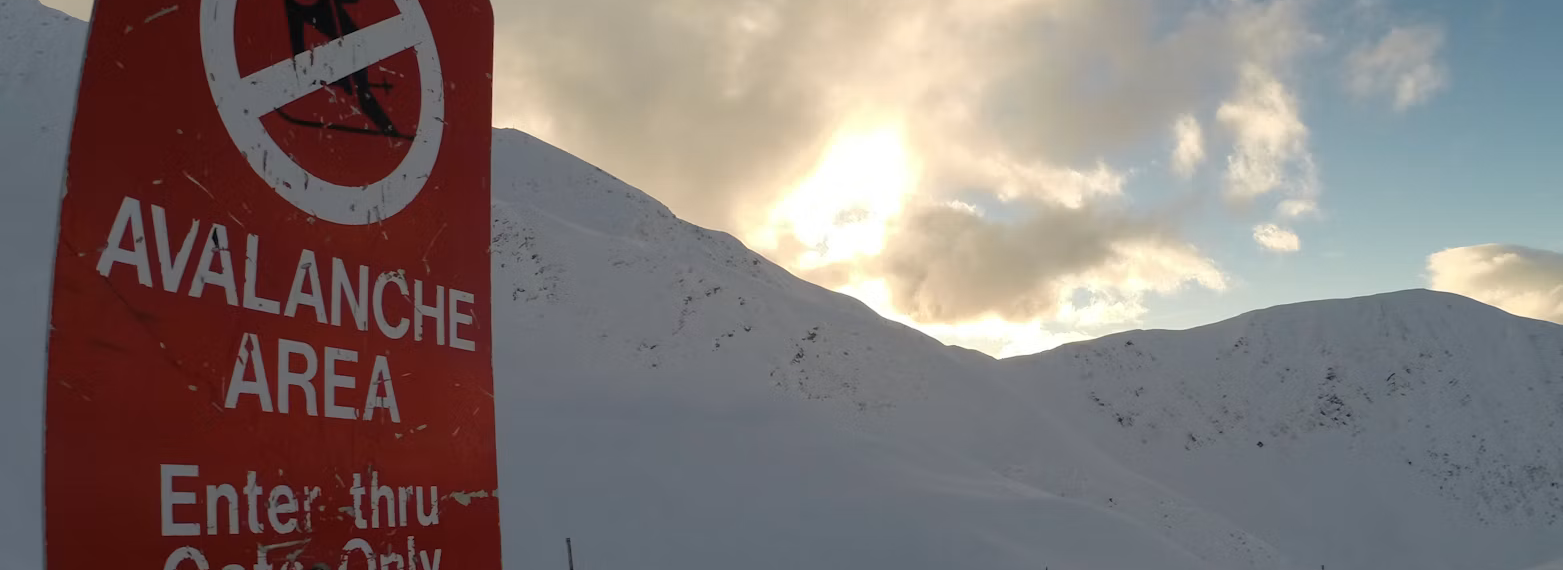
A snow-covered mountain can look calm while hiding unstable snow. An avalanche can release suddenly and move downhill at high speed, putting trekkers, climbers, and skiers at serious risk.
Avalanche safety starts before you reach the trail. Understanding snow, terrain, weather, warning signs, and safe travel practices helps you make better decisions in snowy mountain environments. This matters on Himalayan routes, where conditions can change quickly around steep slopes and high passes.
What Is an Avalanche?
An avalanche is a rapid flow of snow, ice, and sometimes debris down a mountain slope. It can occur naturally or be triggered by people when unstable snow breaks loose.
Two common types are:
- Loose-snow avalanche: Starts at a small point and gathers snow as it moves downhill.
- Slab avalanche: A cohesive snow layer breaks away and slides as a large mass.
Avalanche danger comes from the combination of unstable snow, terrain, and exposure.
Why Is Avalanche Safety Important for Trekkers?
Avalanche risk varies by trail, terrain, weather, and season. A route may pass below steep slopes, through narrow valleys, or across high passes where conditions change quickly.
If you are planning a Himalayan adventure, understanding Nepal's seasons and trekking conditions can help you choose and prepare for a route. Our quick guide to Nepal for 2026 provides useful background for trip planning.
Factors that can increase avalanche risk include:
- Recent heavy snowfall
- Strong winds that move snow onto slopes
- Rapid warming
- Weak snow layers
- Steep terrain
- Recent avalanche activity
A trail that was safe several days ago may not be safe after major snowfall or a weather change.
Are Avalanches Common in the Himalayas?
Avalanche exposure varies across the Himalayas. Elevation, slope angle, snowpack, weather, and route location all affect risk.
High passes and steep, snow-covered terrain generally require more careful assessment than lower sections. Conditions can also differ between valleys and seasons.
There is no single avalanche-risk rule for every Himalayan trek.
What Causes an Avalanche?
Avalanches usually result from several snowpack and weather factors working together.
Heavy or Recent Snowfall
Fresh snow adds weight to the existing snowpack. If it does not bond well with the layer below, instability can increase.
Rapid snowfall can change mountain conditions within hours.
Wind-Loaded Snow
Wind moves loose snow across mountain slopes. This can create dense deposits called wind slabs.
Wind slabs can become unstable when they form over weaker snow layers.
Rapid Temperature Changes
Temperature affects snow stability.
Rapid warming can weaken some snow structures. Freeze-thaw cycles can also change the bonds between snow layers.
Weak Layers in the Snowpack
Snow forms in layers with different densities and properties.
A weak layer beneath newer snow can become a failure surface. If it collapses, the snow above it may slide downhill.
Human Triggers
People can trigger avalanches when traveling across unstable snow.
This does not mean every person entering snowy terrain will cause an avalanche. Human activity is simply one possible trigger when the snowpack is already unstable.
Avalanche Warning Signs to Watch For
Warning signs can indicate instability, but no single sign proves that a slope is safe or unsafe.
Recent Avalanche Activity
Recent avalanches are a strong warning that unstable snow may exist nearby.
Look for:
- Fresh avalanche debris
- Broken trees or vegetation
- Snow piles in gullies
- Fracture lines
- Fresh slide paths
If one slope has recently avalanched, treat similar terrain with caution.
Cracks in the Snow
Cracks spreading through the snow can indicate stress within the snowpack.
Do not approach a slope to test it. A visible crack is a reason to increase caution.
Whumpfing or Collapsing Snow
A deep "whumpf" or collapsing sound can indicate that a weak snow layer has collapsed.
This is a serious warning sign, especially when combined with other instability signs.
Rapid Snowfall
Heavy or rapidly accumulating snow adds load to the existing snowpack.
Pay close attention when heavy snowfall follows unstable weather.
Strong Winds and Wind Slabs
Strong winds can move snow and create dense deposits on specific slopes.
Wind-loaded areas may appear smooth or rounded. Appearance alone cannot confirm snow stability.
Rapid Warming
Rapid warming can increase instability in some conditions.
Use extra caution when temperatures rise quickly after a cold period, especially on sunny slopes.
No warning signs does not mean a slope is safe. Avalanche assessment requires looking at snowpack, weather, terrain, and recent activity together.
Which Slopes Have Higher Avalanche Risk?
Avalanche terrain is generally associated with steep slopes, but slope angle is only one factor.
Assessment should also consider:
- Snowpack structure
- Wind loading
- Recent snowfall
- Recent avalanche activity
- Terrain traps
- Cornices
- Gullies and bowls
- Terrain above and below the route
A flat trail can still be exposed if it runs beneath a steep avalanche path.
Why Are Terrain Traps Dangerous?
A terrain trap can increase the consequences of an avalanche.
Examples include:
- Narrow gullies
- Depressions
- Stream channels
- Cliffs
- Narrow valleys
Avalanche debris can collect in these areas, increasing burial depth and making rescue harder.
Avoiding avalanche exposure is safer than depending on rescue after an avalanche.
What About Cornices?
A cornice is an overhanging mass of snow along a mountain ridge.
Cornices can break because of their weight, warming, wind, or changes in supporting snow. A falling cornice can also trigger an avalanche below.
Avoid unstable cornices and areas directly beneath them.
How to Check Avalanche Conditions Before a Trek
Avalanche safety starts with current conditions.
Before entering snowy terrain, check:
- Current weather forecasts
- Recent snowfall
- Temperature changes
- Strong wind events
- Local trail conditions
- Avalanche information, where available
- Mountain-pass conditions
Do not rely on an old trail report or outdated forecast.
Conditions can change quickly after fresh snow, strong winds, or rapid warming.
For example, trekkers planning the Annapurna Circuit Trek should check conditions around high-altitude sections and passes before departure.
Why Does Local Knowledge Matter?
Local guides and mountain professionals can provide information that general forecasts may not show.
They may know about:
- Recent snowfall
- Known avalanche paths
- Current trail conditions
- Local weather patterns
- Pass conditions
- Seasonal route changes
A licensed local guide can help assess route conditions and adjust plans when conditions change. A guide cannot eliminate avalanche risk.
How to Travel Safely in Avalanche Terrain
If a route enters or approaches avalanche terrain, make decisions based on current conditions.
Avoid Dangerous Slopes When Conditions Are Uncertain
If snow stability is uncertain, choose a safer route or postpone the crossing.
Changing your plan is part of responsible mountain travel.
Follow advice from qualified guides, local authorities, and avalanche professionals when available.
Keep the Group Organized
Groups should limit unnecessary exposure on hazardous slopes.
Depending on the terrain and conditions, professionals may recommend spacing people apart. This can reduce exposure if an avalanche occurs.
Cross One at a Time When Appropriate
Professional avalanche practice may involve crossing exposed sections individually.
This is not a universal rule. The correct approach depends on terrain, snow conditions, group ability, and professional assessment.
Avoid Terrain Traps
Identify gullies, depressions, narrow channels, and other areas where avalanche debris could collect.
A route that avoids a steep slope can still be dangerous if it leads into a terrain trap.
Know When to Turn Back
Conditions can deteriorate during a trek.
Consider turning back when:
- Snowfall becomes heavy
- Visibility drops
- Wind increases
- A pass becomes unstable
- Recent avalanche activity appears
- The route becomes difficult to assess
Reaching the destination is never more important than managing current conditions.
Avalanche Safety Equipment: What Do You Need?
Equipment needs depend on the route, season, terrain, activity, and conditions.
Do Trekkers Always Need Avalanche Gear?
No. Not every trekking route requires an avalanche transceiver, probe, and shovel.
Specialized equipment depends on whether you are entering avalanche terrain and what conditions exist.
If you travel regularly in avalanche terrain, equipment alone is not enough. You also need training.
A transceiver is useful only when group members know how to perform an organized search. Probes and shovels also require practical training.
For general preparation, use a route-specific Manaslu Circuit Trek packing list rather than assuming every Himalayan trek requires the same gear.
Equipment does not replace training, route assessment, or good decisions.
What to Do If an Avalanche Starts
If an avalanche begins nearby, act quickly.
- Alert your group.
- Move toward safer terrain if possible.
- Avoid entering another hazard while escaping.
- Follow procedures learned through formal avalanche training.
- Do not enter an avalanche path for rescue if doing so puts you at risk.
- Move to safety before beginning a rescue response.
What If You Are Caught in an Avalanche?
If possible, move toward the side of the avalanche before the snow reaches you.
If caught:
- Try to stay near the surface.
- Protect your airway.
- Create space around your face when the snow stops.
- Signal for help when possible.
- Stay calm and conserve energy.
These actions do not guarantee survival. Formal avalanche rescue training is the best way to learn how to respond.
What Should Your Group Do After an Avalanche?
Your first priority is preventing additional victims.
- Move to a safe location if another avalanche is possible.
- Account for everyone in the group.
- Contact emergency or rescue services when communication is available.
- Begin an organized search if trained and equipped.
- Use rescue equipment according to your training.
- Provide first aid after recovering a buried person.
- Monitor the surrounding terrain for secondary avalanches.
Why Do Secondary Avalanches Matter?
The slope that produced the first avalanche may remain unstable.
Entering the area without assessing surrounding terrain can expose rescuers to another avalanche.
Rescue should never create a second group of victims.
Avalanche Safety Tips for Himalayan Trekkers
Before entering snowy mountain terrain:
- Check current weather and snow conditions.
- Ask qualified local guides about recent conditions.
- Watch for recent avalanche activity.
- Use extra caution after heavy snowfall or strong winds.
- Understand the terrain above and below the trail.
- Avoid unnecessary exposure to steep snowy slopes.
- Identify gullies, cliffs, and other terrain traps.
- Carry suitable avalanche equipment when required.
- Learn to use rescue equipment before you need it.
- Monitor changing weather and snow conditions.
- Keep your group organized.
- Avoid unnecessary risks for photographs.
- Be ready to change your route or turn back.
The safest avalanche decision is often avoiding avalanche terrain altogether.
Is Avalanche Risk Different in Winter and Spring?
Avalanche conditions change throughout the year. Neither winter nor spring is automatically safe.
Winter
Winter can bring:
- Continued snow accumulation
- Persistent cold
- Developing snowpacks
- Heavy snowfall
- Difficult high-pass conditions
Snow can accumulate over time, making some high-altitude routes difficult to access.
Spring
Spring brings warmer temperatures, but snow can remain at high elevations.
Conditions may change during the day as temperatures rise. High passes can also retain substantial snow after lower trails become clearer.
Season alone does not determine avalanche risk. Snowfall, wind, temperature, snowpack, and terrain all matter.
Avalanche Safety on Nepal Trekking Routes
Avalanche exposure varies between regions and individual route sections.
Manaslu Circuit
The Manaslu Circuit Trek reaches high-altitude terrain and crosses Larkya La at about 5,106 meters.
Snow and weather conditions around the pass can change quickly. Check local conditions before attempting the pass and follow your guide's advice.
Everest Region Treks
High-altitude Everest routes can encounter snow and difficult conditions, especially around elevated sections and high passes.
The Everest Base Camp Trek and Gokyo Cho La Pass Trek have different terrain and route profiles. Their snow exposure should not be treated as identical.
Annapurna Base Camp
The Annapurna Base Camp Trek reaches high mountain terrain where snow can affect the trail during colder periods.
Check current conditions before departure. Stay alert to changes in snowfall, weather, and trail access.
Other High-Altitude Himalayan Routes
Avalanche exposure depends on:
- Elevation
- Slope angle
- Season
- Recent snowfall
- Wind
- Snowpack stability
- Route location
- Current trail conditions
Assess the actual conditions of your route rather than relying on its general reputation.
Why Trekking With an Experienced Guide Can Improve Safety
An experienced local guide cannot prevent an avalanche. They can, however, support better risk management.
A qualified guide may help with:
- Assessing trail conditions
- Selecting suitable routes
- Monitoring weather
- Identifying hazards
- Communicating with local communities
- Adjusting the itinerary
- Coordinating emergency support
For unfamiliar Himalayan terrain, local knowledge can provide context that a general forecast or online trail description cannot.
Final Takeaway
Avalanche safety depends on snow, weather, terrain, and human decisions. Recent snowfall, strong winds, rapid warming, weak layers, and recent avalanche activity can change conditions quickly.
For Himalayan trekkers, preparation means checking current conditions, understanding the route, listening to qualified local guidance, and changing plans when needed. Completing the itinerary matters less than returning safely.
If you are researching a Himalayan trek, take time to understand the route, season, permits, preparation, and current conditions. Himalayan Hero Adventures provides route information and trekking resources to help you understand what to expect before setting out.
Frequently Asked Questions About Avalanche Safety
What is avalanche safety?
Avalanche safety means identifying hazards, assessing snow and terrain, choosing safer routes, using suitable equipment, and knowing when to avoid avalanche terrain.
What are the warning signs of an avalanche?
Warning signs include recent avalanches, cracks, collapsing or "whumpfing" sounds, heavy snowfall, strong wind loading, and rapid warming. No warning signs does not prove a slope is safe.
Can trekkers trigger avalanches?
Yes. People can trigger avalanches when traveling across unstable snow. The likelihood depends on snowpack, terrain, and current conditions.
What slope angle is most associated with avalanches?
Many slab avalanches occur on slopes around 30 to 45 degrees. Slopes around 30 to 35 degrees are often associated with frequent slab avalanche activity. However, slope angle alone cannot determine safety.
What should you carry for avalanche safety?
People entering avalanche terrain may need a transceiver, probe, and shovel. Suitable clothing, communication equipment, navigation tools, and first-aid supplies are also important.
Learn to use avalanche rescue equipment before entering avalanche terrain.
Is avalanche risk higher after heavy snowfall?
It can be. New snow adds weight to the existing snowpack and may create instability. Wind and temperature changes can increase the risk further.
Can an experienced guide prevent an avalanche?
No. A guide cannot control natural avalanche processes. A qualified guide can assess conditions, select routes, monitor changes, and decide when plans should change.
Should beginners trek in avalanche terrain?
Beginners should not independently enter significant avalanche terrain without suitable training, equipment, and qualified guidance. Learning to recognize avalanche terrain and respond to emergencies is important.