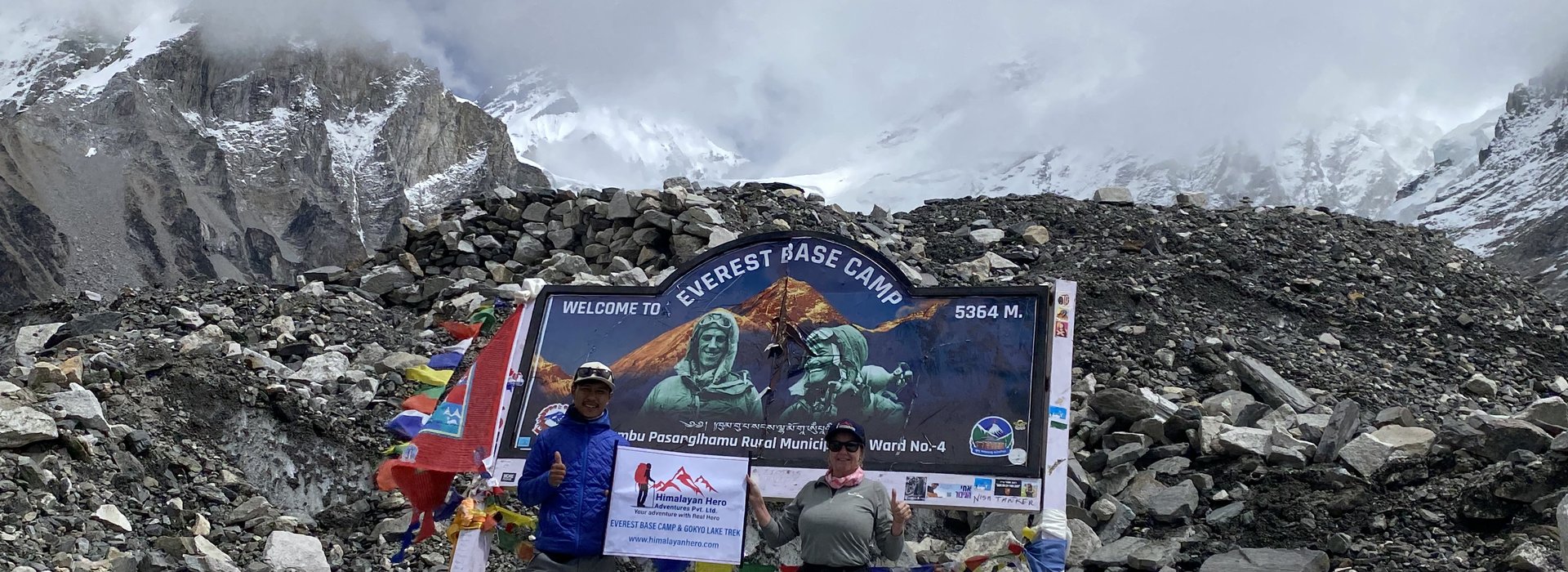
Every year, thousands of adventure lovers choose the Everest Base Camp Trek for Indians to experience the breathtaking landscapes of the Nepal Himalayas. From walking through traditional Sherpa villages to standing at the foot of the world's highest mountain, this trek is one of the most rewarding adventures in Asia. Nepal's close proximity to India, visa-free entry for Indian citizens, and excellent trekking infrastructure make Everest Base Camp an achievable dream for first-time and experienced trekkers alike.
If you are planning the Everest Base Camp Trek for Indians, this guide answers every important question before you book. You'll learn about the Everest Base Camp trek cost for Indians, visa requirements, permits, travel from India, the best trekking seasons, accommodation, food, packing, altitude safety, and practical travel tips. By the end of this guide, you'll have a clear understanding of how to plan your Everest adventure with confidence.
📅 Book your Everest Base Camp Trek today and make your Everest dream a reality.
Can Indians Do the Everest Base Camp Trek?
Yes. Indian citizens can complete the Everest Base Camp Trek without a visa for Nepal. With the required trekking permits, a suitable itinerary, and proper preparation, the trek is accessible to most healthy travelers, including beginners with a reasonable fitness level.
Nepal welcomes thousands of Indian visitors every year, making Everest Base Camp one of the most popular international trekking destinations for Indian adventure seekers. The trail is well established, with comfortable tea houses, experienced local guides, and clear trekking routes that make the journey straightforward. Since no technical climbing is involved, success depends on gradual acclimatization, physical fitness, and following a safe itinerary.
Is Everest Base Camp Open for Indian Citizens?
Yes. Everest Base Camp is open to Indian citizens throughout the official trekking seasons. Indian travelers can freely enter Nepal and trek in the Everest region after obtaining the required trekking permits. There are no special restrictions for Indian passport holders or Indian citizens traveling with a valid Voter ID.
Most trekkers visit during spring from March to May and autumn from September to November, when the weather is stable and mountain views are at their best. Trekking companies usually arrange all permits before departure, allowing visitors to focus on enjoying the adventure rather than handling paperwork.
Why Is Everest Base Camp Popular Among Indian Trekkers?
The Everest Base Camp Trek has become increasingly popular among Indian travelers because it combines world-famous Himalayan scenery with simple travel requirements. Nepal is close to India, flights are frequent from major cities, and Indian citizens do not need a tourist visa, making trip planning easier than many other international trekking destinations.
Another major advantage is the variety of trekking packages available for different budgets. Whether you are traveling from Delhi, Mumbai, Bangalore, or Kolkata, you can find guided Everest Base Camp packages that include permits, accommodation, experienced guides, domestic flights, and meals, making the entire journey convenient and stress free.
Why thousands of Indians choose Everest Base Camp every year:
- No visa required for Nepal
- Direct flights from major Indian cities
- Well-developed trekking infrastructure
- Experienced local guides and porters
- Comfortable tea house accommodation
- Incredible Himalayan scenery
- Rich Sherpa culture and Buddhist monasteries
- Suitable for first-time Himalayan trekkers
Is the Trek Suitable for Beginners?
Yes. Beginners can successfully complete the Everest Base Camp Trek if they prepare properly and choose an itinerary with enough acclimatization days. The route follows well-maintained trekking trails and does not involve technical climbing, ropes, or mountaineering equipment.
The biggest challenge is the increasing altitude rather than the trail itself. Most first-time trekkers complete the journey by walking at a steady pace, staying hydrated, eating nutritious meals, and allowing their bodies time to adjust to higher elevations. Regular walking, stair climbing, or cardio training before traveling significantly improves the trekking experience.
🗺️ Your perfect Himalayan trek might not be the one you expect. Compare Everest Base Camp Trek vs Annapurna Base Camp Trek and discover which journey truly fits you.
What Is the Everest Base Camp Trek Cost for Indians?
The Everest Base Camp Trek cost for Indians generally ranges from ₹90,000 to ₹1,60,000 per person. The final price depends on your departure city, trekking package, flight costs, accommodation preferences, and personal spending during the trek.
Choosing a guided package is often the most convenient option because it includes permits, domestic flights, accommodation, meals during the trek, and professional guides. Although independent trekking may appear less expensive initially, many travelers find that organized packages provide better overall value and simplify the planning process.
Everest Base Camp Trek Price for Indians
The Everest Base Camp trek price for Indians varies according to the level of service included in the package. Budget group departures are ideal for travelers looking to reduce costs, while premium packages offer upgraded hotels in Kathmandu, private airport transfers, and additional support throughout the trek.
Before comparing prices, always review what is included. Some operators include Lukla flights, permits, meals, guide services, and porter assistance, while others charge separately for these essential expenses. Comparing only the package price without checking the inclusions can lead to unexpected costs later.
Everest Base Camp Trek Cost from India
Your total Everest Base Camp trek cost from India includes international flights to Kathmandu, Lukla flights, trekking permits, accommodation, meals, guide services, insurance, equipment, and personal expenses. Booking flights several months in advance can help reduce travel costs, especially during the peak trekking seasons.
Joining a group departure is another excellent way to lower your overall budget. Group packages often provide discounted rates while still including experienced guides, comfortable accommodation, and essential trekking logistics.
Everest Base Camp Trek Cost from Delhi
Delhi offers some of the most affordable and convenient flight options to Kathmandu. Direct flights operate regularly, making Delhi one of the preferred departure cities for Indian trekkers planning the Everest Base Camp adventure.
Most travelers from Delhi should budget between ₹95,000 and ₹1,45,000, including flights, trekking package, permits, insurance, and personal expenses. Booking flights early usually results in lower airfare during the busy spring and autumn seasons.
Everest Base Camp Trek Cost from Mumbai
Travelers departing from Mumbai usually spend slightly more because flights to Kathmandu often include one connection. However, there are frequent flight options throughout the year, making travel relatively convenient.
The total Everest Base Camp trek cost from Mumbai generally ranges between ₹1,05,000 and ₹1,55,000, depending on flight prices, package inclusions, accommodation choices, and personal spending during the trek.
Everest Base Camp Trek Cost from Kolkata
Kolkata is one of the closest major Indian cities to Nepal, and flight fares are often competitive compared to other departure points. Many trekkers from eastern India choose Kolkata because of its convenient connections to Kathmandu.
Most travelers from Kolkata should expect a total budget between ₹95,000 and ₹1,45,000, including international flights, Lukla flights, permits, accommodation, guide services, meals, insurance, and miscellaneous expenses.
Estimated Everest Base Camp Trek Cost Breakdown
| Expense |
Estimated Cost (INR) |
| Flight to Kathmandu |
₹15,000 to ₹35,000 |
| Kathmandu to Lukla Flight |
₹18,000 to ₹30,000 |
| Everest Base Camp Trek Package |
₹65,000 to ₹1,20,000 |
| Travel Insurance |
₹3,000 to ₹8,000 |
| Trekking Equipment |
₹10,000 to ₹30,000 |
| Food and Personal Expenses |
₹8,000 to ₹15,000 |
| Guide and Porter Tips |
₹5,000 to ₹10,000 |
| Miscellaneous Expenses |
₹5,000 to ₹10,000 |
| Estimated Total Budget |
₹90,000 to ₹1,60,000 |
Documents Required for Indian Citizens
Indian citizens do not need a visa to enter Nepal for the Everest Base Camp Trek. However, you must carry a valid travel document and obtain the required trekking permits before entering the Everest region. Preparing your documents in advance ensures a smooth journey from India to Everest Base Camp and helps you avoid unnecessary delays during immigration and permit verification.
One of the biggest advantages of planning the Everest Base Camp Trek for Indians is the simple travel process between India and Nepal. Unlike many international destinations, Nepal allows Indian citizens to enter without applying for a tourist visa. Along with a valid passport or original Voter ID card, trekkers must also obtain the required permits for the Everest region. Most licensed trekking companies arrange these permits before the trek begins, making the entire process convenient and hassle free.
Do Indians Need a Visa for Nepal?
No. Indian citizens do not need a visa to travel to Nepal. Under the long-standing agreement between India and Nepal, Indian nationals can enter Nepal without applying for a tourist visa, making the Everest Base Camp Trek one of the most accessible international adventures for Indian travelers.
Whether you are flying from Delhi, Mumbai, Bangalore, Kolkata, or crossing the border by land, you can enter Nepal using an accepted travel document. Although a visa is not required, you should always carry valid identification and check the latest travel updates from official government sources before your departure to ensure a smooth and stress-free journey.
Passport vs Voter ID: Which Document Should You Carry?
Indian citizens can travel to Nepal using either a valid Indian passport or an original Election Commission of India Voter ID card. Both documents are accepted for immigration purposes when entering Nepal by air or by land. If you are planning the Everest Base Camp Trek, carrying one of these documents is mandatory throughout your journey.
Although both documents are accepted, a passport is often the better option because it is widely recognized by airlines, hotels, and banks. Aadhaar cards, PAN cards, driving licences, and digital copies of documents are not accepted as valid travel documents for entering Nepal. Before you travel, ensure your passport or Voter ID is valid and in good condition to avoid any issues during immigration.
| Accepted Travel Documents |
Valid for Entry into Nepal |
| Indian Passport |
✅ Yes |
| Original Voter ID Card |
✅ Yes |
| Aadhaar Card |
❌ No |
| PAN Card |
❌ No |
| Driving Licence |
❌ No |
| Digital Copies |
❌ No |
Everest Base Camp Permits
Every Indian trekker must obtain two mandatory permits before starting the Everest Base Camp Trek. These permits allow access to the Everest region, support conservation efforts, and help maintain trekking trails and local infrastructure. If you book a guided trek, your trekking company will usually arrange both permits before your departure.
The required permits include the Sagarmatha National Park Entry Permit and the Khumbu Pasang Lhamu Rural Municipality Permit. You should always carry these permits during the trek because they are checked at several checkpoints between Lukla and Everest Base Camp.
Sagarmatha National Park Entry Permit
TheSagarmatha National Park Entry Permit is required for everyone entering Nepal's famous UNESCO World Heritage Site. This protected area includes Mount Everest, surrounding Himalayan peaks, glaciers, forests, and traditional Sherpa villages. The permit fee contributes to wildlife conservation, trail maintenance, and environmental protection within the national park.
Trekkers usually have their permits checked at the Monjo checkpoint before entering the national park. Keeping this permit accessible throughout the trek is important, as officials may request to see it at various locations along the trail.
Khumbu Pasang Lhamu Rural Municipality Permit
The Khumbu Pasang Lhamu Rural Municipality Permit is another compulsory permit for trekking in the Everest region. It replaced the former TIMS card for this area and helps fund local development projects, waste management, rescue services, and trail maintenance.
This permit is normally issued in Lukla or Monjo before you continue toward Namche Bazaar. If you choose a licensed local trekking company, the permit application and payment are generally included in your trekking package, making the process simple and hassle-free.
| Accepted Travel Documents |
Valid for Entry into Nepal |
None |
| Indian Passport |
✅ Yes |
None |
| Original Voter ID Card |
✅ Yes |
None |
| Aadhaar Card |
❌ No |
None |
| PAN Card |
❌ No |
None |
| Driving Licence |
❌ No |
None |
| Digital Copies |
❌ No |
None |
How to Reach Everest Base Camp from India
Reaching Everest Base Camp from India is simple because Nepal has excellent air connectivity with major Indian cities. Your journey begins with a flight to Kathmandu, followed by a scenic mountain flight to Lukla, which is the gateway to the Everest region. Most trekkers spend one night in Kathmandu before flying to Lukla early the next morning, allowing time to rest and prepare for the trek.
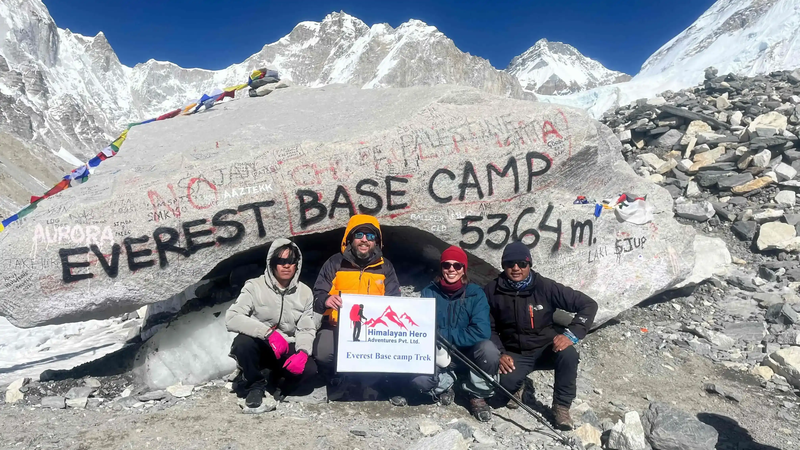
Several airlines operate regular flights between India and Nepal throughout the year. After arriving in Kathmandu, your trekking company usually arranges airport transfers, hotel accommodation, and the Lukla flight. Since mountain weather can affect Lukla flights, it is always recommended to keep one or two extra days in your itinerary before returning to India.
Delhi to Kathmandu
Delhi is one of the most convenient departure cities for Indian trekkers because it offers multiple direct flights to Kathmandu every day. The average flight time is about 1 hour and 45 minutes, making it the quickest and often the most affordable option for travelers planning the Everest Base Camp Trek.
Booking your flight two or three months in advance usually provides better fares, especially during the busy spring and autumn trekking seasons. Many trekkers also choose Delhi because of its frequent flight schedules and reliable airline options.
Mumbai to Kathmandu
Travelers from Mumbai can reach Kathmandu through both direct and connecting flights. Direct flights usually take around 2 hours and 30 minutes, while connecting flights may take longer depending on the layover.
Mumbai is a popular starting point for Indian trekkers, and several trekking companies offer group departures that make planning easier. Booking early is recommended, especially if you plan to trek during the peak seasons.
Bangalore to Kathmandu
Most flights from Bangalore to Kathmandu include one stop, commonly through Delhi or another major Indian city. Total travel time generally ranges between 5 and 8 hours, depending on the airline and connection.
If you are flying from Bangalore, arriving in Kathmandu one day before your Lukla flight is highly recommended. This provides enough time to recover from travel and reduces the impact of possible flight delays.
Kolkata to Kathmandu
Kolkata is one of the closest Indian cities to Nepal, making it a popular departure point for Everest trekkers. Flights usually take between 1.5 and 2 hours, depending on the airline and schedule.
Because of its proximity to Nepal, Kolkata often offers competitive airfares, making it an attractive option for trekkers from eastern India who want to reduce overall travel costs.
Kathmandu to Lukla
The final flight before beginning the Everest Base Camp Trek is from Kathmandu to Lukla. This scenic mountain flight takes approximately 35 minutes and lands at Tenzing-Hillary Airport, one of the world's most famous mountain airports.
Flights to Lukla operate early in the morning when weather conditions are generally more stable. Delays and cancellations are common because of changing mountain weather, so adding one or two buffer days to your travel schedule is strongly recommended.
Flight Duration from India to Everest Base Camp Starting Point
| Route |
Approximate Flight Time |
| Delhi → Kathmandu |
1 hr 45 min |
| Mumbai → Kathmandu |
2 hr 30 min |
| Bangalore → Kathmandu |
5 to 8 hrs (with connection) |
| Kolkata → Kathmandu |
1.5 to 2 hrs |
| Kathmandu → Lukla |
35 min |
Best Time for Indians to Trek to Everest Base Camp
The best time for the Everest Base Camp Trek for Indians is during spring (March to May) and autumn (September to November). These seasons offer stable weather, comfortable daytime temperatures, and clear mountain views, making trekking safer and more enjoyable. Although the trail is open throughout the year, each season provides a different experience depending on weather conditions and your trekking preferences.
Choosing the right season is an important part of planning your Everest adventure. Factors such as temperature, visibility, crowd levels, and flight reliability can significantly affect your trekking experience. Understanding the advantages and challenges of each season helps you decide when to begin your journey.
Spring (March to May)
Spring is one of the most popular seasons for the Everest Base Camp Trek. The weather is generally stable, temperatures are comfortable, and the trails come alive with blooming rhododendron forests. Clear mornings often provide spectacular views of Mount Everest, Lhotse, Ama Dablam, and other Himalayan peaks.
This season also coincides with Everest climbing expeditions, allowing trekkers to experience the lively atmosphere at Everest Base Camp. Since it is a busy period, booking flights, accommodation, and trekking packages well in advance is highly recommended.
Autumn (September to November)
Autumn is considered by many experienced trekkers to be the best season for visiting Everest Base Camp. After the monsoon rains, the skies become exceptionally clear, offering excellent mountain visibility and pleasant trekking conditions.
Temperatures remain comfortable during the day, while evenings become cooler as you gain altitude. The trails are busy but well organized, making autumn an excellent choice for first-time trekkers and photographers seeking the best Himalayan views.
Winter (December to February)
Winter offers a quieter trekking experience with fewer visitors on the trail. The mountain scenery remains stunning, and clear skies are common, but temperatures drop significantly, especially above Namche Bazaar.
Trekkers choosing winter should be prepared for freezing nights, snowfall, and occasional flight delays due to weather conditions. Proper winter clothing and experience trekking in cold environments are essential during this season.
Monsoon (June to August)
The monsoon season brings frequent rainfall, cloudy skies, and reduced visibility across much of the Everest region. Flights to Lukla are more likely to be delayed or cancelled because of changing weather conditions.
Although the trails become greener and less crowded, slippery paths and limited mountain views make this the least popular season for the Everest Base Camp Trek. Trekkers visiting during the monsoon should remain flexible with their itinerary and prepare for changing weather
Which Season Should Indian Trekkers Choose?
For most Indian travelers, spring and autumn remain the best seasons because they provide the safest weather, reliable trekking conditions, and outstanding mountain views. If you prefer fewer crowds and do not mind cold temperatures, winter can also be a rewarding option with proper preparation.
Booking your Everest Base Camp Trek several months before your preferred season helps secure better flight availability, experienced guides, and comfortable tea house accommodation, especially during the busy spring and autumn months..
Everest Base Camp Trek Itinerary
A standard Everest Base Camp Trek itinerary for Indians takes 12 to 14 days, including two important acclimatization days. The route starts with a flight to Lukla and passes through famous Sherpa villages before reaching Everest Base Camp at 5,364 meters. Many trekkers also hike to Kala Patthar (5,545 meters) for the best panoramic view of Mount Everest.
The itinerary is carefully designed to help your body adjust to the increasing altitude. Walking slowly, staying hydrated, and following the planned acclimatization schedule greatly reduce the risk of altitude sickness and improve your chances of completing the trek successfully.
14-Day Everest Base Camp Trek Itinerary
| Day |
Route |
Distance |
Walking Hours |
Sleeping Altitude |
| 1 |
Fly Kathmandu to Lukla, Trek to Phakding |
8 km |
3 to 4 hrs |
2,610 m |
| 2 |
Phakding to Namche Bazaar |
10 to 11 km |
6 to 7 hrs |
3,440 m |
| 3 |
Acclimatization at Namche Bazaar |
5 to 6 km (hike) |
3 to 4 hrs |
3,440 m |
| 4 |
Namche Bazaar to Tengboche |
10 km |
5 to 6 hrs |
3,860 m |
| 5 |
Tengboche to Dingboche |
11 km |
5 to 6 hrs |
4,410 m |
| 6 |
Acclimatization at Dingboche |
5 km (hike) |
3 to 4 hrs |
4,410 m |
| 7 |
Dingboche to Lobuche |
8 km |
5 to 6 hrs |
4,940 m |
| 8 |
Lobuche to Gorak Shep, Visit Everest Base Camp |
15 km |
7 to 8 hrs |
5,164 m |
| 9 |
Kala Patthar Sunrise, Trek to Pheriche |
13 km |
7 to 8 hrs |
4,240 m |
| 10 |
Pheriche to Namche Bazaar |
19 km |
6 to 7 hrs |
3,440 m |
| 11 |
Namche Bazaar to Lukla |
18 km |
6 to 7 hrs |
2,860 m |
| 12 |
Fly Lukla to Kathmandu |
Flight |
35 min |
1,400 m |
Why Are Acclimatization Days Important?
The two acclimatization days at Namche Bazaar and Dingboche are among the most important parts of the itinerary. Instead of resting completely, trekkers hike to a higher elevation during the day and return to sleep at a lower altitude. This "climb high, sleep low" method is one of the most effective ways to prevent altitude sickness. Read our complete Everest Base Camp acclimatization guide to prepare for the trek.
Skipping acclimatization days to save time is not recommended. A well-paced itinerary gives your body enough time to adjust, making the journey safer, more comfortable, and far more enjoyable. Most successful Everest Base Camp trekkers follow this gradual ascent strategy, regardless of their age or fitness level.
Food for Indian Trekkers
Indian trekkers will find a wide variety of meals throughout the Everest Base Camp Trek. Most tea houses serve vegetarian dishes, popular Indian meals, and international food to accommodate travelers from around the world. As you gain altitude, food choices become more limited, but nutritious and filling meals remain available until Gorak Shep.
The best approach is to eat freshly prepared meals that are high in carbohydrates, drink plenty of fluids, and avoid alcohol during the ascent. Proper nutrition and hydration play an important role in maintaining energy levels and reducing the effects of high altitude.
Is Vegetarian Food Available?
Yes. Vegetarian food is available at almost every tea house along the Everest Base Camp route. Popular options include vegetable fried rice, dal bhat, vegetable noodles, soups, momos, pasta, potatoes, pancakes, porridge, and eggs.
Many experienced guides recommend eating vegetarian meals at higher elevations because they are generally fresher and easier to digest. Nepal's famous dal bhat, served with rice, lentil soup, vegetables, and pickles, is one of the most popular and nutritious meals for trekkers.
Is Jain Food Available?
Jain food is available in Kathmandu and can be arranged by some trekking companies with advance notice. However, options become very limited once you enter the Everest region because tea house menus are fixed and ingredients must be transported by porters or yaks.
If you follow a strict Jain diet, inform your trekking operator before booking your trip. Carrying a few ready-to-eat meals or snacks from India is also a good idea, especially for the higher sections of the trek where food choices are more limited.
Can You Get Indian Meals?
Yes. Indian food is widely available during the Everest Base Camp Trek, especially in Lukla, Namche Bazaar, and larger villages. Most tea houses serve familiar dishes that are popular with Indian travelers.
Common Indian meals include:
- Dal Bhat
- Vegetable Curry
- Chapati or Roti
- Jeera Rice
- Fried Rice
- Vegetable Biryani
- Aloo Curry
- Paneer Dishes (available in some villages)
- Masala Tea
Food prices gradually increase with altitude because all supplies are carried into the mountains by porters or pack animals.
Drinking Water Options
Staying hydrated is essential during the Everest Base Camp Trek, especially above 3,000 meters where dehydration increases the risk of altitude sickness. Most trekkers aim to drink 3 to 4 liters of water every day.
Using a reusable water bottle with purification tablets or a filter is the most economical and environmentally friendly choice. Many trekking companies also encourage trekkers to avoid single-use plastic bottles to help protect the fragile Himalayan environment.
Packing List for Indian Trekkers
Packing the right gear is one of the most important parts of preparing for the Everest Base Camp Trek. Weather conditions can change quickly, and temperatures often fall below freezing at higher elevations. Carrying lightweight, warm, and reliable equipment helps you stay comfortable throughout the trek without making your backpack unnecessarily heavy. Before you leave, check our complete Everest Base Camp packing list to make sure you have all the essential clothing, gear, and equipment for a safe and comfortable journey.
Most trekkers aim to keep their daypack between 5 and 8 kg, while heavier luggage is carried by a porter if included in the trekking package. Layering your clothing instead of carrying bulky jackets is the best way to stay warm while adjusting to changing temperatures during the day.
Essential Packing Checklist
| Category |
Recommended Items |
| Travel Documents |
Passport or Voter ID, passport-size photos, travel insurance, permits, flight tickets, cash (Nepalese Rupees) |
| Clothing |
Moisture-wicking T-shirts, thermal base layers, fleece jacket, insulated down jacket, waterproof jacket, trekking pants, gloves, warm hat, sun hat, neck buff |
| Footwear |
Waterproof trekking boots, camp shoes or sandals, wool trekking socks, gaiters (optional) |
| Backpack |
30 to 40 L daypack, duffel bag (if using porter), rain cover |
| Sleeping Gear |
Four-season sleeping bag (-10°C to -15°C), sleeping bag liner (optional) |
| Health & First Aid |
Personal medicines, Diamox (after consulting your doctor), pain relievers, bandages, blister treatment, sunscreen SPF 50+, lip balm, hand sanitizer |
| Electronics |
Mobile phone, power bank, charging cables, universal adapter, headlamp with extra batteries, camera (optional) |
| Water & Snacks |
Reusable water bottles, water purification tablets or filter bottle, energy bars, dry fruits, electrolyte powder |
| Personal Items |
Sunglasses (UV protection), trekking poles, toiletries, wet wipes, quick-dry towel |
Travel Insurance for Indian Trekkers
Travel insurance is highly recommended for Indian trekkers planning the Everest Base Camp Trek. Although it is not mandatory, it provides financial protection against unexpected events such as illness, injury, flight disruptions, or emergency evacuation. Since medical facilities are limited in the Everest region, helicopter evacuation may be the safest option in case of a serious medical emergency.
Before purchasing a policy, carefully check that it covers high-altitude trekking up to at least 5,500 meters, emergency medical treatment, and helicopter evacuation in Nepal. Always read the policy exclusions carefully, as many standard travel insurance plans do not include adventure activities or high-altitude trekking unless they are specifically mentioned.
What Should Your Travel Insurance Cover?
Your travel insurance should include:
- High-altitude trekking coverage up to at least 5,500 meters
- Emergency helicopter evacuation from the Everest region
- Medical treatment and hospitalization in Nepal
- Coverage for altitude-related illnesses, where applicable
- Trip cancellation or interruption due to unforeseen circumstances
- Flight delays or cancellations, particularly for Lukla flights
- Lost, delayed, or damaged baggage
- 24/7 emergency assistance and claims support
Tip: Before buying your policy, confirm directly with the insurer that it specifically covers the Everest Base Camp Trek, including trekking above 5,000 meters and emergency helicopter evacuation in Nepal. This simple verification can help avoid claim issues if an emergency occurs.
Explore More Everest Trek Adventures
If you're looking beyond the classic Everest Base Camp Trek, the Everest region offers several rewarding trekking routes with stunning mountain scenery, high passes, and fewer crowds. Depending on your experience and available time, you may also enjoy these popular Himalayan adventures:
- Everest 3 Pass Trek – A challenging circuit that crosses Kongma La, Cho La, and Renjo La, making it ideal for experienced trekkers seeking the ultimate Everest adventure.
- Gokyo Chola Pass Trek – Combines the turquoise Gokyo Lakes, Cho La Pass, and Everest Base Camp into one spectacular trek with breathtaking Himalayan panoramas.
- Jiri To Everest Base Camp Trek – Follow the historic route used by early Everest expeditions, passing through traditional villages before joining the classic trail.
Ready to Trek to Everest Base Camp?
Planning your Everest adventure is much easier with experienced local support. From permits and Lukla flights to accommodation, experienced guides, and emergency assistance, choosing the right trekking operator helps ensure a safe, enjoyable, and well-organized journey from start to finish.
If you're looking for the best trekking company in Nepal, Himalayan Hero offers professionally guided Everest Base Camp treks with experienced local guides, transparent pricing, and complete logistical support. Explore their trekking packages, customize your itinerary, and let their expert team help you experience the Himalayas safely and confidently.
Frequently Asked Questions About the Everest Base Camp Trek for Indians
Do Indians need a visa for the Everest Base Camp Trek?
No. Indian citizens do not need a visa to enter Nepal. You can travel using a valid Indian passport or an original Voter ID card. However, you must obtain the required trekking permits before starting the Everest Base Camp Trek.
How much does the Everest Base Camp Trek cost for Indians?
The average Everest Base Camp Trek cost for Indians ranges from INR 90,000 to INR 1,80,000, depending on the trekking package, flight options, accommodation, group size, and personal expenses such as equipment and travel insurance.
How difficult is the Everest Base Camp Trek for Indians?
The trek is considered moderately difficult. It does not require technical climbing skills, but trekkers should have good physical fitness and be prepared for long walking days and high altitude. Proper acclimatization greatly improves your chances of completing the trek successfully.
Which permits do Indian trekkers need?
Indian trekkers need two permits:
- Sagarmatha National Park Entry Permit
- Khumbu Pasang Lhamu Rural Municipality Permit
Most trekking companies arrange these permits before the trek begins.
What is the best time for Indians to trek to Everest Base Camp?
The best seasons are March to May and September to November. These months offer stable weather, clear mountain views, comfortable temperatures, and reliable trekking conditions.
Is vegetarian Indian food available during the trek?
Yes. Most tea houses serve vegetarian meals, including dal bhat, vegetable curry, fried rice, noodles, chapati, and other Indian-style dishes. Food choices become more limited at higher elevations but remain sufficient throughout the trek.
Do Indian trekkers need travel insurance?
Travel insurance is strongly recommended. Your policy should cover high-altitude trekking up to at least 5,500 meters, emergency medical treatment, and helicopter evacuation in Nepal, as these costs can be significant in remote mountain areas.
Which is the best trekking company in Nepal for the Everest Base Camp Trek?
Choose a licensed trekking company with experienced local guides, transparent pricing, positive reviews, and comprehensive package inclusions. If you are looking for a trusted local operator, explore the Everest Base Camp Trek packages offered by the Himalayan Hero