What if one small decision turned your dream Himalayan adventure into your biggest trekking regret? The mistakes during Manaslu Circuit Trek are often more common than people expect, especially when the challenges of Manaslu Trek are underestimated. Its remote trails, changing weather, and high-altitude conditions demand far more than confidence and physical fitness.
Many trekkers focus on reaching Larkya La Pass but overlook the planning and preparation needed to get there safely. From poor acclimatization to packing mistakes and unrealistic daily schedules, simple errors can quickly become major obstacles. Knowing these common pitfalls before you set out will help you enjoy a safer, smoother, and far more rewarding Manaslu Circuit experience.
How difficult is the Manaslu Circuit Trek?
The Manaslu Circuit Trek is a moderately difficult to challenging high-altitude trek that requires careful acclimatization and steady pacing. Most itineraries take 12–16 days, with daily hikes lasting 6–9 hours. The route reaches its highest point at Larkya La Pass (5,106 m), where thinner air makes trekking significantly more demanding than at lower elevations, which often leaves travelers wondering: is the manaslu circuit trek right for my fitness level?
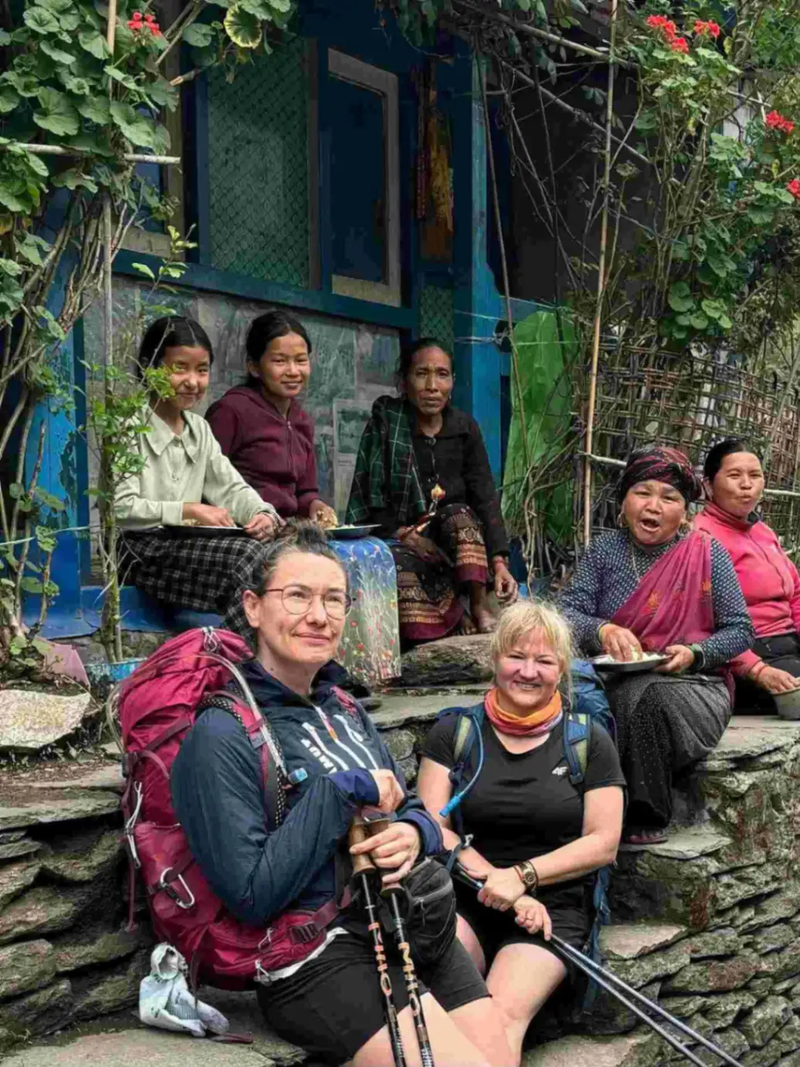
Many trekkers make classic mistakes by underestimating the long walking days and the effects of altitude. Since the trail passes through remote areas with limited facilities, following a realistic itinerary, hiring a licensed guide, and carrying the right gear are absolutely essential for a safe and enjoyable experience.
What is the Manaslu trek really like?
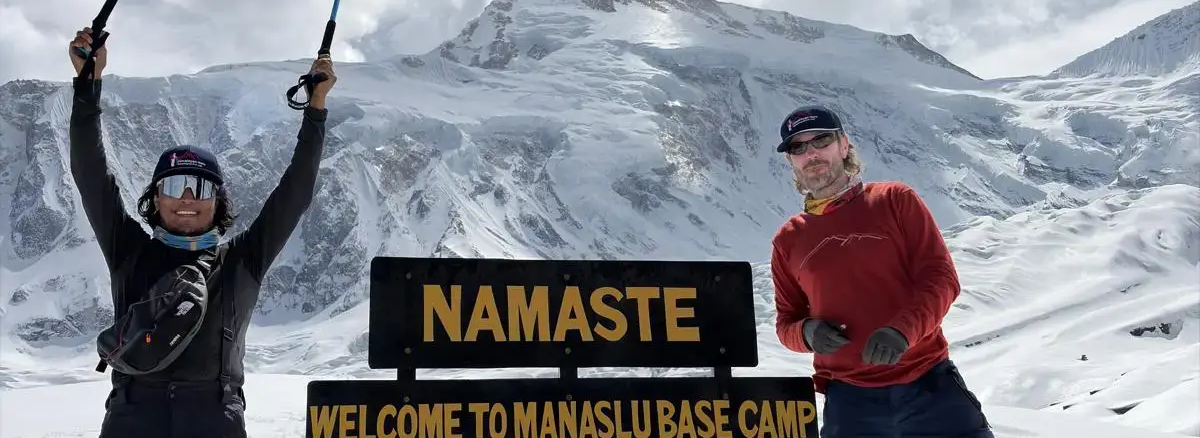
The Manaslu Circuit Trek is a remote Himalayan adventure known for its peaceful trails, traditional mountain villages, and spectacular views of Mount Manaslu. Unlike the busier Everest and Annapurna regions, this route offers a quieter experience with basic teahouses, rich Tibetan Buddhist culture, and fewer crowds throughout the journey.
The trail gradually climbs from lush river valleys to alpine landscapes before crossing Larkya La Pass. Restricted area permits and a licensed guide are mandatory, making preparation especially important. Expect simple accommodation, changing weather, and rewarding scenery that reflects the untouched beauty of the Manaslu Conservation Area.
What is the technical difficulty of the Manaslu Circuit?
The Manaslu Circuit Trek is non-technical, meaning no climbing equipment or mountaineering experience is normally required. Trekkers mainly follow established mountain trails, cross suspension bridges, and navigate rocky paths. Although the route is accessible to experienced hikers, the high altitude and rugged terrain demand caution and proper preparation.
Snow, ice, or loose rocks near Larkya La Pass can make certain sections more challenging, particularly during winter or early spring. Wearing sturdy trekking boots, using trekking poles, and walking with an experienced guide improve stability and help reduce the risk of accidents on uneven trails.
What are the biggest risks during the trek?
The biggest risks on the Manaslu Circuit Trek include altitude sickness, unpredictable mountain weather, slips on uneven trails, snow at the Larke-La pass or snowfall on the pass day, and physical exhaustion. Most serious problems can be avoided by following a gradual itinerary, staying hydrated, and allowing enough time for acclimatization before reaching higher elevations.
One of the most common mistakes during Manaslu Circuit Trek is rushing toward Larkya La Pass without listening to your body. Also, as you go higher, you will walk about 4-5 hours or even less; due to this, more trekkers do the 2 camps in 1 day, which will increase the risk of altitude sickness. Because medical facilities are limited in remote villages, carrying travel insurance, following your guide's advice, and preparing for changing trail conditions are important steps for a safer Himalayan adventure. One common mistake is underestimating the physical demands of the trek, especially for older trekkers. If you are planning the Manaslu Circuit Trek after 50, our guide to the Manaslu Circuit Trek for Seniors covers fitness, pacing, acclimatization, safety, and preparation in more detail.
Mistake #1: Underestimating the Trek Difficulty
Many trekkers assume the Manaslu Circuit Trek is similar to other popular Himalayan routes, but that misconception can lead to unnecessary challenges. One of the biggest Mistakes During Manaslu Circuit Trek is underestimating its physical demands, remote location, and high-altitude environment. The trail crosses Larkya La Pass at 5,106 meters, where thinner air, long hiking days, and unpredictable weather can test even experienced hikers. Understanding the trek's difficulty before you begin helps you prepare properly and enjoy the journey with greater confidence.
Can a beginner do the Manaslu Circuit Trek?
Yes, beginners can complete the Manaslu Circuit Trek if they are physically fit, well-prepared, and follow a gradual itinerary. Most itineraries take 12–16 days depending on the pace and acclimatization schedule.
Himalayan Hero Adventures offers a well-balanced 14-day itinerary, giving trekkers sufficient time to adapt to the altitude while enjoying the journey at a comfortable pace. Although the trek does not require technical climbing, you'll typically hike 6–9 hours each day and cross Larkya La Pass (5,106 m). Trekking with a licensed guide is mandatory, and their support with navigation, permits, altitude management, and local logistics helps first-time trekkers complete the adventure safely and confidently.
| Quick Facts |
Details |
| Difficulty |
Moderate to Challenging |
| Maximum Altitude |
5,106 m (Larkya La Pass) |
| Trek Duration |
12–16 days Standard 14 days by Himalayan Hero |
| Daily Walking |
6–9 hours |
| Guide Required |
Yes |
Tip: Beginners should choose a longer itinerary with acclimatization days instead of the shortest package available.
Is Manaslu suitable for first-time trekkers?
Yes, the Manaslu Circuit can be suitable for first-time trekkers, but it is better suited to adventurous beginners than casual hikers. Compared to Everest Base Camp or Annapurna, the trail is quieter and more remote, with simpler tea houses and fewer facilities. You should feel comfortable spending several consecutive days walking on uneven mountain trails while adapting to changing weather and increasing altitude.
Before booking your trek, ask yourself:
- Can you walk for 6–8 hours comfortably?
- Have you trained for uphill and downhill hiking?
- Are you comfortable with basic accommodation?
- Can you follow a slow pace for acclimatization?
If your answer is yes to most of these questions, Manaslu can be a rewarding first Himalayan trekking experience.
What fitness level do you need?
You need a moderate to high level of fitness for the Manaslu Circuit Trek. The trek is more about endurance than speed, as you'll hike for many hours over steep climbs, rocky paths, and mountain passes. Strong cardiovascular fitness helps you recover faster each day, while good leg strength makes long ascents and descents more comfortable.
A balanced training routine should include:
- Cardio: Walking, running, cycling, or swimming 3–4 times each week.
- Strength training: Focus on legs, core, and lower back.
- Hill walking: Practice on uneven terrain whenever possible.
- Backpack training: Hike with the same weight you plan to carry. Standard backpack weight for Manaslu Circuit Trek is 10 - 12 KG
The fitter you are before arriving in Nepal, the more energy you'll have to enjoy the Himalayan views instead of simply focusing on the next uphill section.
How to train for the Manaslu Circuit Trek
The best way to train is by combining endurance, strength, and hiking practice over several weeks. You don't need an expensive gym membership, but you do need consistency. Regular exercise prepares your body for repeated long trekking days and reduces the chance of fatigue or injury on the trail.
A simple weekly training plan could look like this:
- 3 days: Cardio (45–60 minutes)
- 2 days: Strength exercises for legs and core
- 1 day: Long hike with a backpack
- Daily: Stretching and mobility exercises
If you live near hills or mountains, take advantage of them. Hiking on uneven trails is one of the best ways to prepare for the real trekking conditions you'll experience in Nepal.
How long should you train before your trek?
Most trekkers should begin training 8–12 weeks before the Manaslu Circuit Trek. This gives your body enough time to build endurance, strengthen muscles, and improve recovery between long walking days. If you already exercise regularly, six to eight weeks of focused trekking preparation may be sufficient, but more preparation is always beneficial.
As your departure date approaches, gradually increase the distance and elevation of your practice hikes rather than pushing yourself too hard at the last minute. Test your trekking boots, backpack, and clothing during training so you know they are comfortable before arriving on the trail. A well-prepared body and realistic expectations are the foundation of a safe, enjoyable, and memorable Manaslu Circuit adventure.
Mistake #2: Comparing Manaslu to Other Himalayan Treks
One of the biggest mistakes trekkers make is assuming every Himalayan trek offers the same experience. While Everest Base Camp, Annapurna Circuit, and the Manaslu Circuit all showcase spectacular mountain scenery, they differ in difficulty, altitude, trail conditions, and infrastructure. Choosing a trek based only on popularity can lead to unrealistic expectations. Understanding these differences helps you select a trekking route that matches your fitness, experience, and adventure goals.
Is the Manaslu Circuit harder than Everest Base Camp?
Yes, many trekkers consider the Manaslu Circuit slightly harder than the Everest Base Camp Trek. Although Everest Base Camp reaches a higher altitude of 5,364 meters, Manaslu is generally more remote and physically demanding. The trail has longer walking days, fewer tea houses, rougher paths, and limited rescue facilities.
| Feature |
Manaslu Circuit |
Everest Base Camp |
| Maximum Altitude |
5,106 m |
5,364 m |
| Difficulty |
Challenging |
Moderate–Challenging |
| Crowds |
Low |
High |
| Facilities |
Basic |
Well developed |
| Guide Required |
Yes |
Recommended |
If you prefer quieter trails and don't mind fewer comforts, diving into a comprehensive manaslu vs ebc vs annapurna comparison shows how Manaslu offers a significantly more adventurous experience than Nepal's more commercialized routes.
Is Manaslu harder than Annapurna Circuit?
Yes, the Manaslu Circuit is generally harder than the Annapurna Circuit because it has fewer facilities and a more remote trekking route. Although both treks cross high mountain passes above 5,000 meters, Annapurna has better transportation, more accommodation choices, and easier access to emergency services.
Before choosing between the two, consider:
- Manaslu: Best for trekkers seeking remote wilderness.
- Annapurna Circuit: Better for those wanting more comfort.
- Trail conditions: Manaslu is often rougher and less developed.
- Permits: Manaslu requires restricted area permits and a licensed guide.
Which is harder: Annapurna Base Camp or Everest Base Camp?
Everest Base Camp is generally considered harder than Annapurna Base Camp because of its higher altitude and greater risk of altitude sickness. The Everest trail reaches 5,364 meters, while Annapurna Base Camp sits at 4,130 meters, making acclimatization more important on the Everest route.
If you're choosing your first Himalayan trek:
Which trek is best for beginners in Nepal?
The Annapurna Base Camp Trek is one of the best choices for beginners in Nepal. It combines beautiful Himalayan views with moderate difficulty, comfortable tea houses, and relatively straightforward logistics. The route is well marked, and daily walking distances are manageable for most active travelers.
Beginners may also enjoy:
These routes provide an excellent introduction to Himalayan trekking before attempting more remote adventures like the Manaslu Circuit.
Which is the toughest trek in Nepal?
Nepal has many demanding trekking routes, but the toughest depends on altitude, remoteness, duration, and trail conditions. Long wilderness treks often require greater endurance than shorter, well-supported routes.
Some of Nepal's most challenging treks include:
- Great Himalayan Trail
- Upper Dolpo Trek
- Kanchenjunga Circuit Trek
- Dhaulagiri Circuit Trek
- Manaslu Circuit Trek
Each offers a different level of difficulty, but all require careful preparation and a realistic itinerary.
What is the hardest base camp trek?
Kanchenjunga Base Camp Trek is widely considered one of Nepal's hardest base camp treks. It lasts around three weeks, reaches high elevations, and passes through extremely remote regions where facilities are limited. The combination of long trekking days and isolation makes it significantly more demanding than Annapurna Base Camp or Everest Base Camp.
Trekkers looking for a balance between adventure and accessibility often choose the Manaslu Circuit because it delivers a remote Himalayan experience without requiring a month-long expedition.
Is Manaslu harder than climbing Everest?
No. The Manaslu Circuit Trek is nowhere near as difficult as climbing Mount Everest. Trekking the circuit involves walking established mountain trails, while climbing Everest is a technical mountaineering expedition requiring advanced climbing skills, specialized equipment, fixed ropes, ice climbing experience, and weeks of high-altitude preparation.
Think of it this way:
- Manaslu Circuit Trek: A challenging high-altitude hike.
- Mount Manaslu Climb: An expedition to an 8,163-meter peak.
- Mount Everest Climb: The world's highest and most demanding commercial mountaineering challenge.
Understanding this distinction helps trekkers set realistic expectations and choose the adventure that matches their experience.
Mistake #3: Ignoring Altitude, Acclimatization, and Itinerary Planning
Altitude is one of the biggest challenges on the Manaslu Circuit Trek, yet many trekkers underestimate its effects. Fitness alone cannot prevent altitude sickness, and following a rushed itinerary increases the risk of serious health problems. A gradual ascent, proper acclimatization, and flexible planning are essential for a safe and enjoyable journey through the Himalayas.
How many acclimatization days do you need?
Most trekkers need at least one or two acclimatization days during the Manaslu Circuit Trek. These rest days allow your body to adjust to lower oxygen levels before climbing to higher elevations. They are especially important before crossing Larkya La Pass at 5,106 meters.
| Quick Facts |
Details |
| Highest Point |
Larkya La Pass (5,106 m) |
| Recommended Acclimatization Days |
1–2 |
| Ideal Trek Duration |
13–16 days |
Adding an extra day is far safer than trying to save time.
What are the symptoms of altitude sickness?
Altitude sickness often begins with mild symptoms that should never be ignored. Early recognition allows you to stop ascending before the condition becomes dangerous.
Common symptoms include:
- Headache
- Nausea
- Loss of appetite
- Dizziness
- Difficulty sleeping
- Fatigue
- Shortness of breath while resting
If symptoms worsen despite resting, descending to a lower altitude is the safest decision.
When should you descend?
You should descend immediately if altitude sickness symptoms become severe or continue to worsen after resting. Descending even a few hundred meters often improves your condition and can prevent life-threatening complications.
Warning signs include:
- Severe headache
- Persistent vomiting
- Confusion
- Difficulty walking
- Extreme breathlessness
- Blue lips or fingertips
Never continue climbing if these symptoms appear.
Do you need oxygen?
No, most trekkers do not need supplemental oxygen on the Manaslu Circuit Trek. A well-planned itinerary with proper acclimatization is usually enough for healthy hikers. Oxygen is generally reserved for medical emergencies or severe cases of altitude sickness.
Instead of relying on oxygen, focus on:
- Walking slowly.
- Drinking plenty of water.
- Avoiding alcohol.
- Eating regular meals.
- Sleeping at appropriate elevations.
Why is Larkya La Pass the hardest day?
Larkya La Pass is the hardest day because it combines high altitude, cold temperatures, and one of the longest trekking days of the itinerary. Most trekkers begin before sunrise to cross the pass safely before afternoon weather changes.
Expect:
- An early morning start.
- 8–10 hours of hiking.
- Thin air above 5,000 meters.
- Steep climbs and long descents.
- Stunning Himalayan views.
Good pacing and proper acclimatization make this challenging day much more manageable.
How many days does the Manaslu Circuit Trek take?
Most itineraries take 13–16 days, depending on acclimatization days, transportation, and side trips. Shorter itineraries are possible but are generally not recommended because they reduce your body's time to adapt to increasing altitude.
A balanced itinerary offers:
- Safer altitude gain.
- Better recovery.
- More enjoyable hiking days.
- Greater flexibility for weather delays.
Why do short itineraries increase risk?
Short itineraries force trekkers to gain altitude too quickly, increasing the likelihood of altitude sickness and physical exhaustion. While saving a few days may seem appealing, the risks usually outweigh the benefits.
Rushing also leaves little flexibility for poor weather, trail delays, or additional rest when needed.
What is the recommended itinerary length?
A 14–16-day itinerary is recommended for most trekkers because it provides enough time for acclimatization, comfortable daily walking distances, and a safer crossing of Larkya La Pass. This schedule also allows you to enjoy the scenery and local villages instead of constantly racing against the clock.
Practical Tip: Choose an itinerary that prioritizes gradual altitude gain rather than the shortest trekking package. The extra days greatly improve safety and often make the entire Himalayan experience more enjoyable.
Mistake #4: Choosing the Wrong Season and Packing the Wrong Gear
Many trekkers focus on booking flights and permits but overlook how much the season and packing list affect the overall experience. Weather on the Manaslu Circuit can change quickly, especially at higher elevations. Choosing the right trekking season and carrying suitable gear will make the trail safer, more comfortable, and far more enjoyable.
What is the best season for the Manaslu Circuit Trek?
The best time to Manaslu Circuit is during spring (March to May) and autumn (September to November). These seasons usually offer stable weather, clear mountain views, and comfortable trekking conditions. Autumn is especially popular because post-monsoon skies are often crystal clear, while spring brings colorful rhododendron forests along the lower trail.
| Quick Facts |
Details |
| Best Seasons |
Spring & Autumn |
| Visibility |
Excellent |
| Trail Conditions |
Mostly dry |
| Temperature |
Mild at lower elevations, cold near the pass |
If possible, avoid winter unless you have experience trekking in snow and freezing temperatures.
Why does trekking during the monsoon create extra challenges?
The monsoon season (June to August) brings heavy rainfall, making the trail wetter, muddier, and more difficult to navigate. Rivers become stronger, landslides are more common, and mountain views are often hidden behind clouds. Travel to and from the trailhead may also be delayed because of road conditions.
Common monsoon challenges include:
- Slippery trails
- Leeches in forest sections
- Landslides and rockfalls
- Poor visibility
- Flight and transportation delays
Although trekking is still possible, it requires greater flexibility and proper rain protection.
Is waterproof gear necessary in November?
Yes, waterproof gear is still recommended in November even though it is one of the driest trekking months. Weather in the Himalayas can change unexpectedly, and light snow or rain is always possible, particularly near Larkya La Pass. Waterproof clothing also helps protect against cold winds.
Carry these waterproof essentials:
- Waterproof jacket
- Rain cover for your backpack
- Waterproof pants
- Dry bags for electronics
- Waterproof gloves if trekking late in autumn
How does weather affect Larkya La Pass?
Weather has a major impact on crossing Larkya La Pass at 5,106 meters. Strong winds, snowfall, and icy trails can make the crossing more difficult and may even delay departures. Most groups begin hiking before sunrise to avoid stronger afternoon winds and changing weather.
Before crossing the pass:
- Check the latest weather forecast.
- Follow your guide's advice.
- Wear warm layers.
- Carry enough water and snacks.
- Start early to maximize daylight.
What should you pack for the Manaslu Circuit Trek?
Packing for the Manaslu Circuit means preparing for both warm valley temperatures and freezing conditions at higher elevations. Layering your clothing is much more effective than carrying bulky items because mountain weather changes throughout the day. To make sure you don't miss any essentials for the volatile mountain weather, consulting a detailedmanaslu circuit trek packing list will help you organize your gear efficiently and avoid overpacking
Essential packing checklist
- Moisture-wicking base layers
- Insulated jacket
- Waterproof shell jacket
- Hiking pants
- Warm hat and gloves
- Trekking boots
- Trekking poles
- Sleeping bag (-10°C or lower)
- Sunglasses and sunscreen
- Headlamp
Essential gear for crossing Larkya La Pass
The highest point of the trek requires extra protection against cold temperatures and strong winds. Wearing the right equipment helps you stay comfortable during one of the longest trekking days.
Don't forget:
- Insulated gloves
- Warm beanie
- Neck gaiter or buff
- Thermal socks
- Windproof outer layer
- Energy snacks
- Reusable water bottles
Common packing mistakes
Many trekkers either pack far too much or leave behind essential items. A heavy backpack increases fatigue, while missing gear can make high-altitude trekking uncomfortable.
Avoid these mistakes:
- Packing unnecessary clothing
- Wearing brand-new trekking boots
- Forgetting extra batteries
- Carrying too little water
- Bringing cotton clothing instead of quick-drying layers
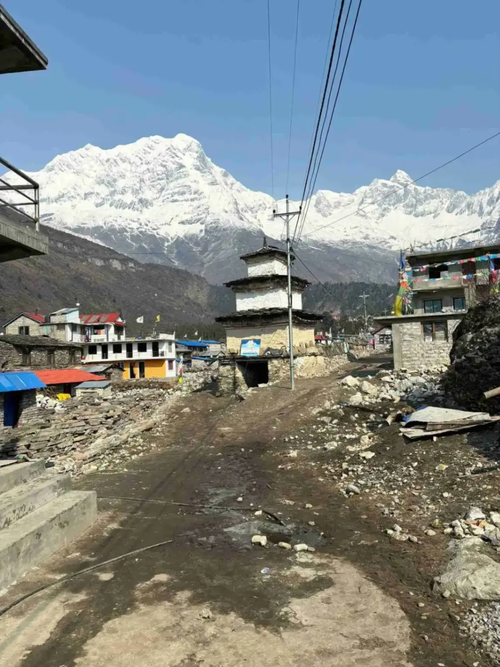
Items trekkers often forget
Small items can make a big difference on remote trekking routes.
Frequently forgotten essentials include:
- Water purification tablets
- Lip balm
- Power bank
- Personal medications
- Blister treatment
- Trekking towel
- Earplugs
- Passport photos and permit copies
Practical Tip: Pack everything a week before departure and test your equipment during a practice hike to identify anything missing
Mistake #5: Misunderstanding Trek Regulations, Budget, and Tipping
Many trekkers plan their daily itinerary but overlook important regulations and hidden expenses. The Manaslu Circuit is a restricted trekking region, so permit rules, guide requirements, and additional costs are different from many other treks in Nepal. Understanding these details before you travel helps you avoid unexpected surprises.
Can I do the Manaslu Circuit Trek solo?
No, you cannot trek the Manaslu Circuit completely solo under current Nepal regulations. The route passes through a restricted area where trekkers must obtain special permits and travel with a licensed guide arranged through a registered trekking agency.
| Requirement |
Status |
| Solo Trekking |
Not Permitted |
| Licensed Guide |
Required |
| Restricted Area Permit |
Required |
| Trekking Agency |
Required |
Can I trek without a guide?
No. A licensed guide is mandatory for the Manaslu Circuit Trek. Besides meeting legal requirements, guides provide valuable support with navigation, local communication, weather updates, and altitude awareness throughout the journey.
A guide can also help with:
- Permit checks
- Accommodation arrangements
- Emergency assistance
- Trail information
- Local culture and history
Current Nepal guide regulations
The Manaslu region follows stricter trekking regulations than many other destinations because it is a restricted area near the Tibetan border. Trekkers must travel through an authorized trekking company and carry the required permits during the journey.
Typical permits include:
- Manaslu Restricted Area Permit (RAP)
- Manaslu Conservation Area Permit (MCAP)
- Annapurna Conservation Area Permit (ACAP)
Why do licensed guides improve safety?
Experienced guides understand trail conditions, weather patterns, and altitude-related risks better than most visitors. They also know where to find medical assistance, alternative routes, and safe accommodation if conditions change unexpectedly.
Hiring a knowledgeable guide provides:
- Better navigation
- Faster emergency response
- Cultural insights
- Easier logistics
- Greater confidence throughout the trek
How much does the Manaslu Circuit Trek cost?
Most guided Manaslu Circuit Trek packages cost between USD 1,000 and USD 1,800, depending on the itinerary, group size, transportation, and services included. Premium packages may include private transportation, better accommodation in Kathmandu, and additional support staff.
Himalayan Hero Adventures offer the comprehensive Manaslu Circuit Trek Package starting at $950
Besides the package price, budget for daily personal expenses.
Hidden expenses to consider
Many first-time trekkers forget to include small daily costs that add up during a two-week trek.
| Expense |
Typical Cost |
| Snacks |
USD 2–6 |
| Charging Devices |
USD 2–5 |
| Wi-Fi |
USD 3–8 |
| Hot Shower |
USD 3–6 |
| Soft Drinks |
USD 2–5 |
| Tips |
Varies |
| Emergency Cash |
Recommended |
Carry enough Nepalese rupees because ATMs are unavailable along most of the route.
How much does helicopter evacuation cost?
A helicopter evacuation can cost USD 3,000–7,000 or more, depending on weather, location, and the rescue company. Costs may increase if multiple flights or extended medical assistance are required.
This is one reason comprehensive travel insurance is highly recommended before trekking in Nepal.
Why is travel insurance essential?
Travel insurance provides financial protection if you experience illness, injury, or emergency evacuation during the trek. Make sure your policy specifically covers high-altitude trekking above 5,000 meters and includes helicopter rescue.
Before purchasing insurance, confirm it covers:
- High-altitude trekking
- Medical treatment
- Helicopter evacuation
- Trip cancellation
- Lost baggage
How much should you tip your guide and porter?
Tipping is appreciated in Nepal and is an important part of the trekking industry. While there is no fixed amount, many trekkers tip according to the level of service and the length of the trek.
A common guideline is:
- Guide: USD 10–15 per day from the group.
- Porter: USD 5–10 per day from the group.
Nepal tipping etiquette
Tips are usually given at the end of the trek as a way of thanking guides and porters for their hard work. Presenting the tip personally with a few words of appreciation is considered respectful and is a common practice throughout Nepal's trekking industry.
How are guides paid?
Licensed trekking guides receive a salary from the trekking company, but tips often make up an important part of their overall income. Porters also earn daily wages for carrying trekking equipment, and gratuities help recognize their effort during long days on demanding mountain trails.
Practical Tip: Before booking your trek, ask the agency exactly what is included in the package price so you can budget confidently for permits, meals, personal expenses, tips, and unexpected costs.
Mistake #6: Expecting Modern Facilities in a Remote Trek
The Manaslu Circuit Trek offers an authentic Himalayan experience, but it does not provide the same level of comfort as more developed trekking routes like Everest Base Camp. Many villages are small, facilities are basic, and services become more limited as you gain altitude. Knowing what to expect helps you prepare properly and enjoy the adventure without unnecessary surprises.
What is the food like on the Manaslu Circuit?
The food on the Manaslu Circuit is simple, filling, and designed to provide energy for long trekking days. Most tea houses serve traditional Nepali meals along with a selection of international dishes. Menus become more limited at higher elevations because supplies are carried by porters or pack animals.
Common meals include:
- Dal Bhat – Rice, lentil soup, vegetables, and curry with free refills at many tea houses.
- Fried rice and noodles – Popular, filling, and easy to digest.
- Pasta and soups – Good options on colder days.
- Porridge, eggs, and pancakes – Common breakfast choices.
- Tea and coffee – Available in most villages.
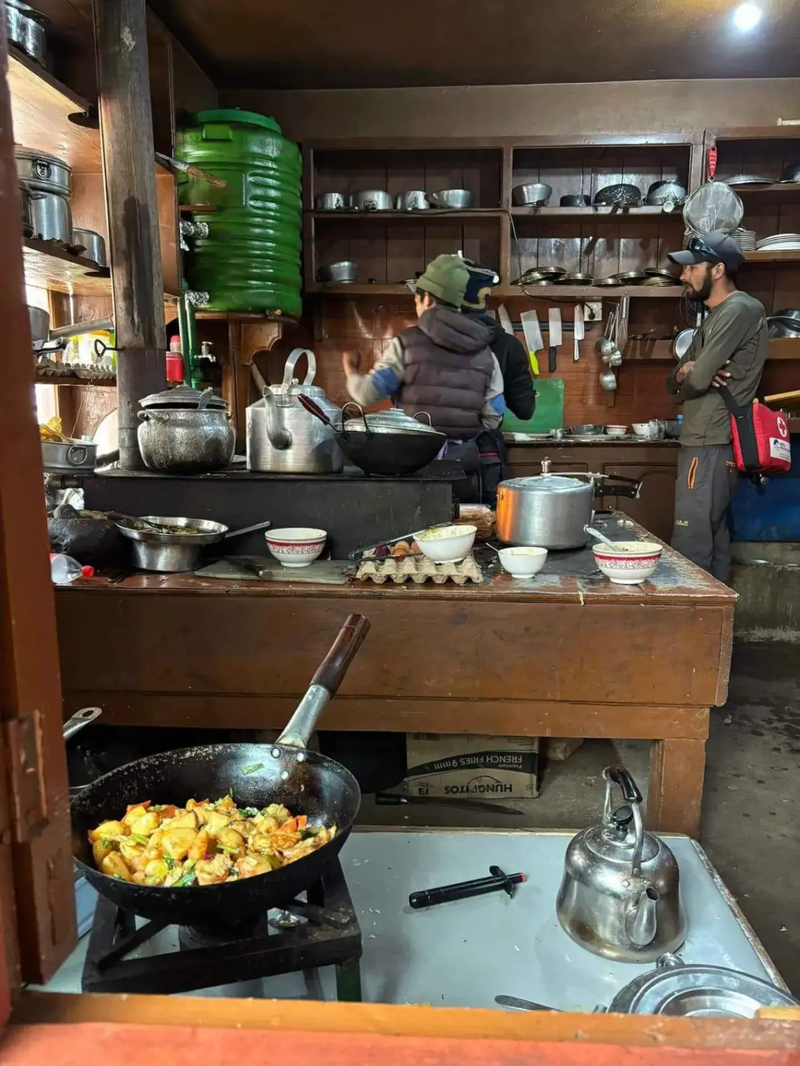
Fresh meat is generally not recommended at higher elevations because transportation and storage are limited.
What is accommodation like?
Accommodation consists mainly of traditional tea houses that provide basic but comfortable lodging. Rooms usually have two single beds, blankets, and shared bathrooms. As you climb higher, facilities become simpler, and heating is often available only in the communal dining room.
| Accommodation Feature |
What to Expect |
| Room Type |
Twin-sharing |
| Bathrooms |
Mostly shared |
| Heating |
Dining room only |
| Hot Shower |
Available in many villages (extra charge) |
| Charging |
Usually available (paid service) |
Carrying a warm sleeping bag is recommended, especially during spring and autumn.
Is there internet and electricity?
Yes, internet and electricity are available in many villages, but both services become less reliable at higher elevations. Mobile signals are inconsistent, and Wi-Fi often requires an additional fee. Power outages and slow connections are common, so avoid depending on constant internet access.
For a smoother experience:
- Carry a fully charged power bank.
- Download offline maps before your trek.
- Inform family that communication may be limited.
- Bring extra camera batteries.
Is drinking water safe?
Drinking water is available throughout the trekking route, but it should always be treated before consumption. Buying bottled water is possible in many villages, although it becomes more expensive with altitude and creates unnecessary plastic waste.
Better options include:
- Water purification tablets
- Portable water filters
- UV purification devices
- Boiled water from tea houses
Using a reusable water bottle is both economical and environmentally friendly.
Is cash available on the trail?
No, reliable ATM services are not available along most of the Manaslu Circuit Trek. Once you leave Kathmandu, you should expect to pay for meals, snacks, charging, and other personal expenses with cash.
Before starting the trek:
- Withdraw enough Nepalese rupees.
- Carry small denominations.
- Keep emergency cash separate from your daily spending money.
- Store cash in a waterproof pouch.
What happens if you get injured?
If you suffer an injury, your guide will first assess the situation and decide whether you can continue, need to descend, or require emergency evacuation. Minor injuries are often treated with a first-aid kit, while serious medical conditions may require helicopter rescue.
Every trekker should carry:
- Personal medications
- Basic first-aid supplies
- Emergency contact details
- Travel insurance documents
What are the rescue procedures?
Rescue procedures depend on the severity of the emergency and weather conditions. Your guide or trekking agency will coordinate with local authorities and rescue operators if evacuation is necessary. Helicopter rescues are the fastest option for serious injuries or severe altitude sickness, but flights depend on visibility and mountain weather.
How does helicopter evacuation work?
Helicopter evacuation is used for serious medical emergencies when walking out is unsafe or impossible. After your guide contacts the trekking agency and rescue provider, a helicopter is dispatched if weather conditions allow. The patient is then transported to a hospital, usually in Kathmandu.
Keep these points in mind:
- Weather may delay flights.
- Insurance approval is often required.
- Follow your guide's instructions throughout the rescue process.
What insurance coverage do you need?
Travel insurance should cover high-altitude trekking up to at least 5,106 meters, emergency medical treatment, and helicopter evacuation. Standard travel insurance policies often exclude trekking above certain elevations, so checking a dedicated guide on travel insurance for trekking in nepal will help ensure your policy includes the necessary high-altitude riders before your trip.
Practical Tip: Save digital and printed copies of your insurance policy, passport, emergency contacts, and permit details before beginning the trek.
Mistake #7: Having Unrealistic Expectations About the Experience
The Manaslu Circuit Trek is often chosen by travelers looking for a quieter alternative to Nepal's famous trekking routes. However, some trekkers arrive expecting Everest-like facilities or famous viewpoints that simply are not part of this journey. Understanding what the Manaslu Circuit truly offers allows you to appreciate its unique character instead of comparing it with other Himalayan adventures.
Is the Manaslu Circuit crowded?
No, the Manaslu Circuit is one of Nepal's least crowded major trekking routes. Because it is a restricted area requiring special permits and a licensed guide, visitor numbers remain much lower than on the Everest Base Camp or Annapurna trails.
| Feature |
Manaslu Circuit |
| Crowds |
Low |
| Trail Atmosphere |
Peaceful |
| Tea Houses |
Less busy |
| Best Experience |
Authentic Himalayan trekking |
If you enjoy quiet trails and fewer people, Manaslu is an excellent choice.
Can you see Everest from the Manaslu Circuit?
No, you cannot see Mount Everest from the Manaslu Circuit Trek. The trail follows a completely different region of Nepal near the Tibetan border. Instead, trekkers enjoy impressive views of Mount Manaslu (8,163 m), Himlung Himal, Cheo Himal, Ngadi Chuli, and several other snow-covered peaks.
The scenery includes:
- Towering Himalayan mountains
- Deep river valleys
- Suspension bridges
- Glacial landscapes
- Traditional Tibetan-influenced villages
What is the scenery really like?
The scenery on the Manaslu Circuit changes dramatically as you gain altitude, making it one of Nepal's most diverse trekking routes. The journey begins in subtropical forests before climbing through waterfalls, pine forests, alpine meadows, and rugged mountain terrain. Every day brings a different landscape, creating a constantly changing trekking experience.
Highlights include:
- Budhi Gandaki River Gorge
- Ancient Buddhist monasteries
- Colorful prayer flags
- Yak pastures
- Larkya La Pass
- Panoramic Himalayan views
The combination of natural beauty and cultural heritage makes the route feel both adventurous and authentic.
Why do many trekkers prefer Manaslu over Everest?
Many experienced trekkers prefer the Manaslu Circuit because it offers a more peaceful and less commercial trekking experience. The trail has fewer crowds, stronger cultural immersion, and a greater sense of exploration. Instead of busy villages and constant traffic on the trail, you'll enjoy quiet mountain paths and genuine interactions with local communities.
Reasons trekkers choose Manaslu include:
- Fewer tourists
- Remote Himalayan atmosphere
- Rich Tibetan Buddhist culture
- Spectacular mountain scenery
- Challenging but rewarding trekking route
- Authentic tea house experience
Practical Tip: Visit the Manaslu Circuit with an open mind rather than comparing it to Everest or Annapurna. Its greatest appeal lies in its remoteness, cultural richness, and peaceful mountain environment, making it one of Nepal's most rewarding trekking adventures.
Expert Tips to Avoid These Mistakes
Preparing well before your Manaslu Circuit Trek can make the difference between a stressful journey and an unforgettable adventure. While no trek is completely free of challenges, most common problems can be avoided with thoughtful planning, realistic expectations, and the right support. From improving your fitness to choosing a reliable trekking company, these practical tips will help you enjoy the trail safely and confidently.
Build Your Fitness Gradually
Good fitness is one of the best ways to prepare for the Manaslu Circuit Trek. You don't need to be an athlete, but you should be comfortable walking for 6–9 hours a day on steep mountain trails.
Focus on:
- Cardio: Hiking, cycling, running, or swimming 3–4 times a week.
- Strength training: Build leg, core, and back muscles.
- Practice hikes: Walk with a loaded backpack on uneven terrain.
- Flexibility: Stretch regularly to improve recovery.
Follow a Smart Packing Strategy
Packing efficiently keeps your backpack lighter while ensuring you're prepared for changing mountain weather. Choose quality gear instead of packing unnecessary items.
Prioritize:
- Layered clothing
- Waterproof jacket and pants
- Warm down jacket
- Comfortable trekking boots
- Trekking poles
- Headlamp
- Reusable water bottles
- Power bank
- Personal first-aid kit
A well-organized backpack also makes it easier to access essential items during the day.
Don't Rush Acclimatization
Altitude affects everyone differently, regardless of age or fitness. A gradual ascent gives your body time to adjust to lower oxygen levels and significantly reduces the risk of altitude sickness.
Remember these acclimatization tips:
- Walk at a steady pace.
- Include 1–2 acclimatization days.
- Sleep well.
- Avoid gaining too much elevation too quickly.
- Inform your guide immediately if symptoms develop.
Eat Enough to Maintain Energy
Your body burns far more calories at altitude than during everyday activities. Even if your appetite decreases, regular meals help maintain energy throughout the trek.
Choose foods that are:
- High in carbohydrates
- Easy to digest
- Freshly prepared
- Rich in calories
Dal Bhat remains one of the best trekking meals because it provides balanced nutrition and unlimited refills at many tea houses.
Stay Hydrated Every Day
Proper hydration supports acclimatization and helps reduce fatigue. Many trekkers drink less water because of cold temperatures, but dehydration can worsen altitude-related symptoms.
Aim to:
- Drink 3–4 liters of water daily.
- Carry water purification tablets or a filter.
- Limit alcohol at higher elevations.
- Drink warm tea or soup during colder evenings.
Keep a Comfortable Trekking Pace
Walking too fast is one of the most common mistakes at high altitude. A slow, consistent pace conserves energy and gives your body time to adjust naturally.
A good pace allows you to:
- Breathe comfortably.
- Enjoy the scenery.
- Reduce fatigue.
- Lower the risk of altitude sickness.
- Complete each day with energy to spare.
Choose the Right Trekking Operator
Selecting a reputable trekking company is just as important as choosing the right itinerary. An experienced operator provides licensed guides, manages permits, plans acclimatization properly, and responds effectively during emergencies.
Before booking, check:
- Government registration
- Guide qualifications
- Recent customer reviews
- Package inclusions
- Emergency procedures
- Insurance recommendations
Choosing a trusted operator often leads to a smoother and more enjoyable trekking experience.
Prepare Mentally as Well as Physically
Mental preparation is often overlooked but plays a major role during long Himalayan treks. Weather changes, basic accommodation, and physically demanding days require patience and flexibility.
Keep these expectations in mind:
- Plans may change because of weather.
- Internet and electricity are limited.
- Some days will feel more challenging than others.
- Progress is more important than speed.
Approaching the trek with a positive and adaptable mindset helps you enjoy every stage of the journey.
Quick Checklist Before You Leave
A final checklist helps ensure you don't forget essential preparations before starting the Manaslu Circuit Trek. Reviewing these items a few days before departure can save time, reduce stress, and help you begin your adventure with confidence.
Pre-Trek Checklist
| ✔ Task |
Why It Matters |
| Physical training completed |
Improves endurance for long trekking days. |
| Travel insurance purchased |
Covers high-altitude trekking and helicopter evacuation. |
| Permits arranged |
Required for the restricted Manaslu region. |
| Licensed guide confirmed |
Mandatory under current Nepal regulations. |
| Enough Nepalese cash |
ATMs are unavailable along most of the trail. |
| Gear tested |
Prevents equipment problems during the trek. |
| Medicines packed |
Include personal prescriptions and a basic first-aid kit. |
| Important documents ready |
Passport, permits, insurance, and emergency contacts. |
| Emergency contacts saved |
Keep both digital and printed copies. |
Final Packing Reminder
Before leaving Kathmandu, make sure you have:
- Passport and permit copies
- Travel insurance documents
- Warm layered clothing
- Waterproof jacket and backpack cover
- Trekking boots and extra socks
- Sleeping bag
- Water purification method
- Headlamp and spare batteries
- Power bank and charging cable
- Personal medications
- Sunglasses, sunscreen, and lip balm
- Cash in small denominations
Final Tip: Take a few minutes before departure to review your itinerary, weather forecast, and equipment one last time. Careful preparation gives you the freedom to focus on what truly makes the Manaslu Circuit special-dramatic Himalayan landscapes, welcoming mountain communities, and the rewarding feeling of completing one of Nepal's most remarkable trekking routes.
FAQS
Is the Manaslu Circuit Trek worth it?
Yes, the Manaslu Circuit Trek is worth it if you're looking for a quieter and more authentic Himalayan adventure. The trail offers breathtaking mountain scenery, rich Tibetan Buddhist culture, remote villages, and fewer crowds than the Everest Base Camp or Annapurna Circuit treks.
What permits are required for the Manaslu Circuit Trek?
The Manaslu Circuit Trek requires a Manaslu Restricted Area Permit (RAP), Manaslu Conservation Area Permit (MCAP), and Annapurna Conservation Area Permit (ACAP). You must also trek with a licensed guide through a registered trekking agency, as solo trekking is not allowed.
How much does the Manaslu Circuit Trek cost?
A guided Manaslu Circuit Trek typically costs between USD 1,000 and USD 1,800, depending on the itinerary, group size, and included services. You should also budget for personal expenses such as snacks, Wi-Fi, charging, hot showers, and tips.
Is altitude sickness a serious concern on the Manaslu Circuit Trek?
Yes, altitude sickness is one of the main risks because the trek reaches Larkya La Pass (5,106 m). Following a gradual itinerary, taking acclimatization days, staying hydrated, and listening to your guide greatly reduce the risk.
What should I pack for the Manaslu Circuit Trek?
Pack layered clothing, a warm insulated jacket, waterproof gear, sturdy trekking boots, trekking poles, a sleeping bag rated for cold temperatures, a headlamp, reusable water bottles, sunscreen, sunglasses, and a basic first-aid kit. Packing the right gear helps you stay comfortable in changing mountain conditions.
Can beginners do the Manaslu Circuit Trek?
Yes, beginners can complete the Manaslu Circuit Trek if they have good fitness, prepare well, and choose a longer itinerary with proper acclimatization. Although the trek is non-technical, it involves long hiking days, high altitude, and rugged terrain.
When is the best time to trek the Manaslu Circuit?
The best seasons are spring (March to May) and autumn (September to November). These months usually offer stable weather, clear mountain views, and the best conditions for crossing Larkya La Pass safely.
What are the most common mistakes during the Manaslu Circuit Trek?
The most common mistakes include underestimating the trek's difficulty, rushing acclimatization, packing the wrong gear, choosing the wrong season, following a short itinerary, overlooking permit requirements, and expecting modern facilities in remote mountain villages. Proper planning helps make the trek safer and more enjoyable.