The Manaslu Circuit Trek circles Nepal's eighth-highest peak through restricted territory that most trekkers never see. While Everest Base Camp draws over 50,000 visitors annually, Manaslu receives roughly 5,000 to 7,000, a difference that shapes everything from trail atmosphere to village authenticity.
Whether the Manaslu Circuit Trek justifies its reputation depends on what you're looking for. This guide breaks down the highlights, difficulty, permits, and practical realities of trekking around Nepal's eighth-highest mountain so you can decide if the Manaslu Circuit Trek belongs on your itinerary.
Is the Manaslu Circuit Trek Really Worth It
Yes, the Manaslu Circuit Trek is absolutely worth it if you want a challenging, less-crowded alternative to Everest or Annapurna that delivers spectacular high-altitude scenery and deep Tibetan-Buddhist culture without the tourist traffic. The 12 to 14 day circuit around Nepal's eighth-highest peak (8,163m) crosses the 5,106 m Larkya La Pass and passes through remote villages where traditional life continues largely unchanged. This trek offers the kind of authentic Himalayan experience that's becoming increasingly rare on Nepal's more popular routes.
What sets Manaslu apart is its restricted area status. The permit system limits visitor numbers, which keeps trails quiet and villages authentic. While Everest Base Camp sees over 50,000 trekkers annually, Manaslu receives roughly 5,000 to 7,000, a difference you feel immediately on the trail. You'll experience quiet trails with far fewer trekkers than comparable Nepal routes; cultural depth through Tibetan Buddhist villages with active monasteries; dramatic scenery with close views of Mount Manaslu from multiple angles; and genuine remoteness preserved by restricted area regulations.o better understand what makes this trail so special, read about why choose manaslu circuit trek options to see how its genuine remoteness is perfectly preserved by restricted area regulations.
What Makes the Manaslu Circuit Trek Special
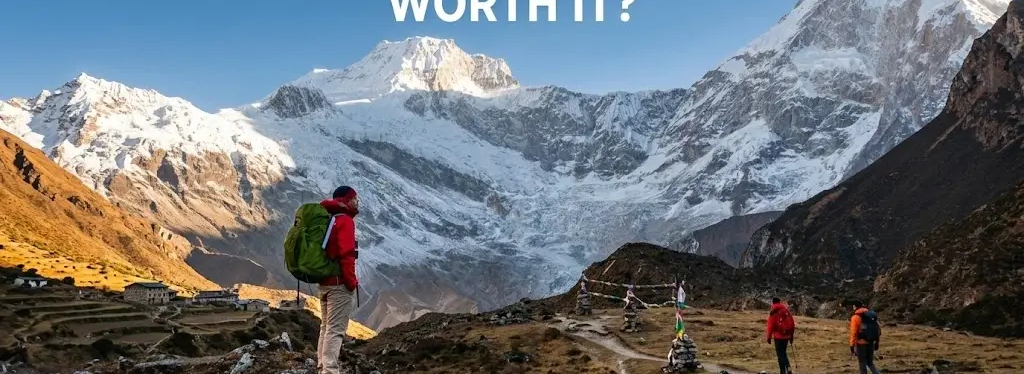
The Manaslu Circuit Trek stands out for its authentic Tibetan Buddhist culture, remote villages untouched by mass tourism, spectacular mountain views, and the challenging Larkya La Pass crossing. Unlike Nepal's busier trekking routes, Manaslu maintains a wilderness character that feels genuinely remote. You're trekking through a landscape where traditional life continues much as it has for centuries, and where the mountains dominate in a way that feels both humbling and exhilarating.
The restricted permit system, combined with the mandatory guide requirement, keeps visitor numbers manageable and preserves the trek's authentic character. This means you'll experience villages where tourism hasn't fundamentally altered daily rhythms, trails where you might walk for hours without seeing another group, and cultural encounters that feel genuine rather than staged. The combination of dramatic high-altitude scenery, deep cultural immersion, and true remoteness creates a trekking experience that's increasingly difficult to find elsewhere in Nepal.
Authentic Tibetan Buddhist Culture and Traditions
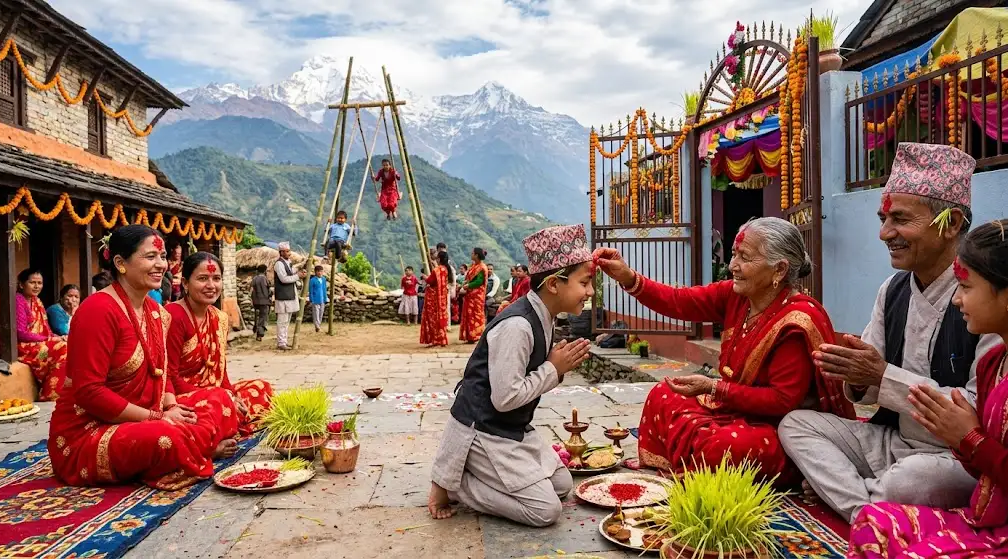
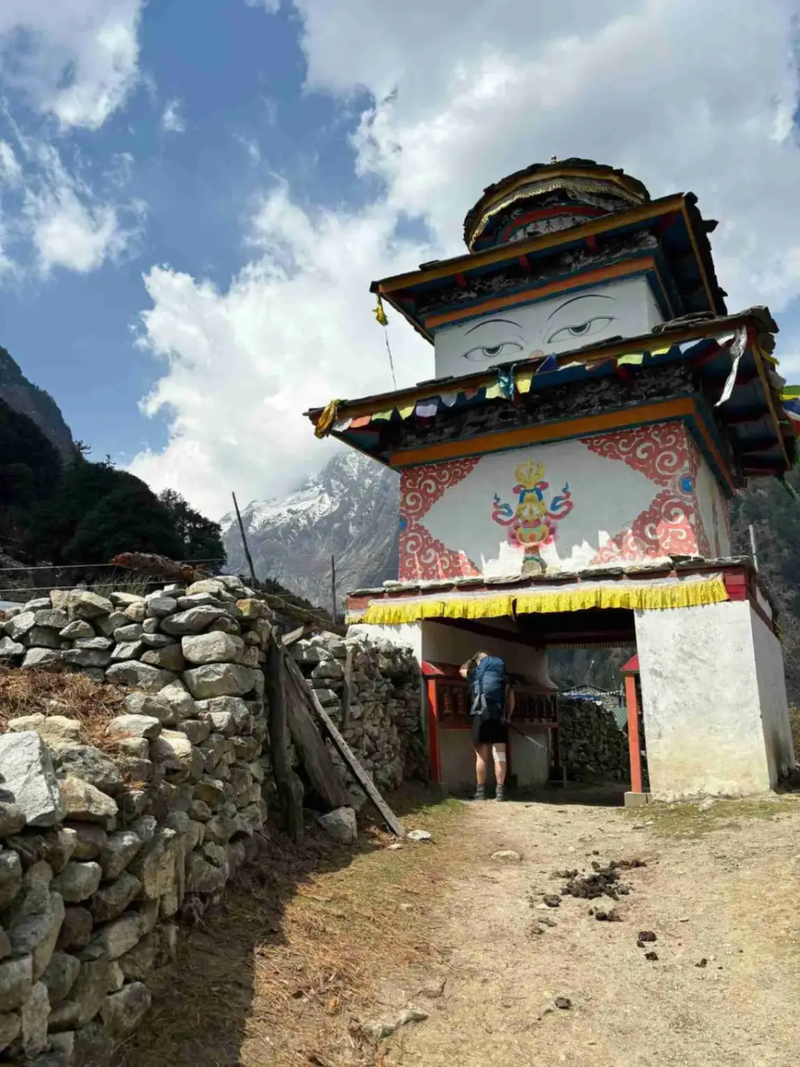
The Manaslu region is home to the Nubri and Tsum people, ethnic Tibetan communities who have maintained Buddhist traditions for centuries. Villages like Samagaon and Samdo feature active monasteries, prayer wheels lining the trails, and mani walls carved with sacred mantras. These cultural highlights of the Manaslu Circuit represent living traditions rather than tourist attractions.
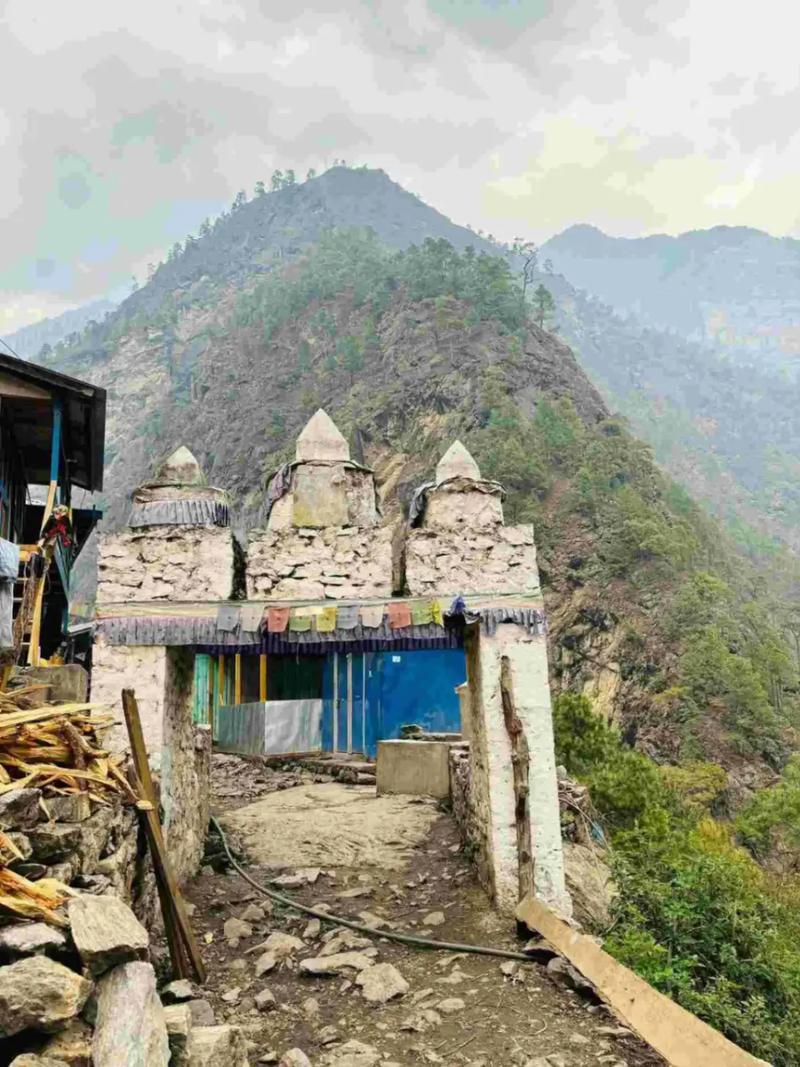
Religious practice here isn't performative. You might arrive in a village during a local festival or watch monks performing morning prayers at a gompa perched above the trail. The culture feels lived-in rather than displayed.
Remote Villages Untouched by Mass Tourism
The restricted permit system, combined with the mandatory guide requirement, keeps visitor numbers manageable. Settlements like Namrung, Lho, and Deng remain genuinely traditional with stone houses, yak herds, and agricultural rhythms that haven't changed for trekking tourism.
Teahouse owners in smaller villages often speak limited English, and menu options are simpler than on busier routes. For many trekkers, this is precisely the appeal.
Spectacular Views of Mount Manaslu and Himalayan Giants
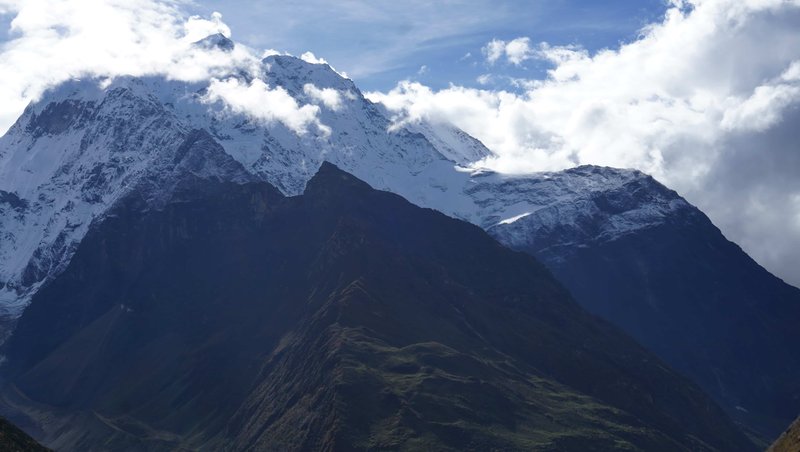
Mount Manaslu dominates the trek, but the panorama extends beyond a single peak. From various points along the circuit, you can see Himalchuli, Peak 29 (Ngadi Chuli), Ganesh Himal, and Annapurna II in the distance.
The views from Samagaon, looking directly at Manaslu's massive south face, rank among the most impressive in Nepal trekking. An optional side trip to manaslu circuit adds glacial scenery and an even closer perspective.
The Challenging and Rewarding Larkya La Pass Crossing
Larkya La Pass at 5,106 metres is the trek's climax and its most demanding day. The crossing typically takes 8 to 10 hours, starting before dawn to reach the pass by mid-morning when conditions are most stable.
Standing at the prayer flag-draped summit with 360-degree Himalayan views delivers a genuine sense of achievement. This isn't a pass you stumble over. It's one you prepare for and remember.
How Difficult Is the Manaslu Circuit Trek
The Manaslu Circuit Trek is strenuous, rating roughly 7 to 8 out of 10 on most difficulty scales. Daily hiking averages 6 to 8 hours over varied terrain, including steep ascents, rocky descents, and occasional river crossings on suspension bridges. Prior high-altitude trekking experience is strongly recommended. If you've completed Everest Base Camp, Annapurna Base Camp, or similar multi-day treks above 4,000 meters, you have a realistic baseline for what Manaslu demands.
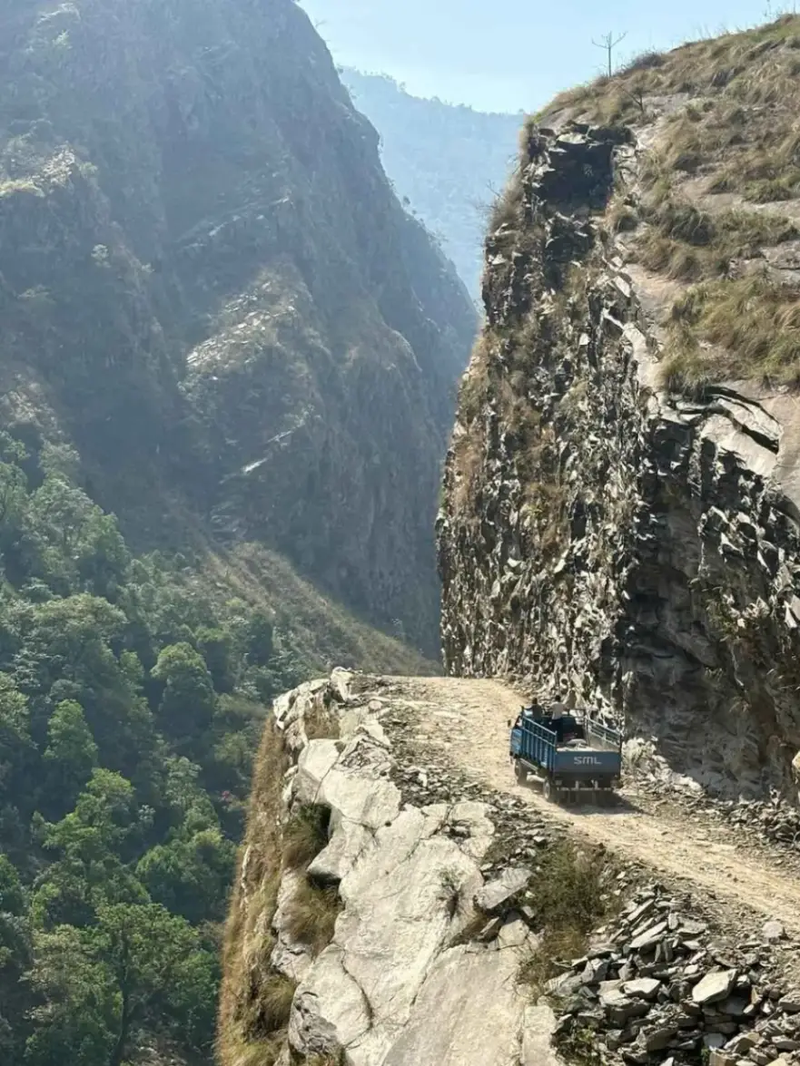
The trek's difficulty comes less from maximum altitude and more from the cumulative effect of longer daily distances on rougher, less-developed trails. While passes like Thorong La and Kala Patthar are actually higher than Larkya La, the Manaslu Circuit maintains a consistently demanding pace throughout. The remoteness also means fewer bailout options if you're struggling, and teahouse facilities are more basic than on busier routes. Physical fitness, mental preparation, and proper acclimatisation are all essential for completing this circuit successfully.
Fitness Level and Physical Preparation Required
Hiking averages 6 to 8 hours over varied terrain including steep ascents, rocky descents, and occasional river crossings on suspension bridges.
Prior high-altitude trekking experience is strongly recommended. If you are asking yourself, is the manaslu circuit trek right for my fitness level, consider that completing Everest Base Camp, Annapurna Base Camp, or similar multi-day treks above 4,000 metres provides a realistic baseline for what Manaslu demands.
How Manaslu Difficulty Compares to Other Nepal Treks
While maximum altitude often dominates trek difficulty discussions, the Manaslu Circuit's challenge comes from a different source entirely. The cumulative effect of longer daily distances on rougher, less-developed trails creates sustained physical demand that exceeds what the numbers suggest. Thorong La and Kala Patthar are actually higher than Larkya La, yet many experienced trekkers find Manaslu more demanding overall due to the consistently rugged terrain and fewer opportunities for easy walking days.
Manaslu Circuit Trek vs Annapurna Circuit and Everest Base Camp
The main differences between Manaslu and Nepal's other major treks come down to crowd levels, cultural authenticity, and the overall trekking experience. Manaslu sees roughly 5,000 to 7,000 trekkers annually compared to 30,000+ on the Annapurna Circuit and 50,000+ heading to Everest Base Camp. This dramatic difference in visitor numbers fundamentally shapes the experience. On Manaslu, you'll find quieter trails, more authentic village interactions, and a genuine sense of remoteness that's increasingly rare on Nepal's popular routes.
All three routes offer world-class mountain views, though Manaslu provides more intimate, close-range perspectives of a single dominant peak rather than the broader panoramas of Annapurna or Everest. When weighing your options, checking a head-to-headmanaslu vs annapurna circuit breakdown reveals that Manaslu's Tibetan Buddhist villages feel more authentic than the increasingly commercialized teahouses on busier routes. While the restricted area permit costs more than standard conservation permits, overall trek costs often balance out due to lower teahouse prices. Ultimately, exploring a comprehensive everest vs manaslu trek comparison can help you decide based on what you prioritize, making Manaslu the clear winner if you value solitude and cultural authenticity over infrastructure and convenience.
Who Should and Should Not Trek Manaslu
The Manaslu Circuit is ideal for experienced trekkers who have completed at least one multi-day high-altitude trek; adventure seekers who prioritize solitude and authenticity over comfort; culturally curious travelers interested in Tibetan Buddhism and traditional village life; and physically fit individuals comfortable with 6 to 8 hour hiking days at altitude. If you've done Everest Base Camp or Annapurna and found yourself wishing for fewer crowds and more authentic encounters, Manaslu is likely your answer.
However, this trek isn't suitable for everyone. Complete beginners with no high-altitude experience should consider Annapurna Base Camp as a gentler introduction to Himalayan trekking. Travelers who require reliable Wi-Fi, hot showers, and varied food options will find Manaslu's basic facilities frustrating. Those with very limited time should note that the circuit requires a minimum of 12 to 14 trekking days, and anyone uncomfortable with basic teahouse facilities and shared rooms may prefer routes with more developed infrastructure. The trek demands both physical capability and mental readiness for genuine remoteness.
Ideal Candidates for the Manaslu Circuit
- Experienced trekkers who have completed at least one multi-day high-altitude trek
- Adventure seekers who prioritise solitude and authenticity over comfort
- Culturally curious travellers interested in Tibetan Buddhism and traditional village life
- Physically fit individuals comfortable with 6 to 8 hour hiking days at altitude
Trekkers Who May Prefer a Different Route
- Complete beginners with no high-altitude experience (Annapurna Base Camp offers a gentler introduction)
- Travellers who require reliable Wi-Fi, hot showers, and varied food options
- Those with very limited time (the circuit requires a minimum of 12 to 14 trekking days)
- Anyone uncomfortable with basic teahouse facilities and shared rooms
What Permits Do You Need for the Manaslu Circuit Trek
You need four permits for the Manaslu Circuit Trek: the Manaslu Restricted Area Permit (RAP), Manaslu Conservation Area Permit (MCAP), Annapurna Conservation Area Permit (ACAP) if your route exits through Dharapani, and a TIMS Card for safety tracking. The Manaslu region's restricted status means more permits than standard treks, though a reputable operator handles all the paperwork. The RAP is the primary permit controlling access, with costs varying by season. Peak season commands higher fees.
Nepal's government requires all Manaslu trekkers to hire a licensed guide and travel in groups of at least two, making solo trekking impossible. Permit applications without guide documentation are rejected. The regulation exists partly for safety in this remote region and partly to ensure tourism revenue reaches local communities. Organized packages include guide services, permit processing, and logistics as standard, which simplifies the bureaucratic process considerably and ensures you meet all legal requirements for trekking in this restricted area.
Required Permits and Current Costs
The Manaslu Circuit Trek Permit equires more permits than standard treks due to its restricted area status, though a reputable operator handles all the paperwork.
- Manaslu Restricted Area Permit (RAP): The primary permit controlling access; costs vary by season, with peak season commanding higher fees
- Manaslu Conservation Area Permit (MCAP): Conservation fee supporting local environmental protection
- Annapurna Conservation Area Permit (ACAP): Required if your route exits through the Annapurna region via Dharapani
- TIMS Card: Trekkers' Information Management System registration for safety tracking
Why a Licensed Guide Is Mandatory
Nepal's government requires all Manaslu trekkers to hire a licensed guide and travel in groups of at least two. Permit applications without guide documentation are rejected.
The regulation exists partly for safety in this remote region and partly to ensure tourism revenue reaches local communities. Organized packages include guide services, permit processing, and logistics as standard.
Best Time to Trek the Manaslu Circuit
Thebest time to trek the Manaslu Circuit is during autumn (September to November) or spring (March to May), with October being the optimal month overall. Autumn offers the most reliable weather with clear skies, stable temperatures, and the best mountain visibility. Post-monsoon clarity combined with moderate temperatures before winter cold sets in. Spring brings warming temperatures and rhododendron blooms in the lower forests, with good morning visibility, though afternoon clouds often build.
Avoid the monsoon season (June to August), which brings heavy rain, leeches, and trail damage, and winter (December to February), when Larkya La is frequently blocked by snow and teahouses at higher elevations often close entirely. Spring sees fewer trekkers than autumn, making it an excellent choice if you prioritize solitude. Weather windows matter enormously for the Larkya La crossing, so building flexibility into your itinerary helps manage the risk of delays due to snow or dangerous conditions at the pass.
Autumn Season Trekking Conditions
September through November offers the most reliable weather with clear skies, stable temperatures, and the best mountain visibility. October is generally considered the optimal month with post-monsoon clarity combined with moderate temperatures before winter cold sets in.
Spring Season Trekking Conditions
March through May brings warming temperatures and rhododendron blooms in the lower forests. Visibility is typically good in the mornings, though afternoon clouds often build. Spring sees fewer trekkers than autumn.
Seasons to Avoid
The monsoon (June to August) brings heavy rain, leeches, and trail damage. Winter (December to February) sees Larkya La frequently blocked by snow, and teahouses at higher elevations often close entirely.
What to Expect from Teahouses and Food
Teahouses on the Manaslu Circuit are simpler than those on Everest or Annapurna routes. Expect basic rooms with thin mattresses, shared bathrooms, limited privacy, and walls that are often thin plywood. A quality sleeping bag rated for below freezing is essential gear since teahouse blankets are typically inadequate at higher elevations. The accommodation is functional rather than comfortable, and hot showers may be unavailable or expensive at higher elevations.
Dal bhat (lentils, rice, and vegetables) is the staple meal and often the best choice. It's fresh, filling, and comes with unlimited refills. Menu variety decreases at higher elevations where supplies are limited. Wi-Fi is rare or unavailable on most of the circuit, phone charging may cost extra at teahouses, and signal coverage is inconsistent. A portable power bank helps maintain device functionality. The basic facilities are part of the authentic experience, but they require adjustment if you're accustomed to more developed trekking infrastructure.
Accommodation Standards
Teahouses on the Manaslu Circuit are simpler than those on Everest or Annapurna routes. Expect basic rooms with thin mattresses, shared bathrooms, and limited privacy. Walls are often thin plywood.
A quality sleeping bag rated for below freezing is essential gear. Teahouse blankets are typically inadequate at higher elevations.
Food and Connectivity
Dal bhat (lentils, rice, and vegetables) is the staple meal and often the best choice. It's fresh, filling, and comes with unlimited refills. Menu variety decreases at higher elevations.
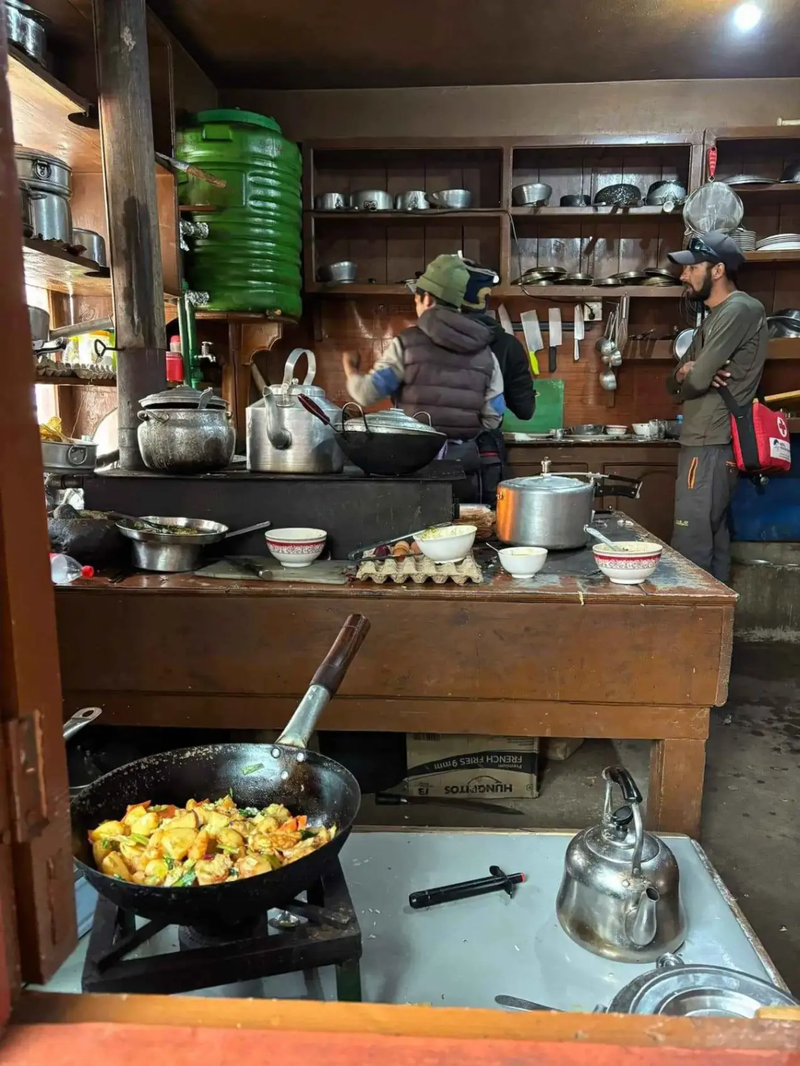
Wi-Fi is rare or unavailable on most of the circuit. Phone charging may cost extra at teahouses, and signal coverage is inconsistent. A portable power bank helps.
Altitude Sickness and Safety
Altitude sickness is a serious risk on the Manaslu Circuit, with acute mountain sickness (AMS) affecting 25% to 43% of trekkers ascending above 2,500 meters regardless of fitness level. Early symptoms include headache, nausea, dizziness, fatigue, and shortness of breath. Mild symptoms that resolve with rest and hydration are normal, but symptoms that worsen require immediate descent.
To stay safe, it is vital to know how to prevent altitude sickness on manaslu circuit treks through well-designed itineraries that build in acclimatization days, typically at Samagaon before the push to Larkya La. Staying hydrated by drinking 3 to 4 liters of water daily is equally essential. Additionally, ensure you have travel insurance covering helicopter evacuation up to 6,000 meters, as emergency evacuations from the Manaslu region can cost thousands of dollars out-of-pocket.
Recognising Symptoms
Acute Mountain Sickness (AMS)affects 25% to 43% of trekkers ascending above 2,500 metres, regardless of fitness level. Early symptoms include headache, nausea, dizziness, fatigue, and shortness of breath beyond what the exertion explains.
Mild symptoms that resolve with rest and hydration are normal. Symptoms that worsen despite rest require descent.
Acclimatisation Strategies
Well-designed itineraries build in acclimatization days, typically at Samagaon before the push to Larkya La. The "climb high, sleep low" principle means taking day hikes to higher elevations, then returning to sleep at a lower camp.
Hydration matters enormously at altitude. Aim for 3 to 4 liters of water daily.
Emergency Protocols
Travel insurance covering helicopter evacuation up to 6,000 meters is essential. Evacuation from the Manaslu region can cost $3,500 to $12,000, and without insurance, you're personally liable.
Reputable operators maintain emergency communication equipment and established evacuation protocols. Guides carry first aid supplies, pulse oximeters for monitoring oxygen saturation, and satellite communication for emergencies.
The Honest Verdict
The Manaslu Circuit Trek delivers what Nepal's famous routes increasingly cannot: genuine remoteness, cultural authenticity, and trails where you might walk for hours without seeing another trekking group. With Nepal's tourism reaching 96.8% of pre-pandemic levels in 2025, the restricted permit system that makes it slightly more expensive also protects the experience. The limited visitor numbers preserve both the wilderness character and the authenticity of village encounters in ways that busier routes simply cannot match.
This trek suits experienced trekkers ready for a physical challenge and comfortable with basic facilities. If you've done Everest Base Camp or Annapurna and found yourself wishing for fewer crowds and more authentic village encounters, Manaslu is likely your answer. The combination of dramatic high-altitude scenery, deep Tibetan Buddhist culture, challenging terrain, and genuine remoteness creates a trekking experience that feels increasingly rare in modern Nepal. Explore our Manaslu Circuit Trek to see the full itinerary and what's included, or visit Himalayan Hero to discover why we're among the best companies for the Manaslu trek.
Frequently Asked Questions About the Manaslu Circuit Trek
Can a beginner do the Manaslu Circuit trek?
The Manaslu Circuit is not recommended for complete beginners due to its high altitude, long hiking days, and remote terrain. Prior experience on a multi-day trek above 4,000 meters, such as Annapurna Base Camp, provides a realistic foundation.
Is the Manaslu Circuit harder than Everest Base Camp trek?
The Manaslu Circuit is generally considered slightly more challenging than Everest Base Camp due to longer daily hiking hours and rougher trails. However, Everest Base Camp reaches a higher maximum altitude at Kala Patthar (5,545m) compared to Larkya La (5,106m).
Do I need both a porter and a guide for the Manaslu Circuit?
A licensed guide is mandatory in the Manaslu restricted area. This is a legal requirement. A porter is optional but highly recommended given the long daily distances and the physical benefit of carrying a lighter pack at altitude.
Is the Manaslu Circuit trek safe for solo travellers?
Solo travellers can safely trek Manaslu by joining a group departure or booking a private guided package. The restricted area permit requires a minimum of two trekkers travelling together with a licensed guide, so true solo trekking is not permitted.
What happens if weather blocks Larkya La Pass?
If Larkya La Pass is blocked by snow or dangerous conditions, trekkers wait for conditions to improve or return the way they came. Flexible itineraries with buffer days help manage this risk, and experienced guides monitor weather patterns to time the crossing appropriately.
Related Reading:
- Seasonality: Planning your trip requires finding the best time to trek manaslu circuit for clear views so you can fully experience the landscape.
- Logistics & Planning: Navigating the required paperwork is straightforward once you understand the manaslu circuit trek permit regulations.
- Choosing an Operator: Finding a safe and reliable team is easier when you look into the best manaslu circuit trek company options available.
- Route Highlights: Don't miss out on the top scenic viewpoints and cultural spots.
- Exploring Further: For those wanting to extend their journey, discovering the best side trips manaslu circuit trek options can add massive value to your itinerary.
- Costs: Managing your expenses is much simpler when using a detailed budget manaslu circuit trek guide.
- Preparation: If you are new to high-altitude trekking, check out the manaslu circuit trek complete beginners guide to learn what to expect.
- Final Decision: If you are still on the fence about booking, weighing the pros and cons will help you decide if the Manaslu Circuit Trek is worth it for your travel style.