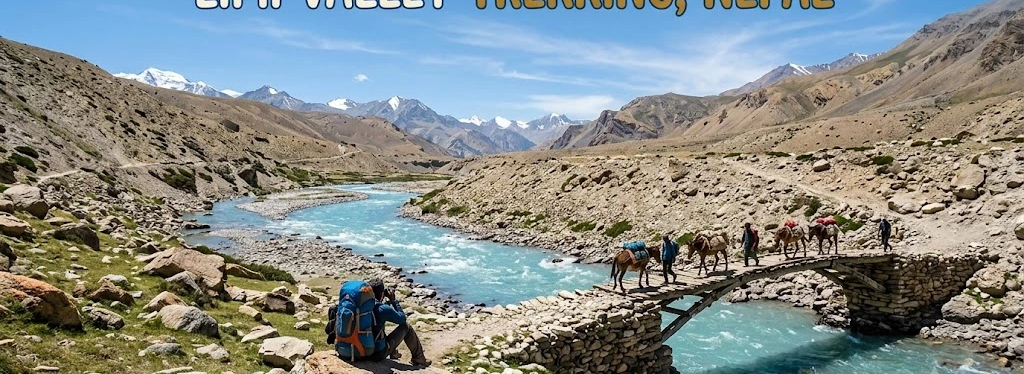
Have you ever imagined trekking through a Himalayan valley where ancient traditions, remote villages, and breathtaking mountain landscapes remain largely untouched by modern tourism? Limi Valley is one of Nepal's best-kept secrets, offering a rare adventure for travelers who want more than just famous trails and crowded viewpoints.
In this blog, you'll learn everything about Limi Valley Trekking, from its unique highlights and cultural attractions to permits, costs, difficulty levels, and the best seasons to visit. Whether you're planning a future trek or simply exploring remote destinations in Nepal, this guide will help you understand why Limi Valley stands out as one of the most authentic trekking experiences in the Himalayas.
TL;DR
Dreaming of a Himalayan adventure that feels truly off the map? Limi Valley Trekking is one of Nepal's most remote and rewarding trekking experiences, taking you deep into the hidden landscapes of the Humla District near the Tibetan border. This restricted-area trek combines dramatic mountain scenery, ancient Buddhist culture, centuries-old trade routes, and peaceful villages that have preserved their traditions for generations.
Before you start packing your backpack, here are the key things to know:
- Trek Duration: Usually 16 to 20 days
- Difficulty Level: Challenging and best suited for fit trekkers
- Best Time to Visit: Spring (April to June) and Autumn (September to November)
- Permits Required: Special restricted-area permits are mandatory
- Guide Requirement: A licensed guide is required by law
- Major Highlights: Halji Village, Nara La Pass, Nyalu La Pass, ancient monasteries, and stunning Himalayan views
- Culture: Strong Tibetan Buddhist heritage and traditional mountain lifestyles
- Why Go: Fewer crowds, authentic experiences, and some of Nepal's most untouched wilderness
If you're searching for a trek that offers adventure, culture, and genuine solitude, Limi Valley delivers an experience that feels a world away from Nepal's more popular trekking routes. It is the kind of journey that stays with you long after the trail ends.
What Is Limi Valley Trekking?
Limi Valley Trekking is a remote trekking journey in northwestern Nepal that explores the hidden landscapes of the Humla District near the Tibetan border. Situated within the Trans-Himalayan region, the valley is known for its vast open terrain, high mountain passes, traditional villages, and strong Tibetan cultural influences. The unique geography, shaped by dry high-altitude landscapes and rugged Himalayan scenery, makes it one of the most distinctive trekking destinations in Nepal.
The trek also follows sections of ancient trade routes that once connected Nepal and Tibet, routes that were used for centuries to transport salt, wool, grain, and other goods across the Himalayas. Despite its cultural and natural significance, Limi Valley remains one of Nepal's least-visited trekking destinations due to its remote location, restricted-area regulations, and challenging access. This isolation has helped preserve its authenticity, offering trekkers a rare opportunity to experience untouched wilderness and traditional Himalayan life.
Why Visit Limi Valley?
Limi Valley is worth visiting because it offers a rare blend of remote wilderness, living Tibetan culture, ancient history, and breathtaking Himalayan scenery. Unlike Nepal's more commercial trekking regions, this hidden valley provides an experience that feels authentic and deeply connected to local traditions. Every day on the trail reveals something different, from centuries-old monasteries to vast mountain landscapes that stretch far beyond the horizon.
Another reason many trekkers choose Limi Valley is the sense of solitude it offers. The route remains relatively untouched by mass tourism, allowing visitors to enjoy peaceful trails, meaningful cultural interactions, and a genuine feeling of exploration. For those seeking an off-the-beaten-path adventure, few destinations in Nepal can match what Limi Valley has to offer.
Experience One of Nepal's Most Remote Treks
Yes, Limi Valley is one of the most remote trekking destinations in Nepal. Located in the far-western Humla region, the trek takes you through isolated mountain terrain where modern development is limited and nature dominates the landscape.
The remoteness creates a true sense of adventure. Instead of busy trekking routes, you'll find quiet trails, traditional settlements, and long stretches of wilderness that make the journey feel both peaceful and rewarding.
Explore Authentic Tibetan Culture
Limi Valley offers one of the most authentic Tibetan cultural experiences in Nepal. The local communities have preserved their language, customs, architecture, and Buddhist traditions for generations.
As you pass through villages such as Halji, Til, and Jang, you'll see prayer flags fluttering in the wind, traditional stone homes, and daily lifestyles that reflect a deep connection to Tibetan heritage.
Walk Ancient Himalayan Trade Routes
The trekking route follows historic trade paths that once linked Nepal and Tibet. For centuries, merchants traveled through these mountains transporting salt, wool, grain, and other essential goods.
Walking these ancient routes adds a fascinating historical dimension to the trek. It allows visitors to experience landscapes that played an important role in the economic and cultural exchanges of the Himalayan region.
Visit Historic Monasteries
Limi Valley is home to several important Buddhist monasteries with deep historical significance. These sacred sites remain active centers of worship and community life.
Among the most notable is Rinchenling Monastery in Halji, which is believed to be one of the oldest monasteries in the region. Visiting these spiritual landmarks provides valuable insight into local beliefs and traditions.
Discover Untouched Mountain Landscapes
The valley is known for its pristine and largely untouched Himalayan scenery. Trekkers encounter dramatic valleys, high passes, rocky cliffs, and expansive alpine terrain throughout the journey.
Because tourism remains limited, much of the environment retains its natural character. The result is a trekking experience that feels raw, wild, and incredibly scenic.
Enjoy Fewer Crowds Than Popular Treks
Yes, Limi Valley receives far fewer visitors than Everest Base Camp or the Annapurna region. The restricted-area status and remote location help keep the trails quiet for most of the year.
This means more opportunities to enjoy nature, connect with local communities, and appreciate the surroundings without the distractions often found on Nepal's busiest trekking routes. For many travelers, that sense of peace is one of the trek's biggest rewards.
Limi Valley Trek Highlights
The Limi Valley Trek is packed with cultural treasures, dramatic mountain passes, traditional villages, and some of the most remote scenery in Nepal. From the moment you arrive in Humla, the journey feels different from the country's more popular trekking routes. Every stage of the trek introduces a new landscape, cultural experience, or historical landmark.
Even when compared to other uncrowded, deeply adventurous destinations like the Manaslu Circuit Trek, Limi Valley sees a mere fraction of the foot traffic, offering an even deeper sense of isolation. This means more opportunities to enjoy nature, connect with local communities, and appreciate the surroundings without the distractions often found on Nepal's busiest trekking routes. For many travelers, that sense of peace is one of the trek's biggest rewards.
Simikot Gateway to Humla
Simikot serves as the main gateway to the Limi Valley Trek and the wider Humla region. Perched on a hillside surrounded by rugged mountains, this small town is usually the starting and ending point of the journey.
Before hitting the trail, trekkers get their first glimpse of life in remote western Nepal. Simikot offers beautiful mountain views, local markets, and a chance to prepare for the adventure ahead.
Kermi and Natural Hot Springs
Kermi is one of the first major stops on the trek and is famous for its natural hot springs. After several days of walking, the warm mineral waters provide a welcome opportunity to relax and recover.
The village itself is surrounded by terraced fields and mountain scenery. It also offers an early introduction to the region's unique culture and traditional way of life.
Nara La Pass Crossing
Nara La Pass is one of the major high-altitude crossings on the Limi Valley Trek. Reaching an elevation of over 4,500 meters, the pass rewards trekkers with spectacular panoramic views of the surrounding Himalayan landscape.
Crossing Nara La marks an important transition in the journey as trekkers move deeper into the remote and culturally rich areas of Limi Valley.
Halji Village and Rinchenling Monastery
Halji is widely considered the cultural heart of Limi Valley. This beautiful village is known for its traditional stone houses, fertile fields, and welcoming local community.
The village is also home to the historic Rinchenling Monastery, one of the oldest and most important Buddhist monasteries in the region. Its ancient murals, religious artifacts, and spiritual atmosphere make it a highlight of the trek.
Traditional Villages of Til and Jang
Til and Jang offer a fascinating glimpse into traditional Himalayan life. These remote settlements have preserved their customs, architecture, and cultural identity despite their isolation.
Walking through the villages, visitors can observe daily routines, local farming practices, and strong Tibetan influences that continue to shape community life today.
Nyalu La Pass Views
Nyalu La Pass provides some of the most breathtaking viewpoints on the entire trek. As one of the highest points along the route, it offers sweeping views of mountains, valleys, and the vast Trans-Himalayan landscape.
The climb can be demanding, but most trekkers agree that the scenery from the top makes every step worthwhile.
Wildlife and High-Altitude Scenery
Limi Valley is known for its rich wildlife and pristine mountain environment. The remote landscape supports a variety of Himalayan species that thrive in this protected and sparsely populated region.
Trekkers may encounter:
- Blue sheep
- Himalayan marmots
- Musk deer
- Himalayan wolves
- Rare snow leopards
Combined with dramatic high-altitude scenery, these wildlife encounters add another unforgettable dimension to the Limi Valley trekking experience.
Detailed Limi Valley Trek Itinerary
A typical Limi Valley Trek itinerary takes around 16 to 20 days and combines gradual acclimatization with cultural exploration and high-altitude trekking. The route is carefully planned to help trekkers adjust to the elevation while allowing enough time to experience the valley's villages, monasteries, and mountain landscapes.
Although itineraries can vary slightly between trekking operators, most follow a similar progression from Kathmandu to Simikot, through Limi Valley, and back again. Below is a general breakdown of what you can expect during each stage of the journey.
Day 1–2 Arrival in Kathmandu and Simikot
The trek begins with your arrival in Kathmandu, followed by flights to Nepalgunj and Simikot. These travel days are important for final preparations, permit checks, and meeting your trekking team before heading into the remote Humla region.
Once in Simikot, you'll have time to explore the town, organize gear, and enjoy your first views of the rugged landscapes that define western Nepal.
Day 3–5 Trek to Kermi and Yalbang
The trail gradually leads from Simikot toward Kermi and Yalbang through beautiful river valleys and traditional settlements. These early days help your body begin adapting to the increasing altitude while offering relatively moderate walking conditions.
Kermi is particularly known for its natural hot springs, while Yalbang provides opportunities to experience local culture and visit nearby monasteries.
Day 6–8 Cross Nara La Pass
This stage includes the challenging crossing of Nara La Pass, one of the trek's major high-altitude highlights. The ascent rewards trekkers with dramatic mountain views and a true sense of entering one of Nepal's most isolated regions.
After crossing the pass, the landscape becomes increasingly Tibetan in character, with vast open valleys and traditional villages appearing along the route.
Day 9–11 Explore Limi Valley Villages
These days are dedicated to exploring the heart of Limi Valley and its traditional settlements. Trekkers typically spend time in villages such as Halji, Til, and Jang, each offering unique cultural and historical experiences.
You'll have opportunities to visit ancient monasteries, interact with local residents, and learn more about the Tibetan Buddhist traditions that shape life in the valley.
Day 12–14 Cross Nyalu La Pass
The journey continues with the crossing of Nyalu La Pass, another significant high-altitude section of the trek. This part of the route features expansive mountain scenery, remote landscapes, and some of the most spectacular viewpoints of the entire adventure.
Good acclimatization and steady pacing are essential here, as elevations can approach 5,000 meters in certain areas.
Day 15–18 Return to Simikot
After completing the high-pass crossings, the trail gradually loops back toward Simikot. The return journey provides a different perspective of the landscapes while allowing trekkers to revisit villages and valleys from a new angle.
These days often feel more relaxed as the hardest climbing sections are behind you and the adventure begins winding down.
Day 19–20 Fly Back to Kathmandu
The final stage involves flights from Simikot back to Nepalgunj and then onward to Kathmandu. Weather conditions can occasionally affect flight schedules, so having some flexibility in your travel plans is always recommended.
Once back in Kathmandu, you'll have time to rest, reflect on the journey, and celebrate completing one of Nepal's most remote and rewarding trekking experiences.
Limi Valley Trek Route Map and Distance
The Limi Valley Trek covers a long and remote route through Nepal's Humla District, passing high mountain passes, traditional villages, and vast Trans-Himalayan landscapes. Most trekking routes begin and end in Simikot, forming a circuit that takes trekkers deep into the culturally rich Limi Valley before returning through a different section of the trail.
The exact distance and daily walking schedule can vary depending on the itinerary, acclimatization days, weather conditions, and route extensions. However, most trekkers spend between 16 and 20 days on the trail, covering a significant portion of one of Nepal's most isolated trekking regions.
Total Trek Distance
The total trekking distance is typically between 180 and 220 kilometers, depending on the chosen itinerary. Some routes include additional exploration days in villages or side trips to nearby viewpoints, which can slightly increase the overall distance.
Although the daily mileage may not seem extreme, the high altitude, rugged terrain, and remote conditions make the trek physically demanding. Proper preparation is essential for completing the journey comfortably.
Maximum Elevation Reached
The highest point on the Limi Valley Trek is usually Nyalu La Pass, which reaches approximately 4,940 to 5,000 meters above sea level. Nara La Pass is another major crossing that takes trekkers above 4,500 meters.
At these elevations, acclimatization becomes extremely important. The thinner air can make even moderate climbs feel challenging, especially for those with limited high-altitude trekking experience.
Major Villages Along the Route
Several traditional villages serve as important cultural highlights throughout the trek. These settlements provide insight into local lifestyles, Tibetan Buddhist traditions, and the history of the Humla region.
Major villages along the route include:
- Simikot
- Kermi
- Yalbang
- Halji
- Til
- Jang
- Muchu
Among these, Halji is often considered the cultural center of Limi Valley due to its historic monastery and strong Tibetan heritage.
Daily Walking Hours
Most trekking days involve between 5 and 8 hours of walking, depending on the terrain and altitude. Easier sections near villages may require fewer hours, while pass-crossing days can be considerably longer.
Trekkers should expect a steady pace rather than a fast one. Frequent breaks, proper hydration, and gradual altitude gain help make the journey safer and more enjoyable.
Route Variations and Extensions
Several route variations and extensions can be added to the standard Limi Valley itinerary. These options are often chosen by experienced trekkers who want a longer or more comprehensive exploration of the region.
Popular variations may include:
- Additional days in Halji, Til, or Jang
- Extended cultural exploration within Limi Valley
- Connections with other Humla trekking routes
- Specialized photography or wildlife-focused itineraries
The best route variation depends on your fitness level, available time, and overall trekking goals. A local trekking operator can help customize the itinerary to match your interests.
Limi Valley Trek Cost
The cost of the Limi Valley Trek typically ranges from USD 2,000 to USD 4,500 per person, depending on the itinerary, group size, services included, and trekking operator. Since the trek takes place in a remote restricted area of Nepal, expenses are generally higher than those for popular trekking routes such as Annapurna or Langtang.
Several factors contribute to the overall budget, including permits, domestic flights, guide services, camping logistics, food, and accommodation. Understanding these costs in advance can help you plan a realistic budget and avoid unexpected expenses during the trek.
Permit Costs
Permit fees are one of the largest fixed expenses for the Limi Valley Trek. Since the valley lies within a restricted area near the Tibetan border, trekkers must obtain special government permits before entering the region.
Common permit requirements include:
- Restricted Area Permit (RAP)
- National park or conservation area fees, if applicable
- TIMS card requirements based on current regulations
Permit costs can change over time, so it's always best to verify the latest rates with a registered trekking agency before booking.
Guide and Porter Expenses
Hiring a licensed guide is mandatory for the Limi Valley Trek. The remote nature of the route and government regulations require trekkers to travel with an authorized guide throughout the journey.
Typical staffing costs may include:
- Licensed trekking guide
- Assistant guide for larger groups
- Porter services
- Camping crew and kitchen staff
The final cost depends on group size, trek duration, and the level of support required.
Transportation Costs
Transportation represents a significant portion of the overall trekking budget. Reaching Humla requires multiple domestic flights, which can be expensive due to the region's remote location.
Transportation expenses often include:
- Kathmandu to Nepalgunj flight
- Nepalgunj to Simikot flight
- Airport taxes and service charges
- Local transfers if required
Weather-related delays can occasionally lead to additional transportation expenses, so it's wise to keep some flexibility in your budget.
Accommodation and Camping Costs
Accommodation costs vary depending on whether the trek uses camping arrangements, local lodges, or a combination of both. Many organized treks rely heavily on camping support because facilities in remote sections can be limited.
Accommodation-related expenses may cover:
- Tents and camping equipment
- Sleeping arrangements
- Staff support
- Camp setup and logistics
Most trekking packages include these costs within the overall price.
Food and Daily Expenses
Meals are generally included in organized trekking packages, but personal expenses should still be considered. Due to the remoteness of the region, transporting food supplies into the valley increases overall costs.
You may want to budget extra money for:
- Snacks and energy bars
- Hot and cold drinks
- Personal purchases in villages
- Charging electronic devices where available
Daily personal spending is usually minimal because shopping opportunities along the route are limited.
Typical Package Prices
Most trekkers book the Limi Valley Trek through a registered trekking company that offers all-inclusive packages. Prices vary based on group size, services, and trek duration.
| Package Type |
Estimated Cost (USD) |
| Basic Group Package |
$2,000–$2,800 |
| Standard Guided Package |
$2,800–$3,800 |
| Premium Expedition Package |
$3,800–$4,500+ |
These packages commonly include permits, guides, domestic flights, meals, accommodation, camping equipment, and logistical support. Always review the inclusions carefully before booking to understand exactly what is covered.
Permits Required for Limi Valley Trekking
Yes, special permits are required for Limi Valley Trekking because the region lies within a restricted area near Nepal's border with Tibet. Unlike many popular trekking routes in Nepal, visitors cannot simply arrive and start trekking independently. The government regulates access to help protect the region's culture, environment, and border security.
Most trekkers arrange their permits through a registered trekking agency before the trip begins. Since permit regulations and fees can change, it is always a good idea to confirm the latest requirements before finalizing your travel plans.
Restricted Area Permit
The Restricted Area Permit (RAP) is the most important permit required for the Limi Valley Trek. This permit allows foreign trekkers to enter and travel through the restricted areas of Humla that would otherwise be inaccessible.
The permit must be obtained through a registered trekking agency in Nepal. Individual applications are generally not accepted, and trekkers must follow the approved itinerary associated with their permit.
National Park Requirements
Depending on the route, additional conservation or protected-area permits may also be required. These permits help support environmental conservation efforts and the management of protected Himalayan landscapes.
Your trekking agency typically arranges these permits as part of the package. It is worth checking exactly which conservation fees apply to your chosen itinerary before departure.
Guide and Agency Requirements
A licensed guide and registered trekking agency are mandatory for Limi Valley Trekking. Independent trekking is not permitted in this restricted region, and all permit applications must be processed through an authorized agency.
Key requirements include:
- Valid permit documentation throughout the trek
These regulations are designed to improve safety and ensure proper management of the restricted area.
Documents Needed for Permit Processing
Several documents are required when applying for Limi Valley trekking permits. Preparing these in advance helps avoid delays during the application process.
Commonly required documents include:
- Valid passport with at least six months validity
- Nepal visa
- Passport-sized photographs
- Travel insurance details
- Completed permit application forms
- Flight and itinerary information, if requested
Most agencies handle the paperwork on your behalf, but providing accurate documents is essential for smooth permit approval.
How Difficult Is the Limi Valley Trek?
The Limi Valley Trek is considered a challenging trek due to its long duration, remote location, high elevations, and demanding mountain terrain. While the route does not require technical climbing skills, it does require stamina, preparation, and the ability to walk for multiple days in isolated Himalayan conditions.
Most trekkers find the combination of altitude, long walking days, and limited infrastructure more demanding than many of Nepal's popular trekking routes. With proper training, acclimatization, and a steady pace, however, the trek is achievable for well-prepared adventurers.
Trek Duration and Daily Distance
The trek typically lasts between 16 and 20 days, with daily walking distances ranging from 10 to 20 kilometers. Some days are relatively moderate, while others involve longer hours on rugged mountain trails.
Trekkers should expect to walk for approximately 5 to 8 hours per day. The length of the trek means endurance is just as important as strength, especially during consecutive days of hiking.
High Altitude Challenges
Yes, altitude is one of the biggest challenges on the Limi Valley Trek. The route regularly climbs above 4,000 meters and reaches nearly 5,000 meters at its highest points.
At these elevations, the risk of altitude sickness increases. Common symptoms may include headaches, fatigue, dizziness, and shortness of breath. Proper acclimatization, hydration, and gradual ascent are essential for staying safe and comfortable.
Mountain Pass Crossings
The trek includes several high mountain pass crossings that add to its difficulty. Nara La Pass and Nyalu La Pass are among the most demanding sections of the route.
The trek includes several high mountain pass crossings that add to its difficulty. Nara La Pass and Nyalu La Pass are among the most demanding sections of the route.These crossings often involve long ascents, steep trails, and changing weather conditions, requiring a level of preparation similar to what you would need for the iconic Gokyo Cho La Pass Trek in the Everest region. While the climbs can be physically challenging, they also reward trekkers with some of the most spectacular, wide-open views of the entire journey.
.
Physical Fitness Requirements
A good level of physical fitness is strongly recommended for this trek. You do not need to be an elite athlete, but you should be comfortable walking long distances over uneven terrain while carrying a daypack.
Helpful preparation activities include:
- Regular hiking
- Cardiovascular training
- Stair climbing
- Strength exercises for legs and core
- Endurance-focused workouts
Starting a training routine several months before the trek can make a significant difference in your overall experience.
Previous Trekking Experience
- Registered Nepal trekking agency
- Government-licensed trekking guide
- Approved trekking itinerary
Previous trekking experience is highly beneficial, though it is not always mandatory. People who have completed multi-day hikes or high-altitude treks often adapt more easily to the demands of the route.
If this is your first major Himalayan trek, proper preparation becomes even more important. Traveling with an experienced guide, maintaining a steady pace, and allowing sufficient acclimatization time can greatly improve your chances of a successful and enjoyable trek.
Best Time for Limi Valley Trekking
The best time for Limi Valley Trekking is during Spring and Autumn, when the weather is generally stable, visibility is excellent, and trekking conditions are at their most comfortable. These seasons offer clear mountain views, moderate temperatures, and safer conditions for crossing high-altitude passes.
That said, Limi Valley's unique location in Nepal's Trans-Himalayan region makes it accessible during parts of the summer as well. Each season offers a different experience, so the ideal time to visit depends on your preferences, fitness level, and tolerance for changing weather conditions. For a complete seasonal breakdown of the entire country, you can consult our detailed guide on the best time to trek in Nepal by month to help plan your adventure.
Spring Season March to May
Yes, Spring is one of the best seasons for the Limi Valley Trek. As winter snow begins to melt, trails become more accessible and the weather gradually warms across the region.
Trekkers can enjoy:
- Comfortable daytime temperatures
- Clear mountain views
- Blooming alpine vegetation
- Stable trekking conditions
- Longer daylight hours
March can still be quite cold at higher elevations, while April and May are often considered ideal months for the trek.
Summer Season June to August
Summer trekking is possible in Limi Valley due to its location in a relatively dry Trans-Himalayan rain-shadow region. Unlike many trekking areas in central and eastern Nepal, Humla receives less monsoon rainfall.
However, weather can still be unpredictable. Flight delays, muddy lower trails, and occasional storms may affect travel plans.
Summer advantages include:
- Fewer trekkers on the trail
- Green landscapes
- Pleasant temperatures at higher elevations
- Unique seasonal scenery
Trekkers should still be prepared for changing conditions and possible transportation disruptions.
Autumn Season September to November
Autumn is widely regarded as the best overall season for Limi Valley Trekking. The skies are usually clear, the air is crisp, and mountain visibility is often at its finest.
Many trekkers choose Autumn because it offers:
- Excellent visibility
- Dry trails
- Stable weather
- Comfortable trekking temperatures
- Beautiful Himalayan panoramas
September, October, and early November are particularly popular among experienced trekkers planning remote Himalayan adventures.
Winter Season December to February
Winter is the most challenging season for the Limi Valley Trek. Temperatures can drop well below freezing, especially at night and on high mountain passes.
Heavy snowfall may create difficult trekking conditions and occasionally block sections of the route.
Winter trekking may involve:
- Extremely cold temperatures
- Snow-covered trails
- Shorter daylight hours
- Increased logistical challenges
- Limited access to higher passes
Only well-prepared trekkers with suitable equipment should consider trekking during this period.
Recommended Months for Most Trekkers
For most trekkers, April, May, September, and October are the recommended months to visit Limi Valley. These months generally provide the best balance of weather, visibility, trail conditions, and overall trekking comfort.
If you're looking for the most reliable trekking experience, consider planning your trip during:
| Month |
Trekking Conditions |
| March |
Good, but colder at higher elevations |
| April |
Excellent |
| May |
Excellent |
| June |
Good |
| July |
Moderate |
| August |
Moderate |
| September |
Excellent |
| October |
Excellent |
| November |
Very Good |
| December to February |
Challenging |
Choosing one of the peak trekking months can significantly improve your chances of enjoying clear skies, safe mountain crossings, and the unforgettable scenery that makes Limi Valley so special.
Culture and Lifestyle in Limi Valley
The culture and lifestyle of Limi Valley are deeply rooted in Tibetan traditions that have been preserved for centuries. Unlike many parts of the Himalayas that have seen rapid tourism development, Limi Valley has remained relatively isolated, allowing local communities to maintain their language, customs, architecture, and religious practices. For many trekkers, the cultural experience becomes just as memorable as the mountain scenery itself.
Life in the valley moves at a slower pace and follows rhythms shaped by the seasons, farming activities, and Buddhist traditions. As you walk through the villages, you'll notice prayer flags fluttering above rooftops, locals tending fields and livestock, and monasteries serving as important centers of community life. It feels authentic because, well, it genuinely is.
Also Read: If you have extra time in the capital before or after your flight, check out our museums in Kathmandu: your complete cultural heritage guide to explore the historic art, royal artifacts, and deep history of the valley.
Tibetan Buddhist Heritage
Yes, Tibetan Buddhism is at the heart of life in Limi Valley. The region shares strong historical and cultural ties with Tibet, and these influences are visible everywhere, from religious ceremonies to daily routines.
Prayer wheels, chortens, mani walls, and colorful prayer flags can be seen throughout the valley. Many families continue practicing traditions passed down through generations, creating a cultural atmosphere that feels remarkably well-preserved compared to more developed trekking regions.
Traditional Stone Villages
The villages of Limi Valley are known for their traditional stone-built homes and distinctive Himalayan architecture. Settlements such as Halji, Til, and Jang blend naturally into the surrounding landscape, creating a timeless appearance that immediately catches the eye.
Walking through these villages is one of the highlights of the trek. Narrow pathways wind between stone houses, small courtyards, and agricultural fields. Even simple daily scenes, like villagers drying crops or herding yaks, offer a glimpse into a lifestyle that has changed very little over the years.
Local Festivals and Customs
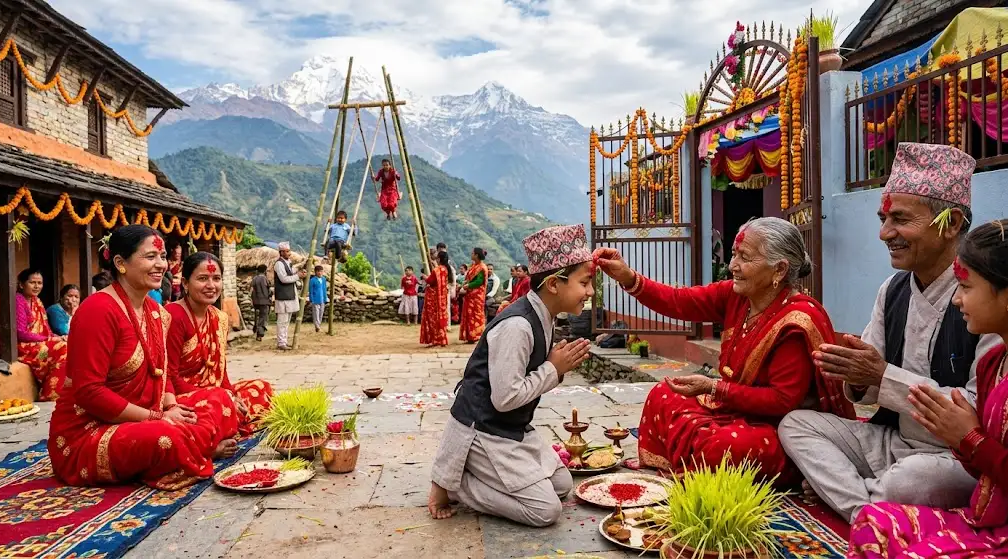
Local festivals play an important role in preserving the valley's cultural identity. These celebrations bring communities together through religious ceremonies, traditional dances, prayers, and social gatherings.
If you're lucky enough to visit during a festival, you'll witness colorful clothing, sacred rituals, and a strong sense of community spirit. Visitors are often welcomed respectfully, though it's always important to be mindful of local customs and traditions during cultural events.
Ancient Monasteries
Limi Valley is home to several ancient monasteries that hold great spiritual and historical significance. These monasteries have served as centers of learning, worship, and community life for hundreds of years.
One of the most famous is Rinchenling Monastery in Halji, believed to be among the oldest monasteries in the region. Inside, you'll find ancient murals, religious texts, prayer halls, and artifacts that tell the story of the valley's rich Buddhist heritage.
Everyday Life in the Valley
Everyday life in Limi Valley revolves around farming, livestock herding, family, and religion. The harsh mountain environment requires hard work and strong community cooperation, especially during planting and harvesting seasons.
Many residents grow barley, buckwheat, and potatoes while raising yaks, sheep, and goats. Despite modern changes elsewhere, daily life here remains closely connected to nature and tradition. For visitors, observing these simple routines often becomes one of the most meaningful parts of the journey, offering a rare look at a way of life that continues to thrive in the heart of the Himalayas.
Wildlife and Nature of Limi Valley
Wildlife and nature are among the biggest reasons many trekkers fall in love with Limi Valley. Hidden in Nepal's remote Humla District, the valley remains largely untouched by large-scale development, creating a safe refuge for rare Himalayan wildlife and fragile alpine ecosystems. The region's rugged mountains, high-altitude grasslands, river valleys, and rocky cliffs support an impressive variety of plants and animals that are becoming increasingly difficult to find elsewhere in the Himalayas.
What makes Limi Valley especially fascinating is the balance between nature and traditional human life. Local communities have lived alongside wildlife for generations, relying on the land while maintaining a deep respect for the environment. As you trek through the valley, every day brings a chance to experience pristine landscapes, spot unique species, and appreciate one of Nepal's most ecologically important regions.
Wildlife and Nature of Limi Valley
Limi Valley is one of Nepal's most ecologically significant regions, offering a rich blend of wildlife, alpine vegetation, and pristine Himalayan landscapes. Its remote location has helped preserve habitats that support rare species and unique ecosystems. As trekkers move through high mountain passes, grasslands, and river valleys, they gain a deeper appreciation for the area's remarkable natural diversity.
The valley's rugged terrain and limited human impact make it an important refuge for wildlife and native plant species. Beyond its cultural attractions, Limi Valley is a destination that appeals strongly to nature lovers, birdwatchers, photographers, and conservation-minded travelers.
Snow Leopard Habitat
- Snow Leopard: An endangered big cat that inhabits the high-altitude cliffs and rocky mountains of the region.
- Habitat: Prefers remote terrain above 3,000 meters with steep slopes and limited human disturbance.
- Conservation Status: Protected through various conservation and community-based initiatives.
- Sightings: Extremely rare, making any encounter a once-in-a-lifetime experience.
Blue Sheep and Himalayan Wildlife
- Blue Sheep: The most commonly spotted large mammal in Limi Valley and the primary prey of snow leopards.
- Himalayan Wolf: A rare predator adapted to harsh mountain environments.
- Musk Deer: A shy and elusive species found in higher elevations.
- Himalayan Marmot: Frequently seen in alpine meadows during warmer months.
- Red Fox: Occasionally spotted in open valleys and grasslands.
- Himalayan Birds: Includes snowcocks, griffon vultures, and other high-altitude bird species.
Unique Alpine Flora
- Wildflowers: Seasonal alpine flowers bloom during spring and summer, adding color to the landscape.
- Medicinal Herbs: Various native herbs are traditionally used by local communities.
- Alpine Grasses: Important food sources for both wildlife and livestock.
- Mountain Shrubs: Hardy vegetation adapted to cold temperatures and strong winds.
- High-Altitude Ecosystems: Support a diverse range of plant life despite the harsh climate.
Conservation Efforts in the Region
- Snow Leopard Protection: Programs help monitor and conserve snow leopard populations.
- Habitat Preservation: Efforts focus on protecting fragile mountain ecosystems.
- Community Participation: Local residents play a key role in conservation activities.
- Sustainable Grazing: Encourages balanced use of natural resources.
- Responsible Tourism: Promotes environmentally friendly trekking practices.
- Wildlife Monitoring: Ongoing research helps track species and habitat health across the region.
How to Prepare for Limi Valley Trekking
Proper preparation is essential for a successful Limi Valley Trek. The route involves long trekking days, high-altitude mountain passes, and remote conditions where services are limited. Preparing well in advance can make the experience safer, more comfortable, and far more enjoyable.
The good news is that most challenges can be managed with the right training, planning, and support. By focusing on fitness, altitude readiness, permits, and logistics, you'll be much better equipped to enjoy one of Nepal's most rewarding trekking adventures.
Step 1: Improve Trekking Fitness
- Build endurance by walking, hiking, or jogging regularly.
- Practice long-distance hikes with a loaded backpack.
- Strengthen leg muscles through squats, lunges, and stair climbing.
- Include cardio exercises such as cycling, swimming, or running.
- Start training at least 8 to 12 weeks before the trek.
- Focus on consistency rather than intense short-term workouts.
Step 2: Train for High Altitude
- Learn the symptoms of altitude sickness before the trek.
- If possible, complete practice hikes at higher elevations.
- Improve cardiovascular fitness to help your body adapt better.
- Stay hydrated and maintain good nutrition during training.
- Plan enough acclimatization days within your itinerary.
- Avoid rushing ascents once you are on the trail.
Step 3: Choose the Right Season
- Spring (March to May) offers stable weather and blooming landscapes.
- Autumn (September to November) provides clear skies and excellent visibility.
- Avoid winter if you are not experienced with cold-weather trekking.
- Consider possible flight delays during the summer monsoon period.
- Research seasonal trail conditions before booking your trip.
- Select a trekking window that matches your experience and preferences.
Step 4: Arrange Permits Early
- Confirm all permit requirements several weeks before departure.
- Apply through a registered trekking agency.
- Prepare passport copies and passport-sized photographs.
- Ensure your Nepal visa remains valid throughout the trek.
- Double-check permit processing times during peak seasons.
- Keep digital and printed copies of important documents.
Step 5: Book an Experienced Trek Operator
- Choose a company with experience in the Humla and Limi Valley region.
- Verify that guides are licensed and properly trained.
- Read recent reviews from previous trekkers.
- Compare package inclusions before making a decision.
- Ask about safety procedures and emergency support.
- Select an operator that prioritizes responsible and sustainable tourism practices.
Before finalizing your guide, understand the logistical and cost differences of booking a Nepal trek with a local company versus an international agency to ensure you maximize your budget and support local communities.
Limi Valley Trek Packing List
Packing the right gear is crucial for the Limi Valley Trek. The route passes through remote Himalayan terrain where weather conditions can change quickly and access to supplies is extremely limited. A well-planned packing list helps ensure comfort, safety, and preparedness throughout the journey.
Since the trek involves high altitudes, cold nights, and long days on the trail, it's important to focus on lightweight but reliable equipment. Bringing the essentials without overpacking can make a significant difference during the trek.
Essential Clothing
- Moisture-wicking base layers
- Warm fleece or insulated jacket
- Waterproof and windproof outer jacket
- Trekking pants and thermal trousers
- Lightweight trekking shirts
- Warm hat and sun hat
- Gloves for cold conditions
- Wool or synthetic trekking socks
- Comfortable hiking boots
- Camp shoes or sandals
Trekking Equipment
- Trekking poles
- Durable backpack (30 to 40 liters for daily use)
- Duffel bag if using porter services
- Reusable water bottles
- Water purification tablets or filter
- Headlamp with spare batteries
- Sunglasses with UV protection
- Sunscreen and lip balm
- Quick-dry towel
- Multi-tool or pocket knife
Sleeping and Camping Gear
- Four-season sleeping bag
- Sleeping bag liner for extra warmth
- Sleeping pad or mattress if required
- Lightweight travel pillow
- Tent equipment, usually provided on organized treks
- Dry bags for protecting gear from moisture
Personal Medications
- Personal prescription medications
- Basic first-aid kit
- Altitude sickness medication if recommended by your doctor
- Pain relievers
- Anti-diarrheal medication
- Bandages and blister treatment supplies
- Antiseptic cream
- Cold and flu medication
- Oral rehydration salts
Electronics and Navigation Items
- Mobile phone
- Power bank
- Charging cables
- Camera and memory cards
- Spare batteries
- GPS device or trekking watch
- Offline maps and navigation apps
- Travel adapter for Nepal
- Small flashlight as a backup light source
A carefully prepared packing list can help you stay comfortable and focused on the experience rather than worrying about missing gear. Always adjust your equipment based on the season, weather forecast, and trekking operator recommendations.
Limi Valley Trek vs Upper Dolpo
Both Limi Valley Trek and Upper Dolpo Trek offer exceptional remote trekking experiences in Nepal, but they appeal to slightly different types of adventurers. While both routes showcase rich Himalayan culture, stunning landscapes, and limited crowds, each has its own character, challenges, and highlights.
Limi Valley is often chosen by trekkers seeking authentic Tibetan culture, remote villages, and a relatively shorter itinerary. Upper Dolpo, on the other hand, is known for its vast wilderness, Bon traditions, and longer, more demanding trekking routes. Choosing between the two depends on your experience level, available time, budget, and personal interests.
| Feature |
Limi Valley Trek |
Upper Dolpo Trek |
| Remoteness |
Very High |
High |
| Culture |
Tibetan |
Tibetan-Bon |
| Trek Duration |
16–20 Days |
18–25 Days |
| Crowds |
Very Low |
Low |
| Cost |
Moderate to High |
High |
| Difficulty |
Challenging |
Very Challenging |
For trekkers looking for a balance between cultural immersion, wilderness, and manageable trekking duration, Limi Valley Trek is often an excellent choice. Those seeking a longer and more physically demanding expedition with deeper exploration of Nepal's remote western Himalayas may find Upper Dolpo Trek more rewarding. Both journeys deliver unforgettable experiences far from Nepal's mainstream trekking routes.
Also Read: If you are still exploring different routing options across Nepal's iconic regions, see our side-by-side analysis of the North Annapurna Base Camp vs South Annapurna Base Camp routes to see which trail suits your style.
Tips for a Successful Limi Valley Trek
A successful Limi Valley Trek depends on good preparation, patience, and a willingness to adapt to remote mountain conditions. Unlike more developed trekking routes in Nepal, facilities here are limited, distances can be long, and weather conditions may change unexpectedly. Taking a thoughtful approach can make the journey much safer and more enjoyable.
The trek rewards those who travel responsibly and prepare well in advance. Paying attention to altitude, local customs, and logistical details will help you get the most out of this unique Himalayan adventure.
Acclimatize Properly
- Follow a gradual ascent schedule whenever possible.
- Take acclimatization days seriously and avoid rushing the itinerary.
- Drink plenty of water throughout the trek.
- Watch for symptoms of altitude sickness such as headaches or dizziness.
- Inform your guide immediately if you feel unwell.
- Prioritize rest and recovery at higher elevations.
Carry Cash for Remote Areas
- Bring enough Nepalese currency before leaving major towns.
- ATMs are not available in most trekking areas of Humla.
- Carry smaller denominations for easier transactions.
- Keep emergency cash separate from your main funds.
- Budget for snacks, drinks, and personal purchases.
- Do not rely on digital payments in remote villages.
Respect Local Culture
- Ask permission before photographing people or religious sites.
- Dress modestly when visiting villages and monasteries.
- Follow local customs and your guide's recommendations.
- Walk clockwise around chortens and prayer monuments.
- Be respectful during religious ceremonies and festivals.
- Support local businesses whenever possible.
Prepare for Limited Facilities
- Expect basic accommodation and simple amenities.
- Electricity and charging opportunities may be limited.
- Mobile network coverage can be unreliable.
- Bring essential toiletries and personal supplies.
- Pack extra batteries and power banks for electronics.
- Be prepared for changing weather and trail conditions.
Travel With a Reliable Guide
- Choose a licensed guide with experience in the Humla region.
- Verify the reputation of your trekking agency before booking.
- Listen carefully to safety advice during the trek.
- Follow recommended pacing and acclimatization schedules.
- A knowledgeable guide can provide valuable cultural insights.
- Reliable local support greatly improves safety and overall experience.
Book Your Limi Valley Trek Adventure
Limi Valley Trekking is one of Nepal's most rewarding off-the-beaten-path adventures, combining remote Himalayan wilderness, ancient Tibetan culture, historic trade routes, and breathtaking mountain scenery into a single unforgettable journey. For trekkers seeking authentic experiences away from crowded trails, few destinations can match the sense of discovery that Limi Valley offers. From exploring traditional villages and sacred monasteries to crossing high mountain passes, every day brings a deeper connection to the landscapes and cultures of the far-western Himalayas.
To make the most of this unique experience, it is important to travel with a trusted and experienced trekking company.The best trekking company in Nepal, offering expert local guides, reliable logistics, and personalized support for remote adventures like the Limi Valley Trek. Whether you're in the early planning stage or ready to begin your journey, you can learn more about their trekking services and explore available itineraries through Himalayan Hero.Their experienced team can help ensure a safe, well-organized, and memorable trekking experience in one of Nepal's most remarkable regions.
FAQs About Limi Valley Trekking
How long is the Limi Valley Trek?
The Limi Valley Trek usually takes 18–22 days, depending on the route, acclimatization days, and transportation schedule. Most itineraries start and end in Simikot.
What is the highest point of the trek?
The highest point is Nyalu La Pass at approximately 4,990 meters (16,371 feet). Trekkers should allow enough time for acclimatization before crossing the pass.
Do I need a guide for Limi Valley?
Yes. Limi Valley is a restricted area in northwestern Nepal, and trekking must be arranged through a registered trekking agency with a licensed guide.
How much does the Limi Valley Trek cost?
The total cost varies depending on group size, services, and transportation. Most organized treks range between USD 2,500 and USD 4,000 per person.
Is Limi Valley suitable for beginners?
The trek is best suited for trekkers with some previous hiking experience. The remote trails, high altitude, and long trekking days can be challenging for first-time trekkers.
What permits are required?
You need a Restricted Area Permit (RAP) for Limi Valley. Your trekking agency will arrange the necessary permits before the trek.
When is the best time to visit Limi Valley?
The best seasons are spring (May–June) and autumn (September–October), when the weather is generally stable and mountain views are at their best.
Can the trek be combined with Mount Kailash?
Yes. Some itineraries connect Limi Valley with the Mount Kailash pilgrimage route, subject to permit and border regulations.
What type of accommodation is available in Limi Valley?
Accommodation is basic and consists mainly of local teahouses and homestays. In some remote sections, camping may be required depending on the itinerary.
How difficult is the Limi Valley Trek?
The trek is considered moderately difficult to challenging due to its high altitude, remote location, and daily walking distances of 5–8 hours.
Is altitude sickness a concern in Limi Valley?
Yes. Since the trek reaches elevations close to 5,000 meters, proper acclimatization and a gradual ascent are important to reduce the risk of altitude sickness.
What makes Limi Valley different from other treks in Nepal?
Limi Valley offers a rare combination of Tibetan culture, ancient monasteries, remote Himalayan landscapes, and fewer crowds than popular trekking regions such as Everest and Annapurna.
Are there ATMs or mobile networks in Limi Valley?
ATMs are not available along the trekking route. Mobile coverage is limited and unreliable in many areas, so trekkers should carry enough cash and prepare for limited connectivity.
What should I pack for the Limi Valley Trek?
Essential items include warm layers, a quality sleeping bag, trekking boots, sunglasses, sunscreen, a reusable water bottle, and personal medications.
Can I charge my electronic devices during the trek?
Charging facilities may be available in some villages for an additional fee, but electricity is limited. Carrying a power bank or solar charger is highly recommended.
Is travel insurance required for the Limi Valley Trek?
Yes. Comprehensive travel insurance for trekking in Nepal that covers high-altitude trekking and emergency helicopter evacuation is strongly recommended.