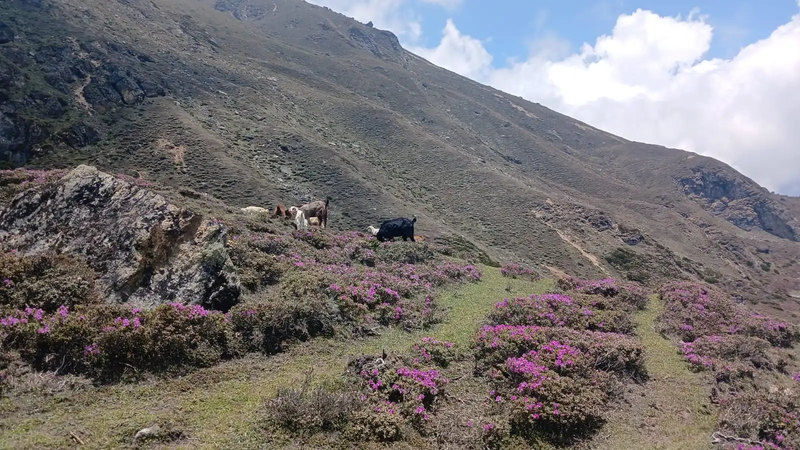
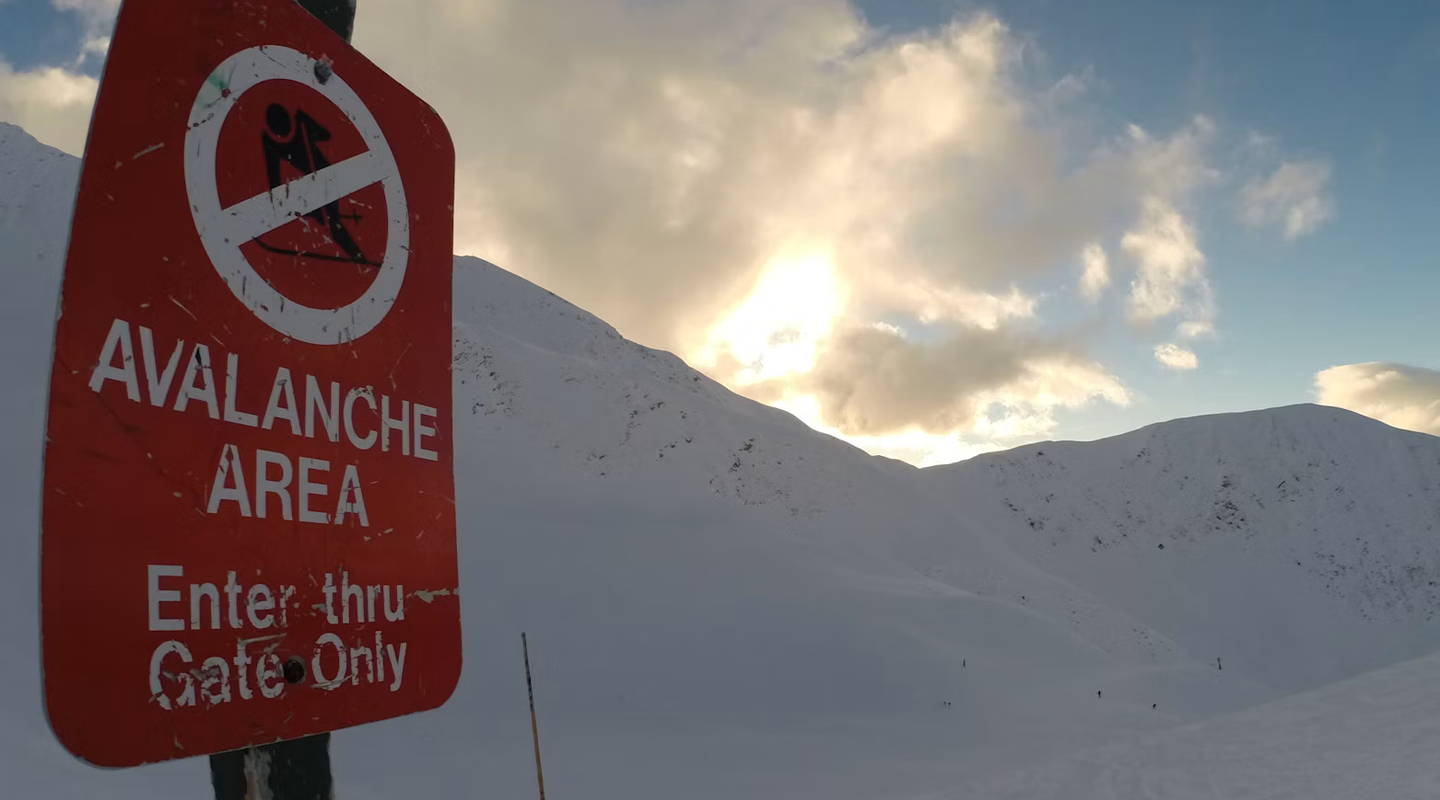
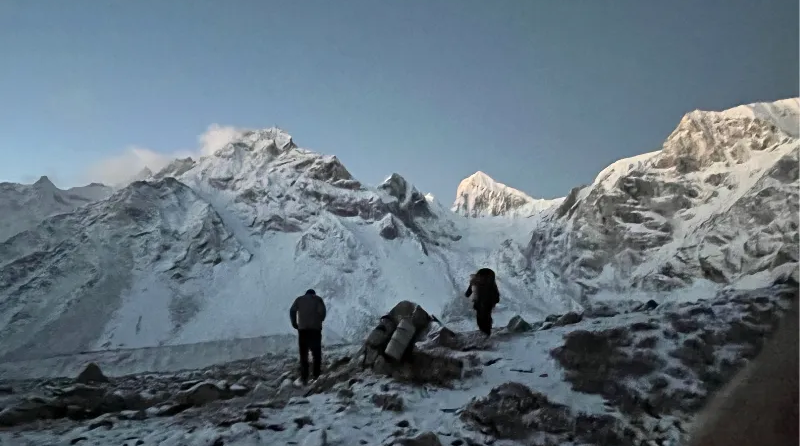
Everest and Annapurna are unforgettable, but they can feel like highways in peak season: lodge bookings, busy trails, and that constant hum of other groups. Mount Makalu offers the opposite kind of Himalayan story. The approach is wilder, the villages are fewer, and the days feel longer in the best way, measured by river crossings, rhododendron forests, and quiet ridgelines that don’t come with a queue.
If you’re researching Mount Makalu and the Mount Makalu Base Camp Trek, this guide is written to help you decide if Makalu fits your fitness, comfort level, budget, and time. We’ll cover geography, altitude, difficulty, trekking logistics, weather patterns, permits (with verification notes), typical cost categories, and what an expedition actually looks like beyond the base camp.
What Is Mount Makalu?
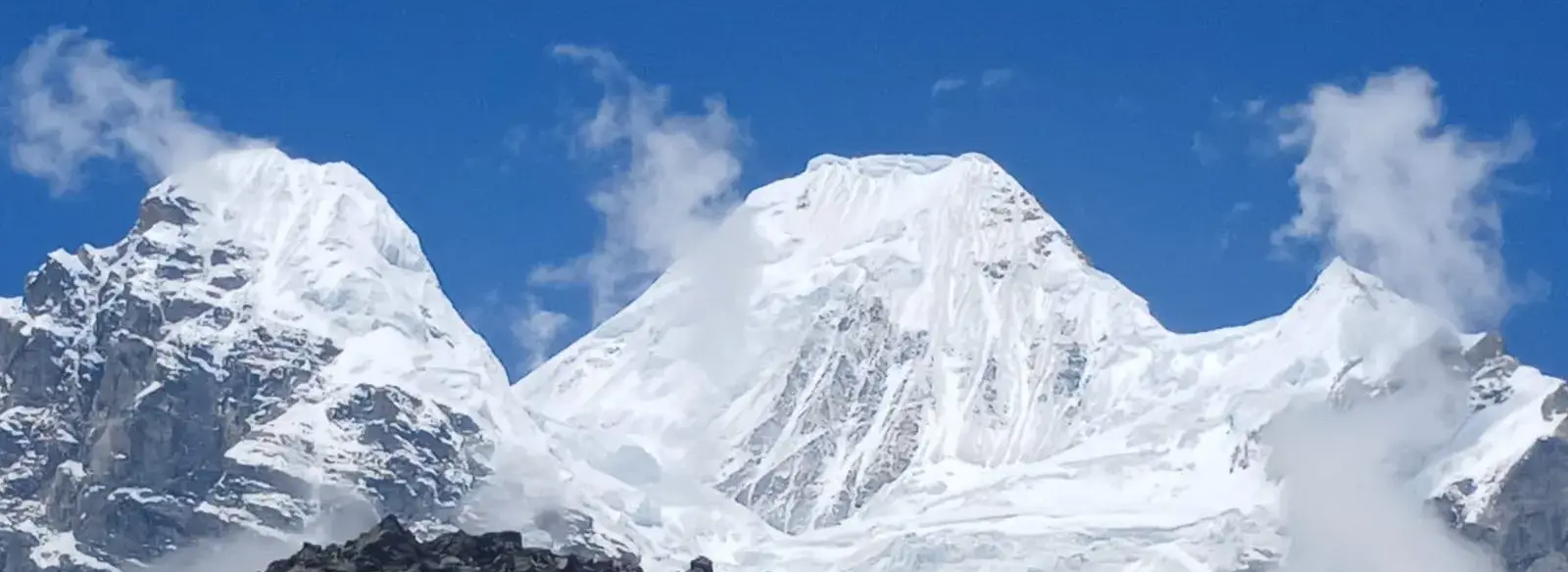
Mount Makalu is the world’s fifth-highest mountain, a sharp-pyramided 8,000-meter peak in eastern Nepal near the Tibetan border. It sits inside the Makalu-Barun region and is reached by remote trekking routes rather than busy lodge-to-lodge corridors. For travelers, “Mount Makalu” often means two different goals: the Makalu expedition (a serious high-altitude climb) or the Mount Makalu Base Camp Trek (a challenging trek to the foot of the mountain).
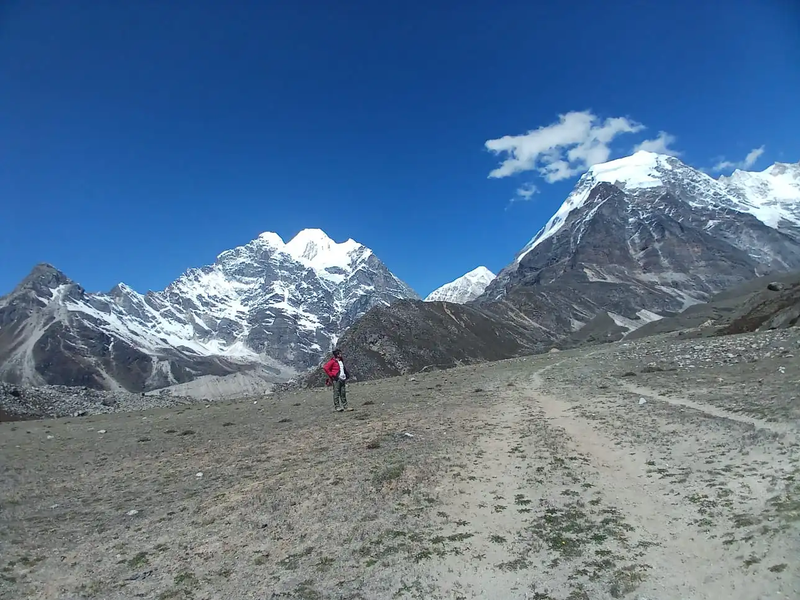
What makes Mount Makalu feel unique is its isolation and dramatic shape. Makalu rises like a dark, steep tetrahedron above glaciers and high valleys. On the trek, you don’t just “see a mountain”; you travel through layers of landscape, from low green hills to high alpine terrain. Expect longer trekking days, basic accommodation in places, and trail conditions that can be rougher than Everest routes, especially after storms.
Where Is Mount Makalu Located?
Mount Makalu is located in eastern Nepal in the Makalu-Barun area, close to the Nepal–Tibet border and not far from the Everest region in straight-line distance. The mountain lies within Makalu Barun National Park, a protected region known for deep valleys and big elevation changes. Access is typically via flights and a long overland approach to trailheads, making the overall journey feel more like an expedition than a standard Nepal trek.
For trekking logistics, “where” matters because it affects everything: permits, guide planning, food resupply, and weather exposure. The Makalu trekking route usually begins after travel to the Sankhuwasabha district and then follows remote valleys toward higher ground. Unlike the Everest Base Camp trail, the Makalu Base Camp Trek has fewer lodges and less infrastructure, so itinerary planning, buffer days, and a strong guide/porter setup become more important.
How High Is Mount Makalu? Understanding the Altitude Challenge
Mount Makalu is about 8,485 meters (27,838 ft) high, which places it firmly in the extreme-altitude category and makes acclimatization a central challenge. Even if you’re “only” doing the Mount Makalu Base Camp Trek, you’ll still spend many days well above 3,000 meters, with nights that can feel cold and thin-aired. Altitude affects sleep, appetite, pace, and safety, so your itinerary must build acclimatization gradually.
The Mount Makalu altitude profile is demanding because you gain elevation through remote terrain where “easy exit” options are limited. A practical approach is slow ascent, rest or acclimatization days, hydration, and conservative pacing, especially on steeper sections and high passes (where applicable on certain variations). Your guide should monitor symptoms and adjust duration day-to-day. Treat Makalu as a trek where strong legs help, but smart acclimatization helps more.
Why Is Mount Makalu Difficult to Climb?
Mount Makalu is difficult to climb because it is a steep, technical 8,000-meter peak with complex terrain, serious weather exposure, and thin margins for error at extreme altitude. The mountain’s upper sections involve sustained steep slopes and objective hazards that feel less forgiving than more commercially developed peaks. Even with strong climbers, the difficulty is amplified by remoteness, longer supply lines, and fewer “support systems” compared with crowded Himalayan routes.
From a real Mount Makalu expedition guide perspective, difficulty is not just the summit day; it's the whole timeline: establishing camps, moving loads, waiting out storms, and managing risk on a big, cold face. Makalu weather can change quickly, and high winds can shut down movement for days. Because rescue logistics are complicated, teams need robust self-sufficiency, disciplined decision-making, and conservative turnaround rules built into the itinerary.
Mount Makalu vs Mount Everest (Quick Comparison)
Makalu Base Camp Trek Difficulty
The Makalu Base Camp Trek difficulty is considered moderate to challenging because of its remote location, long trekking days, changing terrain, and high-altitude conditions. Unlike busier trekking routes in Nepal, this trail has fewer facilities, limited accommodation options, and less access to support services along the way. Most itineraries take around 18–21 days, allowing time for gradual acclimatization and safer altitude adjustment. Physical preparation, steady pacing, and weather flexibility play a major role in completing the trek comfortably and safely. Since altitude is one of the biggest challenges on the Makalu route, learn how to acclimatize for high-altitude treks in Nepal and improve your chances of trekking safely and comfortably.
Can beginners trek to Makalu Base Camp?
Beginners can trek to Makalu Base Camp only if they train properly, choose a conservative itinerary of roughly 18–21 days, and go with a qualified guide who can manage pacing and altitude risk. The trail is remote, daily climbs can be long, and the Mount Makalu altitude demands respect. If you’re new to multi-day trekking, plan practice hikes, stair training, and a few long walks with a pack before arriving in Nepal.
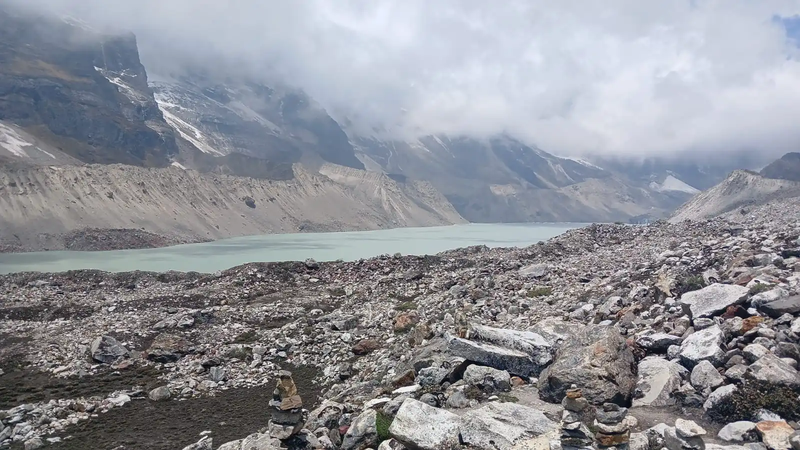
Even with strong motivation, beginners should treat the Makalu Base Camp Trek itinerary as a skill-building trip: slower ascents, extra buffer days, and early symptom reporting for AMS. Trail conditions can be muddy after rain and rocky in higher sections, and accommodation can be basic with limited menu choices. Permits and logistics should be handled by a licensed operator, and a porter can make the trek safer by reducing fatigue.
Is Makalu Base Camp Trek safe?
The Makalu Base Camp Trek is generally safe when you use a licensed guide, acclimatize slowly, and plan for weather changes and remoteness. The main risks are altitude illness, trail slips on wet or unstable sections, and delays caused by storms or transport disruption. Because rescue is more complex than on crowded routes, safety is heavily influenced by itinerary design, communication plans, and conservative decision-making.
A practical safety setup includes a guide who carries or can access a first-aid and altitude protocol, clear turnaround rules, and an extra buffer day or two. Weather in the Makalu region can shift quickly, so your plan should include early starts and flexible daily distance. Confirm your permit requirements and current regulations before departure, and make sure your insurance explicitly covers trekking altitude and helicopter evacuation.
Permits Required for Makalu Base Camp Trek
Permits for the Makalu region typically involve protected-area permissions related to Makalu Barun National Park and potentially additional local or conservation permits depending on current rules. Because Nepal permit regulations can change, treat any permit list you see online as a starting point, not a final answer. A licensed trekking agency usually arranges permits and will confirm what’s required for your exact Makalu trekking route and itinerary.
Permit overview (verify before you go)
- National park / conservation area permits (commonly required)
- Possible local-area permits depending on trailhead and route variations
- Carry passport copies and photos as requested by your operator
Guide considerations
- A guide is strongly recommended due to navigation, safety, and logistics in a remote area
- Some routes may be difficult to manage independently due to limited services and variable trail conditions
Verification note: Always confirm the latest Makalu Base Camp Trek permits through official Nepal tourism sources and a licensed trekking operator before you pay deposits or lock flights.Before heading into the Makalu region, read this guide on travel insurance for trekking in Nepal to understand coverage options for altitude-related issues and emergency evacuation.
Makalu Base Camp Trek Cost & Packages (Estimated Categories Only)
Costs vary widely based on group size, support level (guide/porter ratios), accommodation style (lodge vs. camping segments), and transport choices. Rather than chasing the “cheapest,” focus on value: a good guide, safe pacing, and enough food and contingency planning. For a remote trek like this, under-budgeting can quietly increase risk.
Typical cost categories (no exact prices)
- Flights/transport: Kathmandu ↔ eastern Nepal access (flight, road, or combination)
- Permits: park/conservation permits + any required local permits (verify latest)
- Guide: licensed guide fees, insurance, and logistics support
- Porter: porter wages/insurance; recommended to reduce fatigue and improve safety
- Accommodation & meals: basic teahouses where available, plus any camping logistics if used
- Gear & rentals: sleeping system, down layers, trekking poles, microspikes if conditions require
When comparing a Makalu Base Camp Trek package or private Makalu trekking package, ask what is included for weather delays, communication, and emergency protocols.
Mount Makalu Expedition Guide (What an Expedition Looks Like)
A Makalu expedition is not an extension of the base camp trek; it's a full high-altitude climbing project. After reaching base camp, teams typically spend weeks rotating between higher camps to acclimatize, carry loads, and wait for stable weather. Expect long periods of patience, intense cold, and decision-making under fatigue. This is where “experience” matters more than ambition.
Expedition stages (high level)
- Base camp setup and acclimatization rotations
- Establishing and stocking higher camps
- Weather monitoring and rest cycles
- Summit push during a narrow stable window
- Descent strategy and contingency planning
Summit preparation & timeline (general)
- Many expeditions take several weeks from base camp onward
- Fixed lines, camp placement, oxygen strategy (if used), and team support differ by operator
Because rules and logistics vary, confirm Makalu expedition permits and current operator practices directly with licensed expedition companies and official sources.
Things to Know Before Trekking to Makalu Base Camp
Before trekking to Makalu Base Camp, it is important to understand that this route is remote, less developed, and significantly more demanding than popular trekking areas in Nepal. The journey passes through the Makalu-Barun region, where infrastructure is limited, weather conditions can shift quickly, and daily progress depends on both terrain and altitude. Proper preparation, patience, and flexibility are essential for a safe and rewarding experience.
Remote trail and planning requirements
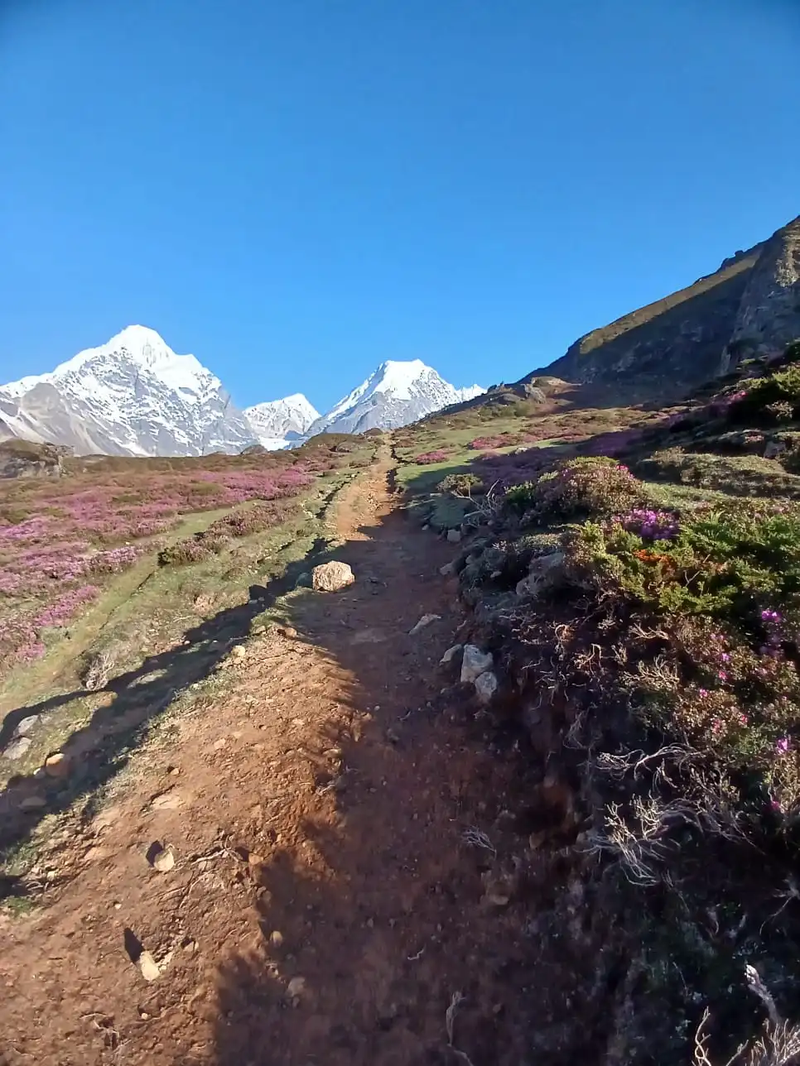
The Makalu Base Camp Trek takes you into one of Nepal’s least crowded trekking regions, where villages are sparse and transport connections are limited. This means every part of the journey: transport, permits, accommodation, and food supply requires careful planning in advance. Unlike more commercial routes, you cannot rely on frequent services or easy adjustments along the way, so a well-structured itinerary is important.
Altitude and acclimatization importance
Altitude plays a major role in how your body responds during the trek. As you gain elevation, oxygen levels decrease, which can affect breathing, energy, and overall performance. A gradual ascent with planned rest or acclimatization days is essential to reduce the risk of altitude sickness and allow your body to adjust safely to higher elevations.
Basic accommodation and limited facilities
Accommodation along the Makalu route is generally simple and functional rather than comfortable or modern. Tea houses provide basic meals and lodging, but facilities such as hot showers, electricity, and internet may be limited or unavailable in higher and more remote sections. Trekkers should be prepared for a more rustic experience throughout the journey.
Physical fitness and endurance needs
This trek involves long walking hours across uneven and changing terrain, including steep climbs and descents. Good physical fitness, especially cardiovascular endurance, is more important than technical skills. Training with long hikes, stair climbing, and carrying a backpack beforehand can significantly improve comfort and reduce fatigue during the trek.
Weather variability in the mountains
Weather in the Makalu region can be unpredictable even during recommended trekking seasons. Clear mornings can quickly turn into rain, wind, or cold conditions, especially at higher altitudes. These changes can affect visibility and trail safety, so trekkers must be prepared with proper gear and flexible daily plans.
Permits and regulatory requirements
Trekkers need specific permits to enter the Makalu-Barun region, and these requirements may change based on government regulations. In some cases, additional local permissions may also be needed depending on the exact route. It is always best to confirm updated permit rules through official sources or a licensed trekking agency before starting the trip.
Importance of a guide for safety
Because the region is remote and less frequently traveled, hiring a licensed guide is strongly recommended. A guide helps with navigation, communication, accommodation arrangements, and pacing based on altitude conditions. Their experience also becomes valuable in case of weather changes or unexpected situations on the trail.
Packing strategy for remote trekking
Packing should focus on practicality and safety rather than comfort or excess gear. Essential items include layered clothing, waterproof jackets, sturdy trekking boots, gloves, and basic medical supplies. Keeping your backpack light but well-prepared helps maintain energy levels over long trekking days.
Limited communication and cash access
In many sections of the trek, mobile networks and internet access are weak or completely unavailable. ATMs are not present along the route, so carrying enough cash before starting the trek is important. Trekkers should also be prepared for periods with little to no communication with the outside world.
Best trekking seasons for Makalu region
Spring (April–May) and autumn (October–November) are considered the most suitable seasons for trekking in the Makalu region. These periods generally offer more stable weather, clearer mountain views, and safer trail conditions compared to monsoon or winter seasons, which can be more challenging and unpredictable.
Can You See Everest from Makalu?
You can sometimes see Everest from parts of the Makalu region on clear days, but it depends on your exact viewpoint, weather, and visibility. Makalu sits relatively close to the Everest massif, yet mountain layers and cloud build-up often block long-distance sightlines. If “seeing Everest” is your main goal, the Everest region offers more reliable viewpoints with easier access and established trails. Not sure if Makalu is the right choice? Discover other best trekking places in Nepal and compare scenery, trail conditions, difficulty levels, and trekking experiences.
From the trekking perspective, it’s better to treat this as a bonus rather than a promise. The Mount Makalu Base Camp Trek is about immersion in a remote valley system, quiet ridges, big walls, and a sense of distance from the mainstream. Autumn often brings clearer skies. while spring can bring haze at times. Your guide can suggest side viewpoints if conditions and itinerary allow.
Conclusion
Mount Makalu is the kind of Himalayan journey you choose when you want quiet trails, raw landscapes, and a trek that feels earned. The Makalu Base Camp Trek rewards trekkers who plan conservatively, respect altitude, and accept basic comfort in exchange for rare solitude. If you want an iconic Nepal trek with lots of services, Everest may fit better; if you want a true expedition atmosphere without necessarily climbing an 8,000-meter peak, Makalu is hard to beat.
Before you finalize plans, verify current permits, trail access, and seasonal conditions through official Nepal tourism channels and licensed operators. Remote regions change quickly, and up-to-date logistics are part of trekking responsibly. If Mount Makalu’s remote landscapes and expedition atmosphere match your travel style, explore the complete Mount Makalu Base Camp Trek itinerary and package details to understand route logistics, duration, accommodation, and overall trekking expectations.
FAQ
What is the Mount Makalu Base Camp Trek?
The Mount Makalu Base Camp Trek is a remote trekking route in eastern Nepal that leads to the base camp below Mount Makalu through the Makalu-Barun region over roughly 18–21 days.
Where is the Makalu Base Camp Trek located?
The Makalu Base Camp Trek is located in eastern Nepal inside Makalu-Barun National Park near the Nepal–Tibet border, offering remote mountain landscapes and fewer crowds.
How long is the Makalu Base Camp Trek?
The Makalu Base Camp Trek usually takes 18–21 days, including travel, acclimatization, and weather buffer days to support safer altitude adjustment and flexible trekking.
When is the best time for Makalu Base Camp Trek?
The best time for Makalu Base Camp Trek is spring (April–May) and autumn (October–November) because weather is generally more stable and mountain visibility improves.
Why is the Makalu Base Camp Trek considered difficult?
The Makalu Base Camp Trek is difficult due to remote trails, long trekking days, limited facilities, changing weather, and sustained exposure to high altitude.
Can you do the Makalu Base Camp Trek without a guide?
You can sometimes do the Makalu Base Camp Trek without a guide, but a licensed guide is strongly recommended for safety, navigation, permits, and logistics.
Is Mount Makalu harder than Mount Everest?
Mount Makalu is generally considered harder than Mount Everest for climbers because it involves steeper terrain, more technical sections, and less developed support.
How do you prepare for Mount Makalu altitude?
Prepare for Mount Makalu altitude by building endurance, following a gradual itinerary, allowing acclimatization days, staying hydrated, and monitoring altitude symptoms.
What permits are needed for Mount Makalu trekking?
Mount Makalu trekking requires protected-area permits for the Makalu-Barun region and may require additional permits depending on current regulations and route details.
Do you need prior high-altitude trekking experience for Makalu?
You do not need prior high-altitude trekking experience for Makalu, but previous trekking experience helps with acclimatization, endurance, and overall trek management.