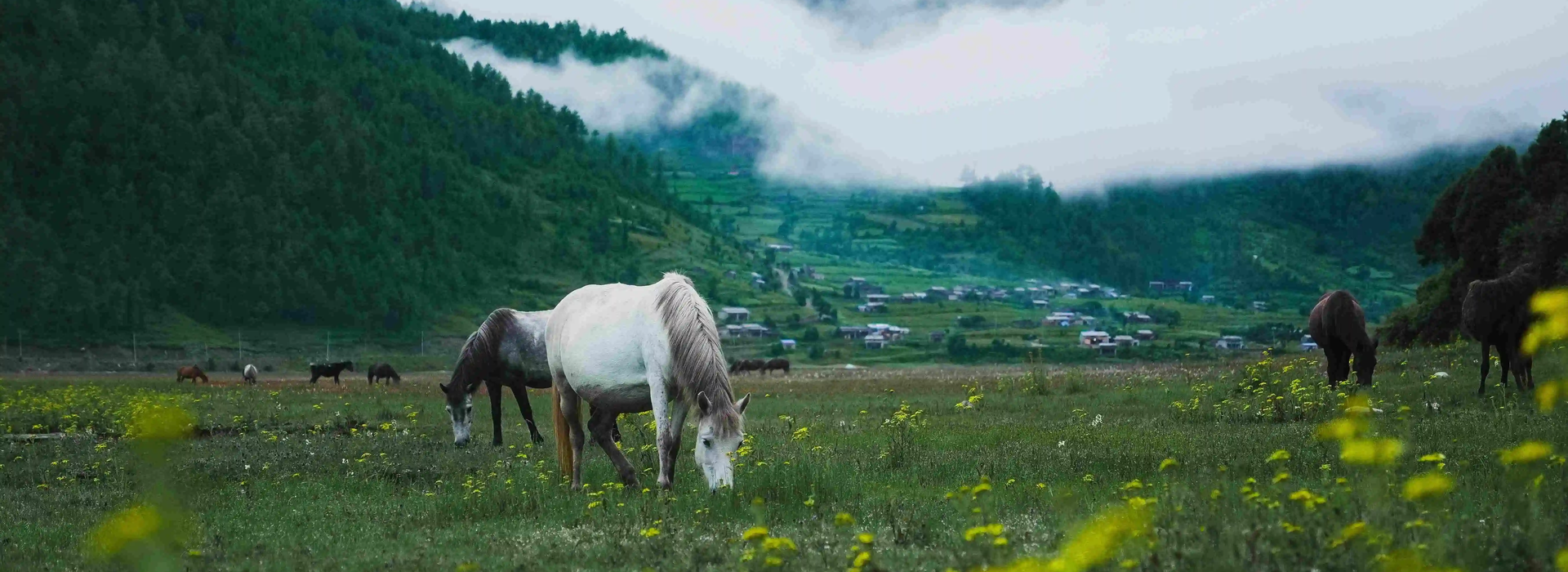
Dhorpatan Hunting Reserve is one of Nepal's most unique places to visit. It is known for its beautiful mountain views, rich wildlife, peaceful trekking trails, and local culture. This 2026 guide covers everything you need to know, including permits, trekking routes, travel costs, wildlife, and useful travel tips.
Dhorpatan Hunting Reserve is Nepal's only hunting reserve. It is located in Baglung, Myagdi, and Rukum East districts. Along with controlled hunting, the reserve is popular for trekking, wildlife watching, birdwatching, camping, and enjoying the natural beauty of the Himalayas.
Key Highlights
- Nepal's only hunting reserve
- Home to blue sheep, Himalayan tahr, musk deer, and over 130 bird species
- Quiet trekking trails with fewer visitors
- Amazing views of Dhaulagiri, Gurja Himal, Churen Himal, and Putha Hiunchuli
- Traditional Magar villages and local culture
- Great place for wildlife photography and nature lovers
You can also explore our Annapurna region trekking packages if you are looking for more Himalayan adventures in Nepal.
What Is Dhorpatan Hunting Reserve?
Dhorpatan Hunting Reserve is Nepal's only hunting reserve. It is located in the western part of the country and covers parts of Baglung, Myagdi, and Rukum East districts. The reserve is famous for its rich wildlife, beautiful mountain views, green forests, and peaceful trekking trails. While controlled hunting is allowed with special permits, most visitors come to enjoy nature, hiking, birdwatching, wildlife photography, and local culture.
The reserve also includes areas near Dhorpatan Municipality, a small town that serves as the main gateway for travelers visiting the reserve. Today, Dhorpatan Hunting Reserve is one of the best places in Nepal for people looking for a quiet and less crowded mountain adventure.
Why Is Dhorpatan Famous?
Dhorpatan is famous because it is the only place in Nepal where licensed hunting is legally allowed under strict government rules. It is also well known for its large population of blue sheep, Himalayan tahr, musk deer, and many bird species.
Besides wildlife, Dhorpatan Hunting Reserve attracts trekkers with its open grasslands, alpine forests, rivers, and stunning views of the Dhaulagiri mountain range. Visitors can also experience the culture and traditions of the local Magar community living around Dhorpatan Municipality.
History of the Reserve
The Government of Nepal established Dhorpatan Hunting Reserve in 1987 to protect wildlife while allowing limited and carefully managed hunting. The reserve is managed by the Department of National Parks and Wildlife Conservation. Hunting is allowed only during specific seasons and requires official permits. This system helps support wildlife conservation while generating funds for reserve management and local communities.
Quick Facts
| Feature |
Details |
| Area |
1,325 sq. km (512 sq. miles) |
| Established |
1987 |
| Elevation |
About 2,850 m to 5,500 m (9,350 ft to 18,045 ft) |
| Districts |
Baglung, Myagdi, and Rukum East |
| Nearest Town |
Dhorpatan Municipality |
| Managed By |
Department of National Parks and Wildlife Conservation |
| Conservation Significance |
Nepal's only hunting reserve, protecting important Himalayan wildlife, forests, alpine grasslands, and rare mountain ecosystems while supporting sustainable wildlife management. |
Where Is Dhorpatan? Location, Map & Elevation
Dhorpatan Hunting Reserve is in western Nepal, between the Dhaulagiri and Rukum mountain regions. It is a remote area with forests, rivers, open grasslands, and high Himalayan peaks. Many travelers visit the reserve for trekking, wildlife watching, and peaceful mountain scenery.
Dhorpatan Location
The Dhorpatan location is about 350 km west of Kathmandu. The reserve lies in the higher Himalayan region and can be reached by road from Baglung or Beni, followed by local transportation or trekking, depending on your route.
Dhorpatan Municipality is the main gateway to the reserve and is where many visitors begin their journey.
Districts and Province
Many travelers search for the Dhorpatan Hunting Reserve district, but the reserve actually spreads across three districts:
- Baglung District
- Myagdi District
- Rukum East District
These districts are part of Gandaki Province and Lumbini Province, making the reserve one of the few protected areas that extends across two provinces.
Dhorpatan Map
If you search for the Dhorpatan map on Google Maps or other navigation apps, you will find the reserve in western Nepal near Dhorpatan Municipality. The reserve stretches across mountain valleys, forests, and alpine meadows, covering a large area of about 1,325 square kilometers.
Using an offline map is recommended because mobile network coverage is limited in many parts of the reserve.
Height and Altitude
The Dhorpatan height varies greatly because the reserve covers both valleys and high mountains.
- Lowest elevation: About 2,850 meters (9,350 feet)
- Highest elevation: About 5,500 meters (18,045 feet)
This wide range of altitude creates different habitats for wildlife and offers beautiful views of the surrounding Himalayan peaks.
Nearby Attractions
Several popular places can be combined with a visit to Dhorpatan Hunting Reserve:
- Jaljala Pass – A scenic trekking destination with panoramic mountain views.
- Dhaulagiri Region – Famous for challenging trekking routes and snow-covered peaks.
- Gurja Village – A traditional mountain village known for its local culture and beautiful landscapes.
- Bukipatan Grasslands – Open alpine meadows where blue sheep are often seen.
- Myagdi and Baglung – Gateway districts with local markets, villages, and road access to the reserve.
These attractions make Dhorpatan a great destination for travelers who want to explore western Nepal beyond the more popular trekking routes.
Best Time to Visit Dhorpatan & Weather Guide
The best time to visit Nepal and explore places like Dhorpatan depends on the activities you want to enjoy. For Dhorpatan, spring and autumn are the most popular seasons because the weather is pleasant, the skies are clearer, and trekking trails are in better condition. These months are perfect for enjoying mountain views, wildlife sightings, and peaceful walks through the reserve.
The Dhorpatan weather changes throughout the year because of its high altitude. Summer brings monsoon rainfall, which can make trails muddy and travel more challenging, while winter brings cold temperatures and snowfall in higher areas. For a comfortable trekking experience, many travelers prefer visiting during spring and autumn.
Month-by-Month Weather
| Month |
Weather |
Travel Conditions |
| January |
Very cold with snow in higher areas |
Good for experienced trekkers |
| February |
Cold with occasional snowfall |
Quiet trails and clear mountain views |
| March |
Mild, dry, and pleasant |
Excellent for trekking and outdoor activities |
| April |
Warm days with blooming wildflowers |
One of the best months to visit |
| May |
Pleasant with occasional rain showers |
Great for hiking and wildlife spotting |
| June |
Beginning of the monsoon season |
Wet and slippery trails |
| July |
Heavy rainfall and humid conditions |
Not recommended for trekking |
| August |
Frequent rain with cloudy skies |
Limited visibility and challenging trails |
| September |
Rain gradually decreases |
Trails begin to improve |
| October |
Clear skies with comfortable temperatures |
Best month to visit for trekking |
| November |
Cool, dry, and stable weather |
Excellent mountain views and hiking conditions |
| December |
Cold with possible snowfall |
Peaceful trails but chilly temperatures |
Spring (March to May)
Spring is one of the best times to visit Dhorpatan. The weather is warm during the day, and forests and hillsides are full of colorful rhododendron flowers. Wildlife is also more active, making it a great season for birdwatching and photography.
- Clear mountain views
- Comfortable trekking weather
- Blooming rhododendron forests
- Good chance to see wildlife
Summer & Monsoon (June to August)
Summer brings the monsoon season to Dhorpatan. Heavy rainfall makes trails muddy and slippery, while clouds often hide the mountain views. Landslides can also affect road travel.
Although the forests become very green, this is generally not the best time to visit Dhorpatan for trekking.
- Frequent rain
- Slippery trails
- Cloudy weather
- Risk of landslides
Autumn (September to November)
Autumn is considered the best season to visit Dhorpatan. After the monsoon, the skies become clear, the air is fresh, and the mountains are easy to see. Trekking conditions are excellent, and temperatures are comfortable during the day.
Many local festivals also take place during this season, giving visitors a chance to experience local culture.
- Clear skies
- Best mountain views
- Comfortable temperatures
- Excellent trekking conditions
Winter (December to February)
Winter is cold, especially in higher parts of the reserve. Snowfall is common at higher elevations, and temperatures can drop below freezing at night. The trails are much quieter, making it a good time for travelers who enjoy peaceful mountain landscapes and are prepared for cold weather.
- Cold days and freezing nights
- Snow at higher elevations
- Fewer visitors
- Beautiful winter scenery
Temperature & Rainfall Table
| Season |
Average Day Temperature |
Average Night Temperature |
Rainfall |
| Spring (March–May) |
50–68°F (10–20°C) |
32–46°F (0–8°C) |
Low to moderate |
| Summer (June–August) |
59–72°F (15–22°C) |
46–54°F (8–12°C) |
Heavy monsoon rainfall |
| Autumn (September–November) |
46–64°F (8–18°C) |
28–43°F (-2–6°C) |
Low rainfall with clear skies |
| Winter (December–February) |
32–50°F (0–10°C) |
14–28°F (-10 to -2°C) |
Light snowfall in higher elevations |
Overall, the best time to visit Dhorpatan is March to May and September to November, when Dhorpatan weather is most suitable for trekking, wildlife watching, and enjoying the Himalayan views.
How to Reach Dhorpatan
Reaching Dhorpatan Hunting Reserve takes time because it is located in a remote part of western Nepal. There are no direct flights to the reserve, so all visitors must travel by road. The journey offers beautiful views of rivers, hills, forests, and mountain villages along the way.
Most travelers choose a local bus, shared jeep, private jeep, motorcycle, or 4WD to Dhorpatan. Your choice depends on your budget, travel time, and comfort. A private jeep or 4WD is the easiest option, especially if you are traveling in a group.
Kathmandu to Dhorpatan
The distance from Kathmandu to Dhorpatan is about 350 km (217 miles). The journey usually takes 12 to 15 hours, depending on traffic, weather, and road conditions. The most common route is Kathmandu → Pokhara → Baglung → Burtibang → Dhorpatan.
You can take a tourist bus or local bus to Baglung and then continue by jeep. Many visitors also hire a private jeep from Kathmandu or Pokhara to save time. If you do not want to travel for a full day, staying overnight in Baglung or Burtibang is a good option.
Pokhara to Dhorpatan
The distance from Pokhara to Dhorpatan is around 165 km (103 miles). The drive normally takes 6 to 8 hours, making Pokhara the most popular starting point for the trip.
The road follows Pokhara → Baglung → Burtibang → Dhorpatan. Shared jeeps are available from Baglung and Burtibang, while private jeeps provide a more comfortable journey with flexible departure times.
Baglung to Dhorpatan
The road from Baglung to Dhorpatan is about 130 km (81 miles). The drive usually takes 5 to 6 hours, although travel time may increase during the rainy season.
The route passes through Burtibang before reaching Dhorpatan Municipality. The final section of the road is rough and mostly unpaved, so visitors should expect a slower drive than on the main highways.
Bus, Jeep, Motorcycle & 4WD Comparison
A local bus is the most affordable way to reach Dhorpatan. It is suitable for budget travelers, but buses can be crowded and the journey is usually longer because of frequent stops.
Shared jeeps are faster and more comfortable than buses, making them the most common choice. Motorcycles are suitable for experienced riders who enjoy adventure, while a 4WD to Dhorpatan is the best option for families, groups, or anyone traveling during the monsoon when roads become muddy and uneven.
Road Conditions
The road from Kathmandu to Pokhara and from Pokhara to Baglung is mostly paved and in good condition. These sections are comfortable to drive throughout most of the year.
After Baglung, the road becomes narrower and rougher. The section from Burtibang to Dhorpatan is mainly gravel and dirt, with some steep and uneven parts. During the monsoon season, heavy rain can cause landslides and road closures, so it is always a good idea to check road conditions before starting your trip.
Dhorpatan Trek Guide
The Dhorpatan trek is one of the best off-the-beaten-path treks in Nepal. It takes you through forests, rivers, mountain villages, open grasslands, and beautiful Himalayan landscapes. Since the trails are less crowded than famous trekking routes, it is a great choice for travelers looking for a peaceful adventure.
During the trek, you can enjoy views of Dhaulagiri, Gurja Himal, Churen Himal, and other nearby peaks. You may also see wildlife such as blue sheep, Himalayan tahr, musk deer, and many species of birds if you are lucky.
Trek Overview
The Dhorpatan trek combines nature, culture, and wildlife in one journey. The trail passes through traditional Magar villages where you can learn about the local lifestyle and enjoy warm hospitality. Along the way, you will cross forests, streams, alpine meadows, and mountain passes.
Unlike some popular trekking routes in Nepal, the Dhorpatan trek remains quiet throughout the year. This makes it an excellent option for people who want to explore the Himalayas without large crowds.
Trek Duration
Many people ask how many days for Dhorpatan trek. The answer depends on your starting point and the route you choose. Most trekkers complete the trip in 5 to 8 days, while longer routes can take 10 to 12 days.
If you travel by jeep to Dhorpatan Municipality before starting the trek, you can reduce the total trekking days. Travelers who include nearby villages and mountain passes usually spend a few extra days exploring the area.
Trek Difficulty
The Dhorpatan trek difficulty is generally rated as moderate. Most trails are not technical, but there are long uphill and downhill sections that require a reasonable level of fitness. Before starting your journey, it is helpful to learn some things to know before visiting Nepal, especially about trekking preparation, altitude, weather, and local conditions.
The high altitude can also make trekking more challenging. Walking at a steady pace, drinking enough water, and taking regular breaks will help you enjoy the journey more comfortably. Proper preparation and basic trekking knowledge can make your Dhorpatan experience safer and more enjoyable.
Can Beginners Trek Dhorpatan?
Yes, beginners can complete the Dhorpatan trek if they are physically prepared. You do not need climbing skills or special mountaineering experience to enjoy this trek.
However, beginners should spend a few weeks improving their fitness before the trip. Regular walking, hiking, or light exercise will make the trek easier and more enjoyable. Hiring a local guide is also recommended for safety and navigation.
Sample Itinerary
A common itinerary begins with a drive from Kathmandu or Pokhara to Baglung and then to Dhorpatan. After arriving, trekkers spend several days exploring nearby trails, mountain viewpoints, forests, and traditional villages.
The final days are used to return to Baglung and then continue to Pokhara or Kathmandu by road. You can easily adjust the itinerary depending on your available time and fitness level.
Best Trekking Routes
One of the most popular routes is Baglung – Burtibang – Dhorpatan – Bukipatan, which offers beautiful mountain scenery and good opportunities to spot wildlife.
Another excellent option connects Dhorpatan with Jaljala Pass or nearby villages in the Dhaulagiri region. These routes offer longer trekking experiences with stunning views, peaceful landscapes, and a chance to experience local culture away from busy trekking trails.
If you enjoy remote Himalayan trails, you may also like the Manaslu Circuit Trek.
Cost, Permits & Hunting Regulations
Planning your budget is an important part of visiting Dhorpatan Hunting Reserve. The total cost depends on your travel style, route, transportation, accommodation, and whether you are only trekking or planning a legal hunting experience.
The Dhorpatan hunting reserve price can vary because hunting costs are different from normal trekking expenses. Visitors who come for trekking mainly need to pay for transportation, food, accommodation, guides, and Dhorpatan permits.
Trek Cost Breakdown
The cost of the Dhorpatan trek depends on the number of days and services you choose. A budget trek can cost around $300 to $600 per person, while a more comfortable trip with private transportation and a guide can cost more.
Your main expenses include transportation, food, accommodation, guide fees, porter charges, and permits. Traveling with a group can help reduce costs because expenses like jeep rental can be shared among travelers.
Entry Permit
Visitors need official permission to enter Dhorpatan Hunting Reserve. The entry permit helps support wildlife protection, forest management, and conservation activities inside the reserve.
The required Dhorpatan permits can usually be arranged through a trekking agency or local authorities. It is recommended to check the latest permit fees and rules before your trip because prices may change.
Hunting Reserve Price
The Dhorpatan hunting price is different from normal trekking costs. Hunting activities are controlled by the government and are only allowed with special permission during specific seasons.
The Dhorpatan hunting reserve price depends on the animal species, hunting package, license fees, and other service costs. Hunting is not a casual activity and must follow strict conservation rules.
Hunting Permit Rules
Tourists cannot hunt freely in Dhorpatan. Anyone interested in hunting must receive official approval and follow the regulations set by Nepal's wildlife authorities.
Only selected animals can be hunted under controlled conditions. The rules are designed to protect wildlife populations and maintain a balance between conservation and regulated hunting.
Guide & Porter Costs
Hiring a local guide is highly recommended for the Dhorpatan trek. A guide helps with navigation, communication, local information, and safety during the journey.
Porters can also be hired if you have heavy bags or are planning a longer trek. Supporting local guides and porters also helps the communities around Dhorpatan.
Budget Tips
Traveling in a group is one of the best ways to reduce your Dhorpatan trip cost. Sharing jeep costs, guides, and other services can make the journey more affordable.
Travel during the best seasons, carry useful equipment, and plan your route carefully. Booking through a reliable local company can also help avoid unexpected expenses.
Wildlife, Hunting & Conservation
Dhorpatan Hunting Reserve is famous for its unique wildlife, natural beauty, and conservation work. The reserve protects many Himalayan animals and provides a safe environment for different species living in forests, grasslands, and mountain areas.
Many visitors come to see Dhorpatan wildlife rather than hunting. The peaceful surroundings, open landscapes, and fewer crowds make it a great place for wildlife photography, birdwatching, and nature exploration.
Wildlife You Can See
Dhorpatan is home to many wild animals found in the Himalayan region. The most famous animal in the reserve is the blue sheep, also known as bharal. These animals are often seen on rocky slopes and open mountain areas.
Other animals you may spot include Himalayan tahr, musk deer, leopard, barking deer, wild boar, and Himalayan black bear. Wildlife sightings depend on the season, weather, and your luck during the trek.
Hunting Seasons
Hunting in Dhorpatan is only allowed during specific seasons under government rules. The main hunting season usually takes place during autumn and spring when weather conditions are suitable.
Hunters must follow strict regulations, use official permits, and work with authorized agencies. The purpose of controlled hunting is to manage wildlife populations while supporting conservation activities.
Protected Species
Many animals in Dhorpatan are protected under Nepal's wildlife conservation laws. These species cannot be hunted and are preserved for future generations.
Animals such as leopards, red pandas, and several rare birds receive protection inside and around the reserve. Conservation programs help protect these species and their natural habitats.
Bird Watching
Dhorpatan is an excellent destination for bird lovers. The reserve has more than 130 bird species living in different environments, from forests to high mountain areas.
Visitors may see colorful birds such as pheasants, eagles, Himalayan griffons, and many other mountain birds. Carrying binoculars and a camera can make your birdwatching experience more enjoyable.
Responsible Tourism
Responsible tourism helps protect the natural beauty of Dhorpatan. Visitors should avoid littering, respect wildlife, and follow local guidelines while exploring the reserve.
Choosing local guides, staying in community accommodations, and supporting local businesses are simple ways to help the people and environment of Dhorpatan. A responsible visit helps keep this special place safe for future travelers.
Accommodation, Food & Facilities
Dhorpatan is a remote destination, so accommodation options are simple but comfortable. Visitors can stay in local hotels, homestays, tea houses, or camping areas depending on their travel style and route.
- Hotels: Basic hotels are available near Dhorpatan Municipality. A Dhorpatan hotel usually offers simple rooms, local meals, and basic facilities.
- Homestays: A Dhorpatan homestay is a great way to experience local culture. Visitors can stay with local families, enjoy homemade food, and learn about village life.
- Tea Houses: Some trekking routes have small tea houses that provide basic rooms, meals, and a place to rest after walking.
- Camping: Camping is suitable for remote trekking areas where hotels or tea houses are not available. Trekkers need to bring camping gear or travel with a trekking team.
Accommodation facilities are limited compared to popular trekking areas, so carrying essential items and booking early during peak seasons is recommended.
Packing List, Health & Safety Tips
Dhorpatan is a remote mountain destination, so proper preparation is important. The weather can change quickly, and some areas have limited facilities. Carrying the right gear will make your journey safer and more comfortable.
- Packing list essentials:
- Warm clothes and a waterproof jacket
- Comfortable trekking shoes
- Backpack and rain cover
- Water bottle and snacks
- Sunglasses, sunscreen, and hat
- First aid kit and personal medicines
- Power bank and flashlight
- Offline maps and travel documents
Altitude can be a challenge during the trek. Some travelers may experience altitude sickness when walking at higher elevations.
- Walk slowly and take regular breaks.
- Drink enough water during the trek.
- Avoid alcohol at high altitudes.
- Inform your guide if you feel headaches, dizziness, or breathing problems.
- Travel insurance with trekking coverage is recommended.
Safety tips for Dhorpatan travel:
- Check weather and road conditions before traveling.
- Hire a local guide for unfamiliar trails.
- Carry emergency contacts and important documents.
- Keep extra food and medicine during longer treks.
- Solo travelers should share their travel plans with others.
Families can also visit Dhorpatan with proper planning. Choose easier routes, travel during good weather, and prepare according to the needs of children and older travelers.
Local Culture, Photography & Nearby Attractions
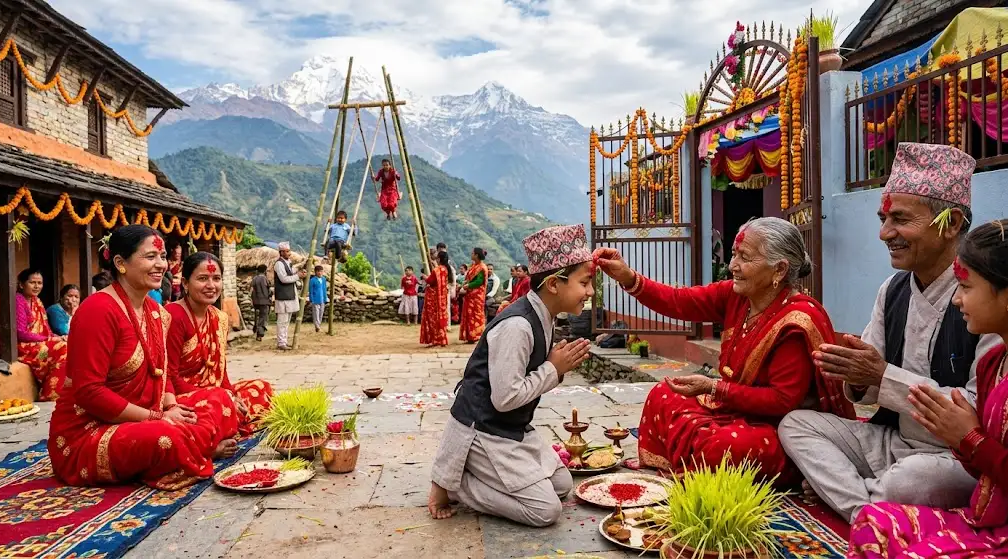
Dhorpatan is not only famous for mountains and wildlife but also for its local culture and traditional lifestyle. The area is home to different communities, especially the Magar people, who have their own language, customs, festivals, and ways of living.
Visitors can enjoy village walks, interact with local people, and learn about mountain traditions. Respecting local culture and asking permission before taking photos helps create a better experience for both travelers and communities.
- Local Communities:
- Magar communities are the main residents of the region.
- People depend on farming, animal raising, and local businesses.
- Traditional houses and village lifestyles are part of the Dhorpatan experience.
- Festivals & Traditions:
- Local festivals show the rich culture of mountain communities.
- Traditional music, dances, and local food are important parts of celebrations.
- Visitors can experience authentic village life during festival times.
- Dhorpatan Photography:
- Best photo spots include:
- Alpine grasslands
- Mountain viewpoints
- Local villages
- Wildlife areas
- Forest trails
- Early morning and evening offer the best light for photography.
- Motorcycle Adventure:
- Dhorpatan is a popular destination for motorcycle travelers.
- The rough mountain roads provide an exciting adventure.
- Riders should use proper safety gear and check road conditions before traveling.
- Places to Visit Near Dhorpatan:
- Jaljala Pass: A beautiful viewpoint with Himalayan scenery.
- Gurja Village: A peaceful village with local culture and mountain views.
- Dhaulagiri Region: Famous for trekking and spectacular peaks.
- Bukipatan: Known for open grasslands and wildlife viewing.
Exploring these nearby attractions makes a Dhorpatan trip more enjoyable and gives travelers a deeper connection with nature, culture, and local communities.
Similar to Dhorpatan, the Api Himal Trek offers peaceful trails and untouched mountain landscapes.
Conclusion
Dhorpatan Hunting Reserve is a special destination for travelers who want to experience Nepal beyond the usual trekking routes. With its peaceful trails, unique wildlife, beautiful mountain views, and rich local culture, Dhorpatan offers a different kind of Himalayan adventure. From trekking and photography to exploring local villages, every part of the journey creates memorable experiences.
With proper planning, the right permits, and reliable local support, your Dhorpatan trip can be safe and enjoyable. Whether you are a nature lover, adventure seeker, or someone looking for a quiet escape, Dhorpatan is a place worth adding to your Nepal travel list.
Frequently Asked Questions
Where is Dhorpatan Hunting Reserve?
Dhorpatan Hunting Reserve is located in western Nepal. It covers parts of Baglung, Myagdi, and Rukum East districts.
How high is Dhorpatan?
The altitude of Dhorpatan ranges from around 2,850 meters to 5,500 meters above sea level.
How much does a Dhorpatan trek cost?
A Dhorpatan trek can cost around $300 to $600 per person, depending on the route, transportation, guide, food, and accommodation.
Is Dhorpatan suitable for beginners?
Yes, Dhorpatan is suitable for beginners with good fitness. Hiring a local guide is recommended for first-time trekkers.
What animals live in the reserve?
Dhorpatan is home to blue sheep, Himalayan tahr, musk deer, leopard, wild boar, and many bird species.
Can tourists hunt in Dhorpatan?
Yes, but only under strict government rules. Tourists need special permission, licenses, and must follow hunting regulations.
What is the best time to visit Dhorpatan?
The best time to visit Dhorpatan is spring (March to May) and autumn (September to November) because of clear weather and better trekking conditions.
How far is Dhorpatan from Kathmandu?
Dhorpatan is about 350 km from Kathmandu. The journey usually takes around 12 to 15 hours by road.
Are guides mandatory for Dhorpatan trek?
A guide is not always mandatory, but hiring one is highly recommended for safety, navigation, and local knowledge.
What permits are required for Dhorpatan?
Visitors need an entry permit for Dhorpatan Hunting Reserve. Additional permits may be needed depending on the trekking route.
Where can I stay in Dhorpatan?
Travelers can stay in basic hotels, homestays, tea houses, or camping sites.
Is there internet in Dhorpatan?
Internet and mobile networks are limited. Some accommodations may provide basic Wi-Fi.
Can I travel to Dhorpatan by motorcycle?
Yes, motorcycles can reach Dhorpatan. However, riders should be prepared for rough roads and changing weather conditions.
What should I pack for Dhorpatan?
Pack warm clothes, trekking shoes, rain gear, personal medicine, snacks, a power bank, and essential travel items.
Is Dhorpatan worth visiting?
Yes, Dhorpatan is worth visiting for its wildlife, peaceful trails, mountain views, and unique local culture.