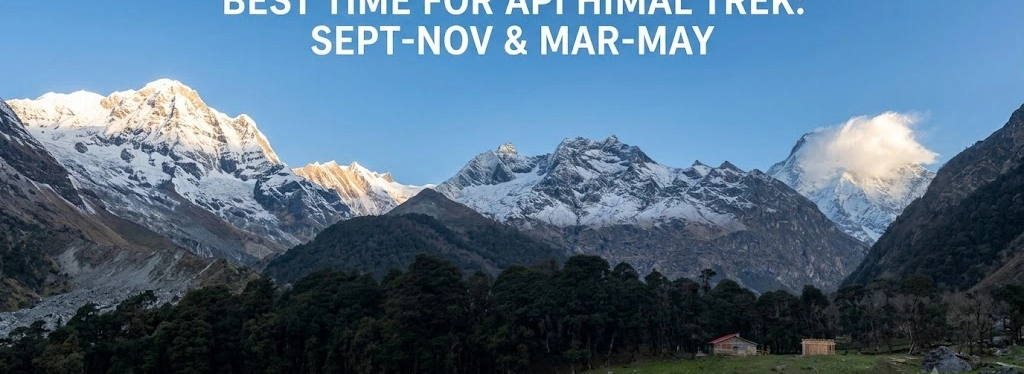
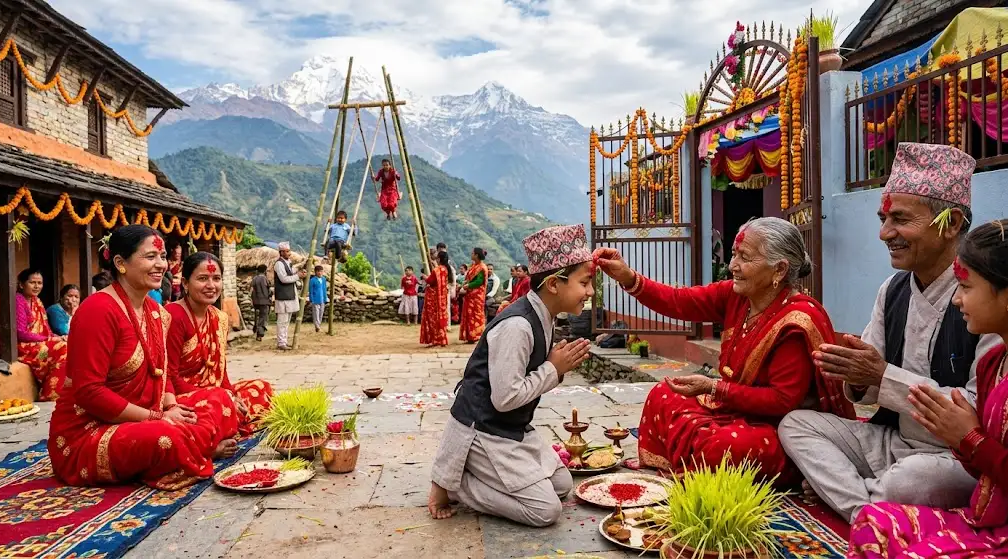
Have you ever wanted to trek in Nepal without walking on busy trails or sharing every viewpoint with large groups? Api Himal is often called Nepal’s “Best Kept Secret” because it offers a quiet and untouched trekking experience away from popular routes like Everest and Annapurna. With beautiful mountain views, local villages, and peaceful trails, it has become a great choice for people looking for something different. If you are wondering about the best time for api himal trek, the season you choose can make a big difference in your overall experience.
Api Himal is located in Far West Nepal, and the weather here does not always follow the same pattern as Nepal’s more famous trekking regions. Some months bring clear skies and comfortable temperatures, while others can bring rain, clouds, or colder conditions. In this guide, we will cover the best seasons to visit, especially spring and autumn, and also give a month-by-month breakdown of what you can expect during the trek.
Quick Overview: The Prime Trekking Windows
Before looking at each month in detail, it helps to know that there are two main seasons that are usually considered the best for trekking in Api Himal. These are the pre-monsoon season (Spring) and the post-monsoon season (Autumn). Both offer good weather and enjoyable trail conditions, but each gives a slightly different experience.
Spring (March to May) is a great time if you enjoy green hills, blooming rhododendron forests, and warmer temperatures during the trek. The trails feel fresh and colorful, although some periods can become slightly busier and weather may become less stable toward late May. Autumn (September to November) is popular for clear mountain views, dry trails, and more stable conditions. The downside is that nights become colder, especially in late autumn. This makes choosing the best time to trek nepal by month very important for both safety and overall enjoyment.
Understanding the Api Himal Climate
The weather in Api Himal is different from many other trekking regions in Nepal because this area sits in the Darchula district of Far West Nepal. It is influenced by two major systems, the dry winds from the Tibetan plateau and the wet monsoon coming from the Indian side. Because of this mix, the Api Himal trek climate can change quickly from season to season and even from lower valleys to higher mountains. This is why understanding Himalayan trekking weather is very important before planning your trip.
Altitude also affects the temperature in a big way. Lower villages along the trail are usually warmer and can feel humid during rainy months, while higher areas become much colder and more exposed. At Api Himal Base Camp, mornings and nights can be very cold even in good trekking seasons. If you go further up toward high passes like Nyalu La, you should expect stronger winds, lower temperatures, and possible snow depending on the month.
Why Weather Matters in Far West Nepal
Weather matters in Far West Nepal because this region is very remote and support services are limited compared to popular trekking areas like Khumbu. If the weather turns bad, it can be harder to get quick help or change plans easily, so choosing a safe trekking window becomes very important for both comfort and safety.
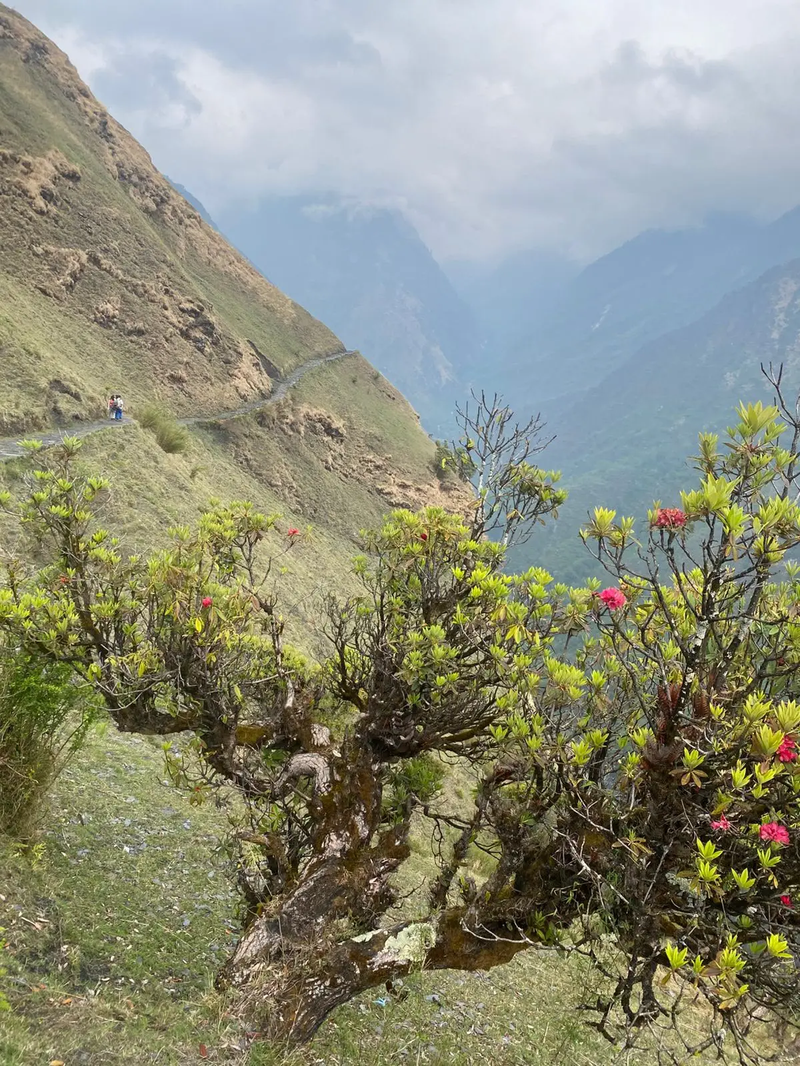
Rain and snow also affect the trail in different ways depending on altitude. In the lower hills, heavy monsoon rain can make paths muddy, slippery, and slow to walk. In higher areas, the same weather system often turns into snow, which can block routes and make crossing passes more difficult. This contrast between wet lowlands and snowy highlands is a key part of trekking in Api Himal.
Api Himal Trek in March
March marks the beginning of the trekking season in Api Himal. The weather is still influenced by winter, so higher passes may have leftover snow and some sections can be cold. Days are usually clearer, which gives good mountain views, but temperatures drop quickly at night.
- Temperature (Day): Around 5°C to 12°C
- Temperature (Night): Around -8°C to -15°C at higher elevations
- Trail Condition: Some snowy and frozen sections may remain
- Mountain Visibility: Usually very good in the morning
- Crowd Level: Low
This month is better suited for experienced trekkers who are comfortable walking in colder conditions and possibly on snowy sections. It is a quieter time on the trails, which some trekkers may prefer. Carrying warm layers and preparing for cold nights is strongly recommended.
Api Himal Trek in April
April is often seen as the best month for the Api Himal trek. The weather becomes more stable, temperatures are comfortable, and snow conditions are usually manageable. Lower trails become colorful with blooming flowers, making the scenery more vibrant and enjoyable.
- Temperature (Day): Around 8°C to 15°C
- Temperature (Night): Around -5°C to -10°C
- Trail Condition: Mostly dry with manageable snow in higher sections
- Mountain Visibility: Excellent
- Crowd Level: Medium
This month offers a good balance of clear skies and safe trail conditions, which is why it is highly recommended for most trekkers. April is especially popular for those who want comfortable weather together with colorful spring landscapes.
Api Himal Trek in May
May is warmer, and trekking becomes easier in terms of temperature. However, this is also when pre-monsoon weather starts to appear, so clouds can build up in the afternoon. Higher sections of the trail may become a bit slushy later in the day due to melting snow.
- Temperature (Day): Around 10°C to 18°C
- Temperature (Night): Around -2°C to -8°C
- Trail Condition: Mostly open but can become soft later in the day
- Mountain Visibility: Good in mornings, moderate in afternoons
- Rain Chance: Moderate toward late May
It is still a good month for trekking, but it is important to be ready for changing weather conditions and possible short showers, especially in the later part of the day. Starting early each morning usually gives better views and more stable weather.
The Alternative Season: Autumn (October – November)
Autumn is another top season for the Api Himal trek and is often considered equal to spring in terms of quality. This is the post monsoon period, so the skies become very clear and the mountains look sharp and detailed. The air is clean, and visibility is usually at its best during this time. The Api Himal trek climate in autumn is stable, with dry trails and consistent weather conditions.
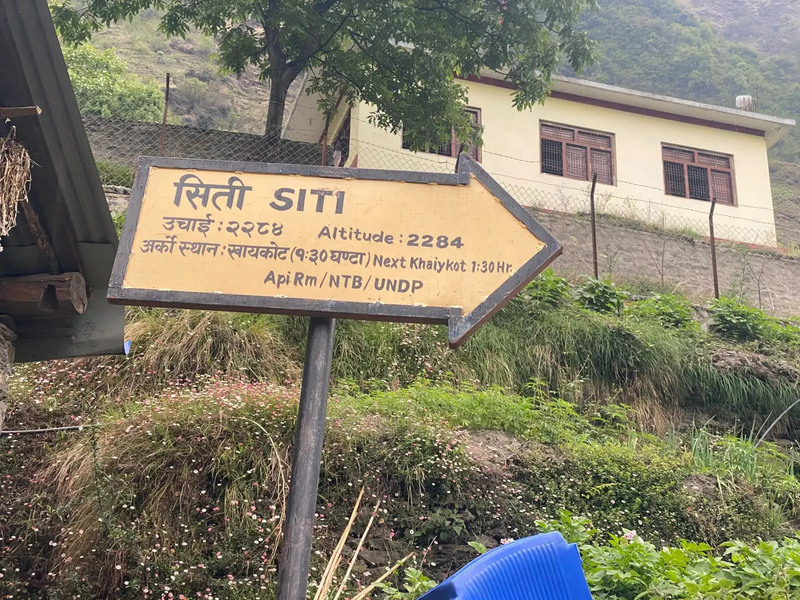
During this season, daytime temperatures are usually comfortable, but nights can get very cold, especially at higher places like Base Camp. Autumn is also slightly more active on the trails compared to other seasons, but it is still much quieter than popular regions like Everest or Annapurna.
Api Himal Trek in October
October is the peak trekking month in Api Himal. After the monsoon ends, the landscape becomes fresh and green, and the mountain views are often at their clearest. This is when most trekkers come, as the weather is stable and the scenery is at its best.
- Temperature (Day): Around 10°C to 18°C
- Temperature (Night): Around -5°C to -10°C at higher elevations
- Trail Condition: Dry and stable after monsoon
- Mountain Visibility: Excellent and usually the clearest of the year
- Crowd Level: Medium to high (still quieter than Everest and Annapurna)
- Rain Chance: Low
If you are searching for the best time for api himal trek, October is usually the most recommended month. It offers a great mix of good weather, strong visibility, and safe trail conditions. The combination of fresh post-monsoon landscapes and reliable weather makes October an excellent choice for both first-time and experienced trekkers.
Api Himal Trek in November
November brings colder temperatures, but the skies remain very clear. Days are usually bright and dry, while nights become much colder, especially at higher elevations. The trails are quieter compared to October, which can make the experience more peaceful.
- Temperature (Day): Around 7°C to 14°C
- Temperature (Night): Around -8°C to -15°C at higher elevations
- Trail Condition: Dry and easy to walk
- Mountain Visibility: Outstanding with crisp mountain views
- Crowd Level: Medium to low
- Snow Chance: Possible in higher sections late in the month
This month is especially good for photographers or trekkers who prefer sharp mountain views and do not mind cold mornings and nights. Since temperatures begin dropping more noticeably, carrying proper layers, gloves, and a warm sleeping setup becomes more important for comfort at higher camps.
The Off-Seasons: Summer and Winter
Summer and winter in Api Himal are generally not considered ideal trekking periods, but they can still attract a small number of experienced adventurers. These seasons bring more extreme conditions, which affect safety, visibility, and trail access. The Monsoon season api himal experience in summer and the Api Himal snow conditions in winter both require careful planning and advanced preparation.
Trekking in Monsoon (June – September)
The monsoon season brings heavy rainfall across the region, especially in the lower hills of Darchula. Trails become muddy and slippery, and leeches are common in forested areas. Cloud cover often blocks mountain views, which reduces one of the main highlights of the trek. Landslides can also affect access roads, making travel to and from the starting point more difficult.
- Temperature (Day): Around 15°C to 22°C
- Temperature (Night): Around 5°C to 10°C
- Trail Condition: Wet, muddy, and slippery in many sections
- Mountain Visibility: Poor to moderate due to cloud cover
- Rainfall Risk: Very high
- Crowd Level: Very low
- Landslide Risk: High in lower access areas
- Leeches: Common in forest sections
Because of these challenges, monsoon trekking in Api Himal is generally not recommended for most trekkers. While the landscape becomes very green, fresh, and full of life, safety risks and limited mountain visibility reduce the overall trekking experience. This season may still appeal to experienced trekkers who prefer remote conditions and do not mind unpredictable weather, but extra flexibility and preparation are necessary.
Trekking in Winter (December – February)
Winter in Api Himal is very cold, especially at higher elevations. Snowfall can block routes such as the Nyalu La Pass, and many teahouses or shelters may close during this period. The Api Himal snow conditions can make trekking slower and more physically demanding, even for experienced hikers.
- Temperature (Day): Around 0°C to 8°C
- Temperature (Night): Around -10°C to -20°C at higher elevations
- Trail Condition: Snow-covered with icy and frozen sections
- Mountain Visibility: Excellent on clear days
- Snowfall Risk: High at upper elevations
- Crowd Level: Very low
- Pass Accessibility: Some high passes may become blocked
- Accommodation Availability: Limited in remote sections during peak winter
Month-by-Month Weather at a Glance
A simple way to understand the best time for api himal trek is to compare each month side by side. This helps you quickly see temperature changes, rainfall chances, and how busy the trails might feel before you plan your trip.
Below is a table idea you can use in your blog design to make things clearer for readers:
This table gives a quick snapshot of Himalayan trekking weather in Api Himal and helps you compare conditions across the year in one place.
Essential Tips for Choosing Your Date
Choosing the best time for api himal trek is not only about weather. Other things like local festivals, transport availability, and permit planning can also affect your overall experience. Sometimes the trail may be perfect, but travel connections or local events can change your schedule, so it is important to plan ahead.
You should also think about flight availability to Dhangadhi or Simikot, since these are common entry points for reaching the Darchula region. During peak trekking seasons like October and April, flights can get fully booked faster than expected. It is also a good idea to prepare your gear in advance. You can check the [Himalayan Hero’s Packing List for High Altitude Treks] to make sure you are fully ready for changing conditions.
Access and Logistics Considerations
Access to Api Himal can be affected by weather, especially during the monsoon season. Heavy rain can make the bus journey to Darchula longer and less comfortable due to landslides or road damage. Flights to Simikot can also face delays or cancellations when the weather is not stable, which may affect your overall itinerary.
Another important step is permit planning. Trekking in this region requires proper permits, and it is better to arrange them in advance to avoid delays. During busy trekking months, local offices may also have higher demand, so early preparation helps keep your trip smooth and stress-free.
Api Himal Trek vs Other Popular Treks in Nepal: Which Season Offers the Best Experience?
Many trekkers compare Api Himal with Nepal’s more famous routes before deciding when and where to go. While the best time for Api Himal trek depends on weather and personal preference, understanding how the seasons compare with other regions can help you choose the right adventure.
Api Himal Base Camp Trek vs Everest Base Camp Trek
Everest Base Camp is known for world-famous views and established trekking infrastructure, but it is also much busier during peak seasons. Api Himal offers a quieter and more remote experience with fewer trekkers on the trail.
- Best season for Api Himal: April–May, October–November
- Best season for Everest Base Camp: March–May, October–November
- Crowds: Api Himal (Low) | Everest (High)
- Experience: Remote wilderness vs classic Himalayan route
If you prefer solitude and untouched landscapes, Api Himal can be a strong alternative.
Api Himal Trek vs Annapurna Base Camp
Annapurna Base Camp has easier access and more facilities, making it popular for first-time trekkers. Api Himal feels more adventurous and less commercial.
- Best season for both: Spring and Autumn
- Trail atmosphere: Api Himal (Remote) | ABC (Social and active)
- Difficulty: Moderate to challenging for both depending on conditions
Choose Api Himal if your goal is a less crowded trekking experience.
Api Himal vs Manaslu Circuit Trek
Manaslu is often selected by trekkers who want a remote experience without Everest-level crowds. Api Himal is even quieter and more isolated.
- Best season: October and April are excellent for both
- Accessibility: Manaslu is easier to organize
- Adventure factor: Api Himal offers a more off-the-beaten-path feeling
If you want a true hidden-gem trek in Far West Nepal, Api Himal stands out.
Which Trek Should You Choose?
- Choose Api Himal if you want fewer crowds, untouched trails, and a more authentic remote trekking experience.
- Choose Everest Base Camp if seeing Everest and experiencing Nepal’s most famous trek is your priority.
- Choose Annapurna Base Camp if you want easier logistics and a balanced trekking experience.
- Choose Manaslu Circuit if you want remote trekking with stronger infrastructure than Api Himal.
Summary & Final Recommendation
Ultimately, the best time for api himal trek comes down to two main seasons. Spring (April to May) is perfect if you want green landscapes, blooming rhododendrons, and fresh mountain scenery. Autumn (October to November) is best if you prefer clear skies, stable weather, and the sharpest mountain views.
Since Api Himal is located in the remote Far West of Nepal, the weather here can change more quickly than in popular trekking regions like Annapurna or Everest. This makes choosing the right season very important for both safety and overall enjoyment of the trek.
The Reward of Preparation
Planning your trek in the right season makes a big difference. While access roads, permits, and high pass conditions may need extra attention, the reward is worth it. You get a peaceful and less crowded journey through one of Nepal’s most untouched mountain regions, with strong views and a true wilderness experience.
By choosing the right months, you increase your chances of enjoying the trek fully, instead of facing heavy rain, blocked trails, or snow related difficulties.
Ready to Trek?
If you are ready to explore this hidden part of Nepal, it is best to plan your journey carefully and trek with local support for a safer and smoother experience.
Plan Your Api Himal Trek with Himalayan Hero
FAQs: Best Time for Api Himal Trek
What is the best time for Api Himal trek?
The best time for the Api Himal trek is during spring (April–May) and autumn (October–November). These months offer stable weather, clear mountain views, and safer trekking conditions compared to other seasons.
Is spring a good season for Api Himal trekking?
Yes, spring is one of the best trekking seasons. From March to May, the trails are green, rhododendrons bloom, and temperatures stay comfortable during the day. April is especially ideal for balanced weather and clear views.
Why is autumn recommended for Api Himal trek?
Autumn (October–November) is known for crystal-clear skies, dry trails, and the best visibility of the Himalayas. October is the peak month, while November is quieter but colder with sharp mountain views.
Can I trek Api Himal during monsoon season?
Monsoon (June–September) is generally not recommended. Heavy rainfall makes trails muddy and slippery, and landslides can disrupt travel routes. Cloud cover also hides mountain views most of the time.
Is winter a safe time for Api Himal trekking?
Winter (December–February) is very cold and snowy. High passes like Nyalu La may be blocked, and many teahouses close. It is only suitable for highly experienced or expedition-style trekkers.
How does altitude affect weather in Api Himal?
Weather changes quickly with altitude. Lower villages are warmer and humid during summer, while higher areas like base camp are cold year-round. Nights can drop below freezing even in peak trekking seasons.
Which month is the absolute best for Api Himal trek?
October is widely considered the single best month. It offers the perfect mix of stable weather, dry trails, and the clearest mountain views after the monsoon season.
Do weather conditions affect trek difficulty in Api Himal?
Yes, significantly. Good weather makes trekking easier and safer, while rain, snow, or wind can increase difficulty. Choosing the right season reduces risks and improves the overall experience.