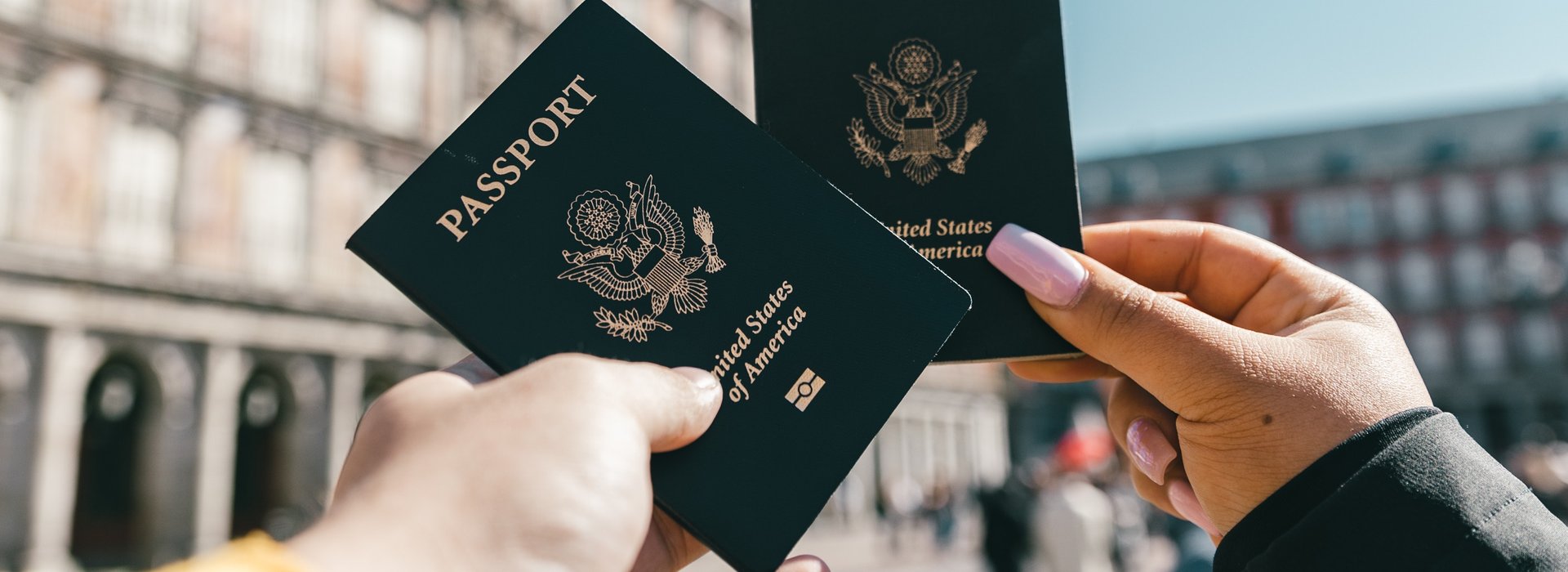
Planning a trip to Nepal and wondering, “Do I need a visa, and how much will it cost?” You are not the only one. Nepal visa information can be a little confusing, especially when you find old travel blogs talking about quarantine, COVID tests, hotel isolation and other rules that are no longer part of normal travel.
The good news is that getting a Nepal tourist visa in 2026 is fairly straightforward for most travelers. You can get one when you arrive or, with Nepal's new e-Visa system, apply before you even leave home.
In this blog, we cover the Nepal visa guide 2026, including visa fees, visa on arrival, the new e-Visa, countries that cannot get a visa on arrival, how to check your visa status, visa extensions, overstays, and special information for US and Indian citizens. We will also clear up one common confusion between a tourist visa and trekking permits.
What is the quick answer about getting a Nepal visa?
Most foreign travelers can get a Nepal tourist visa either on arrival at Kathmandu airport or a land border, or apply online through Nepal's new e-Visa system before traveling.
The standard fees are:
- 15 days: USD 30
- 30 days: USD 50
- 90 days: USD 125
All three options allow multiple entries.
Indian citizens do not need a visa to enter Nepal. There are also some other groups that receive free or gratis visas.
For most travelers from countries such as the USA, UK, Canada, Australia and EU countries, the process is quite simple.
Who needs a visa to enter Nepal?
Almost every foreign visitor needs a Nepal tourist visa, but there are a few important exceptions.
Which travelers can enter Nepal without paying the normal tourist visa fee?
Some travelers are eligible for free or gratis entry under Nepal's current rules.
These include:
- Indian citizens: No visa is required. They can enter with a valid passport or accepted Indian photo ID documents.
- Children under 10: Free visa, except children holding US passports.
- Non-Resident Nepali (NRN) card holders: Free entry regardless of nationality.
- Citizens of the People's Republic of China: Currently issued a gratis visa.
- SAARC nationals: Bangladesh, Bhutan, Maldives, Pakistan and Sri Lanka citizens can receive one free 30-day visa during their first visit in a calendar year.
Afghan citizens are an exception within the SAARC group and need prior clearance from Nepal's Department of Immigration.
If you are from the USA, UK, Canada, Australia or most European countries, you should expect to pay the standard tourist visa fee.
How much does a Nepal visa cost in 2026?
The Nepal tourist visa costs USD 30 for 15 days, USD 50 for 30 days and USD 125 for 90 days. The fees are the same whether you use the visa-on-arrival process or the new online e-Visa system.
| Visa Duration |
Fee |
Entries |
| 15 days |
USD 30 |
Multiple |
| 30 days |
USD 50 |
Multiple |
| 90 days |
USD 125 |
Multiple |
These prices have remained unchanged for several years.
Should you choose a 15-day or 30-day Nepal visa?
For a short city trip, the 15-day visa may be enough. But if you are coming to Nepal for trekking, the 30-day visa is often the safer choice.
Mountain trips do not always go exactly according to plan. A flight can be delayed, weather can stop a mountain flight, or you may need extra rest days because of altitude sickness.
If you already know you will be trekking for two or three weeks, paying for the 30-day visa gives you a little more breathing room.
Can you pay for a Nepal visa in any currency?
Visa-on-arrival payments must be made in cash, and USD is the safest option.
Bring clean US dollar notes because immigration officers may reject torn, stained or old-style bills. Indian rupees and Nepali rupees are not accepted for the visa fee.
If you use the e-Visa system, you can pay online by card.
How does Nepal visa on arrival work?
Visa on arrival is still one of the most common ways travelers enter Nepal. It is available at Tribhuvan International Airport in Kathmandu, as well as Pokhara and Gautam Buddha International Airport in Bhairahawa.
It is also available at major land borders with India and Tibet, including:
- Kakarbhitta
- Birgunj
- Bhairahawa
- Nepalgunj
- Gaddachowki
- Rasuwagadhi
What are the steps for getting a Nepal visa on arrival?
The process is not very complicated. If you prepare your details before flying, it can be even easier.
- Complete the arrival form online before your flight if possible through the Department of Immigration portal.
- Arrive in Nepal and follow the signs for visa on arrival.
- Use the self-service kiosk to scan your passport and take your photograph if you have not already submitted one.
- Pay the visa fee at the cashier counter. Cash, especially USD, is safest.
- Submit your passport and payment slip to the immigration officer.
- Receive your visa stamp and continue to baggage claim.
During the main trekking seasons, especially March to May and September to November, the airport can get busy.
There may be long queues when several international flights arrive around the same time. Give yourself some extra time, especially if you have another flight or transport connection after landing.
How does the new Nepal e-Visa work?
With the new e-Visa, eligible travelers can apply from home before traveling to Nepal.
The basic process is:
- Apply through the official Nepal e-Visa portal.
- Upload your passport copy and photograph.
- Pay the visa fee online by card.
- Wait for approval, usually around 24 hours.
- Receive the approved e-Visa by email.
- Print the e-Visa.
- Show it when checking in for your flight and when you arrive in Nepal.
The biggest difference is that you do not need to wait for a visa sticker to be processed at the airport counter.
What should you know before using the Nepal e-Visa?
There are a few things worth knowing before relying completely on the new system.
- The e-Visa must be used within six months from the date it is issued.
- The fees are the same as visa on arrival: USD 30, USD 50 or USD 125.
- Visa on arrival has not been discontinued.
- Both systems are currently running alongside each other during the transition.
- The same restricted nationalities cannot use the e-Visa or visa on arrival and must apply through a Nepali embassy.
Because the e-Visa system is still very new, you may find older travel websites saying that Nepal's online visa is not a real visa.
That information can now be outdated for late 2026 onward. Always check the official immigration portal before your flight.
Which countries cannot get a Nepal visa on arrival?
Citizens of certain countries cannot get a Nepal visa on arrival or use the e-Visa system. They must apply through a Nepali embassy or diplomatic mission before traveling.
The countries listed in the current guidance are:
- Nigeria
- Ghana
- Zimbabwe
- Cameroon
- Somalia
- Liberia
- Ethiopia
- Iraq
- Palestine
- Afghanistan
- Syria
- Iran
Iran was added in March 2026 because of security concerns connected to regional conflict.
The source guidance refers to this as a list of 13 excluded nationalities. Travelers using refugee travel documents, regardless of nationality, also need to arrange their visa through a Nepali diplomatic mission before traveling.
If your nationality is on the restricted list, do not simply arrive at Kathmandu airport expecting to receive a visa.
How can you check your Nepal visa status online?
You can check your Nepal visa application status online through the Department of Immigration's official tracking system.
This is particularly useful if you applied online and are waiting for your e-Visa or pre-arrival application.
What information do you need to check your Nepal visa status?
You will normally need your application reference number or passport number to search for your application.
The tracking service is available through the Nepaliport system at:
nepaliport.immigration.gov.np
If you applied through a Nepali embassy rather than online, contact that embassy's consular section directly. Embassy-issued visas may not always appear in the online tracking system.
If you received your visa on arrival and it has already been stamped into your passport, there is normally nothing left to check.
Can you extend a Nepal tourist visa?
Yes, Nepal tourist visas can be extended without leaving the country. The total permitted stay can be extended up to 150 days within a single calendar year, from January through December.
Visa extensions are handled at the Department of Immigration offices in Kathmandu or Pokhara.
They are not processed at the airport or in other cities.
How much does it cost to extend a Nepal visa?
The general extension cost starts at around USD 45 for the first 15 days, followed by roughly USD 3 for each additional day.
There may also be a small additional fee if you want to maintain multiple-entry privileges.
You should normally take:
- Your passport
- Visa extension form
- Passport photograph
- Required fee in cash
Processing can take from one to a few working days, so do not wait until the last day of your visa.
If you are staying in Nepal longer for trekking, tours or other travel, sort the extension early and avoid unnecessary stress.
What happens if you overstay your Nepal visa?
Overstaying your Nepal visa is an immigration violation. It is not something you should treat as a small paperwork problem.
The recent fee structure puts the daily overstay fine at around USD 3 to USD 5 per day, although the exact amount can change.
Because of this, it is better to confirm the current fee with the Department of Immigration before making payment.
Can you leave Nepal after your visa expires?
You should not plan to leave after your visa has expired.
The overstay fine starts from the day after your visa's listed expiry date, and the day you actually leave Nepal still counts.
If your flight is scheduled after your visa expires, extending the visa before it expires is the safer option.
Longer overstays can have much more serious consequences. Beyond 150 days of total stay in a calendar year, you can also face deportation and a formal ban on future entry, along with accumulated fines.
So, don't wait until the airport and hope everything will be sorted there.
Do US citizens need a visa for Nepal?
Yes, US citizens need a visa to enter Nepal.
American passport holders do not receive visa-free entry and do not get a special discount. However, there is no complicated additional process for US citizens.
You can choose between:
- 15-day visa: USD 30
- 30-day visa: USD 50
- 90-day visa: USD 125
US citizens can apply through the e-Visa system or get a visa on arrival.
One important exception is children under 10. The normal free visa for children under 10 does not apply to US passport holders.
Do Indian citizens need a visa for Nepal?
No. Indian citizens do not need a visa to enter Nepal.
A valid Indian passport can be used to enter Nepal. Some other government-issued photo identification documents may also be accepted at the border, including documents such as a voter ID card, Aadhaar card or photo driving licence.
Even though other IDs may be accepted in certain situations, carrying your passport is still the most reliable choice.
This is especially important if you are flying to Nepal because airlines may ask for a passport during check-in.
What is the difference between a Nepal tourist visa and trekking permits?
A Nepal tourist visa only gives you permission to enter and stay in Nepal. It does not automatically give you permission to trek in every trekking region.
This is a common mistake among first-time visitors.
If you are planning a trek in areas such as Everest, Annapurna, Manaslu or Langtang, you may need separate trekking permits and conservation area fees.
These are separate from your Nepal tourist visa and may be arranged after you arrive or through your trekking company.
So if you are planning a Himalayan trek, think of these as two different checklists:
Nepal visa = entry into Nepal
Trekking permits = permission and fees for your trekking region
Sorting out both before your trek will make the trip much smoother.
Final Thoughts: Check Your Nepal Visa Before You Fly
Getting a Nepal visa in 2026 is easier than it used to be for most travelers. You can either get a visa on arrival or use the new e-Visa system before your trip. For most nationalities, the main choices are USD 30 for 15 days, USD 50 for 30 days or USD 125 for 90 days. Indian citizens do not need a visa, while some nationalities have to apply through a Nepali embassy in advance.
If you are coming to Nepal for trekking, do not stop at the visa. Check the permits required for your trekking region too, and give yourself some extra days if your mountain itinerary allows it. Visa rules and fees can change with little notice, so always confirm the latest information with Nepal's Department of Immigration before booking your flight.
Planning to Trek in Nepal?
Getting your visa and permits ready is the first step, but a Himalayan trek needs a little more preparation. From choosing the right route and season to arranging permits, accommodation, transport and a reliable guide, planning early can save you a lot of last-minute stress.
If Nepal is already on your travel list, this is a good time to start planning. Himalayan Hero Adventures can help you prepare your trek properly, so when the time comes, you can focus less on the paperwork and more on the mountains, villages and moments you came to Nepal for.
Start planning your Nepal adventure with Himalayan Hero.
Frequently Asked Questions About Nepal Visa 2026
How much does a Nepal tourist visa cost?
A Nepal tourist visa costs USD 30 for 15 days, USD 50 for 30 days and USD 125 for 90 days. The same fees apply whether you get the visa on arrival or use the new e-Visa system.
Do US citizens need a visa for Nepal?
Yes. US citizens need a Nepal tourist visa. They can apply through the e-Visa system or get a visa on arrival and pay the standard tourist visa fee.
Is Nepal visa free for anyone?
Yes. Indian citizens do not need a visa, while some other groups receive free or gratis visas, including eligible children under 10, NRN card holders, Chinese citizens and certain SAARC nationals.
How many days can you stay in Nepal without a visa?
For most nationalities, there is no visa-free tourist stay. Indian citizens are the main exception because they do not need a visa to enter Nepal.
Can you leave Nepal one day after your visa expires?
You should not. The overstay period begins the day after your visa expires, and you can be charged an overstay fine. If your flight is after your visa expiry date, extend your visa first.
How can you check your Nepal visa status online?
You can use the visa application tracking service on Nepal's Department of Immigration Nepaliport portal. You will generally need your application reference number or passport number.
Which countries cannot get a Nepal visa on arrival?
The restricted list includes Nigeria, Ghana, Zimbabwe, Cameroon, Somalia, Liberia, Ethiopia, Iraq, Palestine, Afghanistan, Syria and Iran. Citizens of these countries need to arrange their visa through a Nepali diplomatic mission before traveling.
Does Nepal have a real e-Visa now?
Yes. Nepal's genuine e-Visa system went live on August 17, 2026. Eligible travelers can apply online, pay electronically and receive an approved visa by email before flying to Nepal.