What happens when a small Himalayan town becomes more than just a stop on a trekking map? Syabrubesi has long welcomed travelers heading toward Langtang Valley and Gosaikunda, offering mountain views, local hospitality, and a glimpse into everyday life in Rasuwa. But the 2026 Rasuwa disaster brought painful changes, affecting homes, roads, businesses, and families. Today, Syabrubesi is also a story of courage, recovery, and rebuilding.
In this blog, we’ll explore Syabrubesi as a gateway to some of Nepal’s most loved Himalayan trails while looking at the community’s journey after the disaster. Rather than focusing only on destruction, we’ll talk about recovery, responsible travel, and the role visitors can play when they return. Because sometimes, choosing where to stay, what to buy, and how to travel can quietly help a mountain community find its footing again.
TL;DR
- Location: Syabrubesi sits in Rasuwa, northern Nepal, and serves as a major roadhead for the Langtang region.
- Trekking hub: It is a popular starting point for journeys toward Langtang Valley, Gosaikunda, and nearby Himalayan trails.
- 2026 disaster: The 2026 Rasuwa disaster caused serious damage across the area, affecting communities, infrastructure, and local livelihoods.
- Tourism impact: With travel disrupted, many local businesses that depend on trekkers and visitors faced a difficult period.
- A chance to recover: Responsible tourism can help bring visitors, income, and confidence back to Syabrubesi while supporting the community’s long-term recovery.
What Is Syabrubesi?
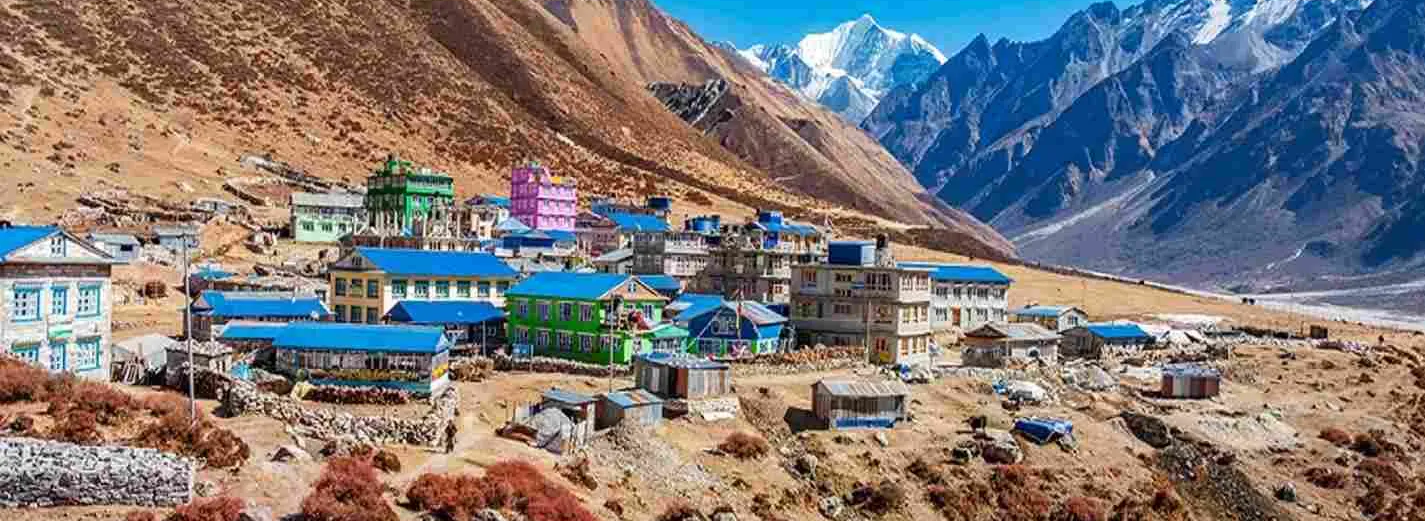
Syabrubesi is a mountain settlement in Rasuwa District of Bagmati Province, Nepal, and it is widely known as one of the main gateways to the Langtang region. Surrounded by green hills, rivers, forests, and rugged Himalayan landscapes, the town has developed as an important stop for trekkers and travelers. For many people, Syabrubesi is where the road journey starts turning into a proper mountain adventure, with small hotels, lodges, restaurants, shops, guides, and porters serving visitors along the way.
Travelers know Syabrubesi mainly because it provides access to Langtang Valley, Gosaikunda, and nearby trekking routes. Its location makes it an important link between Kathmandu and the high mountain trails of northern Nepal. But Syabrubesi isn't only a tourism gateway; it is also a home and working community where local families depend on farming, trade, transport, and tourism. Following the 2026 Rasuwa disaster, this role has taken on a deeper meaning as the settlement works toward recovery and hopes to welcome travelers again in a responsible and supportive way.
Why Is Syabrubesi Important?
Syabrubesi may look like a modest mountain town, but its importance reaches far beyond its size. It connects trekkers, pilgrims, local residents, transport workers, guides, porters, hotel owners, and small businesses with the wider Himalayan region. For some visitors, it is the first stop before a trek. For others, it is a place to rest, stock up, meet a guide, or simply catch their breath before heading higher.
Gateway to Langtang
For trekkers heading toward Langtang Valley, Syabrubesi is one of the best-known starting points. From here, the trail moves deeper into forests, mountain villages, and eventually toward the dramatic landscapes of Langtang. The town also gives trekkers a chance to arrange guides, porters, food, accommodation, and other essentials before leaving the road behind. In simple words, Syabrubesi is where the Langtang journey gets its boots on.
Gateway to Gosaikunda
Syabrubesi is also connected with trekking routes toward Gosaikunda, a sacred alpine lake and an important pilgrimage destination. The journey brings a different experience, mixing mountain scenery with religious significance. Hindu and Buddhist traditions have long shaped the cultural landscape around the region, so travel here isn't only about ticking another trail off a list. For many pilgrims and trekkers, reaching Gosaikunda carries a much more personal meaning.
Link to Kailash Routes
The wider Rasuwa region also has an important connection with travel toward the Nepal–China border and routes associated with Kailash pilgrimage journeys. Syabrubesi functions as part of this broader transport and travel network, particularly for people moving through northern Rasuwa. Border access, pilgrimage travel, tourism, and local transportation all overlap here. It makes the settlement strategically useful even for travelers whose final destination is far beyond Syabrubesi itself.
Lifeline for Local Tourism
This is perhaps the biggest reason Syabrubesi matters. Tourism here supports a whole chain of people, not just hotel owners. A single trekking group can mean work for a driver, guide, porter, lodge, restaurant, grocery shop, tea house, and local producer. Money spent by visitors moves through the community, sometimes in small amounts, but those small amounts add up. After the 2026 Rasuwa disaster, protecting and rebuilding this tourism connection has become especially important. Responsible visitors can help by using local services, respecting the community, and giving local businesses a fair chance to recover.
How to Reach Syabrubesi
Getting to Syabrubesi is part of the Himalayan experience. The traditional approach is from Kathmandu through Dhunche, with the road gradually changing from busy urban streets to winding mountain tracks. Travel conditions can vary quite a bit depending on weather, road maintenance, traffic, and seasonal conditions, so it is smart to keep some flexibility in your plans.
- Kathmandu to Syabrubesi: The usual overland route connects Kathmandu with Syabrubesi through Dhunche, the administrative center of Rasuwa District. The journey takes you through green hills, rivers, roadside settlements, and increasingly rugged mountain scenery. It is less about speed and more about watching the landscape change outside your window.
- Bus Travel: Buses are a common choice for budget-conscious travelers. They generally cost less than private transport and can be a good option if you don't mind a longer, less predictable journey. Mountain roads can be bumpy—consider it an unexpected massage with a Himalayan view.
- Jeep Travel: A private or shared jeep offers more flexibility and is often preferred by trekkers carrying backpacks or traveling in groups. Jeeps can make stops when needed and may feel more comfortable on winding sections of mountain road. The price is usually higher than taking a public bus, but splitting the cost among several travelers can make it more reasonable.
- Travel Time and Distance: Kathmandu to Syabrubesi is roughly 120–125 km by road, although the actual journey time can vary considerably. Depending on traffic, road conditions, weather, and the vehicle, travelers may spend several hours on the road. Mountain travel doesn't always follow the clock as neatly as city travel does, so leaving with a little extra time is a good idea.
- Dhunche to Syabrubesi: Dhunche and Syabrubesi are both important settlements along the route into the Langtang area. The drive between them is relatively short compared with the full Kathmandu journey, but the mountain terrain means the trip can still take time. Travelers often pass through Dhunche before continuing toward Syabrubesi and the trekking routes beyond.
Also Read : Recent Nepal Flood Update
What Is Syabrubesi Altitude?
Syabrubesi sits at around 1,550 meters (5,085 feet) above sea level. That makes it a relatively low starting point compared with the higher settlements along the Langtang trail. For trekkers, this matters because the body gets a chance to adjust gradually as the trail climbs. You may feel perfectly comfortable in Syabrubesi, but don't assume the same will be true several days later-the altitude increases steadily as you move deeper into the mountains.
The difference becomes noticeable when you compare Syabrubesi with places such as Langtang Village, at roughly 3,430 meters (11,250 feet), and Kyanjin Gompa, at about 3,870 meters (12,700 feet). That is a significant jump from the starting point. So, Syabrubesi is not just a convenient trailhead; it is also an important lower-altitude stop before heading higher. Taking the trek at a sensible pace, staying hydrated, and paying attention to how your body feels can make the climb much more comfortable.
What Treks Start Near Syabrubesi?
Syabrubesi is best known as the starting point for several journeys through the Langtang region. The routes can be adjusted depending on fitness, weather, available time, and personal interests, so it is better to think of them as connected trails rather than a strict timetable. The classic progression takes trekkers from the lower valley through forests and villages toward Langtang Village and eventually Kyanjin Gompa.
- Langtang Valley Trek: This is the classic choice from Syabrubesi. The route follows the Langtang Khola through forests, suspension bridges, and mountain settlements before opening into the wider Langtang Valley. A typical trek to Kyanjin Gompa takes around 5–7 days one way and back, depending on walking pace and acclimatization. The walking distance varies with the exact route and side trips, but the journey is commonly around 60–70 km in total.
- Syabrubesi to Lama Hotel: The first major section of the Langtang route leads toward Lama Hotel, passing through wooded hills and rivers. The walking distance is roughly 10–12 km, and many trekkers spend about 5–7 hours on this section. It can feel deceptively demanding because the trail climbs and dips through the forest—your legs may have opinions about it.
- Langtang Village Route: From Lama Hotel, the trail continues through places such as Langtang Village before heading toward higher ground. Langtang Village sits at around 3,430 meters, so the landscape and altitude both change noticeably compared with Syabrubesi. This section is ideal for travelers who want to experience traditional mountain settlements, forests, dramatic peaks, and the gradual transition into the high Himalayas.
- Kyanjin Gompa Trek: Kyanjin Gompa, at approximately 3,870 meters, is one of the main destinations in the Langtang Valley. Trekkers often continue beyond Langtang Village to reach the gompa and use the area as a base for exploring nearby viewpoints and high-altitude landscapes. Rather than rushing toward the destination, many travelers find that allowing enough time for acclimatization makes this part of the trek far more enjoyable.
How Does Langtang Connect Gosaikunda?
Langtang and Gosaikunda are part of the wider trekking network in Rasuwa, which means experienced trekkers can combine the two areas into a longer Himalayan journey. Instead of returning all the way to the lowlands after exploring Langtang, some routes cross higher mountain terrain and connect with the Gosaikunda area. The exact route depends on the trail chosen, weather, permits, and local conditions, but the attraction is pretty simple: one trip can bring together Langtang's dramatic valley, mountain villages, forests, and the sacred alpine landscape around Gosaikunda.
It is also worth clearing up a common mix-up. Syabrubesi and Dhunche are not the same place and do not serve exactly the same trekking purpose. Syabrubesi is the better-known traditional starting point for the Langtang Valley Trek, while Dhunche has traditionally been an important access point for Gosaikunda and other routes in the area. They are both in Rasuwa and are connected by the regional road network, but choosing one over the other depends on where your trek is actually heading.
Why Does Syabrubesi Matter to Kailash?
Syabrubesi matters to Kailash travel mainly because it sits within the broader Rasuwa travel and transport network leading toward the Nepal-China border. Farther north, the Rasuwagadhi–Kerung corridor provides an important overland connection between Nepal and Tibet, and this corridor is associated with journeys toward Mount Kailash and Lake Mansarovar. For pilgrims and travelers, Rasuwa therefore has significance that stretches well beyond trekking.
Still, it is important not to blur the roles of these places. Syabrubesi is primarily known as a gateway to Langtang and nearby trekking routes, while Rasuwagadhi and Kerung form the border corridor used for cross-border travel toward Tibet. Syabrubesi is part of the wider regional network rather than being the border crossing itself. That distinction makes the geography much easier to understand and saves you from looking at a trekking town and wondering where the actual international border went.
What Happened in Rasuwa in 2026?
The 2026 Rasuwa disaster was a major event that affected communities and infrastructure across northern Nepal, particularly around the Bhotekoshi corridor. Flooding and the draining of a barrier lake near the Nepal-China border contributed to widespread disruption, with impacts reported on roads, bridges, hydropower infrastructure, transport, and local livelihoods. Syabrubesi is part of this wider regional network, so the event also matters for tourism and travelers heading toward Langtang and other destinations in Rasuwa. As recovery continues, separating confirmed information from early estimates is important when understanding what happened and what comes next.
The August 2026 Disaster
In August 2026, severe flooding in the Bhotekoshi area of Rasuwa caused major disruption across northern Nepal. The disaster was associated with flooding and the sudden release of water from a barrier lake near the Nepal-China border. By August 30, reports said the barrier lake had fully drained, while authorities were still assessing the wider consequences. The event caused serious disruption to communities, infrastructure, transport links, and economic activity across the region.
Damage Across the Corridor
The damage extended beyond a single village or town. Floodwaters affected parts of the wider corridor, including roads, bridges, hydropower facilities, and other infrastructure. The Kathmandu Post reported that damage to Nepal's hydropower sector could potentially run into billions of rupees, although the final cost was still being assessed. That number should therefore be treated as an estimate rather than a completed damage assessment.
Impact on Syabrubesi
Syabrubesi is connected to the wider Rasuwa transport and tourism network, so major disruption in the district can have consequences for the settlement even when individual damage reports vary from place to place. Transport difficulties can affect the arrival of visitors and supplies, while trekking businesses, hotels, restaurants, guides, porters, and local shops may all feel the effects of reduced movement. The full local impact on Syabrubesi should be understood through detailed assessments as recovery work continues.
Impact on Travelers
For travelers, the biggest lesson is that mountain travel conditions can change quickly after a major disaster. Roads, bridges, trekking routes, and transport services may be affected, and information can change as authorities inspect and repair infrastructure. Anyone planning to visit the region should check the latest guidance from Nepalese authorities, local officials, trekking agencies, and transport providers before setting out. Responsible travel means putting safety first and giving the affected communities time and space to recover.
How Did the Flood Change Tourism?
The flood did more than damage roads and infrastructure; it disrupted the everyday tourism economy that keeps many mountain communities moving. In a place like Syabrubesi, one visitor rarely supports just one business. A trekker might hire a guide, use a porter, sleep at a teahouse, eat at a local restaurant, buy snacks from a shop, and travel with a local driver. When that visitor cannot reach the area, the financial effect can travel through the whole community.
- Trekking businesses: Trekking agencies and local operators can face fewer bookings when routes become difficult to access or travelers postpone their plans. Equipment suppliers and people who arrange permits, transportation, and logistics can also feel the slowdown.
- Guides and porters: Guides and porters depend heavily on trekking groups for seasonal income. Fewer visitors can mean fewer working days, which can be especially difficult for families that rely on tourism during the trekking seasons.
- Hotels and teahouses: Guesthouses, lodges, teahouses, and restaurants need a steady flow of visitors to keep their businesses running. When trekkers disappear, rooms stay empty and kitchens prepare fewer meals. It is a surprisingly large ripple from a single missing backpack.
- Transport and trade: Drivers, vehicle operators, suppliers, and local traders are also connected to tourism. If roads or bridges are disrupted, moving people and goods becomes harder. Shops may sell less, while farmers and local producers can lose an important customer base for food and other supplies.
- Pilgrimage routes: Rasuwa is connected not only with trekking but also with religious journeys, including routes associated with Gosaikunda and wider travel toward the Nepal-China border. Disruption to transport corridors can therefore affect pilgrims as well as recreational trekkers.
Ultimately, tourism in Syabrubesi works like a chain: when one link is broken, the others feel the strain. Recovery is therefore not simply about bringing trekkers back. It is about restoring safe access, rebuilding confidence, supporting local businesses, and allowing the many people behind the tourism experience to earn a living again.
Is Syabrubesi Still a Place of Hope?
Absolutely. A disaster can tear through roads, buildings, and livelihoods, but it cannot simply erase the identity of a place. Syabrubesi is more than a trekking gateway on a map. It is home to families, guides, porters, drivers, farmers, hotel owners, shopkeepers, and generations of people who know these mountains as home rather than scenery. The 2026 disaster brought enormous challenges, but the community's story does not have to end with the flood.
There is something powerful about the way mountain communities rebuild. A damaged trail can be repaired. A bridge can be replaced. A guesthouse can open its doors again. What takes longer is rebuilding confidence, and that is where responsible tourism can matter. Langtang's mountains are still there, local culture still carries its stories, and the people who make Syabrubesi feel welcoming are still part of its future. Recovery should not mean simply rebuilding what was lost; it can be a chance to build something safer, stronger, and better prepared for whatever comes next.
How Can Syabrubesi Recover?
Recovery needs more than a quick repair job. If Syabrubesi is going to become a stronger tourism gateway, rebuilding should consider both immediate needs and the risks of the future. Roads need to work, businesses need customers, residents need security, and visitors need reliable information. Most importantly, local people should have a central voice in deciding what recovery looks like.
- Rebuild safer infrastructure: Roads, bridges, drainage systems, communication networks, shelters, and public facilities should be repaired with future hazards in mind. Replacing something exactly as it was may not be enough if the original design left it vulnerable. Stronger construction and better planning can reduce future risks.
- Restore tourism businesses: Small hotels, teahouses, restaurants, trekking agencies, shops, and other local businesses need support while visitor numbers recover. Financial assistance, access to supplies, training, and practical business support can help owners reopen and keep local employment alive.
- Strengthen early warnings: Better monitoring, communication systems, evacuation plans, warning messages, and clearly identified safe areas can give residents and travelers precious time during an emergency. A warning system only works, though, if people know what the warning means and what to do next.
- Protect local livelihoods: Tourism should support the wider community, including farmers, drivers, guides, porters, shopkeepers, and local suppliers. Encouraging visitors to buy locally and use community-based services helps keep tourism income circulating rather than allowing it to disappear outside the area.
- Build disaster-ready tourism: The future of tourism in Syabrubesi should include emergency planning as part of normal operations. Hotels can have evacuation information, trekking operators can maintain emergency contacts, and travelers can be given clear guidance about changing conditions. It may not sound glamorous, but preparedness is one of those things you are very happy to have when you actually need it.
The goal isn't simply to bring Syabrubesi back to exactly where it was before 2026. The bigger opportunity is to help create a safer, more resilient mountain destination where residents can live and work with greater security and travelers can explore the region responsibly.
How Can Travelers Help Syabrubesi?
Travelers can play a useful role in Syabrubesi's recovery, but timing matters. Tourism should return only when authorities and local operators confirm that roads, trails, accommodation, and other facilities are safe to use. Once travel is considered safe, visitors don't need to do anything extraordinary. A few thoughtful choices can send money directly into the community and help local businesses get back on their feet.
- Travel responsibly: Check current travel and safety information before leaving. Follow local instructions, stay on approved routes, and be patient if plans need to change. In the mountains, flexibility isn't just convenient; sometimes it is essential.
- Support local businesses: Stay at locally owned hotels and teahouses, eat at local restaurants, and purchase supplies from community shops when possible. Even a cup of tea, a meal, or a small souvenir can contribute to someone's income.
- Hire local teams: When trekking resumes safely, consider hiring local guides, porters, drivers, and trekking operators. Their knowledge of the area is valuable, while the income they earn can directly support households in the region.
- Respect recovery zones: Disaster-affected areas are not tourist attractions. Avoid entering damaged buildings, restricted roads, rescue areas, or other places marked as unsafe. Taking dramatic photographs may seem harmless, but people living through recovery deserve privacy and respect.
- Share verified information: Before posting about conditions in Syabrubesi, check whether the information is current and comes from a reliable source. Old photographs, unconfirmed casualty figures, or outdated road information can create unnecessary fear or encourage people to travel somewhere that isn't ready for visitors.
The best kind of tourism recovery doesn't arrive like a noisy parade. It happens gradually, through visitors making sensible choices and local people having the opportunity to rebuild their businesses and lives on their own terms.
What Can Nepal Learn From Syabrubesi?
The story of Syabrubesi is not only about one mountain settlement recovering after a disaster. It raises a much bigger question for Nepal: how do we protect the places that tourism depends on while still allowing tourism to support the people who live there? Nepal's trekking destinations sit in beautiful but sometimes fragile environments, so recovery planning cannot stop at repairing what was damaged. The country has an opportunity to rethink how mountain infrastructure, tourism, and community safety fit together.
- Build Beyond Recovery: Rebuilding should not simply mean putting roads, bridges, hotels, and other facilities back exactly where they were. Safer designs, better drainage, stronger structures, sensible land-use planning, and improved access to emergency services can make future recovery less painful. A repaired bridge is useful; a safer bridge that can handle future risks is even better.
- Protect Mountain Communities: Tourism destinations are first and foremost people's homes. Development plans should consider residents, local businesses, farmers, guides, porters, and transport workers rather than treating communities as background scenery for visitors. When local people have a meaningful role in decisions, recovery is more likely to reflect what the area actually needs.
- Prepare for Climate Risk: Nepal's mountain regions face a range of environmental hazards, and planning needs to account for changing risks. Better monitoring, early-warning systems, emergency communication, evacuation planning, and local preparedness can help communities respond faster when something goes wrong. Nobody can control nature, but better preparation can reduce the damage.
- Strengthen Tourism Resilience: Tourism should be designed to withstand disruption rather than collapse whenever a road closes or a disaster occurs. Supporting local businesses, diversifying tourism products, improving emergency plans, and maintaining reliable information channels can help destinations recover faster. The aim isn't to make mountain travel risk-free, that would be unrealistic but to make tourism safer, more adaptable, and more community-focused.
Syabrubesi can therefore become more than a story about recovery. It can become a reminder that Nepal's tourism future depends on protecting the communities, landscapes, and infrastructure that make visitors want to come in the first place.
Visiting Syabrubesi After Recovery
A future trip to Syabrubesi can be a meaningful way to experience the Langtang region while supporting a community that has been through a difficult period. But recovery takes time, and travelers should not assume that a destination is ready simply because roads or hotels begin appearing online again. Before booking anything, take a few minutes to check the latest information and make sure your plans match the situation on the ground.
- Check Official Guidance: Look for recent updates from Nepalese government authorities, local administrations, tourism bodies, and other reliable sources. Check information about roads, trekking routes, permits, accommodation, and any areas that remain restricted or under repair.
- Choose Local Operators: When travel is considered safe, booking with local trekking agencies, guides, drivers, hotels, and guesthouses can help keep tourism income within the community. Local operators can also provide practical information about the conditions you may encounter.
- Plan Flexible Itineraries: Mountain travel rarely follows a perfect timetable. Weather, transportation, trail conditions, or unexpected changes can affect your plans. Leave some breathing room in your schedule rather than creating an itinerary so tight that one delay turns the whole trip upside down.
- Respect Community Needs: Remember that Syabrubesi is a living community, not simply a trekking checkpoint. Follow local instructions, respect recovery areas, avoid damaged or restricted sites, and ask before photographing sensitive situations. Being a considerate visitor matters just as much as carrying the right backpack.
When the time is right, visiting responsibly can become part of Syabrubesi's next chapter. The key is simple: verify first, travel thoughtfully, and let the local community guide the pace of recovery.
Visiting Syabrubesi After Recovery
Thinking about visiting Syabrubesi once recovery is well underway? A trip can be a wonderful way to experience the Langtang region while also putting some tourism income back into the local community. Still, don't assume everything is ready just because you see a few fresh photos or booking pages online. Mountain conditions can change, and recovery does not happen overnight. Before you book, check what is actually happening on the ground and plan your trip around reliable information.
- Check Official Guidance: Start with recent updates from Nepalese government authorities, local officials, tourism organizations, and other trusted sources. Check road access, trekking routes, permits, accommodation, and any areas that are still closed or being repaired.
- Choose Local Operators: When travel is confirmed as safe, consider booking local guides, drivers, trekking agencies, hotels, and guesthouses. Your spending can then reach the people and businesses working to rebuild their livelihoods. Local operators can also give you a much better picture of current conditions.
- Plan Flexible Itineraries: Mountain travel has a funny habit of ignoring your spreadsheet. Weather, road conditions, transportation delays, or trail changes can easily alter your plans. Keep extra time in your schedule and avoid booking everything so tightly that one unexpected delay ruins the entire trip.
- Respect Community Needs: Syabrubesi is a home first and a tourist destination second. Follow local instructions, stay away from restricted or damaged areas, and be thoughtful when taking photographs. People recovering from a disaster deserve privacy and dignity, not unwanted attention.
When the community is ready to welcome visitors again, responsible travelers can become part of Syabrubesi's recovery story. Check the facts, spend locally, travel with patience, and most importantly, listen to the people who call this Himalayan town home.
FAQs About Syabrubesi
Where is Syabrubesi located?
Syabrubesi is a town in Rasuwa District, Bagmati Province, Nepal, and the main gateway to Langtang Valley.
What is Syabrubesi known for?
Syabrubesi is best known as the starting point for the Langtang Valley Trek and other treks in the Langtang region.
What is Syabrubesi altitude?
Syabrubesi sits at approximately 1,550 meters (5,085 feet) above sea level.
How far is Syabrubesi from Kathmandu?
Syabrubesi is about 120–125 km from Kathmandu by road.
How do I reach Syabrubesi?
You can reach Syabrubesi from Kathmandu by public bus, jeep, or private vehicle. The journey usually takes around 6–8 hours, depending on road conditions.
How much is a bus to Syabrubesi?
A bus from Kathmandu to Syabrubesi generally costs around NPR 800–1,200, depending on the bus and season.
How much is a jeep to Syabrubesi?
A shared jeep usually costs around NPR 1,000–1,500 per person. A private jeep costs more depending on the group size and season.
Is Syabrubesi the Langtang Trek starting point?
Yes. Syabrubesi is the most common starting point for the Langtang Valley Trek.
How far is Lama Hotel from Syabrubesi?
Lama Hotel is about 6–7 hours of trekking from Syabrubesi, covering roughly 11 km.
How far is Kyanjin Gompa from Syabrubesi?
Kyanjin Gompa is roughly 22–25 km from Syabrubesi by trekking route and usually takes 2–3 days to reach.
What is the best time for Langtang?
The best times for the Langtang Valley Trek are spring (March–May) and autumn (September–November).
Is Langtang Valley difficult?
The Langtang Valley Trek is considered moderate in difficulty. Good fitness and preparation are recommended because of the altitude and long hiking days.
Where can I stay in Syabrubesi?
Syabrubesi has hotels, guesthouses, lodges, and teahouses offering basic accommodation and meals.
What happened to Syabrubesi in 2026?
Syabrubesi and the surrounding Langtang region have continued to recover and rebuild from past earthquake damage, while tourism and trekking services remain important to the local economy.
How can travelers help Syabrubesi recover?
Travelers can support Syabrubesi by staying in local hotels, eating at local restaurants, hiring local guides and porters, and buying locally made products.