Gosaikunda is one of Nepal's most famous high-altitude lakes, known for its natural beauty and deep religious importance. But where exactly is Gosaikunda, how high is it, and what should you know before trekking there?
In this guide, we cover everything you need to know about Gosaikunda, from its location and altitude to its religious significance, trekking routes, itinerary, difficulty, cost, accommodation and best time to visit. You will also learn how to reach Gosaikunda from Kathmandu and what to prepare before starting the trek.
What Is Gosaikunda and Where Is It Located?
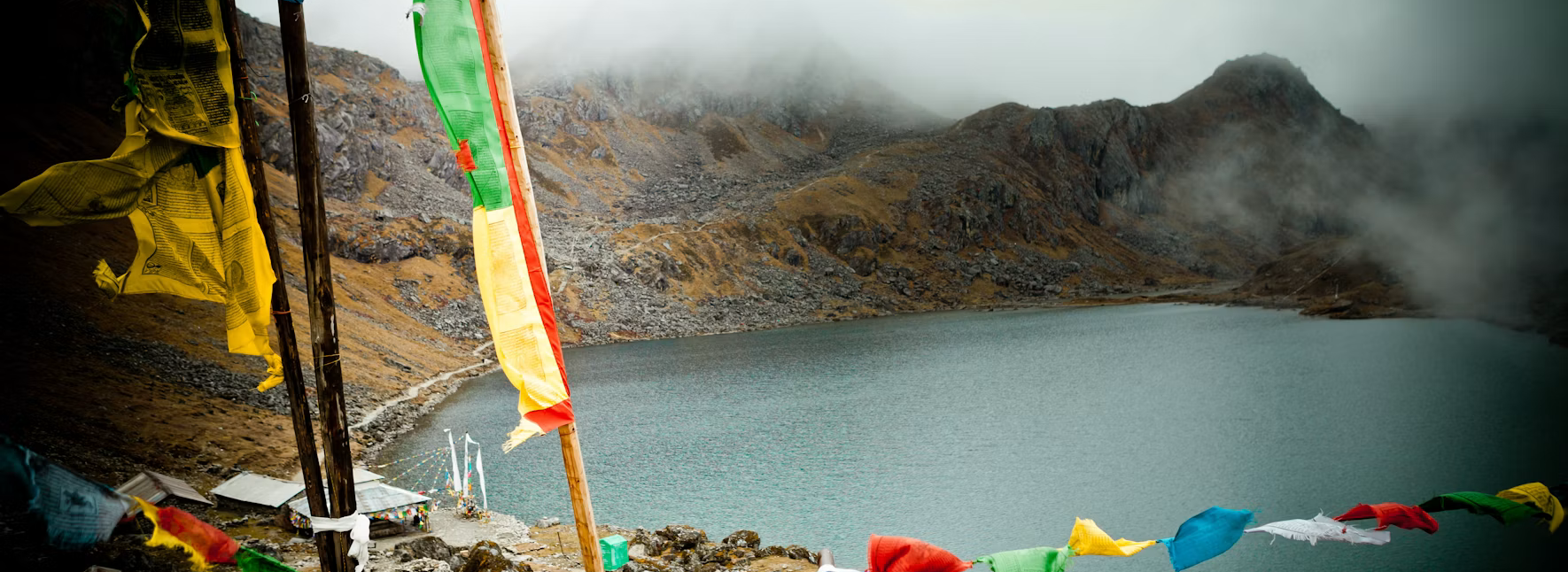
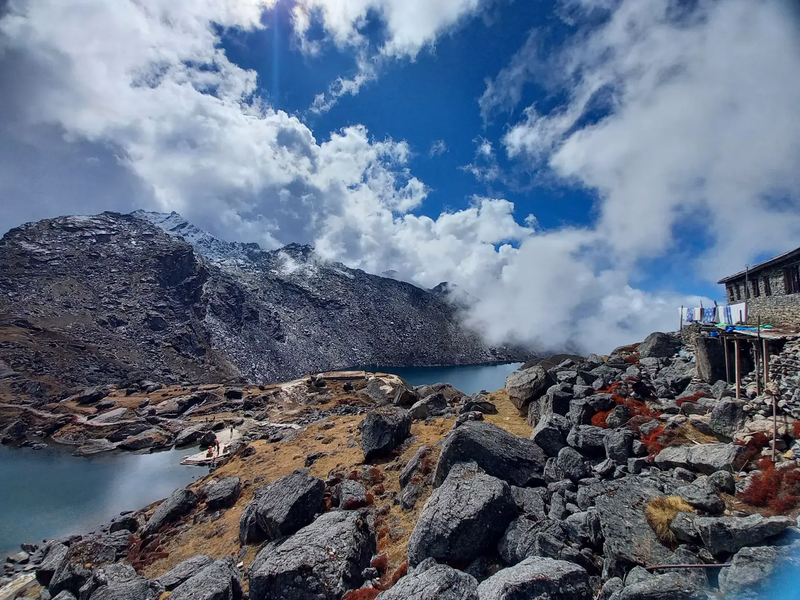
Gosaikunda is a sacred alpine freshwater lake in Rasuwa District of Nepal, within the Langtang region and Langtang National Park. It sits at about 4,380 meters (14,370 feet) above sea level and is part of a larger group of high-altitude lakes. Administratively, Gosaikunda falls within Gosaikunda Rural Municipality.
Gosaikunda is located north of Kathmandu in the central Himalayas. The lake is roughly 70 km by air from Kathmandu, although the actual travel distance is much longer because trekkers must first travel by road toward the trekking trailhead and then continue on foot. The area is known as Gosainkunda in some maps and travel references.
The wider Gosaikunda area is associated with a cluster of around 108 lakes, including nearby lakes such as Saraswati Kunda and Bhairab Kunda. The landscape combines high Himalayan terrain, rocky trails, alpine vegetation and mountain views.
If you are planning to explore this part of Nepal, you can also exploreLangtang region treks to see other trekking routes in the region.
Gosaikunda's Height and Altitude
Gosaikunda is located at an elevation of 4,380 meters (14,370 feet) above sea level. This high altitude makes the lake one of the major high-altitude destinations in the Langtang region. Trekkers should take the elevation seriously because the risk of altitude sickness or acute mountain sickness (AMS) increases as you climb higher.
The altitude gain is one reason why a Gosaikunda Trek should not be rushed. Headache, dizziness, nausea, unusual tiredness and loss of appetite can be early signs of AMS. Staying hydrated, walking at a steady pace and allowing enough time for acclimatization can help. If symptoms become worse, descending to a lower elevation is important.
How Gosaikunda's Altitude Compares to Other Nepal Treks
Gosaikunda is higher than Annapurna Base Camp but lower than Everest Base Camp. This makes it a relatively high-altitude trekking destination even though the trek can be completed in fewer days than some longer Himalayan routes
| Destination |
Approx. Elevation |
| Gosaikunda |
4,380 m |
| Annapurna Base Camp |
4,130 m |
| Everest Base Camp |
5,364 m |
The comparison shows why altitude preparation matters on the Gosaikunda Trek. Although Gosaikunda is not as high as Everest Base Camp, reaching 4,380 meters still places trekkers in an environment where altitude-related symptoms can occur.
The Religious and Cultural Significance of Gosaikunda
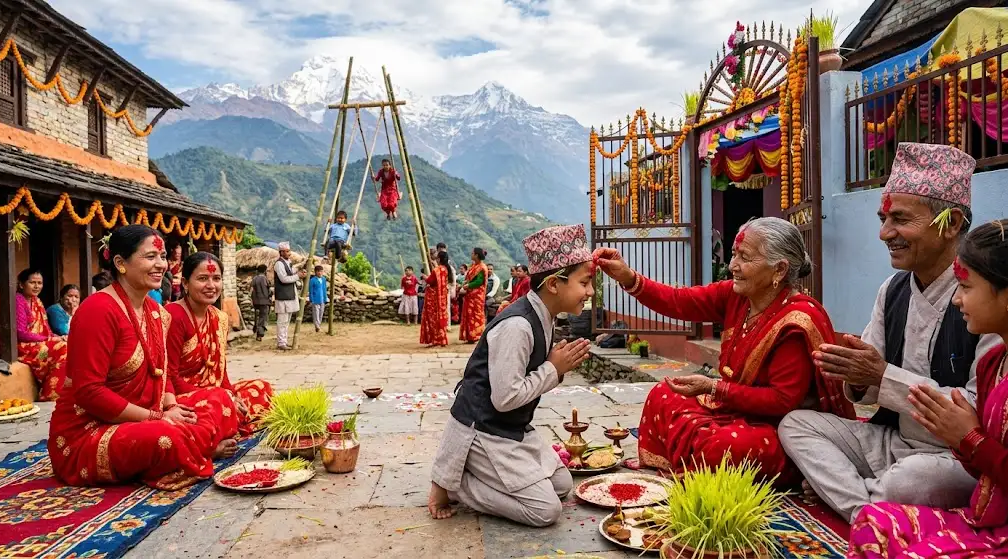
Gosaikunda is considered one of the most sacred lakes in Nepal, especially in Hindu tradition, and it is also respected by Buddhist communities. The lake is closely associated with Lord Shiva, and thousands of pilgrims travel to the high-altitude lake each year to pray, bathe in its waters and take part in religious traditions.
The most important pilgrimage period is Janai Purnima, the Hindu festival of the sacred thread. During this time, pilgrims make the difficult journey to Gosaikunda, often walking for several days through the Langtang mountains. The pilgrimage gives the area a cultural importance that goes far beyond its natural beauty.
The Hindu Legend of Gosaikunda
According to Hindu mythology, Gosaikunda was created by Lord Shiva. The story is connected with Samudra Manthan, the legendary churning of the cosmic ocean.
During the churning, a deadly poison called Halahala emerged and threatened the world. Shiva is believed to have swallowed the poison to protect all living beings. The poison caused intense heat and pain in his throat, so Shiva struck the ground with his trident, or trishul, creating a water source where he could cool himself.
This sacred water is traditionally associated with the formation of Gosaikunda. Because of this legend, many Hindu devotees consider bathing in the lake's waters spiritually meaningful.
Gosaikunda is also connected with several other sacred lakes in the surrounding area. The landscape therefore holds both religious and natural importance for visitors traveling through the Langtang region.
The Janai Purnima Festival
Janai Purnima is one of the most important pilgrimage occasions at Gosaikunda. It takes place on the full moon day of the Hindu month of Shrawan, which usually falls in July or August according to the Gregorian calendar.Pilgrims from different parts of Nepal travel to the lake during the festival. Many devotees take a ritual bath in Gosaikunda, offer prayers and change or receive the sacred thread known as Janai. Hindu priests and pilgrims gather around the lake as religious ceremonies take place.
The festival also attracts visitors who want to experience the cultural side of the Gosaikunda region. However, the trail can be crowded during this period, and weather conditions can be challenging because Janai Purnima falls during Nepal's monsoon season.For trekkers planning to visit during the festival, it is important to prepare for rain, slippery trails, limited accommodation and larger crowds. The journey can be culturally rewarding, but it requires more planning than a typical visit during the main autumn trekking season.
How to Trek to Gosaikunda: Routes and Itinerary
The Gosaikunda Trek can be reached through several routes, with Dhunche and Sundarijal being common starting points. You can also combine Langtang Valley and Gosaikunda in one trek, which is a popular choice for travelers who want to experience both the Langtang mountains and the sacred lake in a single journey.
A shorter itinerary can focus mainly on Gosaikunda, while a longer Langtang Gosaikunda Trek gives you more time to explore mountain villages, monasteries, forests, glaciers and high-altitude landscapes. The best route depends on your available time, fitness and trekking experience.
Standard Route: Dhunche or Sundarijal Start
The Dhunche route is one of the most practical ways to reach Gosaikunda. From Kathmandu, you travel by road toward Dhunche and then begin trekking through forests and mountain villages. The route commonly passes through Thulo Syabru and Lauribina before reaching Gosaikunda.
| Day |
Route |
Activity |
| Day 1 |
Kathmandu to Dhunche |
Drive |
| Day 2 |
Dhunche to Thulo Syabru |
Trek |
| Day 3 |
Thulo Syabru to Lauribina |
Trek |
| Day 4 |
Lauribina to Gosaikunda |
Trek |
| Day 5 |
Gosaikunda to lower elevation |
Trek |
| Day 6 |
Return toward Kathmandu |
Drive |
The exact overnight stops can change depending on the trekking company's itinerary, trail conditions and walking pace.
The Sundarijal route approaches the Gosaikunda area through Shivapuri and Helambu. It is particularly useful for trekkers who want to create a longer route rather than simply visiting the lake and returning by the same trail.
Can You Do Langtang and Gosaikunda Together?
Yes, you can do Langtang and Gosaikunda together, and it is one of the best ways to experience the wider Langtang region. A combined Langtang Gosaikunda Trek usually takes more days than a direct Gosaikunda trek but gives you two very different experiences in one journey.
The route can include Lama Hotel, Langtang Village, Kyanjin Gompa, Thulo Syabru, Lauribina and Gosaikunda. Depending on the itinerary, trekkers can travel from the Langtang Valley toward Gosaikunda and continue through the Helambu side.
This combined trek is a good option if you want:
- Langtang Valley mountain scenery
- Kyanjin Gompa
- Traditional Tamang villages
- Gosaikunda Lake
- High-altitude landscapes
- Buddhist monasteries
- Forest trails and rhododendrons
- A longer Himalayan trekking experience
Instead of doing two separate trips, combining the routes allows you to explore more of the region in one continuous journey.
If you are planning this route, you can Book the Langtang Gosaikunda Trek with Himalayan Hero Adventures and arrange the itinerary, permits, accommodation, transportation and guide support in advance.
Can Gosaikunda Be Combined With Helambu?
Yes. Gosaikunda can also be combined with Helambu to create a longer trekking route. After visiting the lake, trekkers can continue toward the Helambu region instead of returning directly to Dhunche.
This option is useful for travelers who want a more varied trek with mountain scenery, forests, villages and cultural experiences. It also provides a natural way to finish the trek closer to Kathmandu rather than retracing the entire route.
Permits and Paperwork Required
Trekkers entering the Gosaikundaarea through Langtang National Park generally need a Langtang National Park entry permit. Depending on the current regulations and trekking arrangement, a TIMS card may also be required.
Permit rules and fees can change, so confirm the latest requirements before starting your trek. A registered trekking company can arrange the required paperwork and help make sure your permits match the route you are taking.
Before departure, keep these documents and arrangements ready:
- Valid passport
- Required trekking permits
- TIMS card if applicable
- Travel insurance
- Emergency contact details
- Copies of important documents
- Trekking agency and guide contact information
For a Langtang Gosaikunda Trek, make sure your permits cover the complete route rather than only the first section of the journey.
Best Time to Visit Gosaikunda
The best time to visit Gosaikunda is spring and autumn, especially from March to May and September to November. During these months, the weather is generally more suitable for trekking, mountain views are often clearer, and trail conditions are more manageable. Autumn is especially popular because of stable weather and good visibility.
- Spring (March to May): A great season for trekking, with warmer days, blooming rhododendrons and generally good mountain views. April and May are particularly pleasant before the monsoon begins.
- Autumn (September to November): Often considered the best overall trekking season. The monsoon usually clears the atmosphere, giving clearer mountain views and more comfortable trails. October and November are particularly popular.
- Winter (December to February): Gosaikunda can become extremely cold, and the lake may freeze during periods of severe winter weather. Snow can cover sections of the trail, making the trek more challenging. Experienced trekkers with proper winter equipment may still visit.
- Monsoon (June to August): Rain can make trails wet and slippery, while clouds can reduce mountain visibility. Landslides and road conditions can also affect access to the trailhead. However, Janai Purnima usually falls in July or August, attracting large numbers of pilgrims to Gosaikunda despite the monsoon conditions.
If your priority is comfortable trekking and clear Himalayan views, October and November are among the strongest choices. If you want to experience the religious atmosphere of Janai Purnima, visiting during the monsoon requires more preparation for rain, crowds and changing trail conditions.
Difficulty, Fitness Requirements, and What to Expect
The Gosaikunda Trek is generally considered moderate to challenging because the route reaches around 4,380 meters and includes steep uphill sections, uneven trails and long walking days. You do not need technical climbing skills, but a reasonable level of fitness and good preparation are important for enjoying the trek safely.
The trail passes through forests, mountain villages and high-altitude landscapes, with basic teahouse accommodation along the way. As you gain elevation, temperatures become colder and facilities become simpler, so proper clothing, hydration and gradual acclimatization are important.
Fitness Level and Daily Walking Hours
You should be comfortable walking uphill and downhill for several hours a day before starting the trek. Most trekking days involve around 5 to 7 hours of walking, although the actual duration depends on the route, weather, walking pace and overnight stops.
A good preparation plan can include regular hiking, brisk walking, stair climbing and leg-strength exercises. If you are new to high-altitude trekking, choose an itinerary that does not rush the climb to Gosaikunda.
An acclimatization or rest day can be added on longer itineraries, particularly when combining Langtang Valley and Gosaikunda. It gives your body more time to adjust to the increasing altitude and can make the higher sections more manageable.
Accommodation and What to Pack
Accommodation on the Gosaikunda route is mainly provided by local teahouses and lodges. Rooms are usually basic, with beds and blankets, while bathrooms are often shared. Facilities become more limited at higher elevations, and hot showers, electricity and Wi-Fi may not always be available.
For the trek, pack according to both altitude and changing mountain weather. Essential items include:
- Comfortable trekking boots
- Base layers and trekking clothes
- Fleece or warm mid-layer
- Down or insulated jacket
- Waterproof jacket
- Warm hat and gloves
- Warm trekking socks
- Sunglasses and sunscreen
- Water bottles and purification tablets
- Trekking poles
- Headlamp
- Personal medication and basic first-aid supplies
- Sleeping bag suitable for cold temperatures
- Power bank
- Small backpack and rain cover
Do not pack more than you need. A lighter backpack is much easier to carry on steep trails, especially as you approach Gosaikunda's 4,380-meter altitude.
Gosaikunda Trek Cost
The Gosaikunda Trek cost depends on the trekking duration, route, group size, guide or porter service, transportation, accommodation and meals. Since prices and permit fees can change, check the latest 2026 rates before booking rather than relying on old figures.
What's Included in a Package Price
A typical guided package may include:
- Trekking guide
- Porter service, if selected
- Teahouse accommodation
- Meals during the trek
- Kathmandu to trailhead transportation
- Return transportation
- Basic trekking arrangements
- Guide and porter expenses
Permit and Entry Fees
Permit costs are generally handled as part of the trekking arrangements and may include:
- Langtang National Park entry permit
- TIMS card, if currently required
- Applicable local or route fees
- Permit processing or arrangement services
Note: Exact costs should be confirmed with the trekking company using the current 2026 government rates. Personal expenses such as snacks, drinks, hot showers, charging, tips, insurance and emergency costs are normally additional.
Common Mistakes and Risks to Know Before You Go
The Gosaikunda Trek is achievable with good preparation, but the altitude, changing weather, and mountain terrain should not be underestimated. Most problems can be reduced by choosing a realistic itinerary, preparing physically, carrying suitable clothing and following basic high-altitude trekking safety practices.
- Ignoring altitude symptoms: Gosaikunda sits at around 4,380 meters, so altitude sickness is a real concern. Do not ignore persistent headache, dizziness, nausea, unusual tiredness, or breathing problems. If symptoms worsen, descend and seek medical help.
- Walking too fast: Trying to reach Gosaikunda quickly can make altitude adjustment harder. Maintain a steady pace and allow enough time for acclimatization, especially on longer Langtang Gosaikunda itineraries.
- Underestimating the trek: The route includes steep climbs, uneven trails and several hours of walking each day. Regular hiking and cardio training before the trip can make the journey much easier.
- Ignoring mountain weather: Weather can change quickly at higher elevations. Rain, fog, snow, and cold temperatures can affect visibility and trail conditions, so carry waterproof and warm layers even when the forecast looks good.
- Packing too little: Lightweight packing is useful, but do not leave out essential cold-weather equipment. Warm clothing, good trekking shoes, water purification, sunscreen, a headlamp, and personal medication are important.
- Choosing an overly short itinerary: A shorter trek is not always a better trek. Rushing the route can increase fatigue and altitude-related problems. Choose an itinerary based on your fitness and experience rather than only the number of days.
- Trekking independently without understanding the route: Some experienced trekkers may prefer independent travel, but a local guide provides navigation, local knowledge, communication, and support when weather or trail conditions change.
- Not checking current conditions: Trail conditions, transportation, permits, and accommodation availability can change. Confirm the latest information before leaving Kathmandu.
Good preparation does not remove every mountain risk, but it can greatly reduce avoidable problems and make the Gosaikunda Trek safer and more enjoyable.
Conclusion
Gosaikunda is more than a beautiful high-altitude lake in Nepal. Located at 4,380 meters in the Langtang region, it is an important Hindu pilgrimage site, a popular trekking destination and part of a spectacular Himalayan landscape. Its religious history, mountain scenery and traditional villages make the journey special.
You can reach Gosaikunda through routes from Dhunche or Sundarijal, or make the experience longer by combining it with the Langtang Valley and Helambu. With the right itinerary, physical preparation, warm clothing and proper acclimatization, the trek can be a rewarding Himalayan adventure.
If you want to explore both the Langtang Valley and sacred Gosaikunda Lake, consider joining a professionally organized Langtang Gosaikunda Trek withHimalayan Hero. A local guide can help with route planning, permits, accommodation and trekking logistics, so you can focus on enjoying the mountains.
Frequently Asked Questions About Gosaikunda
Is Gosaikunda Trek difficult?
Gosaikunda Trek is moderately challenging because the trail reaches about 4,380 meters, with steep sections, long walking days and changing mountain weather. Good fitness, proper preparation and gradual acclimatization make the trek more manageable.
How do I go to Gosaikunda from Kathmandu?
You can travel from Kathmandu to Dhunche by road and start trekking from there, or choose a longer route through Sundarijal and Helambu depending on your itinerary.
Where is Gosaikunda located in Nepal?
Gosaikunda is located in Rasuwa District of Bagmati Province inside Langtang National Park, at an elevation of about 4,380 meters.
How long does the Gosaikunda Trek take?
The Gosaikunda Trek usually takes around 5 to 7 days, while combining it with Langtang Valley or Helambu requires additional days.
Do we need a permit for Gosaikunda Trek?
Yes, trekkers generally need a Langtang National Park entry permit, while TIMS requirements depend on current regulations and the type of trekking arrangement.
How much does the Gosaikunda Trek cost?
The cost depends on the route, duration, group size, guide, accommodation, meals, transportation and current permit fees, so prices should be confirmed with the trekking company before booking.
Which month is best for Gosaikunda Trek?
October and November are among the best months for Gosaikunda Trek because of generally stable weather and good mountain visibility, while March to May is also a popular season.
Why is Gosaikunda famous?
Gosaikunda is famous for its sacred lake, connection with Lord Shiva, annual Janai Purnima pilgrimage and spectacular Himalayan surroundings in the Langtang region.