What Is Birendra Lake?
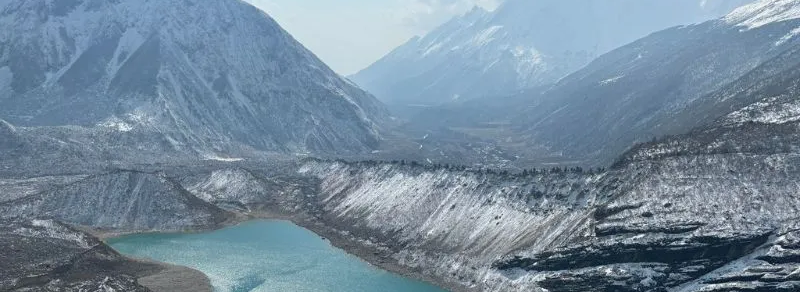
Birendra Lake, also called Birendra Tal, is a high-altitude glacial lake near Samagaun in Nepal's Manaslu region. The lake sits in a rugged Himalayan landscape surrounded by rocky slopes, glaciers, and enormous mountain walls.
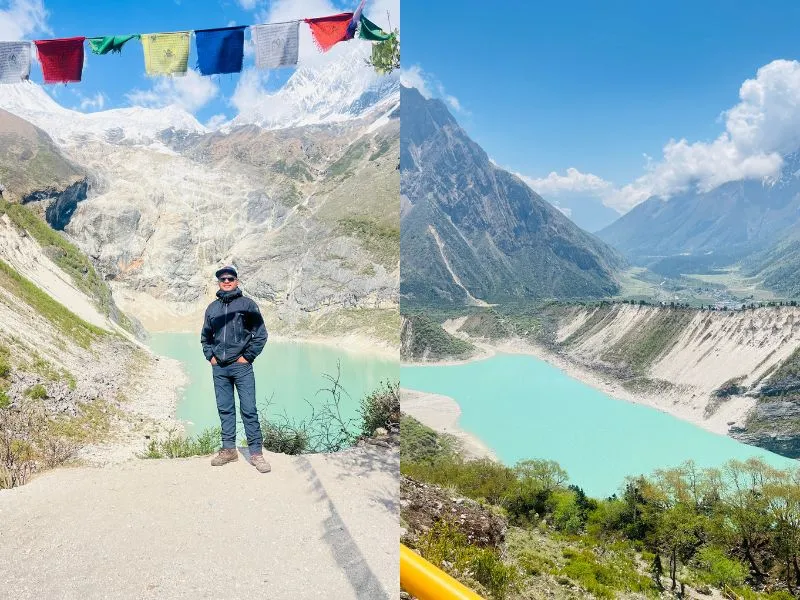
What makes it memorable is not simply the water. The whole setting is the attraction. On a clear day, the combination of turquoise water, barren alpine terrain, snow-covered peaks, and the immense presence of Mount Manaslu makes the short walk feel much bigger than it looks on a map.
Where Is Birendra Lake?
Birendra Lake lies close to Samagaun, one of the most important villages on the Manaslu Circuit. Samagaun is where many trekkers stop for acclimatization before continuing toward Samdo, Larkya La, and the higher sections of the circuit.
From the village, the lake is reached by following a mountain trail toward the Manaslu Base Camp side of the valley. The route passes through open terrain where the landscape gradually becomes more rugged and distinctly alpine.
Location Near Samagaun
Samagaun is the practical base for visiting Birendra Lake. Most trekkers already spend time here as part of their Manaslu Circuit itinerary, so visiting the lake does not normally require adding a separate trekking trip.
That is one reason I like this side trip. You are not spending several extra days just to reach the attraction. Instead, you can use your acclimatization day in Samagaun to explore the surrounding landscape while giving your body time to adjust to the altitude.
Altitude and Trail Distance
Birendra Lake sits at roughly 3,650 meters above sea level, although published elevations can vary slightly depending on the source and mapping method. At this altitude, even a short walk deserves respect because the air is noticeably thinner than it was lower down.
The exact walking distance depends on where you start in Samagaun and which trail variation you follow. In practical terms, it is a relatively short outing, but the uneven ground and altitude can make it feel more demanding than the distance suggests.
How to Reach Birendra Lake
Reaching Birendra Lake is straightforward when you are already staying in Samagaun. The important part is not getting lost or rushing because the route is short. At altitude, there is little prize for walking faster than necessary.
Your guide can confirm the current trail conditions before you leave. Paths can change because of weather, erosion, snow, or small landslides, so following the route used locally that day is much wiser than blindly following an old GPS track.
Step 1: Reach Samagaun
First, you need to reach Samagaun as part of the Manaslu Circuit Trek. The approach normally takes several trekking days through the Budhi Gandaki valley, with the landscape changing dramatically as you climb.
Samagaun is already a significant altitude stop, so many itineraries include an acclimatization day here. That gives you the perfect opportunity to explore Birendra Lake without treating the visit as a separate expedition.
Step 2: Follow the Trail Toward Birendra Lake
From Samagaun, follow the local trail leading toward the lake and the Manaslu Base Camp area. The path crosses open mountain terrain, with increasingly dramatic views as you move away from the village.
The route is not a paved walking path, and you should expect rocks, loose ground, and potentially snowy or icy patches depending on the season. Keep your pace comfortable. This is a mountain walk, not a race to collect a photograph.
Step 3: Return to Samagaun
After spending time beside the lake, return to Samagaun using the same general route. Many trekkers can complete the outing within several hours, depending on walking speed, stops, weather, and how much time they spend taking photographs.
I recommend leaving enough daylight for the return journey. Mountain weather can change quickly, and a relaxed return is much better than discovering that your “easy little walk” has turned into a hurried afternoon scramble.
Why Visit Birendra Lake?
The biggest reason to visit Birendra Lake is simple: the scenery is exceptional. But there is another advantage that often gets overlooked. Because the lake is close to Samagaun, it can fit naturally into an acclimatization day on the Manaslu Circuit.
Instead of spending the entire day sitting inside a lodge, you can take a measured walk, enjoy the mountain environment, and return for food and rest. That makes the lake useful as well as beautiful.
Mountain Views and Reflections
When the weather cooperates, Birendra Lake offers striking views toward the Manaslu mountain landscape. The surrounding peaks and rocky slopes create a dramatic backdrop, while the lake adds a calm foreground.
The visual contrast is fantastic. One minute you are staring at enormous Himalayan walls, and the next you are watching tiny ripples move across the water. If the wind is gentle, the surface can create beautiful reflections that make the mountains look almost unreal.
Glacial Landscape
The lake belongs to a landscape shaped by glaciers, snow, ice, and long-term geological forces. Around you, the environment becomes increasingly sparse, with vegetation giving way to rock, gravel, and cold alpine terrain.
That raw setting is part of the appeal. Birendra Lake is not surrounded by restaurants, souvenir shops, or developed viewpoints. It feels like a natural Himalayan place, and honestly, that is exactly what makes the visit worthwhile.
Acclimatization Benefits
A Birendra Lake walk can be a useful part of an acclimatization day because you gain some gentle activity while remaining based in Samagaun. The key word here is gentle. The goal is not to exhaust yourself.
Listen to your body. Headache, unusual tiredness, dizziness, nausea, poor coordination, or worsening symptoms should never be brushed aside simply because the lake is nearby. If you feel unwell, tell your guide and return to a lower altitude if necessary.
Best Time to Visit Birendra Lake
Spring and autumn are generally the most attractive periods for the Manaslu region because conditions are often more favorable for trekking and mountain views. Even then, Himalayan weather is never guaranteed.
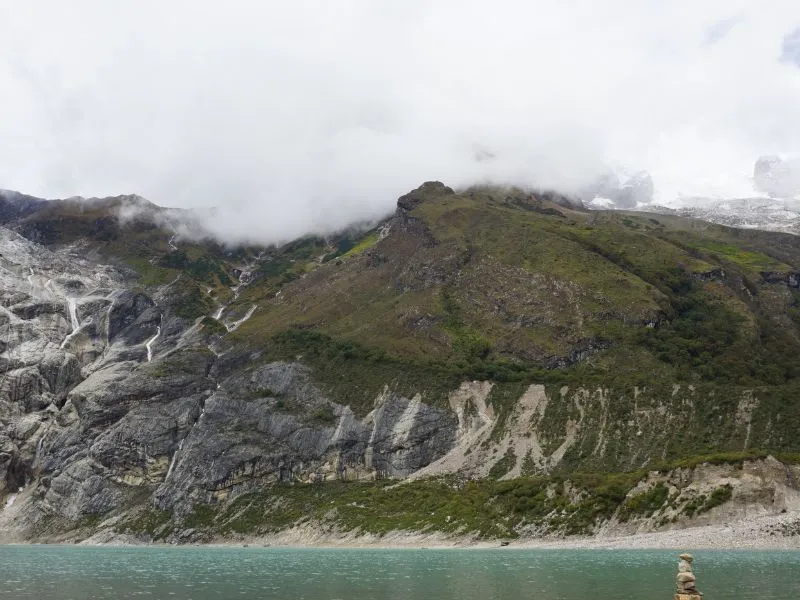
Your experience can change dramatically from one day to another. A blue morning can become cloudy by afternoon, while a chilly day can suddenly feel bright and warm when the sun appears.
Spring
Spring, particularly March through May, brings improving weather and clearer trekking conditions in much of the region. Snow can still remain around higher areas, which adds another layer to the scenery.
March may feel colder than April or May, while late spring can bring warmer daytime conditions lower in the valley. Always check current trail and weather conditions rather than relying only on the calendar.
Autumn
Autumn, especially October and November, is widely favored for Himalayan trekking. After the monsoon period, skies are often clearer and mountain visibility can be excellent.
This is also a busy trekking season, so popular villages and teahouses can feel more active. If you prefer a quieter experience, discuss your itinerary timing with your trekking agency before departure.
Winter and Monsoon
Winter can bring freezing temperatures, snow, and difficult trail conditions. Birendra Lake may partially or completely freeze depending on the conditions, creating a very different landscape from the blue-water photographs commonly seen online.
The monsoon months can bring rain, clouds, slippery trails, and reduced mountain visibility in lower parts of the Manaslu region. Conditions vary with elevation, but summer is generally not the first choice for travelers seeking the clearest lake and mountain views.
Birendra Lake on the Manaslu Circuit
Birendra Lake makes the most sense when viewed as part of the larger Manaslu Circuit experience. It sits near one of the circuit's most important acclimatization points, so the visit can be built into your itinerary without unnecessary backtracking.
If you are planning the full route, take a look at the Manaslu Circuit Trek itinerary and compare how the Samagaun acclimatization day fits with your overall schedule.
Samagaun Acclimatization Day
Many trekkers spend an acclimatization day in Samagaun before climbing higher. This is when Birendra Lake becomes especially useful because you can stay based in the village while exploring the surrounding high-altitude terrain.
The trick is to keep the outing comfortable. Walk slowly, drink regularly, eat properly, and return to the village before you become exhausted. A good acclimatization day should leave you feeling prepared for the next stage, not like you have just completed another major trekking day.
Manaslu Base Camp Extension
Some trekkers combine Birendra Lake with a longer outing toward Manaslu Base Camp. This creates a more demanding day because the distance, elevation, and terrain increase considerably.
If you are considering combining both, discuss the plan with your guide first. Your fitness, previous altitude experience, weather, snow conditions, and symptoms on the day should all influence the decision.
Preparing for Larkya La
The Manaslu Circuit eventually leads toward Larkya La Pass, one of the highest and most demanding sections of the trek. The days before the pass are therefore not the place to waste energy.
A sensible Birendra Lake visit can help you stay active while allowing your body to adjust to Samagaun's altitude. Think of it as preparation rather than another trophy hike.
Birendra Lake Trek Difficulty
The Birendra Lake side trip is generally manageable for trekkers who are already following a properly planned Manaslu Circuit itinerary. Still, “short” does not automatically mean “easy” at around 3,650 meters.
Altitude changes the equation. A person who comfortably walks ten kilometers at home may find a much shorter Himalayan trail surprisingly tiring. Your pace, hydration, sleep, weather, and acclimatization all matter.
Trail and Elevation Gain
The trail from Samagaun involves uneven mountain ground rather than a smooth walking surface. You may encounter stones, loose gravel, narrow sections, and seasonal snow or ice.
The elevation gain is not extreme compared with the higher stages of the Manaslu Circuit, but the altitude itself adds difficulty. Trekking poles can be useful, particularly when the surface is loose or slippery.
Altitude and Acclimatization
Altitude is the main factor I would take seriously here. Around 3,650 meters, your body is working with less available oxygen than at sea level, and people respond differently.
Do not treat altitude symptoms as something to simply “push through.” If symptoms worsen, tell your guide immediately. Descending can be the safest response to serious altitude illness, and no photograph is worth gambling with your health.
Weather and Trail Safety
Mountain weather can change quickly, especially around exposed alpine terrain. Strong wind, clouds, snowfall, or poor visibility can make a familiar trail much harder to follow.
Carry a warm layer, water, sun protection, and basic trekking equipment even when the morning looks perfect. Before leaving Samagaun, ask your guide about the current route and weather rather than assuming yesterday's conditions will still apply.
What to Bring to Birendra Lake
You do not need a huge expedition pack for this side trip. In fact, carrying unnecessary weight can make an acclimatization walk more tiring than it needs to be.
Take the essentials and keep the load manageable. Your exact gear should also reflect the season and current conditions.
Clothing and Footwear
Wear proper trekking shoes with good grip. The trail can be rocky and uneven, and footwear that works beautifully on a city sidewalk is not necessarily your friend on Himalayan gravel.
Dress in layers because temperatures can change quickly. A warm jacket, hat, gloves, and a waterproof outer layer are sensible choices, particularly outside the warmer spring and autumn days.
Water and Sun Protection
Bring enough drinking water for the outing. Cold mountain air can fool you into thinking you are not losing much fluid, but exertion and dry air can still contribute to dehydration.
Sunscreen, sunglasses, and a hat are also important. At high altitude, sunlight can feel surprisingly intense, even when the air itself is freezing.
Camera and Trekking Gear
A camera or phone is almost compulsory if you enjoy mountain photography. The lake, surrounding peaks, and changing light can produce excellent photographs.
Keep your electronics protected from cold, moisture, and accidental drops. Trekking poles, a small daypack, snacks, and a basic first-aid kit can also make the outing more comfortable.
For the full Manaslu route, you can also review this practical Manaslu Circuit Trek packing list before leaving home.
Permits and Guide Requirements
Birendra Lake lies within the Manaslu trekking region, where foreign trekkers must follow the applicable restricted-area trekking rules. The Manaslu Circuit is not a route where you should simply arrive with a backpack and start walking independently.
Permit arrangements and guide requirements can change, so confirm the latest rules with your trekking agency and official Nepal authorities before departure. A licensed guide also adds practical value because local conditions, route changes, weather, and altitude concerns are easier to manage with someone experienced in the area.
If you are unsure how demanding the overall route will feel, this Manaslu Circuit Trek difficulty guide can help you understand the terrain and altitude progression before making your plans.
Plan Your Manaslu Circuit Trek With Himalayan Hero
Birendra Lake is not the longest walk on the Manaslu Circuit, nor is it the highest point you will reach. Yet that is exactly why I think it deserves a place in the conversation. It gives you a close look at the glacial landscape around Samagaun without requiring another complicated detour.
If you are building your Manaslu itinerary now, consider using your Samagaun acclimatization day intelligently. Walk to Birendra Lake if conditions are good, take your time, enjoy the views, and return to the village with enough energy for the higher trail ahead.
The Manaslu Circuit is full of dramatic moments, but some of the best ones are surprisingly quiet. A cold breeze moving across a turquoise lake. A mountain reflection breaking apart in the wind. The enormous Manaslu massif sitting silently above you. Those are the moments that tend to stay in your memory long after the boots come off.
If Birendra Lake sounds like the kind of Himalayan experience you want, the next step is to build the visit into a properly paced Manaslu Circuit Trek with appropriate permits, a qualified guide, realistic acclimatization days, and enough flexibility for mountain weather. Check current regulations and conditions before departure, then let the Himalayas do what they do best: surprise you.
Birendra Lake FAQs
How high is Birendra Lake?
Birendra Lake sits at approximately 3,650 meters (11,975 feet) above sea level.
How far is Birendra Lake from Samagaun?
Birendra Lake is a short side trip from Samagaun, making it suitable for an acclimatization-day hike.
How long does it take to reach Birendra Lake?
Most trekkers can reach Birendra Lake from Samagaun in a few hours, depending on pace and trail conditions.
Is Birendra Lake difficult to visit?
The hike is generally manageable, but the 3,650-meter altitude and uneven terrain can make it moderately challenging.
Can you visit Birendra Lake without doing the Manaslu Circuit?
Yes, but you must follow the current Manaslu restricted-area permit and guide requirements.
What is the best month to visit Birendra Lake?
October, November, April, and May are generally among the best months for clearer weather and mountain views.
Does Birendra Lake freeze in winter?
Yes, Birendra Lake can partially or completely freeze during sufficiently cold winter conditions.
Can Birendra Lake be combined with Manaslu Base Camp?
Yes, you can combine both hikes, but doing so creates a longer and more demanding high-altitude day.