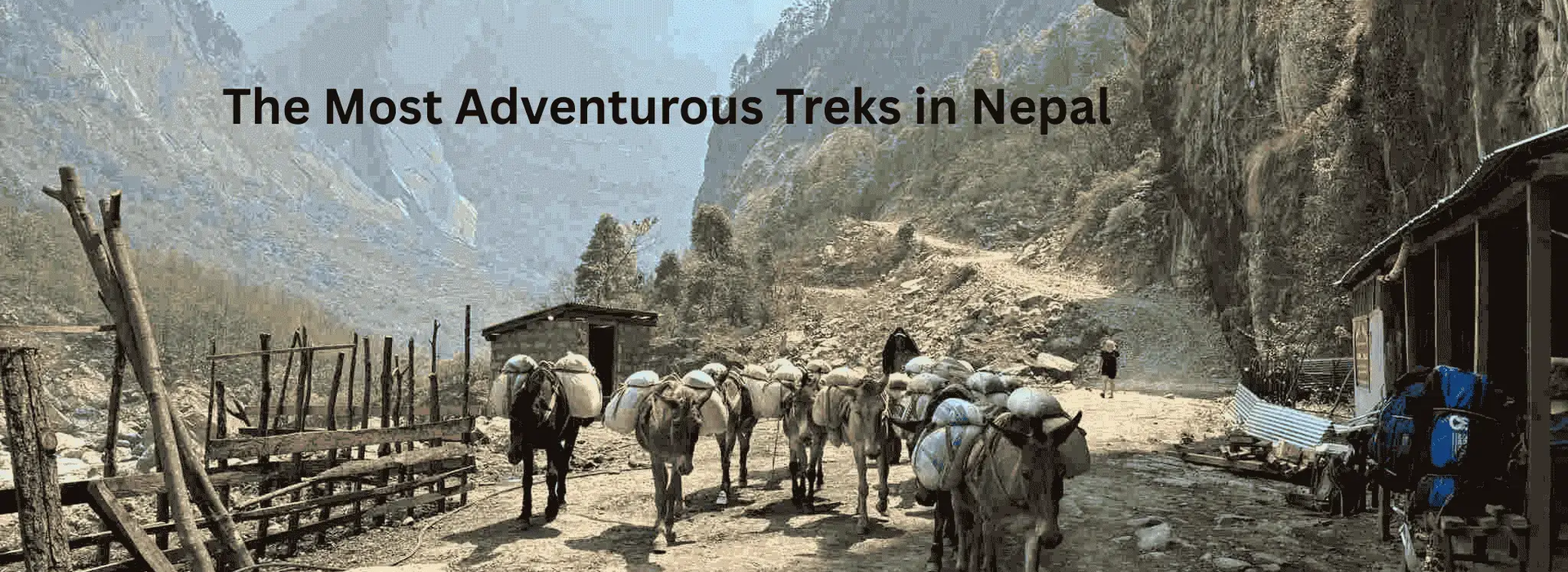
Nepal is home to some of the world's most adventurous trekking routes, where every trail offers a new challenge and unforgettable mountain scenery. From crossing high Himalayan passes above 5,000 meters to exploring remote valleys, ancient villages, and restricted regions, these treks go far beyond the typical hiking experience. While many visitors choose popular routes like Everest Base Camp or Annapurna Base Camp, experienced trekkers often seek quieter trails that test their endurance and reward them with breathtaking landscapes and authentic cultural encounters.
The most adventurous treks in Nepal include the Everest Three Passes Trek, Manaslu Circuit Trek, Upper Mustang Trek, Annapurna Circuit with Tilicho Lake, Kanchenjunga Circuit Trek, and Upper Dolpo Trek. These routes feature high mountain passes, remote villages, glacier crossings, restricted regions, and spectacular Himalayan scenery, making them ideal for experienced trekkers looking for a true adventure.
Everest Three Passes Trek: Nepal's Ultimate High-Altitude Adventure
The Everest Three Passes Trek is one of the most adventurous and challenging trekking routes in Nepal. Designed for experienced trekkers, this circuit goes beyond the classic Everest Base Camp Trek by crossing three high Himalayan passes: Kongma La (5,535 m), Cho La (5,420 m), and Renjo La (5,360 m). Along the way, you'll visit iconic destinations such as Everest Base Camp, Kala Patthar, and the Gokyo Lakes, while enjoying breathtaking views of Mount Everest, Lhotse, Makalu, Cho Oyu, and Ama Dablam.
Unlike the standard Everest Base Camp route, the Three Passes Trek follows quieter trails through rugged alpine landscapes, glacial valleys, and remote Sherpa villages. The combination of high altitude, steep ascents, glacier crossings, and long trekking days makes it one of Nepal's most rewarding trekking adventures. Proper acclimatization, excellent physical fitness, and previous high-altitude trekking experience are strongly recommended.
| Pass |
Altitude |
Highlights |
| Kongma La |
5,535 m |
Highest of the three passes with steep climbs, rocky terrain, and panoramic Himalayan views. |
| Cho La |
5,420 m |
Glacier crossing that may require microspikes or crampons in snowy conditions. |
| Renjo La |
5,360 m |
Offers one of the finest viewpoints over Gokyo Lakes, Everest, Cho Oyu, and surrounding peaks. |
Why Choose the Everest Three Passes Trek?
- Cross three spectacular Himalayan passes above 5,300 meters.
- Visit Everest Base Camp, Kala Patthar, and the stunning Gokyo Lakes in a single trek.
- Experience quieter trails compared to the standard Everest Base Camp Trek.
- Enjoy 360-degree views of Everest, Lhotse, Makalu, Cho Oyu, Ama Dablam, and other Himalayan giants.
- Challenge yourself with glacier crossings, rugged mountain terrain, and high-altitude trekking.
| Duration |
18–21 Days |
| Maximum Altitude |
5,535 m (Kongma La Pass) |
| Difficulty |
Very Difficult |
| Best Time |
March to May and September to November |
| Guide |
Strongly recommended for safety and glacier crossings |
| Estimated Cost |
US$2,000–3,500 per perso |
Who is this trek suitable for?
The Everest Three Passes Trek is best suited for experienced trekkers with excellent fitness and previous high-altitude hiking experience. If you want to explore the Everest region beyond the popular Base Camp route and enjoy some of Nepal's most spectacular mountain scenery, this trek delivers an unforgettable Himalayan adventure.
Also Read : Make Everest Three Pass Trek a lifetime experience!
Annapurna Circuit with Tilicho Lake: A Classic Trek with an Adventurous Twist
The Annapurna Circuit with Tilicho Lake Trek combines one of Nepal's most iconic trekking routes with a challenging side trip to Tilicho Lake (4,919 m), one of the world's highest alpine lakes. This adventure takes you through diverse landscapes, from lush valleys and traditional Gurung and Tibetan-influenced villages to rugged mountain terrain beneath the Annapurna massif. Adding Tilicho Lake to the classic Annapurna Circuit increases both the difficulty and the reward, making it an excellent choice for trekkers seeking a more adventurous Himalayan experience.
The trail to Tilicho Lake is narrower and more demanding than the main Annapurna Circuit. Trekkers pass through steep slopes, rocky paths, and sections prone to landslides before reaching the stunning turquoise lake surrounded by snow-capped peaks. After returning from Tilicho, the journey continues across the famousThorong La Pass (5,416 m), one of the highest trekking passes in the world, making this route a complete high-altitude adventure.
For those looking for an even greater challenge, the trek can be extended into the Nar Phu Valley. This restricted region introduces remote Tibetan villages, ancient monasteries, dramatic canyons, and untouched landscapes, creating one of Nepal's most diverse trekking experiences.
Why Is This Trek So Adventurous?
- Visit the spectacular Tilicho Lake (4,919 m), one of the world's highest alpine lakes.
- Cross the iconic Thorong La Pass (5,416 m) with breathtaking Himalayan views.
- Trek through steep, rocky, and occasionally landslide-prone sections.
- Experience dramatic scenery ranging from forests and river valleys to alpine deserts.
- Option to extend into the remote Nar Phu Valley for an even more challenging adventure.
Tilicho Lake Challenges
- Narrow trails crossing landslide-prone slopes that require extra caution.
- Steep ascents with loose scree and rocky terrain.
- Significant altitude gain from Tilicho Base Camp to the lake.
- Rapid weather changes, especially during the afternoon.
- High-altitude conditions that require proper acclimatization.
Adventure Upgrade: Annapurna Circuit with Nar Phu Valley
Adding Nar Phu Valley transforms the Annapurna Circuit into a true wilderness expedition.
- Explore remote Tibetan-influenced villages rarely visited by tourists.
- Visit centuries-old monasteries and traditional stone settlements.
- Enter a restricted area with limited infrastructure and fewer trekkers.
- Experience pristine valleys, dramatic cliffs, and authentic Himalayan culture.
- Combine three unforgettable adventures: Tilicho Lake, Nar Phu Valley, and Thorong La Pass.
Read More : Nar Phu Valley vs Annapurna Circuit
Essential Information
| Duration |
15–18 Days (18–21 Days with Nar Phu Valley) |
| Maximum Altitude |
5,416 m (Thorong La Pass) |
| Difficulty |
Difficult |
| Best Time |
March to May and September to November |
| Guide |
Recommended (Mandatory for Nar Phu Valley) |
| Permits |
ACAP, TIMS, and Nar Phu Restricted Area Permit (if applicable) |
| Estimated Cost |
US$1,300–2,500 depending on itinerary |
Who is this trek suitable for?
The Annapurna Circuit with Tilicho Lake is ideal for trekkers who have good fitness and want a more adventurous alternative to the classic Annapurna Circuit. If you choose to include Nar Phu Valley, you'll enjoy one of Nepal's most rewarding combinations of high mountain passes, remote Himalayan culture, and breathtaking alpine scenery.
Manaslu Circuit Trek: A Remote Himalayan Adventure Around Mount Manaslu
The Manaslu Circuit Trek is one of the most adventurous and rewarding trekking routes in Nepal. Circling Mount Manaslu (8,163 m), the world's eighth-highest peak, this trek takes you through remote mountain villages, deep river gorges, ancient Buddhist monasteries, and pristine Himalayan landscapes. Compared to the Everest and Annapurna regions, the Manaslu Circuit remains less crowded, offering a quieter and more authentic trekking experience.
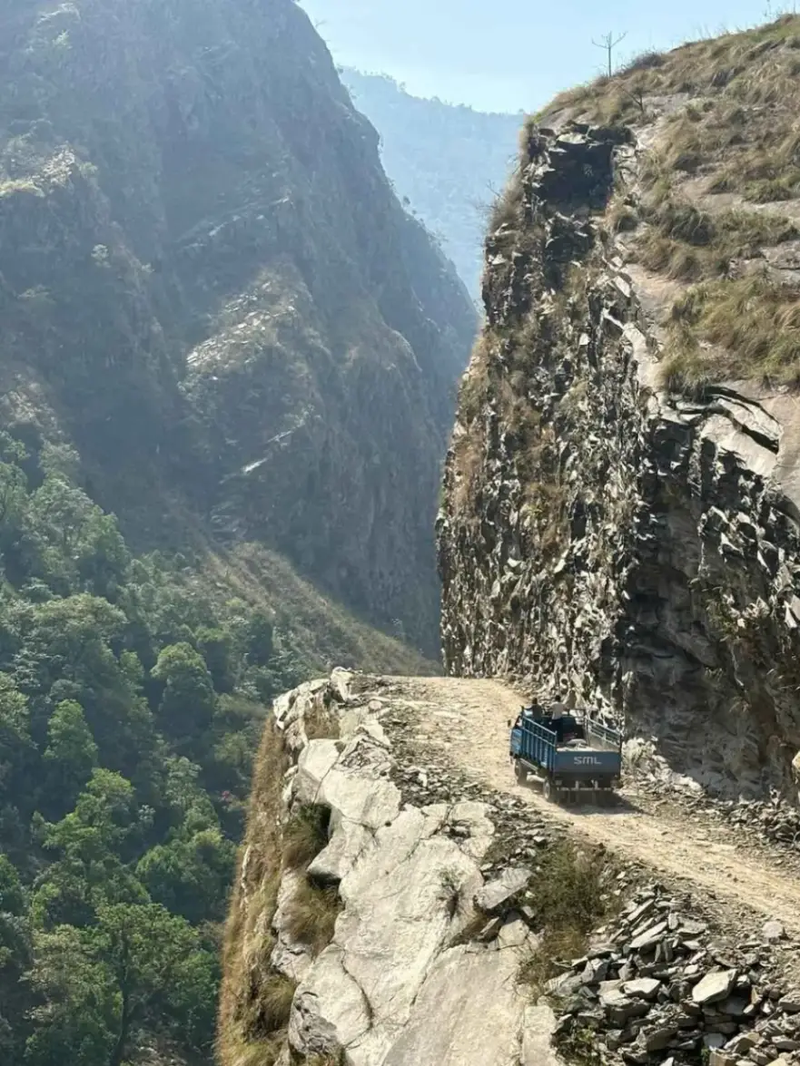
The highlight of the trek is crossing Larkya La Pass (5,106 m), one of Nepal's longest and most scenic high mountain passes. Reaching the pass requires several days of gradual altitude gain and proper acclimatization, rewarding trekkers with breathtaking views of Manaslu, Himlung Himal, Cheo Himal, Kang Guru, and Annapurna II. Along the way, you'll experience the rich Tibetan-influenced culture of the Nubri Valley, stay in traditional teahouses, and pass through forests, alpine meadows, and glacial valleys.
As the Manaslu region is a restricted area, all trekkers must travel with a licensed guide through a registered trekking agency. This regulation helps preserve the region's unique culture and environment while ensuring a safer trekking experience.
Why Is the Manaslu Circuit Trek So Adventurous?
- Cross the spectacular Larkya La Pass (5,106 m), one of Nepal's most challenging trekking passes.
- Trek through a remote and less-crowded region with authentic Himalayan villages.
- Experience dramatic landscapes ranging from subtropical forests to alpine glaciers.
- Explore Tibetan Buddhist monasteries, prayer wheels, mani walls, and traditional mountain culture.
- Enjoy a peaceful alternative to the busier Everest and Annapurna trekking routes.
Challenges of the Manaslu Circuit Trek
- Long trekking days of 6 to 8 hours on rugged mountain trails.
- High-altitude crossing of Larkya La Pass, where weather conditions can change quickly.
- Limited infrastructure compared to Nepal's more developed trekking regions.
- Basic teahouse accommodation in higher villages.
- Remote location with fewer rescue and medical facilities, making careful planning essential.
Permit Requirements
Since the Manaslu Circuit passes through a protected restricted area, several permits are required.
- Manaslu Restricted Area Permit (MRAP): US$100 per person for the first 7 days (September to November) and US$15 per day thereafter. During December to August, the permit costs US$75 for the first 7 days and US$10 per day thereafter.
- Manaslu Conservation Area Permit (MCAP)
- Annapurna Conservation Area Permit (ACAP)
A licensed trekking guide is mandatory, and the trek must be booked through a registered Nepalese trekking agency. While there is no longer a minimum group requirement, solo travelers can complete the trek by joining another trekker or a small group arranged by an agency.
Read More : Why Choose Manaslu Circuit Trek
Essential Information
| Duration |
14–16 Days |
| Maximum Altitude |
5,106 m (Larkya La Pass) |
| Difficulty |
Difficult |
| Best Time |
March to May and September to November |
| Guide |
Mandatory |
| Permits |
MRAP, MCAP, and ACAP |
| Estimated Cost |
US$1,500–2,500 depending on itinerary and services |
Who is this trek suitable for?
The Manaslu Circuit Trek is ideal for trekkers with good physical fitness who want to experience one of Nepal's finest off-the-beaten-path adventures. If you're looking for fewer crowds, spectacular Himalayan scenery, rich Tibetan culture, and a challenging high-altitude pass, the Manaslu Circuit offers an unforgettable journey through one of Nepal's most beautiful mountain regions.
Upper Mustang Trek: Explore Nepal's Last Forbidden Kingdom
The Upper Mustang Trek is one of the most unique and adventurous trekking experiences in Nepal. Often called the Last Forbidden Kingdom, Upper Mustang remained closed to foreign visitors until 1992, helping preserve its rich Tibetan culture, ancient monasteries, and centuries-old traditions. Located in the rain shadow of the Annapurna and Dhaulagiri ranges, this remote region offers a dramatic landscape of red cliffs, deep canyons, wind-carved rock formations, and vast desert-like valleys that resemble the Tibetan Plateau more than the lush hills of Nepal.
The journey follows the historic salt trade route through traditional villages before reaching the walled city of Lo Manthang, the former capital of the Kingdom of Lo. Along the way, trekkers can explore centuries-old Buddhist monasteries, mysterious sky caves, colorful prayer walls, and authentic Tibetan settlements. Unlike many high-altitude treks, Upper Mustang is also one of the few trekking destinations in Nepal that remains accessible during the summer monsoon because it lies in a dry trans-Himalayan region.
For travelers seeking a different style of adventure, Upper Mustang can also be explored by 4WD jeep, motorbike, or horseback, making it one of Nepal's most versatile adventure destinations.
Why Is the Upper Mustang Trek So Adventurous?
- Explore the ancient Kingdom of Lo Manthang, one of the best-preserved Tibetan cultural regions in the Himalayas.
- Trek through dramatic desert landscapes, colorful cliffs, deep canyons, and unique rock formations.
- Follow centuries-old trade routes once used by Tibetan merchants.
- Visit ancient monasteries, cave dwellings, and traditional villages rich in Buddhist heritage.
- Experience one of Nepal's few trekking regions that can be visited during the monsoon season.
Highlights of the Upper Mustang Trek
- Walk through the spectacular Kali Gandaki Gorge, one of the deepest gorges in the world.
- Discover the historic walled city of Lo Manthang and its royal palace.
- Visit centuries-old monasteries such as Thubchen, Jampa, and Chode Monastery.
- Witness the colorful Tiji Festival, an annual Buddhist celebration symbolizing the triumph of good over evil.
- Enjoy panoramic views of Nilgiri, Dhaulagiri, Annapurna, and the barren Himalayan landscape.
Adventure Options
Upper Mustang offers several ways to explore the region depending on your interests and experience.
- Classic Upper Mustang Trek through traditional villages and ancient monasteries.
- Upper Mustang Jeep Tour for travelers with limited time.
- Upper Mustang Motorbike Tour for riders seeking an off-road Himalayan adventure.
- Horse Riding Expedition across the high-altitude desert plateau.
Essential Information
| Duration |
10–14 Days |
| Maximum Altitude |
4,200 m (Lo Manthang Area) |
| Difficulty |
Moderate to Difficult |
| Best Time |
March to November (including the monsoon season) |
| Guide |
Mandatory |
| Restricted Area Permit |
US$500 per person for the first 10 days, plus US$50 per day thereafter |
| Additional Permit |
Annapurna Conservation Area Permit (ACAP) |
| Estimated Cost |
US$2,000–3,500 depending on itinerary and services |
Who is this trek suitable for?
The Upper Mustang Trek is perfect for travelers who want to combine adventure with history and culture. It is ideal for those seeking a less crowded trekking destination, breathtaking trans-Himalayan landscapes, and an authentic Tibetan cultural experience without crossing extremely high mountain passes. Whether you trek on foot, ride a motorbike, or travel by jeep, Upper Mustang offers one of Nepal's most unforgettable Himalayan adventures.
What Makes a Trek Truly Adventurous?
Not every trekking route in Nepal offers the same level of challenge. While many trails are suitable for beginners, the most adventurous treks demand greater physical endurance, careful planning, and the ability to adapt to changing mountain conditions. These routes take you beyond the popular tourist trails into remote Himalayan landscapes where every day brings new challenges and unforgettable experiences.
Adventure treks often involve crossing high mountain passes, walking through isolated valleys, staying in basic teahouses or camps, and trekking for several consecutive days at high altitude. They reward trekkers with breathtaking mountain scenery, authentic cultural encounters, and the satisfaction of exploring some of Nepal's most untouched regions.
What Makes These Treks Challenging?
- High-altitude mountain passes above 5,000 meters with lower oxygen levels.
- Remote trails that receive far fewer visitors than popular trekking routes.
- Steep ascents and descents across rocky, rugged, and uneven terrain.
- Glacier crossings, river crossings, and narrow mountain trails on selected routes.
- Basic accommodation and limited facilities in remote Himalayan villages.
- Restricted trekking regions that require special permits and licensed guides.
Physical and Mental Requirements
Adventure trekking is as much a mental challenge as a physical one. Most itineraries involve 6 to 8 hours of walking each day, with some days requiring longer hikes over steep mountain passes. Trekkers should be prepared for changing weather, high-altitude conditions, and limited access to medical facilities.
To complete these treks safely, you should have:
- Good cardiovascular fitness and stamina.
- Previous multi-day trekking experience (recommended for difficult routes).
- Proper acclimatization to reduce the risk of altitude sickness.
- Patience and flexibility, as mountain weather can change quickly.
- Confidence to trek in remote areas with limited modern facilities.
Planning Your Adventure Trek in Nepal
Careful preparation is the key to enjoying Nepal's most adventurous trekking routes safely. Before choosing a trek, it's important to understand the permit requirements, guide regulations, and essential equipment needed for high-altitude trekking.
Trekking Permits
Many of Nepal's adventure treks pass through protected conservation areas or restricted regions. The permits required depend on the trekking destination.
| Trekking Region |
Permit Requirement |
| Upper Mustang |
Restricted Area Permit (US$500 for the first 10 days) + ACAP |
| Manaslu Circuit |
Manaslu Restricted Area Permit + MCAP + ACAP |
| Nar Phu Valley |
Restricted Area Permit + ACAP |
| Kanchenjunga |
Restricted Area Permit + KCAP |
| Upper Dolpo |
Restricted Area Permit + Shey Phoksundo National Park Permit |
| Everest Region |
Sagarmatha National Park Permit + Khumbu Pasang Lhamu Rural Municipality Fee |
Permit fees and regulations may change, so always check the latest requirements before your trip.
Do You Need a Guide?
Many adventure treks in Nepal now require a licensed trekking guide, particularly in restricted areas such as Manaslu, Upper Mustang, Nar Phu Valley, Upper Dolpo, and Kanchenjunga. Even on routes where guides are optional, hiring an experienced local guide improves safety, navigation, and your overall trekking experience.
Typical daily costs include:
- Licensed trekking guide: US$30–40 per day
- Experienced high-altitude guide: US$40–60 per day
- Porter: US$20–30 per day
A professional guide also assists with route planning, acclimatization, emergency support, and local cultural insights.
Essential Gear Checklist
Having the right equipment is essential for trekking safely at high altitude.
Clothing
- Waterproof trekking jacket and pants
- Insulated down jacket
- Thermal base layers
- Fleece jacket
- Warm trekking gloves
- Wool hat and sun hat
- Moisture-wicking trekking socks
Footwear
- Waterproof trekking boots with good ankle support
- Camp shoes or sandals
- Gaiters (for snow or muddy trails)
Trekking Equipment
- Four-season sleeping bag (rated to at least -20°C)
- Trekking poles
- Backpack (40–60 L)
- Headlamp with spare batteries
- Water bottles or hydration system
- Water purification tablets or filter
Safety Equipment
- Personal first-aid kit
- Sunscreen and lip balm
- UV-protection sunglasses
- Emergency blanket
- Power bank
- GPS device or offline trekking map
For glacier crossings such as the Everest Three Passes Trek, your guide may also recommend microspikes or crampons, depending on the season and trail conditions.
Conclusion: Choose Your Himalayan Adventure
Nepal offers some of the world's most exciting trekking experiences, from the glacier-covered passes of the Everest region to the remote valleys of Manaslu, the ancient Kingdom of Upper Mustang, and the untouched wilderness of Kanchenjunga and Upper Dolpo. Each trek has its own unique character, combining spectacular mountain scenery with rich local cultures and unforgettable adventures.
Whether you're crossing a 5,000-meter Himalayan pass, exploring centuries-old Tibetan villages, or trekking through remote landscapes far from the crowds, these journeys provide far more than incredible views. They challenge your endurance, build confidence, and create lifelong memories in one of the world's greatest mountain destinations.
With careful preparation, the right equipment, and guidance from experienced professionals, you can safely experience the very best of adventure trekking in Nepal.
Start Your Himalayan Adventure with Himalayan Hero
At Himalayan Hero Adventures Pvt. Ltd., we specialize in guided trekking experiences across Nepal's most spectacular mountain regions. Our experienced local guides, carefully planned itineraries, and commitment to safety ensure that every journey is both rewarding and unforgettable.
Whether you're planning the Everest Three Passes Trek, Manaslu Circuit Trek, Upper Mustang Trek, or another remote Himalayan adventure, we're here to help you choose the right itinerary and prepare for an incredible experience.
📧 Email: [email protected]
📱 WhatsApp: +977 9801127073
🌐 Website: https://himalayanhero.com