Have you ever wondered what the North Face of Everest looks like and why it is so important in the history of mountaineering? While most trekkers know Everest from the Nepal side, the northern face presents a completely different view of the world's highest mountain.
In this blog, we explore the North Face of Everest, including where it is located, what makes it famous, its climbing history, how visitors can see it, and how the North Face compares with Everest's South Side. You will also learn about the North Everest Base Camp, climbing routes, difficulty, and what makes the two sides different.
What Is the North Face of Everest?
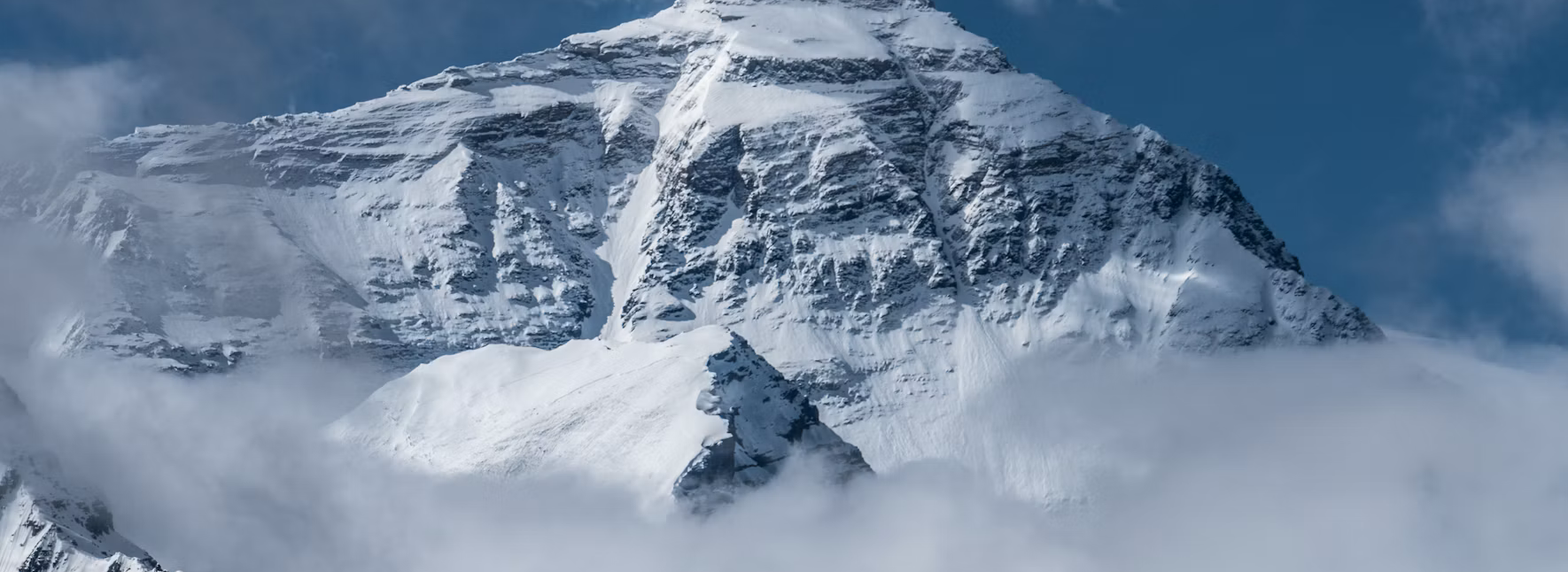
The North Face of Everest is the northern-facing wall of Mount Everest, located on the Tibet side of the mountain. It forms one of Everest's major faces and rises toward the summit through a dramatic landscape of rock, snow and ice. The face is significant in mountaineering because of its steep terrain, exposed sections and extreme high-altitude environment.
The North Face is closely associated with the North Col route, one of the main climbing approaches to Everest from Tibet. It has played an important role in Everest's climbing history and provides a very different view of the mountain from the popular Nepal side. For visitors, the Tibetan approach also offers access to the North Base Camp, although visiting the base camp is very different from attempting to climb the summit.
Where Is the North Face of Everest Located?
The North Face of Everest is located in the Tibet Autonomous Region of China, on the northern side of Mount Everest. It rises above the Rongbuk Valley, which provides the main approach toward Everest's North Base Camp. This makes the northern face geographically different from the popular trekking and climbing routes approached from Nepal.
From the Nepal side, Everest is reached through theKhumbu Valley, with trekkers commonly traveling toward Everest Base Camp before continuing into the higher climbing areas. From Tibet, the route follows the Rongbuk Valley toward the North Base Camp, giving visitors a completely different perspective of the mountain.
What Does the North Face of Everest Look Like?
The North Face of Everest has a dramatic, rugged appearance, with huge rock walls, snow-covered slopes, ice formations and steep gullies rising toward the summit. The upper face can look heavily snow-covered in some seasons, while exposed rock and dark ridges become more visible when wind removes the snow.
One of its best-known features is the North Col, a high mountain pass between Everest and Changtse that forms an important part of the northern climbing route. From the Tibetan side, the face appears broad and imposing, with steep terrain and high-altitude ice and snow features that show why this side is important in mountaineering. High-quality photos or an image gallery should accompany this section to help readers understand the scale and appearance of the North Face.
Also Read : 7 Best Alternatives to Everest Base Camp Trek: Less Crowded, More Rewarding Adventures
North Face vs. South Face: Key Differences
The North Face and South Face of Everest are two very different ways of approaching the world's highest mountain. The North Face is accessed from Tibet, while the South Side is approached from Nepal. They differ in route design, terrain, logistics, climbing history and the hazards climbers face, so neither side should be judged by appearance alone.
| Feature |
North Face |
South Side |
| Country |
Tibet Autonomous Region, China |
Nepal |
| Main approach |
Rongbuk Valley |
Khumbu Valley |
| Base camp |
North Base Camp |
South Base Camp |
| Major route feature |
North Col |
Khumbu Icefall and South Col |
| Main hazards |
Steep terrain, exposed sections, high winds and extreme cold |
Khumbu Icefall, avalanches, altitude and high winds |
| Trekking access |
Tibetan side |
Nepalese side |
| Climbing style |
More exposed and technically demanding sections |
Complex route with major icefall and high-altitude climbing |
Route and Country Differences
The North Face is climbed from Tibet, while the South Side is climbed from Nepal. Climbers approaching from Tibet travel through the Rongbuk Valley toward the North Base Camp and then generally use the North Col route. The Nepal route begins in the Khumbu region and leads toward Everest Base Camp before entering the higher climbing route.
The access requirements are also different. A North Side expedition requires authorization for travel and mountaineering in Tibet under Chinese regulations, while a South Side expedition requires permits and arrangements through Nepal. Trekking to a base camp and climbing Everest are separate activities, and visitors should check the current regulations before planning either journey.
Difficulty and Historical Success/Death Rates
Both sides of Everest are extremely demanding, and it is difficult to say that one side is universally harder. The North Face has steep, exposed terrain and technically demanding sections, while the South Side is known for hazards such as the Khumbu Icefall, avalanches, falling ice and heavy expedition traffic in some areas.
Historical success and death rates should also be treated carefully because they vary by period, route, weather, expedition practices and the number of climbers attempting the mountain. Rather than relying on a single percentage, climbers should examine reliable records from sources such as the Himalayan Database and established mountaineering research when comparing Everest's north and south routes.
Read More About : Everest Difficulty.
History of Climbing the North Face
The North Face of Everest has played an important role in the mountain's climbing history, particularly because early expeditions approached Everest from Tibet. Several attempts and later ascents helped climbers understand the difficulties of the northern route, while the face also became associated with some of mountaineering's most enduring mysteries and remarkable achievements.
Mallory and Irvine's 1924 Attempt
In 1924, George Mallory and Andrew "Sandy" Irvine attempted to reach the summit of Everest from the northern side. They were last seen high on the mountain on June 8, heading toward the summit, but neither returned to the expedition's high camps.
Mallory's body was discovered in 1999, but whether Mallory and Irvine actually reached the summit before their deaths remains unresolved. The discovery of Irvine's camera or other definitive evidence that could settle the question has never occurred, so the 1924 attempt remains one of Everest's greatest mountaineering mysteries.
Notable Ascents and Records
The first confirmed successful ascent of Everest from the north side was made in 1960 by a Chinese expedition, adding an important chapter to the mountain's climbing history. The northern route has since been used for numerous expeditions and has produced several notable climbing achievements.
The North Face has also attracted extreme-skiing attempts and other record-setting climbs. Who skied down the North Face of Everest and the exact details of notable ski descents should be fact-checked against authoritative mountaineering records before publication, as different sources may describe routes and achievements differently. The Himalayan Database, expedition records and established mountaineering publications are useful sources for verifying names, dates and specific records.
Why the North Face Is Considered So Dangerous
The North Face of Everest is considered dangerous because of its extreme altitude, steep terrain, severe weather and long exposure above 8,000 meters. Climbers must deal with thin air, freezing temperatures, strong winds and difficult climbing sections. Unlike a normal high-altitude trek, an Everest expedition requires technical skills, specialized equipment and careful acclimatization.
The northern route also has a history of serious accidents and fatalities, including the disappearance of Mallory and Irvine in 1924. Hazards can include rockfall, avalanches, ice, sudden weather changes, exhaustion and altitude-related illness. Conditions vary from season to season, so historical fatality figures should be checked against reliable records such as the Himalayan Database rather than using a single fixed death rate.
North Base Camp: Visiting the Tibet Side
The North Base Camp of Everest is located in Tibet, China, near Rongbuk Monastery, and provides one of the most accessible close-up views of Everest's northern face. Unlike Nepal's Everest Base Camp, the Tibetan base camp area can be reached by vehicle on the established road, making it possible for visitors to experience the Everest landscape without completing a long trek.
Foreign travelers generally need to arrange the required Tibet travel permits and entry documents through an authorized travel agency before visiting the region. The journey usually passes through the Rongbuk Valley and Rongbuk Monastery, with the North Base Camp area offering views toward Everest's summit and the surrounding Himalayan peaks. Permit rules, road access and visitor restrictions can change, so current requirements should be confirmed before travel.
Want to See Everest Up Close? Trek the South Side from Nepal
If your goal is to experience Everest rather than climb it, the South Side in Nepal is the more practical option. The classic Everest Base Camp Trek follows the Khumbu Valley to Everest Base Camp and does not require technical mountaineering skills or previous Everest climbing experience. You still need good fitness because of the altitude and several days of uphill trekking.
The Nepal side also lets you experience Sherpa villages, Buddhist monasteries, suspension bridges and spectacular Himalayan views along the way. Unlike a North Face expedition, reaching Everest Base Camp is a trekking journey, not a summit attempt. If you want to experience the world's highest mountain from Nepal, you can explore the Everest Base Camp Trek with a guided itinerary.
Conclusion
The North Face of Everest offers a completely different perspective of the world's highest mountain. Located on the Tibet side, it is known for its dramatic terrain, difficult climbing routes and important place in Everest's history, from the 1924 Mallory and Irvine mystery to later successful expeditions.
For most travelers, however, seeing Everest does not require climbing its dangerous upper slopes. The Nepal side provides the classic trekking experience to Everest Base Camp, with mountain scenery, Sherpa culture and close views of the world's highest peaks. If you want to experience Everest on foot, the Everest Base Camp Trek is a practical way to get there without attempting the summit. If you are planning to experience Everest from the Nepal side, Himalayan Hero can help you plan and organize your Everest Base Camp Trek with local guides and trekking support.
North Face of Everest FAQ
What is the North Face of Everest?
The North Face of Everest is the mountain's northern face, located in Tibet, China. It is one of the most challenging climbing routes on Mount Everest.
Where is the North Face of Everest?
The North Face is on the Tibetan side of Mount Everest, north of the mountain's summit.
How high is the North Face of Everest?
Mount Everest is 8,848.86 meters (29,031.69 feet) above sea level. The North Face rises from the Tibetan Plateau toward the summit.
Can you see the North Face of Everest?
Yes. The North Face can be viewed from Tibet, with several viewpoints offering spectacular views of the mountain.
Can you climb the North Face of Everest?
Yes, but climbing the North Face is extremely difficult. It requires advanced mountaineering skills, experience, proper equipment, and acclimatization.
Is the North Face of Everest harder than the South Face?
The North Face is considered a very challenging Everest route. Its steep terrain, extreme weather, and technical climbing make it demanding for experienced mountaineers.
Who climbed the North Face of Everest first?
The first successful ascent of Everest was made by Edmund Hillary and Tenzing Norgay in 1953, using the South Col route. The North Face was first climbed successfully in 1960 by a Chinese expedition.
What is the North Face Everest route?
The North Face route approaches Everest from Tibet and includes technical climbing sections such as the North Col and the Second Step before reaching the summit.
Can tourists visit the North Face of Everest?
Yes. Visitors can travel to the Tibetan side of Everest and visit designated viewpoints, subject to current Tibet travel regulations and permits.
What is the best time to see the North Face of Everest?
Spring and autumn are generally the best seasons for clear mountain views and favorable travel conditions.