The Manaslu Circuit Trek cost in 2027 generally ranges from US $950-2,500+ per person, depending on your group size, trekking style, season, itinerary, and services included in the package. A budget group trek can cost around US 950-1200; a standard trek usually falls between US $1,200 and $1,700, while a private or premium experience can reach $2,000-2,500+.
The Manaslu Circuit is one of Nepal's more remote trekking routes, so understanding the real cost before you start is important. Your budget needs to cover more than the advertised trekking package. Permits, a licensed guide, accommodation, food, transportation, porter service, insurance, and small expenses such as hot showers, charging, Wi-Fi, and tips can all affect your final spending. In this blog, you will find a detailed breakdown of the Manaslu Circuit Trek cost for 2027, including permits, guides, porters, accommodation, food, transportation, insurance, personal expenses, and the differences between budget, standard, and premium trekking options.
Manaslu Circuit Trek Cost at a Glance
1,200–1,700 is a practical budget for a comfortable Manaslu Circuit Trek. A carefully planned group trek can be completed for less, while private transportation, additional services, longer itineraries, and more personal comfort can push the total above US$2,000.
The exact amount depends on what your trekking package includes. Before comparing prices between agencies, check whether permits, guide service, accommodation, meals, transportation, and porter service are already included because a cheaper-looking package may leave several important costs outside the advertised price.
| Cost Category |
Estimated Cost |
| Manaslu trekking permits |
US$100–150+ |
| Guide |
US$250–350 |
| Accommodation |
US$100–160 |
| Food and drinks |
US$180–250 |
| Transportation |
US$80–150 |
| Porter |
US$180–250 |
| Insurance and miscellaneous expenses |
US$100–150 |
| Overall Manaslu Circuit Trek Cost |
US$950–2,500+ |
Permit amounts are official fee categories and depend on the applicable trekking season, while the other figures are practical estimates. Guide rates, accommodation, transportation, food, porter services, and personal expenses can change according to the agency, group size, route, and season.
Complete Manaslu Circuit Trek Cost Breakdown
The Manaslu Circuit Trek cost in 2027 generally starts around US $950 and can exceed 2,500 per person. The lower end is possible when you join a group, use basic accommodation, control personal spending, and choose a straightforward itinerary.
A mid-range trek gives you more room for comfortable accommodation, porter support, organized transportation, and other services. If you want a private trek, more flexibility, or additional comfort, your total budget can move toward the US$2,000–2,500+ range.
| Cost Item |
Budget Estimate (USD) |
Mid-Range Estimate (USD) |
| Restricted Area Permit (RAP) |
75–100 |
100–150 |
| Manaslu Conservation Area Permit (MCAP) |
$30 |
$30 |
| Annapurna Conservation Area Permit (ACAP) |
$30 |
$30 |
| Chumnubri Rural Municipality fee |
$10 |
$10 |
| Licensed guide |
250–350 |
350–500 |
| Porter |
180–250 |
250–300 |
| Accommodation |
100–150 |
150–250 |
| Food and daily expenses |
180–250 |
250–350 |
| Kathmandu to Sotikhola transport |
20–40 |
40–80 |
| Return transport |
20–40 |
40–80 |
| Travel insurance |
80–120 |
100–150 |
| Miscellaneous expenses |
50–100 |
100–150 |
| Estimated Total |
Around 950–1,200 |
Around 1,200–1,700 |
The RAP, MCAP, ACAP, and local municipality fee are the more predictable parts of your budget because they are based on applicable government or local charges. Your guide, porter, food, accommodation, transportation, insurance, and personal expenses have more variation.
Your final cost can also change with group size, trekking duration, season, food choices, transportation arrangements, and whether you add extra acclimatization or side trips. If you want to understand the permit portion before booking, see this detailed guide to Manaslu Circuit Trek permit requirements and costs.
Budget, Standard and Premium Manaslu Trek Costs
There is no single price that suits every Manaslu trekker. Your ideal budget depends on whether your priority is keeping the trip affordable, finding a balance between cost and comfort, or having greater privacy and flexibility.
The table below gives a simple comparison so you can decide which style fits your travel plans before requesting a trekking package.
| Feature |
Budget Trek |
Standard Trek |
Premium Trek |
| Total price |
US$950–1,200 |
US$1,200–1,700 |
US$2,000–2,500+ |
| Accommodation |
Basic teahouses, shared rooms |
Comfortable teahouses, usually shared rooms |
Better rooms where available, with added comfort |
| Guide & porter |
Group guide; porter may be shared or optional |
Licensed guide with porter service |
Private guide, porter, or dedicated support team |
| Food |
Local dal bhat, noodles, soups, and basic meals |
Wider meal choices and regular snacks/drinks |
More food choices, drinks, and additional meal options |
| Transportation |
Shared/local transportation |
More comfortable or arranged transfers |
Private or upgraded transportation where practical |
| Group size |
Larger group |
Small or medium-sized group |
Private or very small group |
| Flexibility |
Limited; follows the fixed group itinerary |
Moderate flexibility |
Highest flexibility for itinerary and services |
| Best suited for |
Backpackers and cost-conscious trekkers |
Most first-time Manaslu trekkers |
Travelers seeking privacy and extra comfort |
Budget Trek
If price is your main concern, the US$950–1,200 range can work well. You will generally stay in basic teahouses, eat standard local meals, travel with a group, and avoid unnecessary upgrades. It is a good choice if you are comfortable with simple facilities and a fixed itinerary.
This option works best when you plan your spending carefully and understand what is included in your package. It is important to leave some extra money for personal expenses because even a low-cost trek can become more expensive if you frequently purchase snacks, drinks, showers, charging, or other services.
Standard Trek
A US$1,200–1,700 budget provides a better balance between cost and comfort. You can have licensed guide and porter support, decent teahouse accommodation, organized transportation, and more flexibility. For many trekkers, this is the most practical option.
The standard range also gives you some room for unexpected expenses. Rather than planning every dollar, you can keep a reasonable reserve for personal spending, weather-related changes, or additional services during the trek.
Premium Trek
With US$2,000–2,500+, you can prioritize privacy, smaller groups, private transportation, additional support, and greater itinerary flexibility. However, premium does not mean luxury throughout the route because the Manaslu region remains remote and mountain facilities are basic in many villages.
The main advantage of this budget is greater control over your trekking experience. You can have more flexibility with transportation, group size, support services, and itinerary planning, depending on what is available along the route.
What Changes the Final Manaslu Circuit Trek Cost?
The Manaslu Circuit Trek cost is not a fixed number because two trekkers can follow almost the same route while spending very different amounts. The biggest differences usually come from the length of the trek, group size, transportation, accommodation, and the services included in the package.
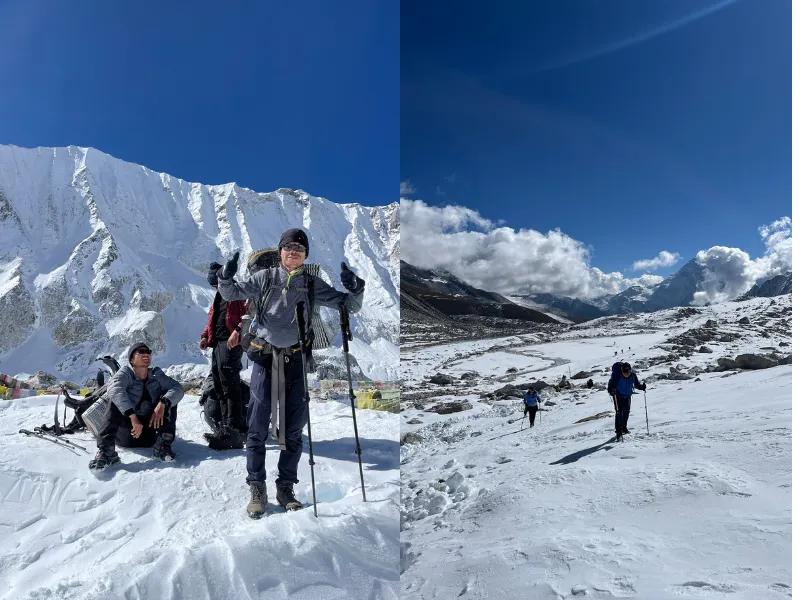
Your personal spending also matters. A trekker who eats basic local meals, shares transportation, and avoids optional services can spend considerably less than someone who chooses private vehicles, extra days, better rooms, frequent snacks, hot showers, Wi-Fi, and other comforts.
1. Trek Duration
The number of days directly affects your total cost. Every additional trekking day can mean another night of accommodation, more meals, additional guide and porter costs, and higher personal spending.
Adding acclimatization days may increase the price, but saving money should never be the reason for rushing a high-altitude trek. Your itinerary should give your body enough time to adjust to increasing elevation.
2. Group Size
Joining a group is generally cheaper because guide, transportation, and some other costs can be shared between several trekkers. A private trek for one or two people usually costs more per person.
If you are trying to stay close to the US$950 starting budget, a group departure is usually the better choice. A private trek makes more sense if you value privacy, flexible dates, or the ability to adjust the itinerary.
3. Trekking Season
Spring and autumn are the main trekking seasons because they generally offer better mountain visibility and trekking conditions. Demand can also be higher during these periods, which can affect accommodation availability and transportation.
October and April are generally among the popular months for the Manaslu Circuit. Before choosing your dates, check the best time to trek the Manaslu Circuit to understand how weather and seasonal conditions can affect your experience.
4. Guide and Porter Arrangement
A licensed guide is required for the Manaslu Circuit, so guide costs should be part of your initial budget rather than treated as an optional extra. Private guide arrangements can cost more than sharing services within a group.
A porter also increases the total cost, but carrying less weight can make long trekking days considerably easier. Before booking, confirm whether the quoted package already includes porter service.
5. Private vs. Shared Transportation
Shared transportation is generally the cheaper option when available, while private vehicles cost more but provide greater control over departure times, stops, and comfort.
The difference can become noticeable when traveling alone or as a very small group. If you are traveling with several people, sharing the cost of a private vehicle can make the per-person amount more manageable.
6. Accommodation Preference
Accommodation along the Manaslu Circuit is mainly based around simple teahouses and mountain lodges. Basic rooms and shared facilities help keep your daily costs down.
If you prefer better rooms or attached bathrooms where available, expect to spend more. You can also learn what to expect before departure with this guide to teahouse accommodation on the Manaslu Circuit.
7. Tsum Valley Extension
Adding Tsum Valley changes the budget because you need additional trekking days, accommodation, meals, guide services, transportation, and applicable permits.
It is a worthwhile extension if you have enough time, but it can push the overall cost well above the basic US$950 Manaslu Circuit budget. Ask your trekking agency to calculate the extension separately so you can see exactly how much it adds.
8. Personal Spending
Small purchases can quietly increase your total spending. Hot showers, charging, Wi-Fi, snacks, tea, coffee, bottled water, laundry, tips, and souvenirs may each cost only a few dollars but can add up across a two-week trek.
For that reason, it is better to keep some extra cash available rather than planning your budget down to the final dollar. Your personal spending will also depend on how much comfort you want during the trek.
Manaslu Trek Permit and Guide Costs
Permits and guide services are two important parts of the Manaslu trekking budget. Because the route passes through a restricted area, trekkers need to account for permits that would not apply on many regular trekking routes in Nepal.
The guide is also a major expense because the Manaslu Circuit requires a licensed guide. When comparing trekking packages, check whether these costs are already included so you do not accidentally add them twice to your budget.
Manaslu Restricted Area Permit Cost
The Restricted Area Permit (RAP) is one of the main permit expenses for foreign trekkers. The rate depends on the season and the number of days you spend inside the restricted area.
According to the figures used for this guide:
- September–November: US $ 100 for the first 7 days +US$15 per additional day.
- December–August: US $ 75 for the first 7 days +US$10 per additional day.
- The RAP becomes more expensive when your itinerary stays longer in the restricted area.
| Duration |
Sep–Nov |
Dec–Aug |
| 7 days |
$100 |
$75 |
| 13 days |
$190 |
$135 |
| 14 days |
$205 |
$145 |
MCAP and ACAP Fees
The Manaslu Conservation Area Permit (MCAP) applies to the Manaslu Conservation Area, while the Annapurna Conservation Area Permit (ACAP) applies when the route continues toward Dharapani through the Annapurna Conservation Area.
| Permit |
Foreign Trekkers |
SAARC Trekkers |
| MCAP |
US$30 |
US$10 |
| ACAP |
US$30 |
US$10 |
These conservation permits should be considered separately from the Restricted Area Permit. The exact amount applicable to you depends on your nationality and current permit rules.
Chumnubri Rural Municipality Fee
The source lists a Chumnubri Rural Municipality fee of approximately US$10. This is a local municipal charge and is separate from the Restricted Area Permit.
When preparing your trekking budget, include this fee with your other permit and local charges rather than treating it as part of your daily trail spending.
Tsum Valley Permit Cost
Trekkers who add Tsum Valley need an additional permit because the valley has its own restricted-area requirements.
You should also allow extra money for additional guide days, accommodation, food, and transportation. The source estimates around US$200–400+ for the extension as a broader trip cost, but this is an agency estimate rather than an official permit fee.
Manaslu Guide and Porter Cost
A licensed guide is required for the Manaslu Circuit, so guide services should be included in your budget from the beginning. The source estimates approximately US$25–35 per day, depending on experience, group arrangements, and services.
That gives an approximate guide cost of:
- 13 days: US$325–455
- 14 days: US$350–490
A porter generally costs around US$20–30 per day, depending on the arrangement. Some agencies may provide a porter-guide option for travelers looking for a lower-cost support arrangement.Remember that tips are separate from wages. Also check your package carefully because some trekking companies already include guide, porter, permits, accommodation, and transportation in the quoted price.
Manaslu Trek Cost Breakdown by Expense
Once permits and guide services are accounted for, your daily trail expenses become the next major part of the budget. Food, accommodation, transportation, porter service, insurance, and personal spending can vary considerably depending on how you travel.
The following figures provide a practical estimate rather than fixed prices. Mountain prices can change according to location, season, availability, itinerary, and the services you choose.
| Expense |
Estimated Budget |
| Accommodation |
US$100–160 |
| Food & daily expenses |
US$180–250 |
| Transportation |
US$80–150 |
| Porter |
US$180–250 |
| Travel insurance |
US$80–150 |
| Miscellaneous |
US$50–100 |
| Estimated variable expenses |
US$670–1,060 |
These expenses are separate from the official permit structure and should be treated as planning estimates. Your actual spending may be lower or higher depending on the length of your trek and what your package already covers.
If you want to keep your total cost under control, focus first on the larger expenses such as transportation, accommodation, guide and porter services. Small personal expenses matter too, but controlling the major categories usually has the biggest effect on your final budget.
Manaslu Accommodation Cost
Accommodation along the Manaslu Circuit is mainly provided by simple teahouses and lodges. Rooms generally have basic beds, while bathrooms are often shared, particularly in the higher and more remote sections.
Prices can increase as you gain altitude because supplies and construction materials are harder to transport. During busy trekking periods, popular lodges can also have higher demand.
| Place |
Estimated Cost per Night |
| Machha Khola, Jagat and Deng |
US$5 to $10 |
| Namrung and Lho |
US$5 to $12 |
| Samagaun and Samdo |
US$6 to $15 |
| Dharamsala |
US$8 to $15 |
| Bhimthang and lower villages |
US$5 to $10 |
For a 13-night or 14-day Manaslu Circuit Trek, the estimated accommodation budget is around US$100–160. Some teahouses may offer cheaper rooms when you eat your meals there because food and drinks are an important part of their income.
You should not expect hotel-style facilities throughout the route. The accommodation is part of the remote mountain experience, and choosing simple teahouses is one of the easiest ways to keep your overall trekking cost under control.
Manaslu Food and Daily Expenses
Food becomes a larger part of the budget as you move toward higher and more remote villages. Supplies need to be transported over difficult terrain, which is why meals, drinks, and snacks can cost more at higher elevations.
A practical estimate is around US$30–40 per day for food and daily expenses, although your actual spending depends on what you eat and how often you purchase optional items.
Common meals include:
- Dal bhat
- Noodles
- Pasta
- Eggs
- Pancakes
- Tea and coffee
- Soups
- Snacks
You may also spend extra money on hot showers, phone charging, Wi-Fi, and bottled or boiled water. These are not essential expenses, but they are common personal costs during the trek.
For food alone, a rough estimate is:
| Trek Duration |
Food Budget |
| 13 days |
US$390 to $520 |
| 14 days |
US$420 to $560 |
Manaslu Transportation Cost
Transportation is another important part of your Manaslu budget because the road journey to and from the trailhead can take several hours and road conditions can affect both price and travel time.
Your options can include buses, shared jeeps, or private vehicles depending on your itinerary and group arrangement. Private transportation costs more, but it can provide greater flexibility and comfort.
| Transportation |
Estimated Cost |
| Kathmandu to Sotikhola by bus |
US$15 to $25 |
| Kathmandu to Machha Khola by shared jeep |
US$20 to $40 |
| Private jeep |
US$180 to $250 |
| Return from Besisahar or Dharapani |
US$20 to $60+ |
These are estimated prices rather than fixed fares. Road conditions, season, vehicle availability, route, and group size can all affect the final transportation cost.For groups that prefer a private vehicle, the total jeep price can be divided among several trekkers. This can make private transportation more affordable on a per-person basis than it first appears.
Manaslu Insurance and Miscellaneous Costs
Some of the easiest expenses to forget are the small ones you pay during the trek. A few dollars for charging or a hot shower may not seem significant, but several days of these expenses can noticeably increase your final budget.
It is therefore sensible to keep a separate amount for personal spending instead of using your entire budget for the main trekking package.
| Expense |
Estimated Cost |
| Travel insurance |
US$80 to $150 |
| Charging |
US$10 to $30 |
| Hot showers |
US$10 to $30 |
| Snacks and drinks |
US$20 to $50 |
| Wi-Fi |
US$5 to $20 |
| Tips |
US$50 to $100+ |
| Personal purchases |
US$20 to $50 |
| Emergency money |
US$50 to $100+ |
Travel insurance with high-altitude trekking and emergency evacuation coverage is strongly recommended. Charging, showers, Wi-Fi, snacks, and personal purchases are optional, but emergency funds should always be kept separate from your normal spending. Before buying trekking equipment, it is also worth checking your existing gear and making a list of what you actually need. A detailed Manaslu Circuit Trek packing list can help prevent unnecessary purchases before departure.
Manaslu Trek Cost by Nationality
Nationality mainly affects the permit portion of the budget. Food, accommodation, transportation, and guide services are generally based on the same type of trekking arrangement regardless of nationality. SAARC trekkers may receive different rates for applicable conservation permits, while Nepali citizens generally have lower permit-related expenses.
| Nationality |
Estimated Total Cost |
Permit Cost |
| Non-SAARC foreign trekkers |
US$950 to $2,500+ |
Higher |
| Indian and SAARC trekkers |
US$900 to $2,000+ |
Lower for applicable permits |
| Nepali citizens |
Lower overall |
No permit needed |
The final price can still vary significantly between travelers because of group size, transportation, accommodation, itinerary, guide arrangements, and personal spending.
Manaslu Cost for Indian Trekkers
Indian trekkers can benefit from SAARC rates for applicable conservation permits, although the Restricted Area Permit follows separate rules. The permit portion should therefore be calculated separately when preparing a trekking budget.
Indian citizens generally do not need a Nepal tourist visa under the applicable entry rules, but travelers should carry valid identification and check the latest requirements before departure.
| Expense |
Estimated Cost for Indian Trekkers |
| Permits and local fees |
Depends on applicable rates |
| Guide and porter |
US$400 to $700+ |
| Food and accommodation |
US$300 to $500+ |
| Transport and other costs |
US$150 to $300+ |
| Total estimated budget |
US$950 to $2,000+ |
Common Manaslu Cost Mistakes
A trekking package price is only one part of your total budget. Many travelers plan for accommodation and permits but forget cash for charging, showers, snacks, tips, insurance, and emergencies.
The best way to avoid surprises is to separate your budget into fixed costs, daily trail costs, and emergency or personal spending. This makes it easier to see where your money is going and gives you some room if prices or plans change.
Common Budgeting Mistakes
- Underestimating cash: ATMs are limited or unavailable in remote areas, so carry enough Nepalese cash for food, drinks, showers, charging, and emergencies.
- Forgetting tips: Guide and porter tips are normally separate from the trek price and should be included in your overall budget.
- Ignoring permit costs: Manaslu has restricted-area and conservation permits, so do not compare its permit cost with regular trekking routes.
- Comparing Manaslu with open trekking routes: Manaslu has special permit and guide requirements that can make it more expensive than unrestricted routes.
- Underbudgeting high-altitude food: Food and drinks become more expensive as you gain altitude because supplies are harder to transport.
- Assuming package inclusions: Always check whether permits, meals, accommodation, transportation, a guide, a porter, and other services are included before comparing package prices.
- Forgetting insurance and evacuation: High-altitude trekking insurance with emergency evacuation coverage can add to your total trip budget, but it is an important safety expense.
Manaslu Circuit Trek vs Manaslu Expedition Cost
The Manaslu Circuit Trek and Manaslu Expedition are completely different experiences, so their costs should not be compared directly. The circuit is a trekking journey around Mount Manaslu using established trails and teahouses, while an expedition involves climbing the 8,163-meter summit.
A circuit trek mainly requires permits, a licensed guide, accommodation, food, transportation, and optional porter service. An expedition involves climbing permits, base camp logistics, specialist equipment, camps, ropes, Sherpa support, insurance, and summit logistics.
The cost of climbing Manaslu can therefore be many times higher than the cost of completing the circuit. Expedition prices vary significantly according to the operator, group size, support services, equipment, and climbing arrangements.
Is the Manaslu Circuit Trek Worth the Cost?
The Manaslu Circuit can be a good choice if you want a remote Himalayan trekking experience without the crowds found on some of Nepal's more established routes. The journey combines mountain scenery, traditional villages, high-altitude landscapes, and the challenge of crossing Larkya La.
The cost also reflects the extra planning involved in trekking through a restricted region. With US$950–1,200, you can target a carefully managed budget trek, while US$1,200–1,700 gives you more flexibility and comfort. Private and premium arrangements can cost considerably more.
Plan Your Manaslu Circuit Trek With Himalayan Hero
Planning your Manaslu Circuit Trek is easier when you know exactly what your package covers. The most useful first step is to compare the total package rather than looking only at the advertised price.
Himalayan Hero can assist with permit arrangements, licensed guides, transportation, accommodation, and itinerary planning. Whether you want a group departure or a private itinerary, you can request a quotation based on your preferred dates, group size, and route.
FAQs About Manaslu Circuit Trek Cost
How much does the Manaslu Circuit Trek cost in 2027?
The Manaslu Circuit Trek costs around US$950–2,500+ per person in 2027, depending on your group size, itinerary, accommodation, transportation, guide and porter services, and personal spending.
How much is the Manaslu Circuit permit?
The Manaslu Restricted Area Permit starts at US$75–100 for the first seven days, depending on the season, with additional daily charges after that. MCAP, ACAP, and applicable local fees are additional. The exact permit amount depends on the season, nationality, and number of days spent in the restricted area.
How much does a Manaslu porter cost?
A Manaslu porter generally costs around US$20–30 per day. The final amount depends on the trek duration and arrangement. Always check whether porter service is already included in your trekking package.
How much does Manaslu cost for Indian trekkers?
Indian trekkers can expect approximately US$950–2,000+, depending on the itinerary and services. Indian and other SAARC trekkers may receive lower applicable conservation permit rates, while other expenses such as food, accommodation, transportation, guide, and porter services still depend on the trekking arrangement.
How much does Manaslu cost for Nepali trekkers?
Nepali trekkers generally pay less in permit-related expenses, but the total cost still depends on transportation, food, accommodation, guide services, and other personal expenses. A Nepali trekker should therefore calculate the actual trip budget rather than assuming the trek is completely free of costs.
How much does a 14-day Manaslu Circuit cost?
The source lists a US$950 starting price for the 14-day Manaslu Circuit Trek with Himalayan Hero. The final amount depends on the current package, inclusions, group size, season, and additional services, so check the latest package details before booking.
How much cash should I carry for Manaslu?
Plan to carry around NPR 20,000–40,000 for personal expenses, plus additional emergency cash. You may need cash for food, drinks, hot showers, charging, Wi-Fi, tips, and unexpected expenses, while access to reliable ATMs is limited in remote sections of the route.
How much does the Manaslu Tsum Valley Trek cost?
The source lists an 18-day Manaslu Tsum Valley Trek at US$1,499 with Himalayan Hero. Adding Tsum Valley also means additional trekking days, accommodation, food, guide services, transportation, and applicable permits, so its total budget is higher than the standard Manaslu Circuit.
How much does a Manaslu Expedition cost?
A Manaslu Expedition costs significantly more than the Manaslu Circuit Trek because it involves climbing permits, camps, specialist equipment, Sherpa support, expedition logistics, insurance, and technical climbing services. The final price depends heavily on the expedition operator and level of climbing support.
How much does it cost to climb Manaslu?
Climbing Manaslu costs many times more than trekking the circuit because reaching the summit requires a full mountaineering expedition rather than a standard teahouse trek. The total depends on permits, expedition logistics, equipment, Sherpa support, camps, insurance, and the services provided by the expedition operator.